

There’s something a dog does when you’re having a terrible day that no one ever really taught them. They just appear. They press their body against your leg, rest their chin on your knee, or follow you from room to room without making a sound. It isn’t random. It isn’t coincidence. It’s a quiet, deliberate form of protection that most of us absorb without fully understanding what’s happening.
Dogs have co-evolved alongside humans for thousands of years, developing a sensitivity to our emotional lives that is genuinely unlike any other animal. The science behind it is fascinating, but the daily experience of it is even more so. Here are ten ways your dog is quietly, consistently working to shield you from emotional pain.
#1. They Smell Your Stress Before You Even Register It Yourself

Dogs don’t rely on sight alone. Their powerful sense of smell plays a major role, and humans release subtle chemical changes when we feel certain emotions. Dogs can detect these hormonal shifts through sweat and breath, which is one reason your dog may actually react before you consciously recognize your own stress. That’s a remarkable thing to sit with for a moment.
Co-evolving with humans for thousands of years, it makes a kind of intuitive sense that dogs would learn to read our emotions, particularly because knowing when something threatening or stressful is present in the environment may be genuinely useful to them. The result is a creature wired to read your body chemistry almost like a living stress monitor, quietly present before you’ve even said a word.
#2. They Move Closer When the Crying Starts

Research from Johns Hopkins University found that dogs not only sense what their owners are feeling, but if a dog knows a way to help, they’ll actively go through barriers to reach them. As the lead researcher noted, every dog owner has a story about coming home from a long day, sitting down for a cry, and having the dog right there. Prior studies have confirmed dogs are highly responsive to human crying, and this team was the first to show that dogs who detect emotional distress will hurry to do something about it.
A well-known experiment showed that dogs were more likely to approach a crying person than someone who was simply humming or speaking normally, and this held true even when the crying individual was a complete stranger. That’s not trained behavior. That’s something much closer to instinct, or empathy, or perhaps both at once.
#3. They Offer Physical Presence as a Form of Comfort
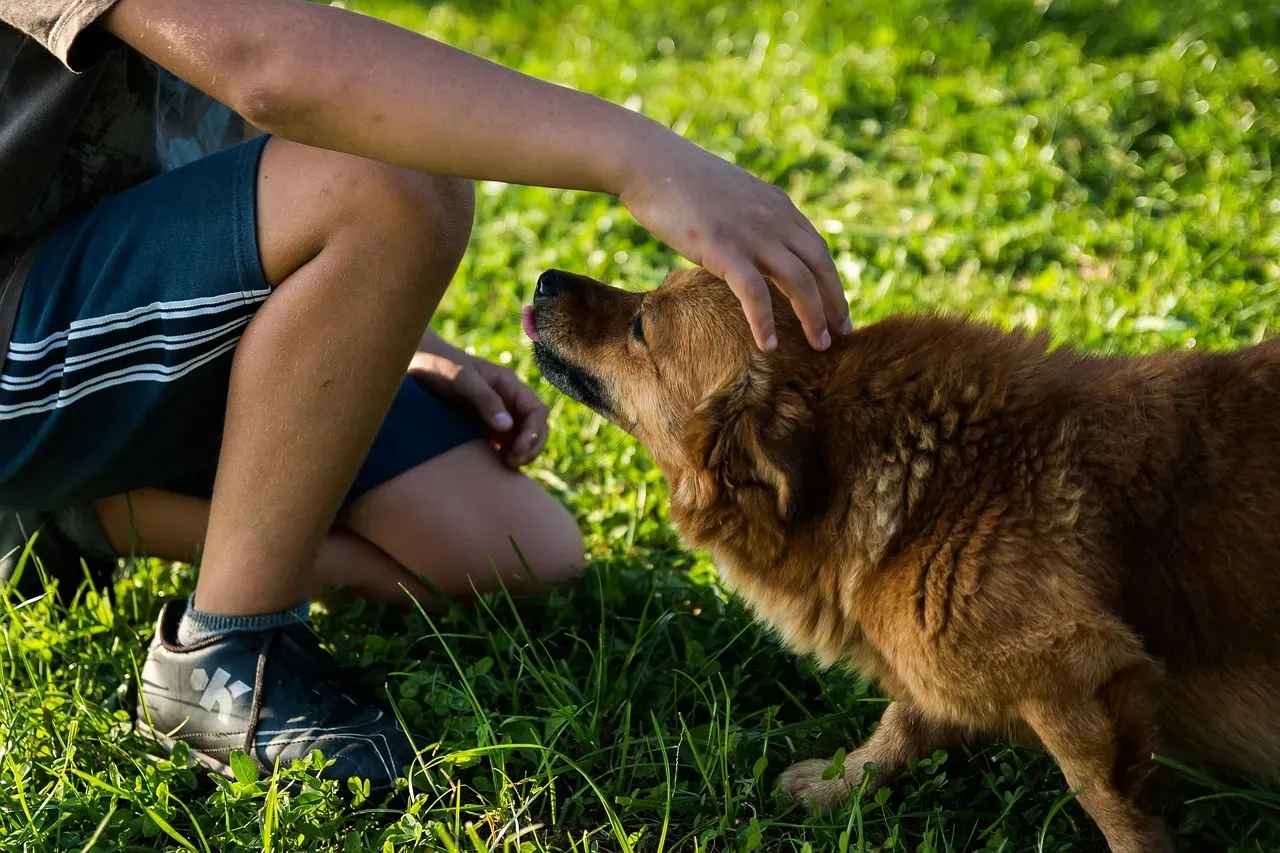
There’s evidence that the act of actually touching a dog may be an important part of their calming effect. One study done in Canada found that college students reported less stress and reduced feelings of homesickness after brief interactions with dogs, and that effect was considerably larger in those who actually got to pet the animals. The body responds to this contact in ways that are measurable and real.
Evidence is accumulating that levels of the stress hormone cortisol drop in people after just five to twenty minutes spent interacting with dogs, even if it’s not their own pet. Alongside that, researchers observe increases in oxytocin, the bonding hormone associated with feelings of warmth and connection. When your dog curls up against you at your lowest moment, there’s genuine biochemistry at work beneath the surface of that simple act.
#4. They Read Your Face With Surprising Accuracy

Dogs possess remarkable emotional intelligence, able to read human emotions through facial cues, body language, and vocal tones. This skill allows them to bond deeply with humans, exhibiting empathy and providing comfort during distress. What looks like a dog staring at you is often something more deliberate than idle curiosity.
Studies show dogs can visually discriminate between happy and angry faces, calm and tense expressions, and familiar and unfamiliar people. Dogs also tend to focus more on the left side of a human face, which is typically more expressive emotionally. They’re not guessing. They’re reading. And the detail they absorb from a single glance at your expression is more sophisticated than most people realize.
#5. They Tune Into the Tone of Your Voice

Dogs respond closely to the tone of our voices and can distinguish between happy, sad, angry, and neutral tones. This vocal recognition allows them to react appropriately to our emotional state, offering comfort or excitement as needed. By listening to how we speak, dogs can pick up subtle cues about our feelings. The words themselves matter far less than we tend to assume.
On the auditory front, research has found that when dogs hear expressions of distress like crying, or positive sounds like laughing, they respond differently than they do to other vocalizations or non-human sounds. So when you’re trying to sound fine but your voice says otherwise, your dog has likely already filed that away and is quietly adjusting their behavior accordingly.
#6. They Ground You in the Present Moment

Research on the psychology of human-animal relationships suggests that watching dogs sniff the grass or explore the world around them cues us to pay more attention to our environment too, essentially pulling us out of our heads and into whatever environment we’re actually in. Anxiety almost always lives in the future. A dog almost always lives right now.
Research has shown that nature can provide positive impacts by offering stress relief, boosting mood, increasing social interaction, encouraging physical activity, soothing pain, and enhancing creativity. Dogs are natural escorts into that kind of present-tense awareness, nudging you away from rumination just by doing what they do every single day.
#7. They Provide a Non-Judgmental Space for Vulnerability

Unlike human relationships, dogs offer nonjudgmental companionship, creating a safe space for emotional vulnerability. Dogs provide consistent companionship, which fosters a sense of stability and predictability that is genuinely soothing to the attachment system. There’s enormous relief in being able to fall apart in front of someone who will not recoil, advise, minimize, or remember it against you.
For individuals with insecure attachment patterns, dogs can serve as a secure base, offering the emotional safety they may struggle to find in human relationships. This is particularly meaningful for people who feel lonely or disconnected, as dogs provide a dependable source of affection and connection. A dog won’t tell you to toughen up. They’ll just stay.
#8. They Act as an Anchor Against Loneliness and Isolation
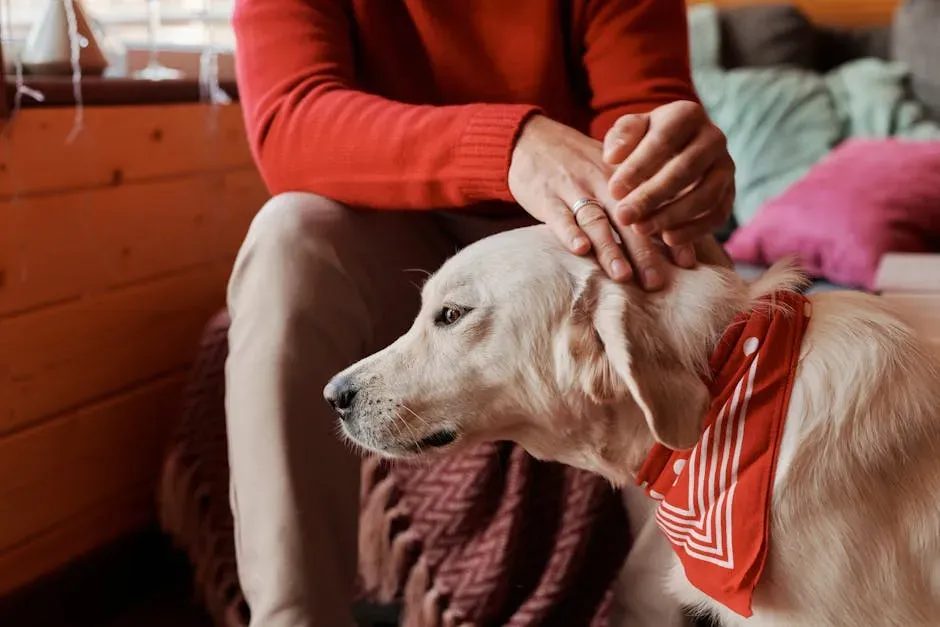
Research findings have revealed that the human-dog bond functions as a stable emotional anchor, promoting nonjudgmental connection and emotional security. Participants in studies reported experiencing greater emotional expression, enhanced social engagement, and improved psychological balance as a result. These aren’t soft, abstract benefits. They’re concrete shifts in how people feel day to day.
During the COVID-19 pandemic, for instance, dog owners reported that their pets offered distraction, emotional grounding, and genuine relief from loneliness and anxiety. These findings underscore the dog-human bond as a form of emotional anchoring that can supplement or even substitute for traditional social support in difficult times. For many people living alone, that substitute has been quietly life-changing.
#9. They Give You a Reason to Keep Going

Research identifies key themes of positive impact from dog ownership, including providing purpose, companionship, and self-acceptance, as well as lessening emotional pain and suffering. Findings also support the idea that dogs can help in managing and alleviating mental health conditions, especially during times of crisis. Purpose is one of the most underrated psychological protections against despair, and dogs deliver it daily.
Research examining dog ownership through adoption suggests it may serve as both a protective and empowering factor against feelings of loneliness, while also fostering emotional resilience and a renewed sense of purpose in everyday life. There is something quietly powerful about being needed. A dog needs you at six in the morning, which means the morning still has a shape, and shape is often enough to get through the day.
#10. They Mirror Your Emotional State Back to You in a Useful Way

Studies show how behavioral and chemical cues from humans can affect dogs in ways that enable them to discriminate between fear, excitement, or anger, and even to “catch” these feelings from their human companions. Just as human toddlers look to parents for cues about how to react to the world, dogs often look to humans for similar signs. When their people project feelings of calm and confidence, dogs tend to view their surroundings as safe and secure.
Research indicates that human crying can transmit emotional states to dogs, and that dogs can recognize and react to human emotional changes with an increased stress response. In other words, your dog reflects your inner world back to you without filters or performance. Watching how your dog behaves around you can sometimes tell you more about your own emotional state than you’d care to admit, which in itself is a form of quiet, accidental protection.
The Quiet Work of an Unlikely Protector

Most of us think of protection in physical terms, someone standing between us and danger. Dogs do that too, of course. But the more enduring form of protection they offer is emotional, slow, daily, and almost entirely silent.
What makes it so affecting is that none of it is calculated. There’s no agenda. At some basic emotional level, the defining aspect of dogs is their desire to help and protect us, and embedded in that relationship is a trust that dogs have the intelligence to recognize times when we need their help. That trust, built over thousands of years of shared living, is not misplaced.
If anything, science has spent the last two decades confirming what dog owners have always quietly known: the animal asleep at your feet is doing more for your wellbeing than most interventions you’ll ever try. The least we can do is notice it.


