
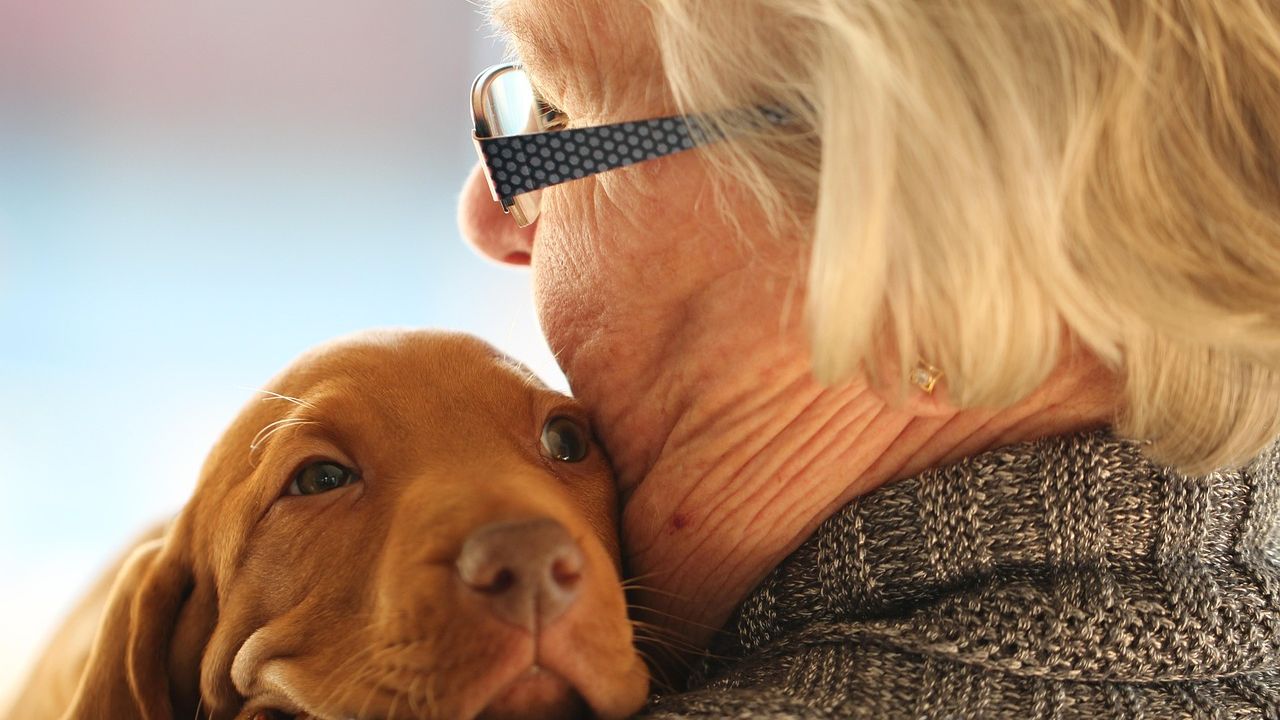
There’s a certain kind of loyalty that doesn’t announce itself. It shows up in the dog that waits by the door long after you’ve left, the one who sleeps on your side of the bed, the one who still carries your scent like a lifeline. Most of us accept that dogs love us. Fewer of us stop to consider what happens to them when we’re gone – not just for the day, but permanently.
It’s not unusual for dogs to grieve the loss of a person they’ve bonded with. While dogs might not fully understand the extent of human absence, they absolutely understand the feeling of missing someone who is no longer part of their daily lives. A landmark study published in the Journal of Veterinary Science in 2021 explored the behaviors of dogs following the death of a human companion, involving 150 dogs who had experienced the loss of their primary caregiver. A significant number displayed grief-like behaviors including reduced appetite, increased lethargy, and seeking comfort from other family members, with some even exhibiting signs of depression and withdrawal from social interactions.
Some breeds, though, carry grief differently. Their emotional architecture makes the loss hit deeper, stay longer, and show up in ways that are impossible to ignore.
#1. Labrador Retriever
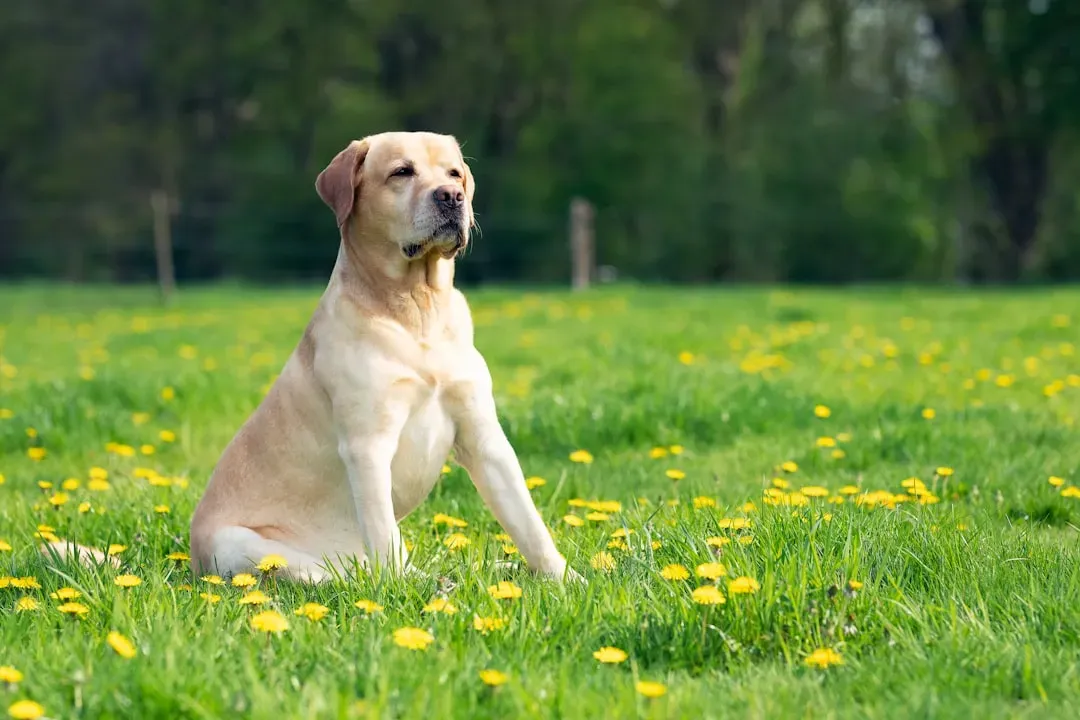
The Labrador Retriever is widely considered the dog most attached to its owners, consistently earning a reputation as one of the most affectionate and devoted breeds. What makes Labs so special is their incredible capacity to form deep emotional bonds with their owners. They’re well-known for their loyalty and dedication, always in tune with human emotions and ready to provide comfort. Labs pick up on changes in human emotions and respond in an almost human-like way.
Labrador Retrievers are known for being outgoing and friendly, but beneath that cheerful exterior is a dog that forms deep, emotional bonds with their humans. Labs thrive on companionship and often experience separation anxiety when left alone for too long. Following the acute loss of a closely bonded owner, dogs like Labs can suffer the pangs of separation anxiety or depression just as people do, with the extent of the suffering directly proportional to the strength of the bond with the owner. For a Lab, that bond is rarely anything less than total.
#2. Golden Retriever
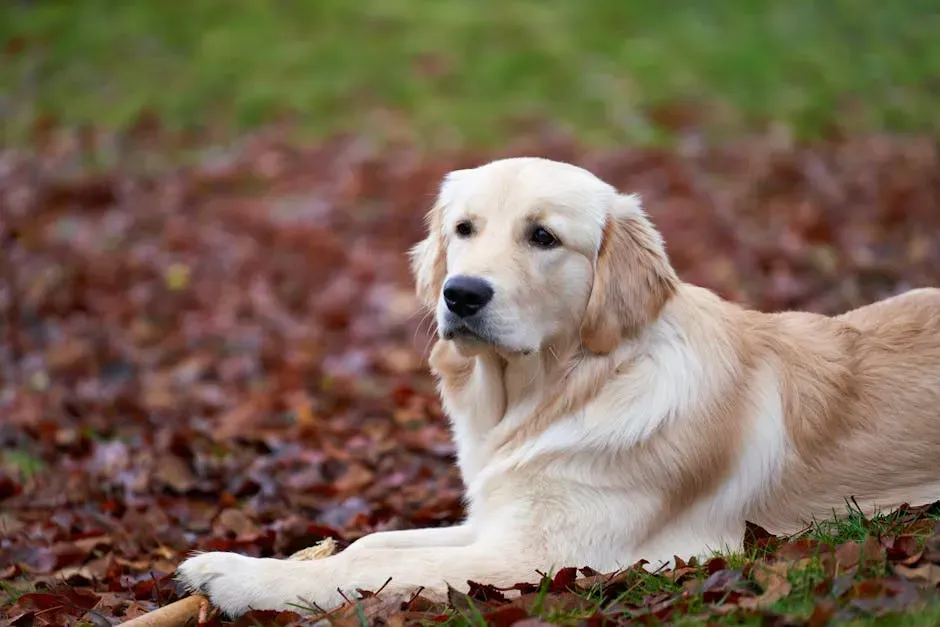
Golden Retrievers are natural empaths. They have an innate ability to sense your mood and respond in kind. They were bred for cooperation and closeness, historically working side-by-side with humans as hunting companions. Today, that same closeness shows up in family life, therapy work, and emotional support roles, proof of their natural emotional sensitivity.
Golden Retrievers are incredibly loyal and affectionate dogs who are bred to be part of the family, which makes them more prone to separation anxiety than most large dog breeds. Their emotional intelligence is profound. A Golden Retriever’s empathy is vast, and they naturally seek to comfort their human companions, staying by their side during emotional turmoil. When the person they orbit around is gone for good, that compass has nothing left to point toward.
#3. German Shepherd
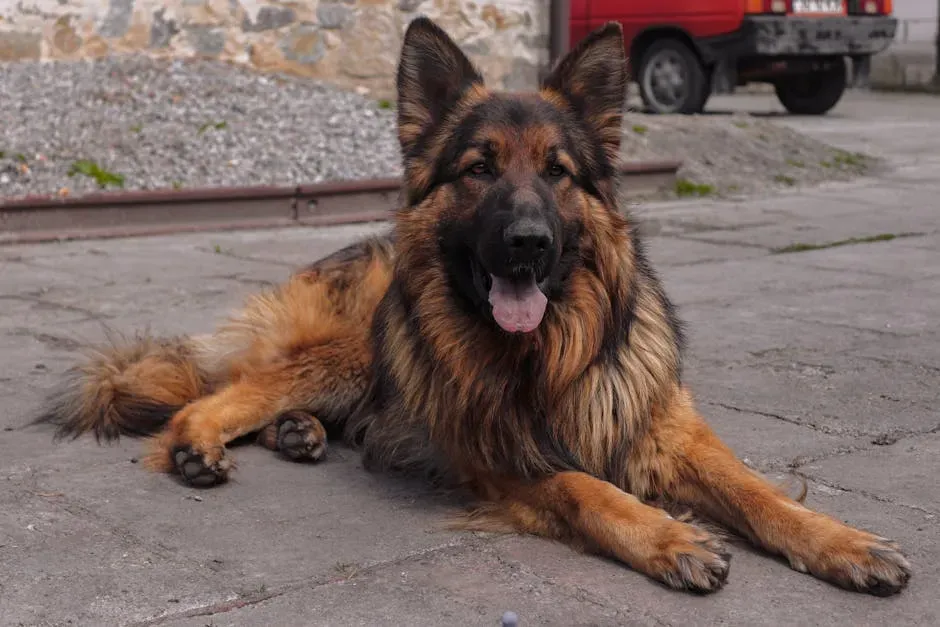
German Shepherds are fiercely loyal and protective, and when their human leaves, it’s as if the world has temporarily lost its purpose. The epitome of loyalty and dedication, German Shepherds are highly known for their deep emotional connection with their human counterparts. Their intelligent and protective nature creates a bond that every dog lover would appreciate.
In June 2014, Constable Dave Ross, a Canadian general duty officer and police dog handler, lost his life in the line of duty. His service dog, a German Shepherd named Danny, stood alongside him during his time on the force. Throughout Ross’ funeral, the loyal canine whimpered next to his owner’s casket. This is just one example of the way a dog may express their feelings after losing an owner. German Shepherds are surprisingly sensitive and form deep, exclusive bonds with their families. They thrive on routine and consistency, which makes the permanent disruption of loss particularly destabilizing for them.
#4. Cavalier King Charles Spaniel

The Cavalier King Charles Spaniel has a reputation for suffering from extreme separation anxiety. They provide unconditional love and loyalty, are classic lap dogs, and simply do not like to be left on their own. They were bred to be companion dogs, which makes them more prone to anxiety and distress when their owners are absent.
Cavaliers form exceptionally close attachments and love to cuddle, rest their head on their owner’s lap, and maintain eye contact, with their gentle temperament making them deeply attuned to their person’s emotions. These dogs were literally bred for companionship, developed to be lap dogs for royalty, and they take their job seriously. They are known for being naturally anxious and overly dependent on their owners for reassurance. They typically do not tolerate being left alone for more than a few hours, and they often follow you everywhere, craving constant physical contact and becoming emotionally distressed without consistent companionship. When an owner passes, their entire emotional anchor is simply gone.
#5. Vizsla
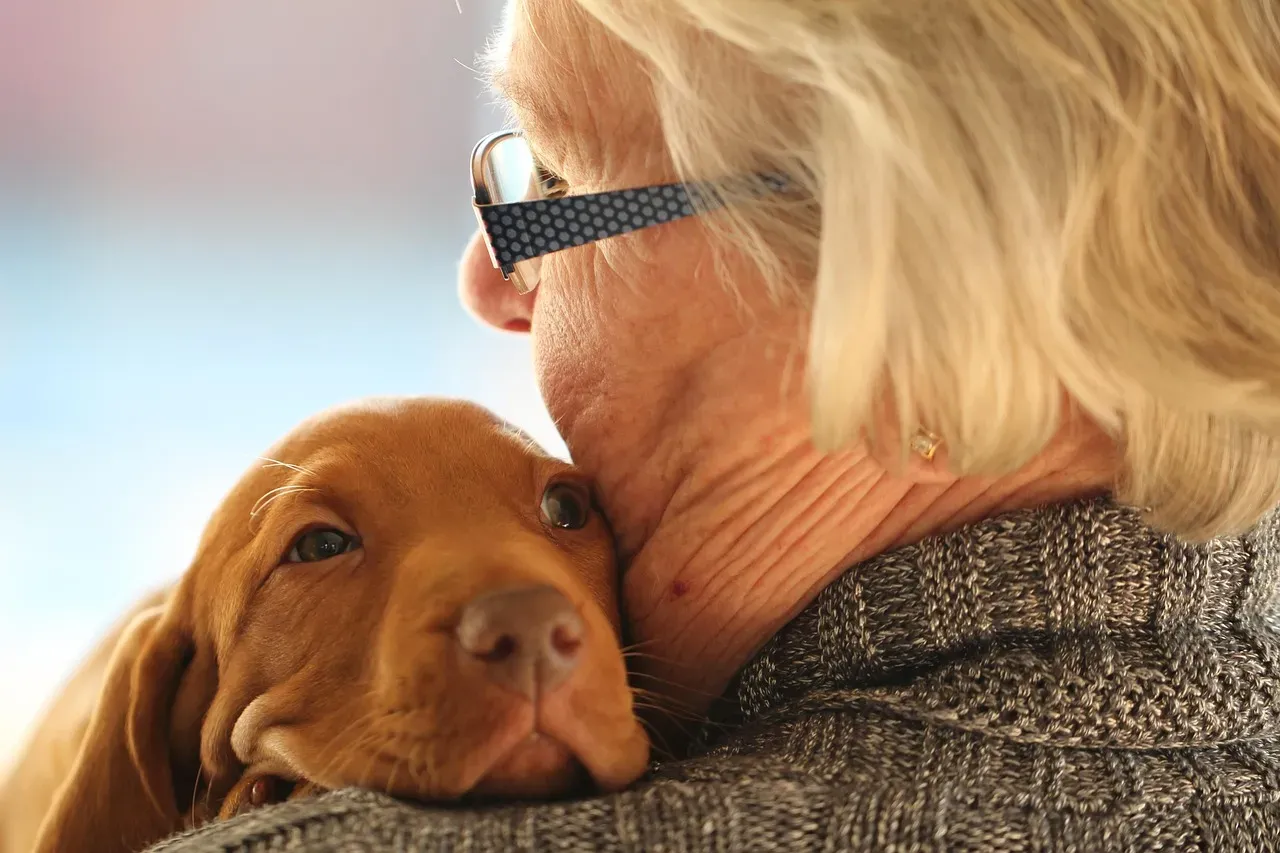
Among all affectionate dog breeds, the Vizsla stands out for its intense loyalty and emotional sensitivity. Often referred to as the “heartbreak breed,” this label stems from the deep emotional bonds Vizslas form with their humans and their profound difficulty coping with separation. Vizslas have deep roots in Hungary, where they were originally developed as hunting dogs bred to work closely with humans, following commands and staying alert to the hunter’s needs and the surrounding environment. This trait of close companionship was essential in their role as hunting partners, making them naturally inclined to stay close to their human counterparts.
Vizslas are not satisfied with just being in the same house. They want physical contact and emotional connection throughout the day. Vizsla owners describe their dogs as shadows – these dogs follow you everywhere, lie against you whenever possible, and generally behave as if separation is physically painful. Because of their sensitivity, Vizslas are incredibly attuned to their owner’s emotional state, providing comfort and companionship in times of stress or sadness. Their eagerness to connect makes them excellent emotional support animals, and many Vizsla owners feel their dog “understands” them in a way that’s rare. Lose that person, and the Vizsla loses its entire emotional world.
#6. Border Collie
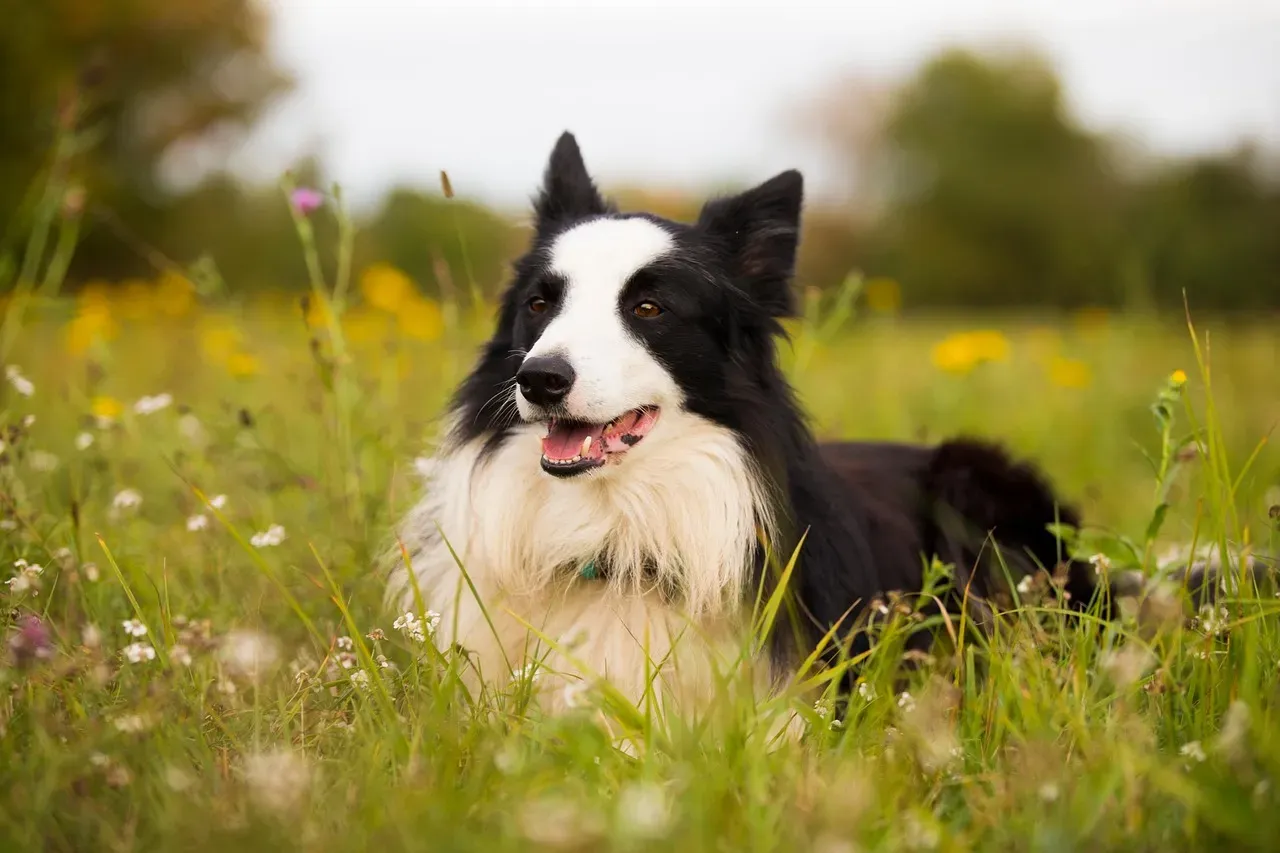
Border Collies are working dogs that are highly intelligent and high-energy. They can perform amazing tricks and are highly trainable, but they can get bored easily and may indulge in destructive behaviors like ripping apart pillowcases or damaging doors and windows. They are highly prone to suffering from separation anxiety, and if ignored for long, they can suffer from depression.
Border Collies are highly intelligent and emotionally sensitive, and they often form intense connections with a single person. Bred for herding, the Border Collie establishes relationships based on cooperation and constant communication. Their attachment is expressed through continuous attention and the need to maintain eye contact with their caregiver, with studies from ScienceDirect and the AKC confirming their strong orientation toward working together with humans. That singular focus on one person means loss is experienced with a kind of totality that few other breeds match.
#7. Cocker Spaniel
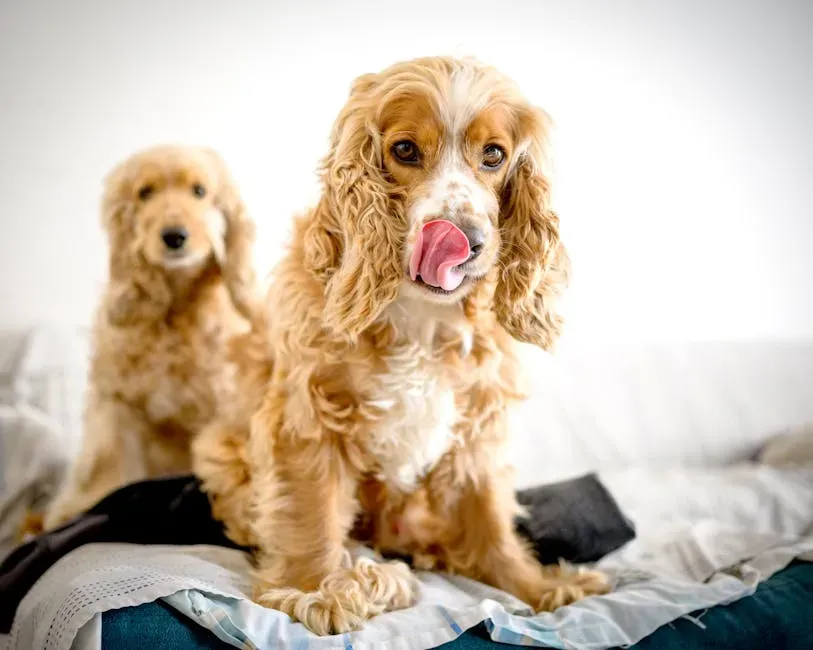
Cocker Spaniels are compassionate, resilient, friendly, and intelligent. They do not like being left alone and may develop hyper-attachment disorder because they love to be around their owner so intensely. Because they are naturally such a friendly, rewarding dog in response to people’s attention, Cocker Spaniels seem to feel aggrieved when they don’t get enough of it.
Cocker Spaniels are known for their gentle and affectionate nature. They form strong bonds with their families and often seek constant companionship. Their desire to be close and involved in all activities makes them one of the more clingy breeds, and they thrive in environments where they receive plenty of attention and affection. Dogs that have hyper-attachment syndrome – a condition affecting up to roughly one in seven dogs in the United States – are likely to be especially hard hit following their owner’s passing. The Cocker Spaniel’s deep need for closeness makes them especially vulnerable to that kind of loss.
#8. Shih Tzu
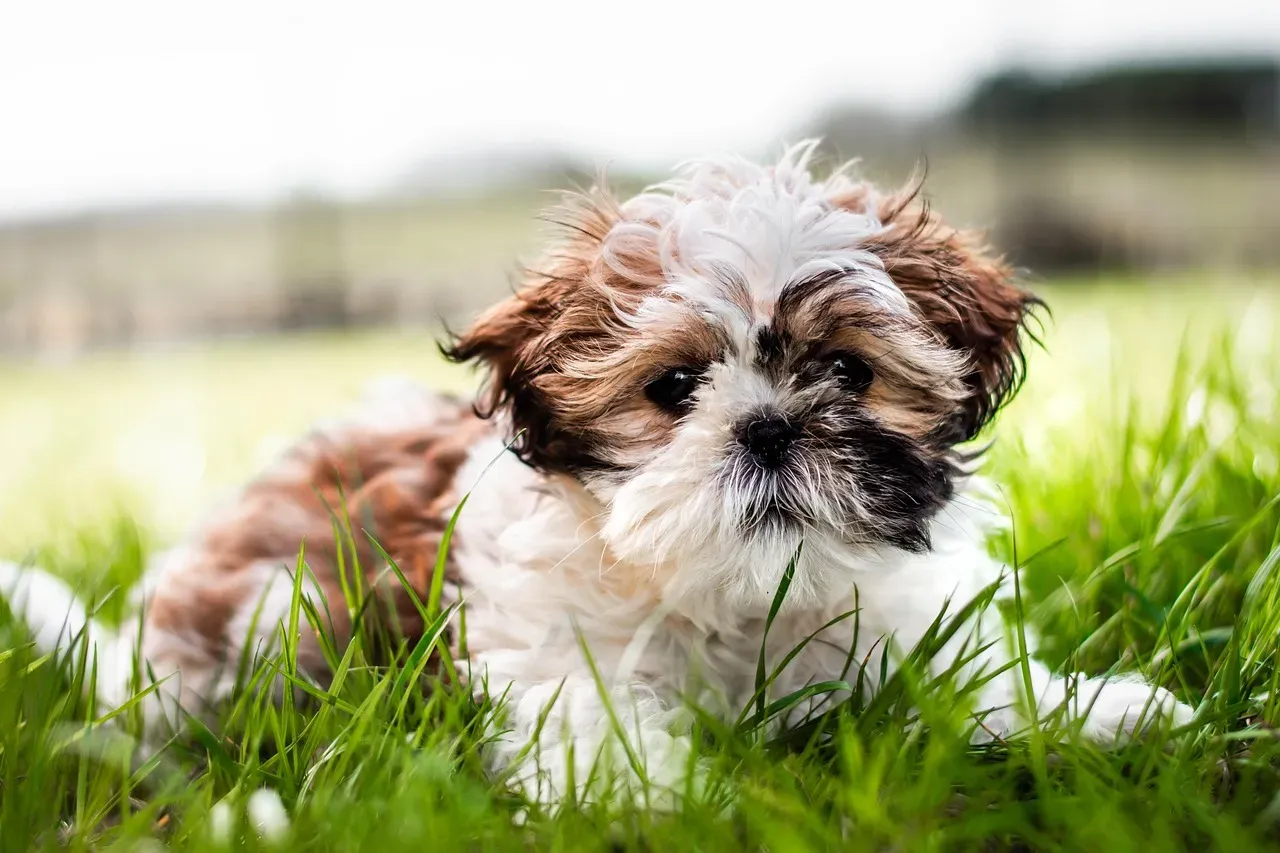
Historically, Shih Tzus were a house pet for most of the Ming Dynasty, and their role as a companion dog has not changed much over the centuries. They are known for their friendly nature and the strong bonds they form with their owners. Shih Tzus are true companion dogs who demand to be a central part of the family, enjoying following their people from room to room and sitting on laps.
Shih Tzus are companion dogs that thrive on being close to their humans. This makes them more susceptible to hyper-attachment and separation anxiety, especially if they are suddenly left alone for long periods. They are affectionate and friendly dogs that thrive on companionship, often following their owners from room to room. Their gentle and loving nature makes them excellent lap dogs who enjoy cuddling and being close, and they can become anxious when left alone, doing best in homes where someone is around most of the time. For a Shih Tzu, the home without their person doesn’t just feel empty – it feels structurally wrong.
The Weight of a Dog’s Grief

Following the acute loss of a closely bonded owner, dogs can suffer the pangs of separation anxiety or depression just as people do. The extent of the suffering is directly proportional to the strength of the bond, and owners who feed into a dog’s intense dependence on them are more likely to have dogs that do not cope well when left alone for any reason. The emotional pain dogs feel on their owner’s death is an extension of, and an extreme, protracted version of separation anxiety.
Research shows that roughly a quarter of dogs show signs of grief for more than six months following a major loss. For another third, the changes lasted between two and six months. The stress that comes with loss can cause real physical health problems in dogs, including gastrointestinal issues and other conditions, which is why caregivers should watch their pets carefully in the months following a death and consult a veterinarian if concerning signs appear.
What this tells us, beyond anything else, is that the bond between a dog and its person is genuinely profound – not performative, not conditional, not a trick of training. These eight breeds simply feel it the hardest. If you share your life with one of them, you aren’t just an owner. You are, quite literally, their whole world. That’s not a burden – it’s one of the most remarkable gifts that exists between species. The least we can do is make sure someone who loves them is there to hold them through the grief we leave behind.


