
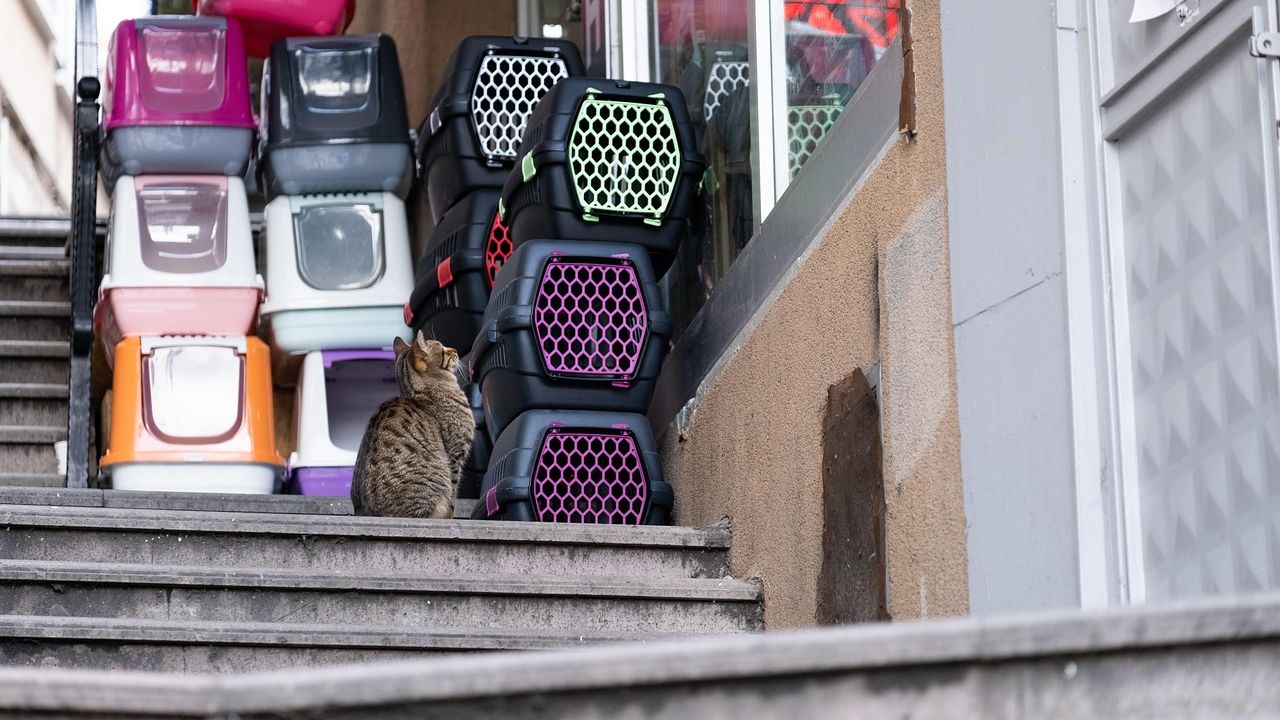
How to Travel With a Cat on a Plane – Image for illustrative purposes only (Image credits: Pixabay)
Airports move at a relentless pace, yet many cats settle into the journey when owners build routines well in advance. Studies on feline transport show that gradual exposure to carriers lowers visible signs of distress. The process demands attention to health rules, carrier comfort, and timing, but the payoff is a quieter trip for everyone involved.
Health Checks Before Departure
Veterinarians recommend scheduling an exam four to six weeks ahead so any issues surface early. Most airlines and countries insist on a health certificate issued no more than ten days before travel. International routes often add requirements such as current rabies records or import permits, and owners must confirm these details through official government portals rather than relying on general advice.
Sedation rarely appears on recommended lists. Veterinary guidance notes that medications can interfere with balance and breathing once the plane reaches cruising altitude, leaving most professionals to favor non-drug approaches instead.
Carrier Selection and Gradual Training
The carrier itself sets the tone for the entire flight. It must slide under the seat in front and stay within airline size limits, which makes soft-sided models the practical choice for cabin travel. Owners who leave the carrier open in a familiar room weeks beforehand, complete with a favorite blanket, help the cat view the space as safe rather than threatening.
Peer-reviewed research in veterinary journals supports this method. Short, positive sessions that pair the carrier with treats and calm praise measurably cut stress behaviors during later transport. The same studies note that results vary by individual cat, and some animals need repeated practice before the association becomes reliable. Owners who rush the introduction often see the opposite effect, with heightened anxiety on the actual day.
Consistency matters more than intensity. Five-minute sessions several times a week build familiarity without overwhelming the animal, and the approach leaves room for cats that adapt slowly.
Airline Policies and Timing
Not every carrier accepts pets in the cabin, and those that do limit the total number per flight. Early booking secures the spot before slots disappear. Fees typically range from seventy-five to one hundred fifty dollars each way, though exact amounts and dimension rules differ by airline and must be verified directly.
Cross-border travel adds layers of paperwork. Country-specific entry rules can change, so owners benefit from checking current regulations rather than assuming prior trips set the standard.
During the Flight and After Arrival
A light meal before departure reduces the chance of nausea once the plane moves. Covering the carrier with a breathable cloth limits visual overload from crowds and announcements, while a familiar scent inside offers quiet reassurance. Speaking softly and keeping the carrier closed throughout the flight prevents unnecessary escalation of anxiety.
Upon landing, a quiet room allows the cat to emerge at its own pace. Fresh water should be available right away, and food intake is best monitored over the first day or two. Recovery times differ widely; some cats resume normal behavior within hours, while others require a full day of adjustment.
Key points to remember: schedule the vet visit early, train the carrier gradually, confirm airline rules in advance, and allow quiet recovery time afterward. These steps address the main sources of stress identified in transport studies.
Air travel remains one of the safer long-distance options for cats when these measures are in place. The combination of preparation and patience turns an unfamiliar environment into a manageable one, even if individual cats respond at different speeds.


