
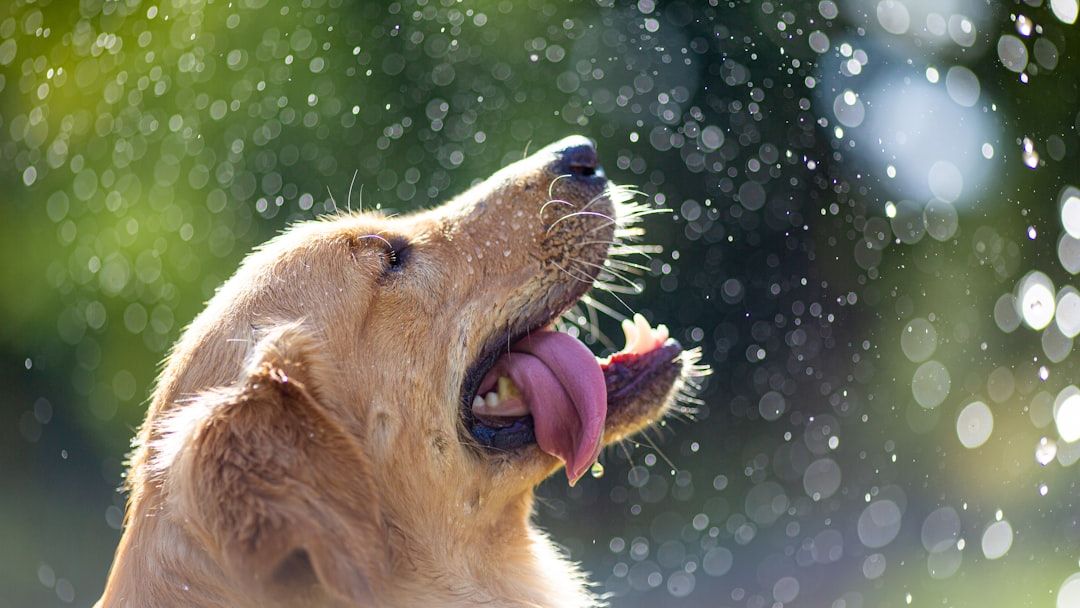
Signs of Heat Stroke in Dogs: Symptoms & Prevention – Image for illustrative purposes only (Image credits: Unsplash)
Heat stroke remains a serious threat to dogs each summer, often developing faster than owners expect. Dogs cool themselves mainly through panting, a process far less effective than human sweating when temperatures climb or humidity rises. This difference leaves many pets vulnerable even during routine activities like short walks or time in a yard.
How Heat Stroke Develops in Dogs
A dog’s core temperature above 104°F (40°C) marks the start of heat stroke, as the body loses its ability to cool itself. Once temperatures reach 106°F or higher, organ damage can begin within minutes if cooling does not occur. The condition can appear in less than ten minutes inside a parked car or during vigorous play on a warm day.
Even moderate heat combined with humidity can overwhelm a dog’s system. Veterinary experts at Cornell University describe heat stroke as a medical emergency with no safe period for observation once signs emerge. Research from The Lancet links rising warm-season temperatures to more frequent heat-related illness in animals and people alike.
Early and Advanced Symptoms
Initial signs often appear subtle. Excessive panting, heavy drooling, and a glassy or worried look can signal the first stage of overheating. Owners may dismiss these changes until they worsen.
Progression brings clearer warnings such as bright red or pale gums, a fast heartbeat, vomiting, diarrhea, or unsteady movement. In severe cases, seizures, collapse, or loss of consciousness follow. Permanent harm or death becomes possible without prompt care.
Breed and Health Factors That Raise Risk
Flat-faced breeds face higher danger because their short airways limit effective panting. Bulldogs, pugs, French bulldogs, and Boston terriers appear more often in heat stroke cases than their share of the dog population would suggest, according to studies from the Royal Veterinary College. Extra weight, advanced age, or existing heart and breathing problems add further vulnerability.
Thick-coated dogs such as huskies and malamutes also struggle when heat arrives suddenly, as their fur traps warmth. Global temperature trends are increasing these risks across regions, though individual outcomes still depend on how quickly cooling begins and the dog’s overall condition.
Key prevention steps
- Skip exercise during the hottest hours of the day.
- Never leave a dog in a parked vehicle, even briefly.
- Ensure constant access to fresh water and shade.
- Monitor dogs with prior heat stroke episodes more closely.
Immediate Actions and Long-Term Outlook
When heat stroke is suspected, move the dog to a shaded or air-conditioned spot right away. Apply cool water to the neck, armpits, and groin areas; ice water can slow cooling by constricting blood vessels. Offer small amounts of cool water only if the dog remains conscious and can swallow safely.
Transport the animal to an emergency veterinarian without delay, even if symptoms seem to ease. Recovery varies widely. Some dogs experience lasting kidney issues, clotting problems, or neurological effects that require ongoing treatment. Working with a veterinarian to tailor summer routines to a dog’s breed, age, and health status offers the best protection against repeat episodes.


