
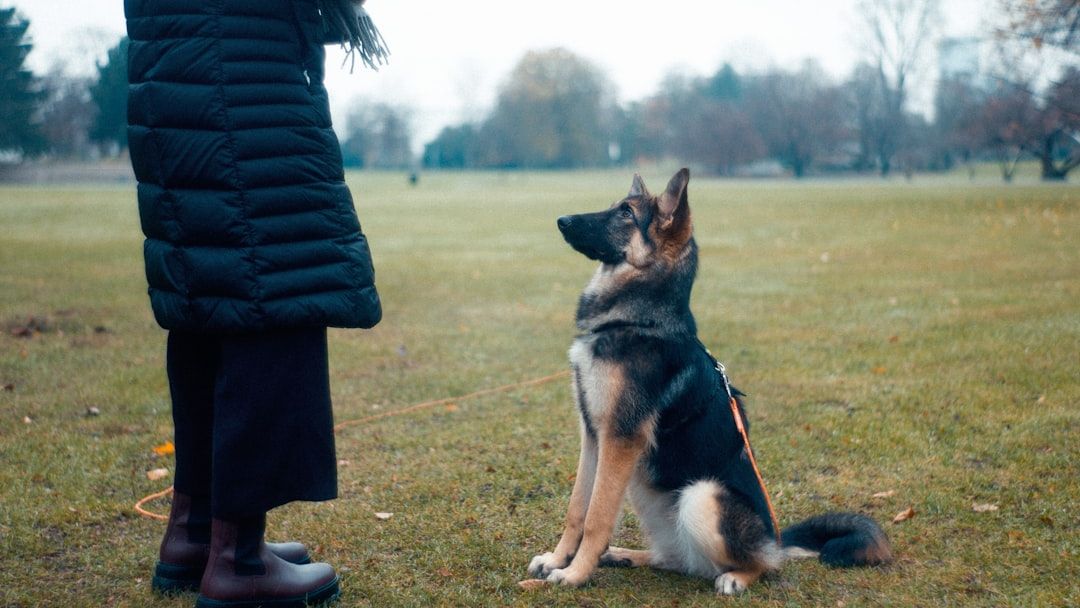
Dog Training Tips for First-Time Owners – Image for illustrative purposes only (Image credits: Unsplash)
Bringing a new dog into the household often transforms daily life in unexpected ways. First-time owners quickly discover that early guidance shapes not only behavior but also the long-term relationship between pet and person. The effort demands steady attention rather than dramatic interventions, and results build gradually through repeated practice.
Recognizing the Realities of Early Ownership
Many people enter dog ownership with high expectations of instant companionship and easy routines. In practice, the first weeks reveal that puppies and young dogs test boundaries in ways that can feel overwhelming without preparation. Owners who accept this learning curve from the start tend to experience fewer setbacks and greater satisfaction over time.
Patience becomes the foundation because dogs respond best to predictable signals rather than sudden corrections. Those who rush the process often find themselves repeating the same lessons weeks later. A measured approach allows both owner and dog to adjust at a sustainable pace.
Core Principles That Guide Progress
Consistency stands out as the single most reliable factor in successful training. Dogs learn through repetition, so applying the same rules at every meal, walk, and play session reinforces expectations clearly. Mixed messages from different family members can undo weeks of work in a short time.
Positive reinforcement strengthens desired behaviors more effectively than punishment in most cases. Rewarding calm greetings or successful house training with treats or praise creates associations that last. Owners who track small wins notice steady improvement rather than sudden breakthroughs.
Practical Steps for Daily Integration
Short, focused sessions work better than long drills that tire both parties. Five to ten minutes several times a day keeps attention high and prevents frustration. Ending each session on a positive note leaves the dog eager for the next interaction.
Establishing clear signals for basic commands such as sit, stay, and come provides a shared language from the beginning. Practicing these during everyday activities like feeding or door greetings turns routine moments into training opportunities. Over time, these habits become automatic for everyone involved.
- Keep training sessions brief and upbeat to maintain focus.
- Use the same verbal cues and hand signals across all household members.
- Reward immediately after the desired action to strengthen the connection.
- Adjust expectations based on the dog’s age, breed tendencies, and individual personality.
Looking Ahead With Realistic Expectations
Progress rarely follows a straight line, and occasional regressions remain normal even after initial successes. Owners who view training as an ongoing process rather than a finite task adapt more readily when new challenges arise. The bond that forms through this shared effort often becomes one of the most rewarding aspects of dog ownership.
Those who stay committed through the early months frequently report deeper trust and smoother daily life as the dog matures. The investment in consistent guidance pays dividends in companionship that lasts for years.


