
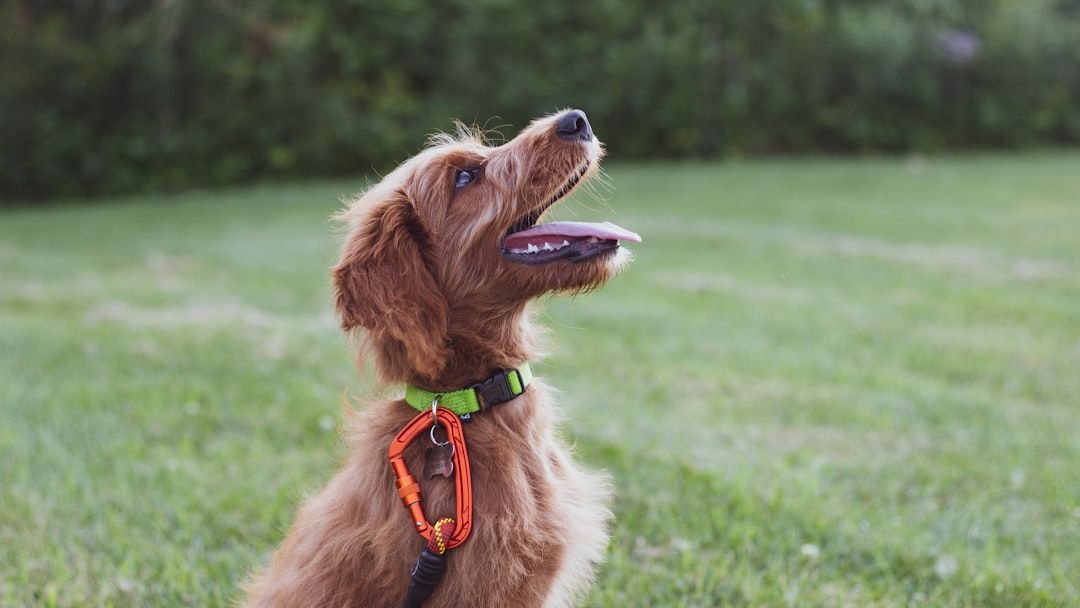
Dog training tips that actually work for real life – Image for illustrative purposes only (Image credits: Unsplash)
Dogs encounter hazards in everyday settings, from dropped food on sidewalks to household items left within reach. A single command can interrupt those moments before they turn serious. Teaching the cue builds a reliable response that owners can count on when seconds matter.
The Real Stakes Behind the Command
Many dogs explore the world with their mouths, which leaves them vulnerable to ingesting something toxic or sharp. The ability to release an object on cue directly reduces that risk during walks, play sessions, or quiet moments at home. Owners who practice the skill report fewer emergency visits tied to swallowed items.
Consistency matters because dogs learn through repetition and clear signals. When the cue becomes automatic, it works even under distraction or excitement. This reliability turns a basic obedience exercise into a practical safety tool.
How the Cue Fits Daily Life
Training sessions do not require special equipment or long blocks of time. Short, frequent practices during regular routines help the behavior stick without turning into a chore. The command also strengthens the overall bond between dog and owner through positive reinforcement.
Once mastered, the skill extends beyond safety to improve other interactions. It can prevent resource guarding during meals or reduce tension when multiple pets share space. The same response that stops a dog from swallowing a hazard can also end a tug-of-war game on command.
Building the Habit Over Time
Progress comes from starting in low-distraction environments and gradually adding challenges. Early successes create momentum that carries into more realistic settings. Owners notice the difference when the cue holds up during actual moments of temptation rather than only in controlled drills.
Patience remains essential because every dog learns at its own pace. Some respond quickly while others need extra repetitions before the behavior becomes second nature. The payoff appears in calmer outings and fewer close calls around the house.
Owners who invest in this one skill often find it changes how they view their dog’s safety overall. The command stays useful across different ages and breeds, offering a straightforward way to handle situations that might otherwise require intervention. Regular practice keeps the response sharp long after the initial lessons end.


