
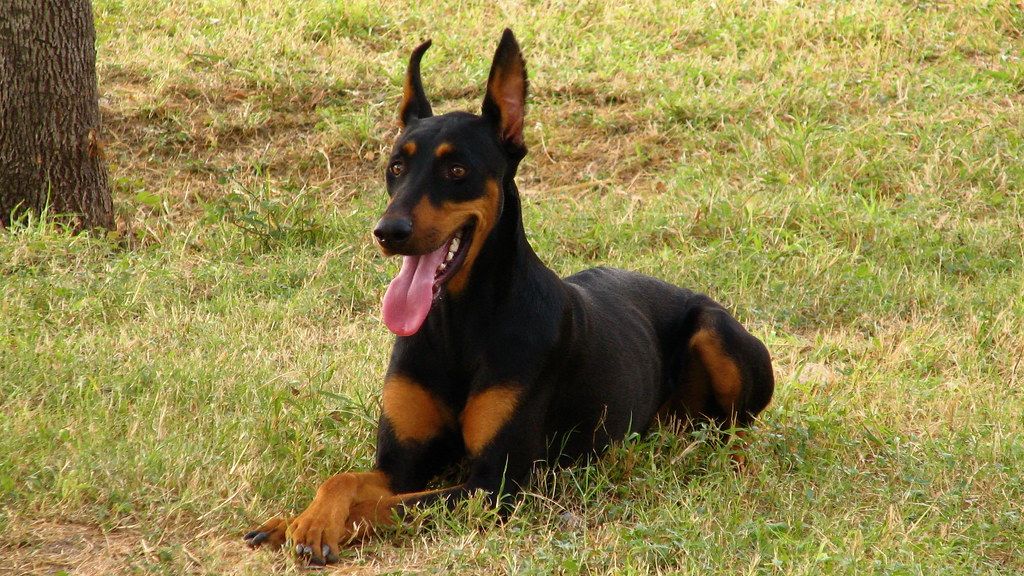
Large Dog Training Tips – Image for illustrative purposes only (Image credits: Flickr)
Large dogs often respond best when owners establish clear leadership from the first interactions. A single approach stands out for its simplicity and direct impact. Using a commanding presence paired with an authoritarian voice helps set expectations and reinforces the owner’s role as the one in charge.
Why Clear Leadership Matters Early
Big breeds bring strength and energy that can quickly overwhelm an uncertain handler. Without a firm tone, everyday routines like walks or greetings risk turning into power struggles. The right voice cuts through distractions and signals that instructions are not optional.
Owners who speak with steady authority notice faster compliance during basic sessions. This method avoids confusion by leaving no room for negotiation in the moment. Over time, the dog learns to look to the handler for direction rather than testing boundaries.
Putting the Technique into Practice
Start each session by standing tall with shoulders back and maintaining eye contact. Deliver commands in a low, firm register that carries without shouting. Repeat the same phrasing consistently so the dog connects the sound with the expected action.
Combine the voice with calm body language that projects confidence rather than tension. Short, direct phrases work better than long explanations during training moments. If the dog hesitates, a single repeated command delivered with the same tone usually brings the desired response.
Practice in short bursts at first to build the habit without fatigue. Gradually extend the length of sessions as the dog shows steady improvement. The goal remains consistent: the voice alone should guide behavior once the pattern is established.
Key Steps for Daily Use
- Choose one clear command word for each action and stick with it.
- Deliver every instruction from a relaxed yet upright posture.
- Follow through immediately when the dog responds correctly.
- Keep sessions brief and end on a positive note.
- Apply the same tone during routine activities outside formal training.
Results That Build Over Time
Dogs trained this way tend to show greater focus during walks and around visitors. The established dynamic reduces the chance of pulling or jumping because the dog already understands who leads. Owners report smoother household routines once the voice cue becomes second nature.
Consistency remains the element that turns an initial technique into lasting behavior. Regular reinforcement through everyday interactions keeps the relationship balanced. The approach ultimately creates a calmer environment for both the dog and the household.


