
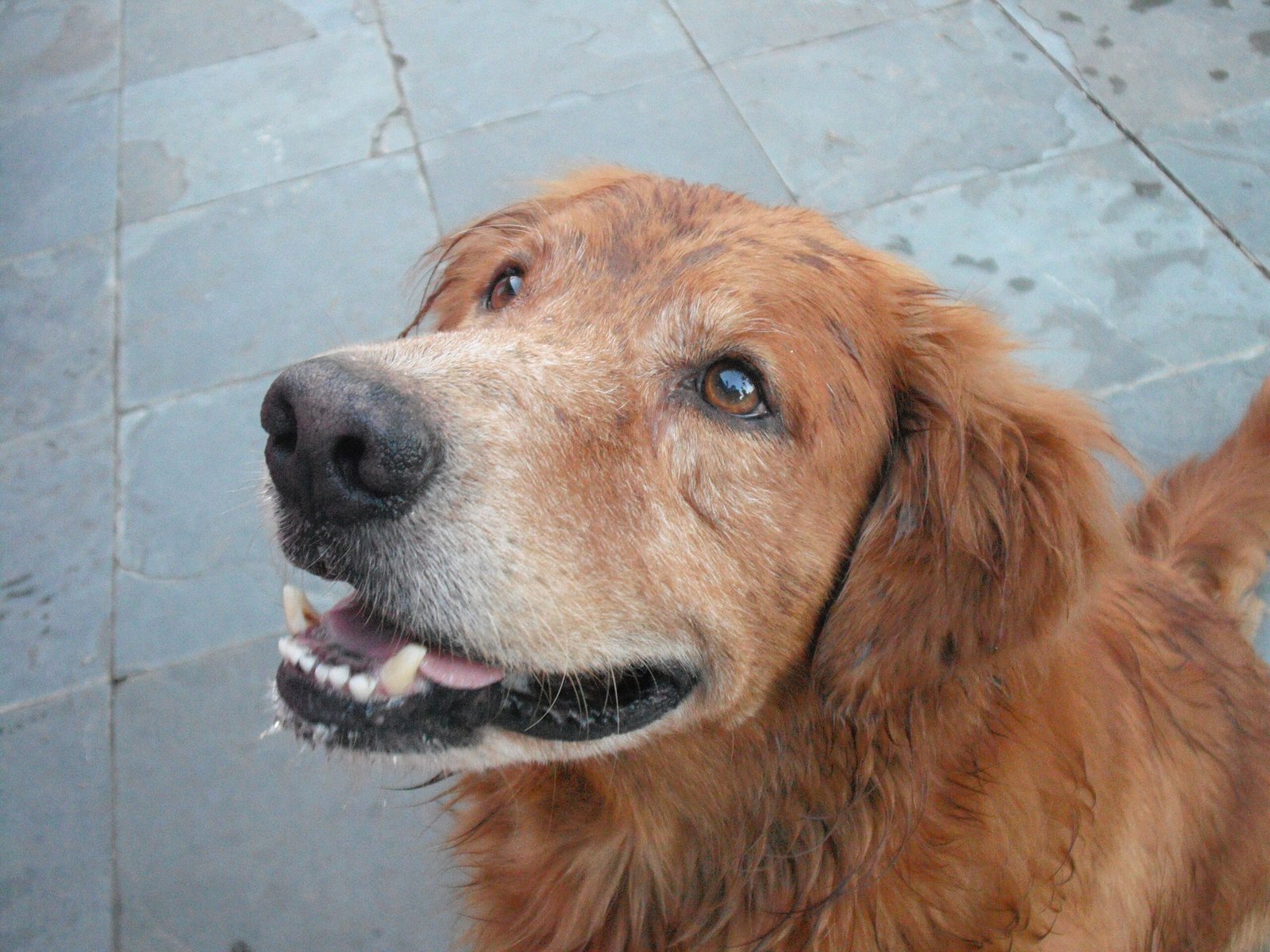
There are few experiences more haunting, emotional, and strangely mysterious than hearing stories of dogs behaving differently around someone nearing the end of life. Families often notice a beloved pet becoming unusually clingy, watchful, quiet, or emotionally intense around a person who is seriously ill. Some dogs refuse to leave the bedside. Others stare constantly, whine softly, or sleep pressed against their owner’s chest as if they somehow understand what humans cannot fully explain.
Science still cannot definitively prove that dogs “sense death” in a supernatural way. But what experts do know is that dogs are extraordinary observers of human behavior, scent, body chemistry, and emotional shifts. Their noses are so powerful they can detect diseases, seizures, blood sugar changes, and even certain cancers. When the human body begins shutting down, subtle biological changes occur—and dogs may notice them long before people do.
#1 Dogs Can Detect Changes in Human Body Chemistry
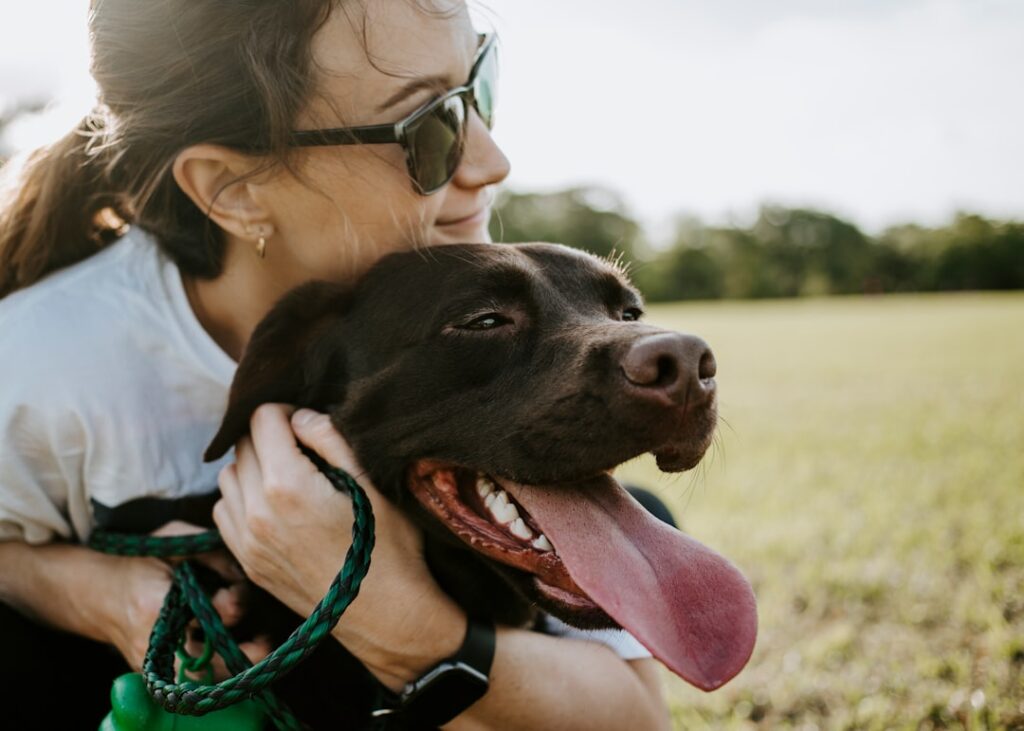
One of the strongest scientific explanations lies in scent. Dogs possess up to 300 million olfactory receptors compared to about 6 million in humans. That means your dog experiences the world through smell in ways people cannot even imagine. As illness progresses or the body begins preparing for death, chemical changes occur in breath, sweat, skin oils, and body temperature.
Hospice workers and medical researchers have repeatedly observed dogs reacting differently to terminally ill patients. Some experts believe dogs may detect volatile organic compounds released during severe illness or organ failure. These microscopic scent changes may explain why some dogs become unusually attentive or emotionally reactive around dying individuals.
#2 Dogs Read Emotional Energy Better Than Most Humans
Dogs are masters at interpreting human emotion. They study facial expressions, breathing patterns, vocal tone, movement, posture, and even silence. When someone becomes seriously ill, the emotional atmosphere of a household changes dramatically—even if nobody openly discusses death.
Many dogs respond to this emotional tension by becoming protective or deeply attached to vulnerable family members. They may stay closer than usual, follow the person everywhere, or become anxious whenever separated from them. In many cases, dogs are reacting not only to the sick individual, but also to the grief, fear, and stress radiating through the family.
#3 Many Dogs Become Quiet and Watchful Near the End

Owners frequently describe a strange behavioral shift before a loved one passes away. Energetic dogs suddenly become calm and observant. Playful dogs may lose interest in toys and instead lie silently beside the person for hours. Some seem almost emotionally burdened by the atmosphere around them.
Animal behaviorists believe this could stem from a dog’s instinctive response to weakness or vulnerability within its “pack.” In the wild, social animals closely monitor sick or injured members. Domestic dogs may carry remnants of those instincts today, causing them to become more attentive and emotionally focused during severe illness.
#4 Hospice Facilities Have Witnessed Unusual Patterns
One of the most famous examples involved a therapy cat named Oscar at the Steere House Nursing and Rehabilitation Center, who reportedly appeared beside patients shortly before death. While dogs are less studied in this area, hospice workers have shared many similar stories involving canine companions.
Nurses and caregivers often report dogs refusing to leave a patient’s side during their final hours. Some dogs reportedly become distressed moments before death occurs, while others remain unusually calm and comforting. Although anecdotal evidence is not scientific proof, the consistency of these stories across cultures and decades continues to fascinate both pet owners and researchers.
#5 Dogs Sometimes Mirror Human Grief Before Death Happens

Dogs are highly empathetic animals, and studies show they often mirror human emotions. If a family is already grieving or emotionally preparing for loss, dogs may absorb and reflect those feelings. This can create the impression that they understand death itself.
A dog may become withdrawn, depressed, clingy, or restless because it senses emotional pain in the household. They may hear crying at night, notice unusual routines, or detect fear in voices and body language. In many ways, dogs experience the emotional collapse surrounding terminal illness alongside their human families.
#6 Some Dogs Refuse to Leave the Bedside
One of the most emotionally powerful behaviors owners describe is a dog refusing to leave someone who is dying. Dogs have been known to sleep beside hospital beds, wait outside bathroom doors, and even stop eating while monitoring an ill owner.
Experts believe this behavior may combine loyalty, anxiety, protective instinct, and emotional attachment. Dogs form bonds with humans similar to parent-child relationships. When their favorite person becomes weak or vulnerable, some dogs instinctively stay close as a form of emotional protection and companionship.
#7 Dogs May React to Physical Changes Humans Miss

As the body declines, people often experience altered breathing patterns, lower body temperature, reduced mobility, and changes in circulation. Dogs are extremely sensitive to these physical differences. They may react to faint sounds, slowed movement, or subtle shifts in scent long before humans consciously notice them.
Some dogs also become unsettled by medical equipment, oxygen machines, medications, or disrupted household routines associated with severe illness. Their unusual behavior may partly reflect sensory overload combined with emotional concern for the person they love.
#8 Ancient Cultures Believed Dogs Were Connected to Death
The idea that dogs can sense death is not new. Ancient civilizations across the world linked dogs to the spiritual realm and the afterlife. In ancient Egypt, the jackal-headed god Anubis guided souls into the afterlife. In Greek mythology, Cerberus guarded the underworld.
Many Indigenous traditions also viewed dogs as spiritual protectors capable of sensing unseen energies. While modern science approaches the topic differently, these ancient beliefs show how deeply humans have long associated dogs with death, transition, and emotional intuition.
#9 Not Every Dog Reacts the Same Way

It is important to remember that every dog is different. Some become intensely attached and emotional around illness, while others may appear confused, anxious, or even distant. Personality, breed, training, age, and past experiences all influence how dogs respond to serious situations.
A calm, emotionally intelligent dog may naturally gravitate toward comforting people, while a nervous dog might hide or act restless instead. Neither reaction means the dog loves less. Animals cope with emotional stress in different ways, just like humans do.
#10 What Matters Most Is the Bond Between Humans and Dogs
Whether dogs truly “sense death” or simply respond to illness and emotional changes with extraordinary sensitivity, one thing is undeniable: the bond between dogs and humans runs incredibly deep. Dogs remain beside people during some of the hardest moments life can bring, offering comfort without words.
For many grieving families, the memory of a loyal dog quietly staying near a dying loved one becomes unforgettable. Even skeptics admit there is something profoundly moving about an animal sensing human suffering and responding with unconditional loyalty.
In the end, dogs may not fully understand death the way humans do—but they absolutely understand love, fear, grief, vulnerability, and connection. And perhaps that is why their behavior near the end of life feels so powerful. Personally, it is difficult to dismiss the countless stories from families, hospice workers, and pet owners who have witnessed dogs behaving in eerily intuitive ways around death. Science may continue debating the mechanics behind it, but emotionally, many people already feel they know the answer.


