
No dog owner wants to think about sudden death. It is one of the most frightening possibilities in pet ownership because it can happen with little warning, sometimes in dogs that seemed active and happy only hours earlier. While any dog can suffer a sudden medical crisis, certain breeds are known to be at higher risk for conditions that may cause sudden collapse or death, especially heart disease.
This does not mean these breeds are “bad choices” or doomed. Many live long, joyful lives with good care. But it does mean owners should take screening, regular veterinary checkups, weight control, exercise guidance, and early warning signs seriously. Dilated cardiomyopathy, a serious heart muscle disease, is especially associated with large and giant breeds, including Doberman Pinschers, Boxers, Great Danes, Irish Wolfhounds, Newfoundlands, Saint Bernards, German Shepherds, and others.
#1 Doberman Pinscher
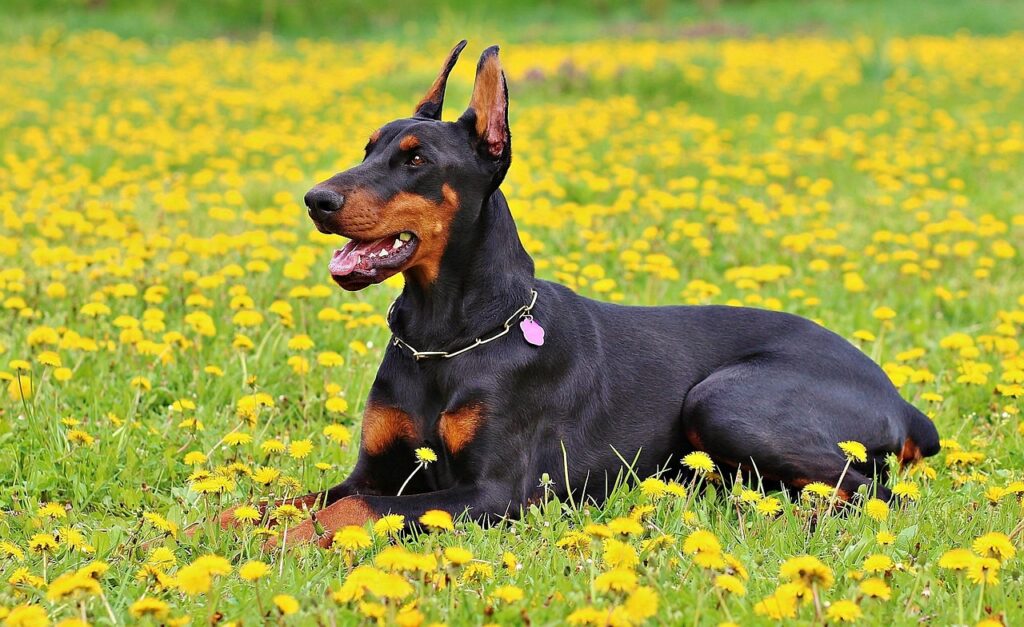
Dobermans are one of the breeds most strongly associated with dilated cardiomyopathy, a disease in which the heart muscle weakens and may trigger heart failure or dangerous arrhythmias. The frightening part is that some dogs show few outward symptoms before collapse.
Owners of Dobermans should discuss heart screening with their veterinarian, especially as the dog reaches adulthood and middle age. Regular cardiac exams, ECGs, Holter monitoring, and echocardiograms may help detect problems earlier.
#2 Boxer

Boxers are affectionate, playful, and full of life, but they are also known for certain inherited heart problems. Arrhythmogenic right ventricular cardiomyopathy, sometimes called Boxer cardiomyopathy, can lead to fainting, irregular heartbeat, or sudden death.
Not every Boxer develops heart disease, but owners should be alert to fainting, exercise intolerance, coughing, weakness, or sudden collapse. Early testing can make a major difference in managing risk.
#3 Great Dane
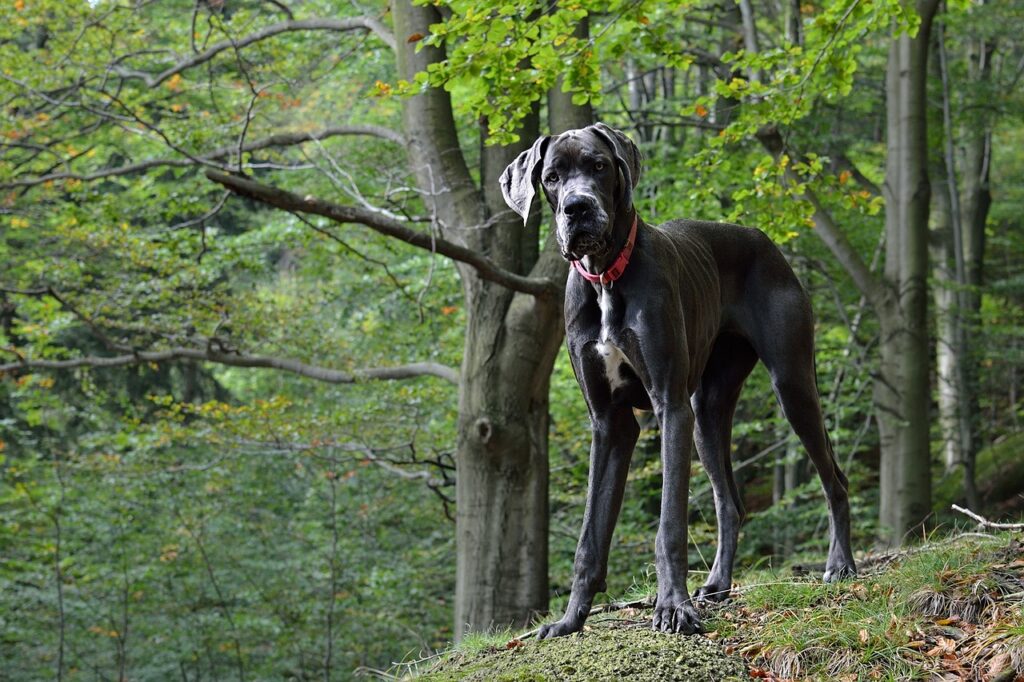
Great Danes are gentle giants, but their large size comes with health vulnerabilities. They are among the breeds at risk for dilated cardiomyopathy, which can progress quietly before symptoms become obvious.
Great Danes are also at risk for bloat, or gastric dilatation-volvulus, a life-threatening emergency that can become fatal quickly. Owners should know the signs of abdominal swelling, retching, restlessness, and sudden distress.
#4 Irish Wolfhound
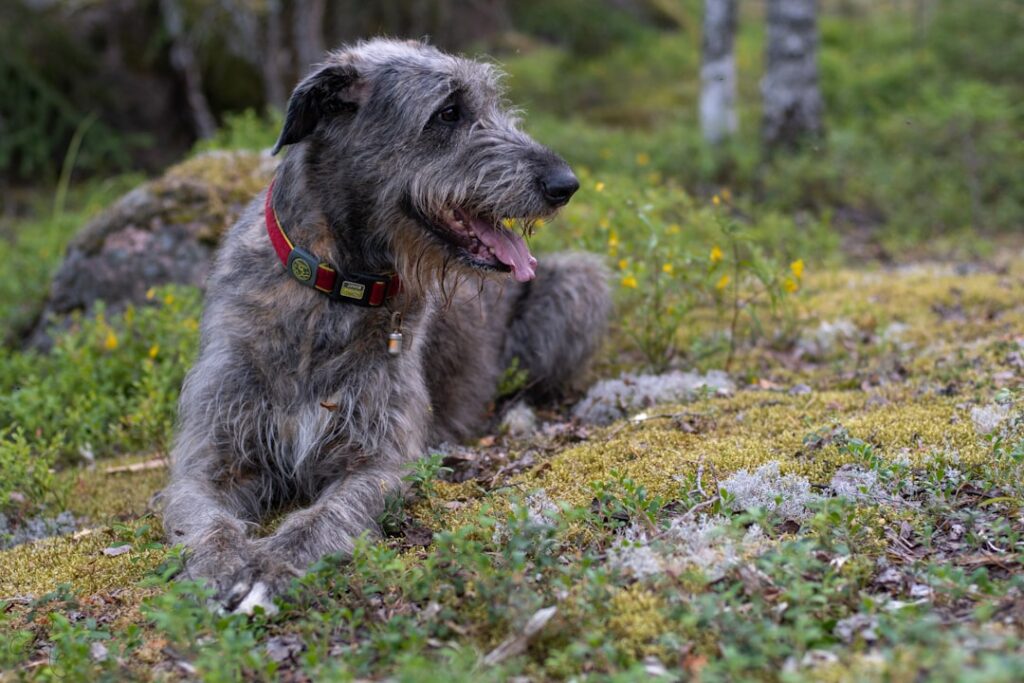
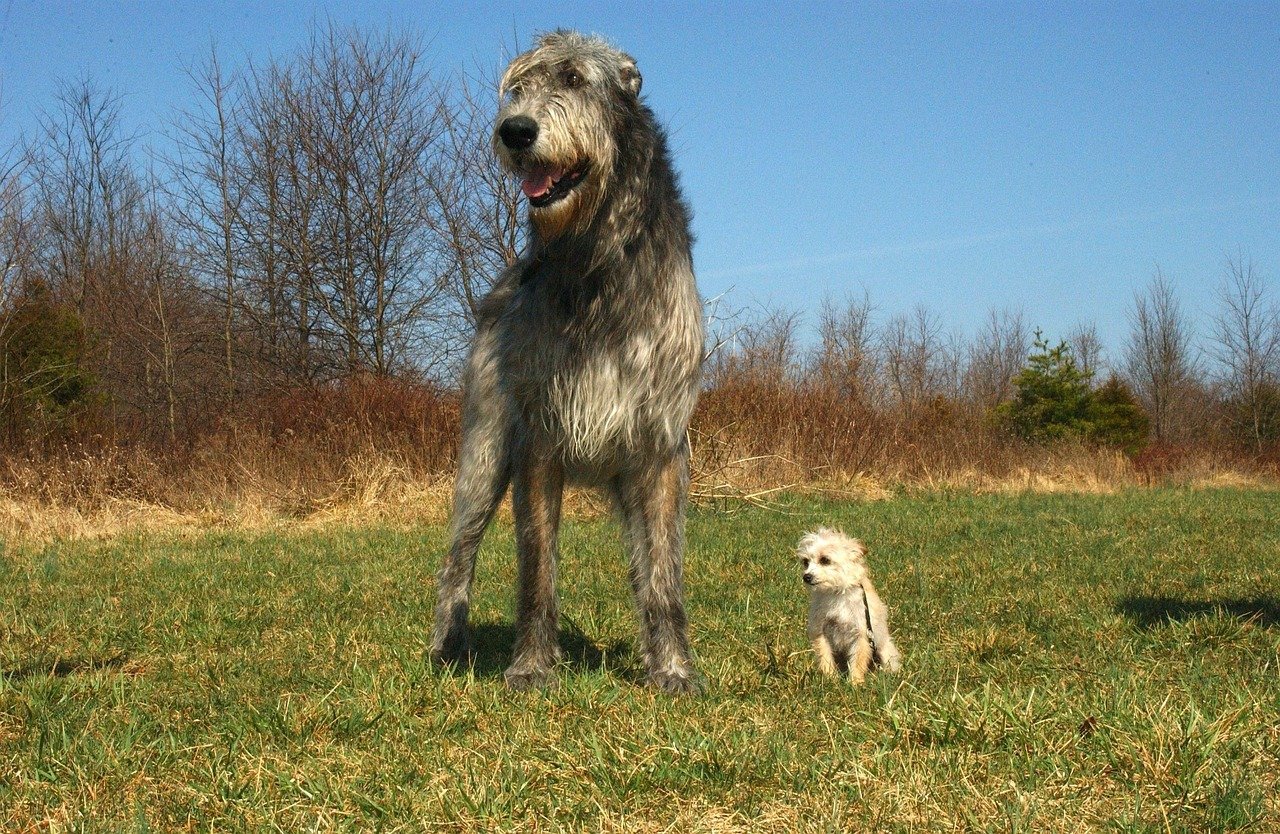
Irish Wolfhounds are majestic, sensitive, and deeply loving dogs, but they are another giant breed prone to serious heart disease. Their size places extra demands on the cardiovascular system.
Routine veterinary monitoring is especially important for this breed. Because giant breeds may hide weakness until disease is advanced, subtle changes in stamina or breathing should never be ignored.
#5 Cavalier King Charles Spaniel

Cavaliers are beloved for their sweet, affectionate personalities, but they are strongly associated with mitral valve disease. This condition can eventually lead to heart failure, especially as dogs age.
Owners should monitor for coughing, reduced stamina, faster breathing at rest, or reluctance to exercise. Early detection and medication can help many Cavaliers maintain quality of life for longer.
#6 Newfoundland

Newfoundlands are gentle, loyal, and famously sweet-natured, but they are also among large breeds at risk for dilated cardiomyopathy. Their massive bodies require a strong, healthy heart to support daily activity.
Owners should keep them at a healthy weight and avoid ignoring fatigue, weakness, coughing, or fainting. Regular checkups are especially important because heart disease can be quiet in the early stages.
#7 Saint Bernard
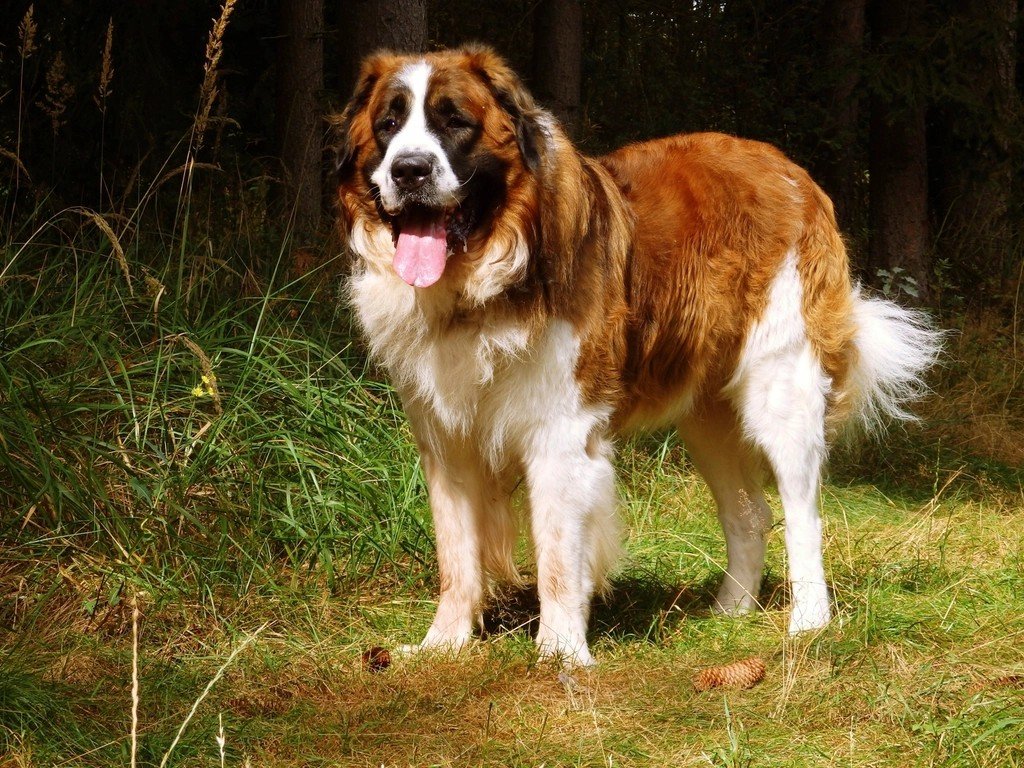
Saint Bernards are another giant breed with increased risk for heart disease and other serious conditions. Their calm personalities can sometimes make early weakness seem like normal laziness.
Because these dogs are so large, small health changes can become serious quickly. Owners should pay close attention to breathing, appetite, mobility, and energy levels.
#8 German Shepherd
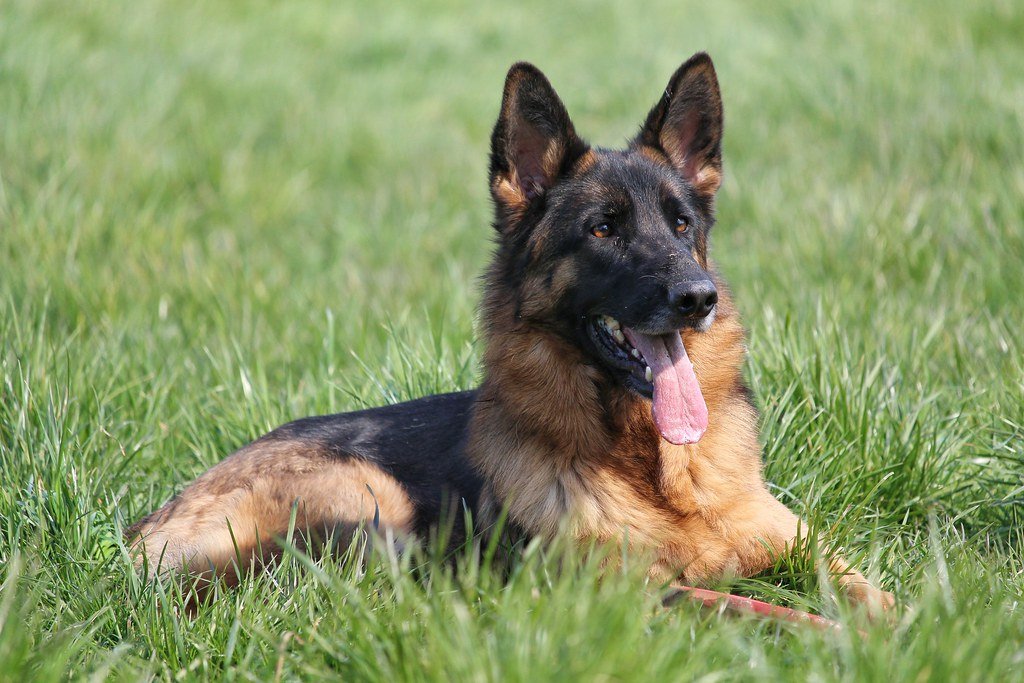
German Shepherds are strong, intelligent, and athletic, but they can be affected by heart disease, bloat, and other serious health emergencies. While not every German Shepherd is high-risk, the breed appears among those noted for DCM susceptibility in veterinary references.
Owners should seek veterinary help immediately for collapse, unproductive retching, sudden weakness, pale gums, or labored breathing. Fast action can be lifesaving in emergencies.
#9 Golden Retriever

Golden Retrievers are not usually the first breed people associate with sudden death, but they can face serious cancer and cardiac risks. Some may develop pericardial effusion, where fluid builds around the heart and can cause sudden collapse.
Because Goldens are often cheerful even when unwell, owners should not dismiss unexplained lethargy, weakness, fainting, or sudden breathing difficulty. Their happy nature can sometimes mask serious illness.
#10 Labrador Retriever

Labradors are generally sturdy, popular family dogs, but they are not immune to serious heart disease, obesity-related strain, heat stress, or sudden medical emergencies. Veterinary references include Labrador Retrievers among breeds that may be at risk for DCM.
Labs are also food-driven, which means weight management is crucial. Keeping them lean, active, and regularly checked can reduce several major health risks.
This list should not frighten people away from these breeds. It should encourage responsible ownership. Many dogs from these breeds live wonderful, active, deeply loved lives. But love must include awareness.
In my opinion, the worst mistake owners make is assuming a young-looking, playful, or energetic dog cannot have a hidden condition. Dogs often hide weakness beautifully. Regular veterinary screening may feel routine, but for certain breeds, it can be the difference between a preventable tragedy and many more years together.


