

You’ve probably noticed how your dog transforms the moment you reach for the leash. That instant spark in their eyes, the excited wiggle, the barely contained joy. It’s more than just anticipation of a bathroom break or physical activity. Something deeper is happening here, something that speaks to your dog’s emotional well-being in ways we’re only beginning to fully understand.
Research shows that roughly three quarters of people reported improved moods after walking their dogs, which is fascinating because it reveals a two-way street of emotional benefit. What if I told you that the same mood boost you’re experiencing is mirrored, maybe even amplified, in your furry companion? Let’s dive into why that daily stroll matters far more than you might think.
The Brain Chemistry Behind Those Happy Tail Wags

When your dog steps outside for a walk, their brain undergoes a remarkable chemical transformation. Regular walks and physical activity trigger the release of chemicals such as dopamine and serotonin, which boost mood and reduce stress. Think of it as nature’s own antidepressant, flowing freely through your dog’s system with every step they take.
Here’s what really caught my attention: heading outside with your doggy companion helps to boost the brain chemical GABA (Gamma-aminobutyric acid), which helps calm us down. GABA acts like a gentle brake on the nervous system, helping your dog feel more relaxed and centered. This isn’t just about burning calories or stretching legs.
Exercise can improve mood almost immediately and it not only greatly improves physical health but can improve mental health as well. I’ve watched countless dogs go from anxious pacing to peaceful contentment within minutes of starting a walk. That shift isn’t coincidence. It’s biochemistry at work.
Sniffing Is Not Just a Side Quest
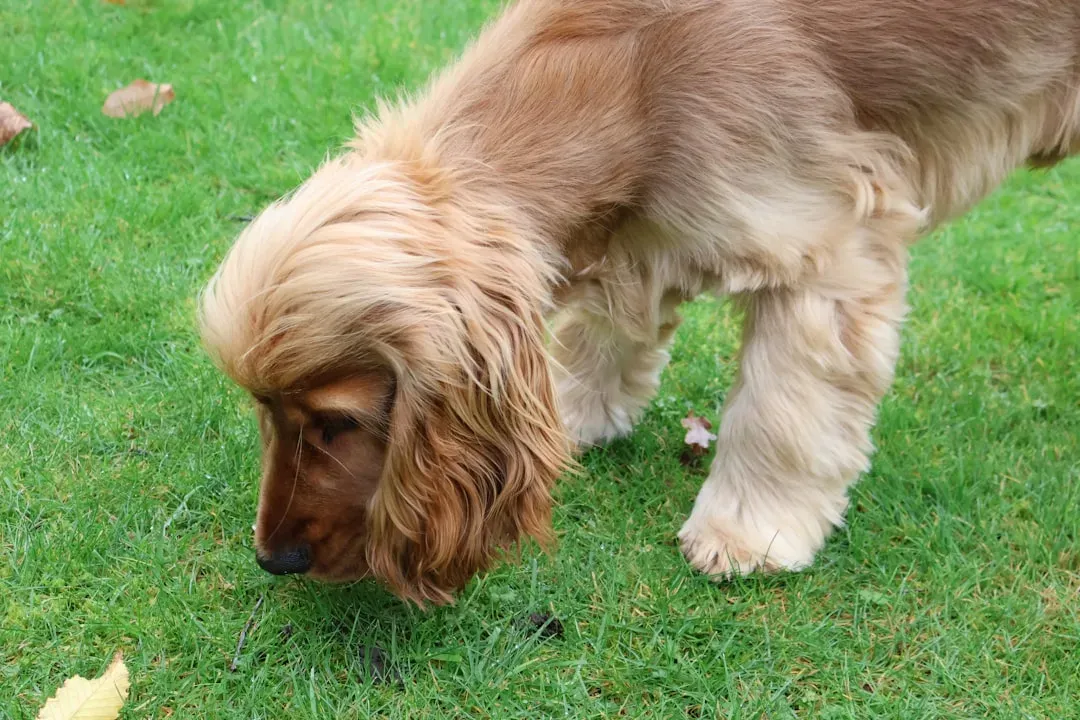
Sniffing lowers heart rate, reduces stress, and mentally exhausts your dog in the best way possible. Let’s be real, we often rush our dogs along during walks, tugging them away from that fascinating lamppost or interesting patch of grass. Yet those moments when your dog’s nose is working overtime? That’s when the magic happens.
Dogs find sniffing, chewing, shredding, and licking all soothing and stress reducing, and these activities lower canine cortisol levels. Cortisol is the stress hormone, and when it’s elevated for too long, it can lead to behavioral issues and health problems.
Sniffing is calming for dogs, it’s how they process the world around them. Every scent tells a story. Who walked by earlier? What dogs were here? What critters scurried through the grass? For your dog, this information is as compelling as scrolling through social media is for us.
I think we underestimate how mentally stimulating a good sniff session can be. You can increase the enjoyment your dog gets out of each walk by allowing them to sniff uninterrupted without rushing them along, allowing them to choose which way to go, and walking in new or varied locations.
Nature’s Therapy Session
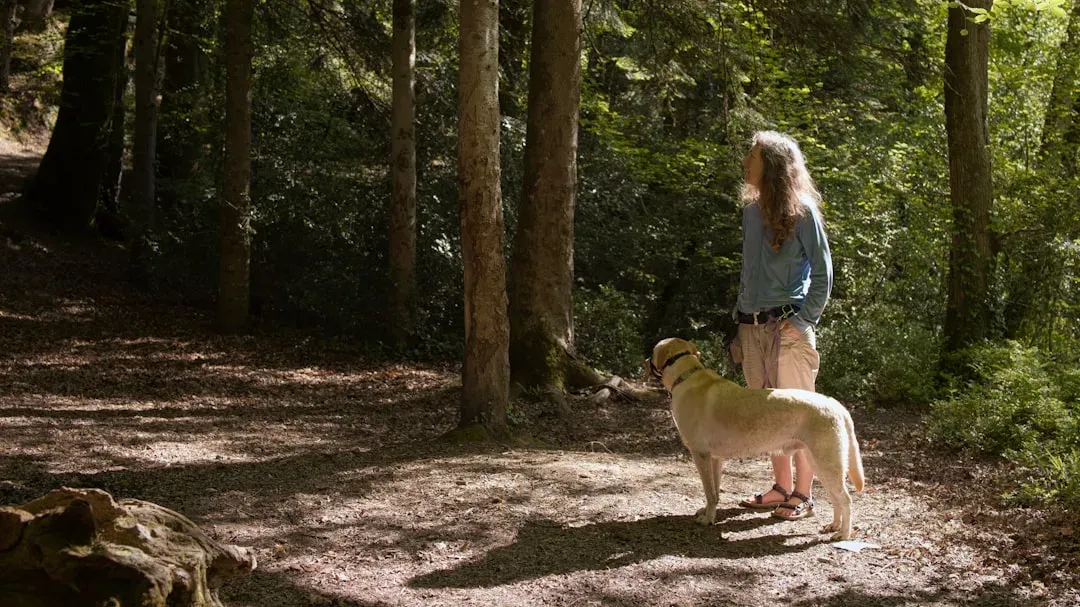
Exposure to green spaces has been cited as a positive contributor to mental health, in addition to the benefits of physical activity. Even a short walk through a park or along a tree-lined street offers your dog sensory experiences that an indoor environment simply cannot replicate.
As little as ten minutes in a natural setting can help us feel happier and lessen the effects of both physical and mental stress. This applies to our dogs too. The sights, sounds, and smells of the outdoors provide what experts call environmental enrichment.
Dog walking potentially combines a number of elements all known to improve mental health: exercise, purposeful activity, emotional connection, social contact, and time spent in nature. It’s like a multivitamin for your dog’s emotional health, all rolled into one activity.
Breaking the Stress Cycle
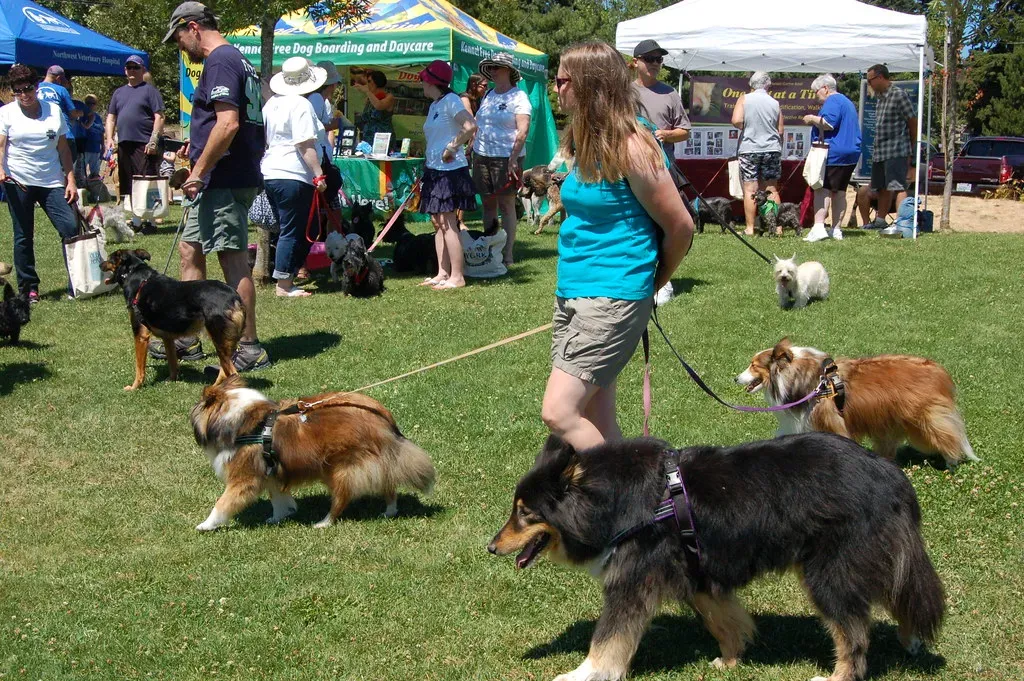
Dogs with consistent routines and positive interactions generally exhibit lower cortisol levels, as these factors provide stability and reduce stress through a predictable daily structure including regular feeding times, exercise schedules, and rest periods. Your daily walk isn’t just exercise. It’s predictability, security, and structure all at once.
When dogs experience chronic stress without relief, overwhelming and overstimulating experiences can result in significantly increased cortisol levels, which can then cause all kinds of stress-related behavior such as hyperactivity, reactivity, compulsive behaviors, and even increased aggression. The good news? Regular exercise and human interaction reduce cortisol levels in dogs, and dogs who had more frequent contact with humans exhibited lower cortisol levels.
Cortisol typically takes around 60 minutes to drop its level of concentration by half. So when your dog encounters something stressful on a walk but then continues exploring and sniffing, they’re actively working through that stress response. You’re giving them the tools to cope.
I know it sounds crazy, but your presence during walks matters enormously. Research reveals an interspecific synchronization in long-term stress levels between dogs and owners, and dogs to a great extent mirror the stress level of their owners. Your calm, relaxed demeanor during walks helps regulate your dog’s emotional state too.
Building Confidence One Step at a Time

Positive emotions in dog walkers can be produced by their perception that the dog they are walking is enjoying themselves, and this finding indicates that the human-dog bond may be key for maximizing the psychological benefits of dog walking. When you watch your dog successfully navigate a new environment or overcome a fear, you’re witnessing confidence building in real time.
Varied walks expose your dog to different sights, sounds, smells, and situations. Each novel experience that goes well becomes a deposit in their confidence bank. Maybe today it’s walking past a construction site without reacting. Tomorrow it might be calmly greeting a new person.
Enrichment means giving your dog opportunities to express natural behaviors which is crucial to their physical and emotional welfare, and enrichment strengthens the bond between you and your dog. Those walks aren’t just maintenance activities. They’re relationship-building moments where trust deepens with every shared adventure.
Watch for signs that your dog is gaining confidence: ears forward instead of pinned back, tail at a neutral or happy position, willingness to explore new areas, and quicker recovery from startling events. These behavioral cues tell you that your walking routine is working its mood-boosting magic.
Conclusion

Here’s the thing: your dog’s daily walk is so much more than a checkbox on your to-do list. It’s a complex symphony of brain chemistry, stress relief, confidence building, and emotional connection all happening simultaneously. Every sniff, every new sight, every moment spent moving through the world together contributes to your dog’s mental and emotional wellbeing in profound ways.
The leash in your hand isn’t just a tool for control. It’s a lifeline to better mood, lower anxiety, and deeper happiness for your four-legged friend. So next time your dog does that excited dance at the sight of their leash, remember that they’re not just asking for exercise. They’re asking for something their soul needs. What’s your dog’s favorite spot on your walks? I’d love to hear about the places that make their tail wag the hardest.


