
Have you ever watched your dog sleep, legs gently paddling, nose twitching, a soft little whimper escaping their lips, and wondered what on earth is going on inside that fuzzy head? Most of us smile, maybe grab our phones for a quick video, and move on. But honestly, there is so much more happening in those quiet, curled-up moments than we give our dogs credit for.
The inner life of a dog, especially during sleep, is a subject that scientists have been piecing together for years. The evidence is building, and it is nothing short of astonishing. If you have ever loved a dog, the discoveries ahead just might change the way you see your pup forever. Let’s dive in.
Yes, Your Dog Really Does Dream – and Science Proves It
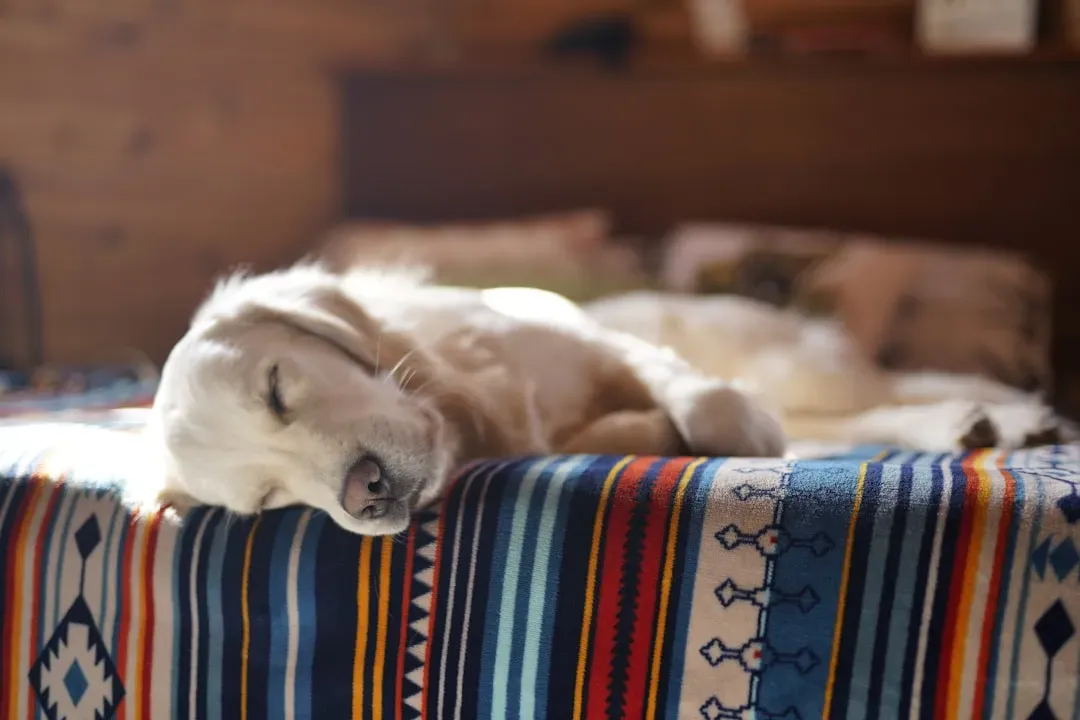
Here’s the thing a lot of people still wonder about: do dogs actually dream, or is it just muscle twitching? The science is pretty clear on this. Humans and dogs experience both stages of the sleep cycle, and since the sleeping brains of dogs and people go through similar stages of electrical activity, scientists conclude it is safe to assume that dogs dream. Scientific research demonstrates comparable brain wave patterns in both humans and dogs.
During sleep, dogs have the same two stages of brain wave patterns as people: a slow, steady wave pattern of quiet, still sleep and a fast, irregular wave pattern of REM sleep, when the mind is more active and the eyes dart rapidly beneath the eyelids. Think of it like a cinema playing inside their minds every single night.
One landmark study from MIT explored how animals dream by monitoring the brain activity of rats during both waking and sleeping hours. When rats ran through mazes during the day, their brain patterns matched up almost perfectly with patterns recorded during REM sleep. Scientists concluded that rats, and by extension, dogs, likely dream about their daily activities.
So when your dog runs or barks softly in their sleep, they may be replaying a familiar scene, like chasing a ball or playing with you in the yard. That is not random noise. That is memory in action.
What Dogs Actually Dream About Will Melt Your Heart
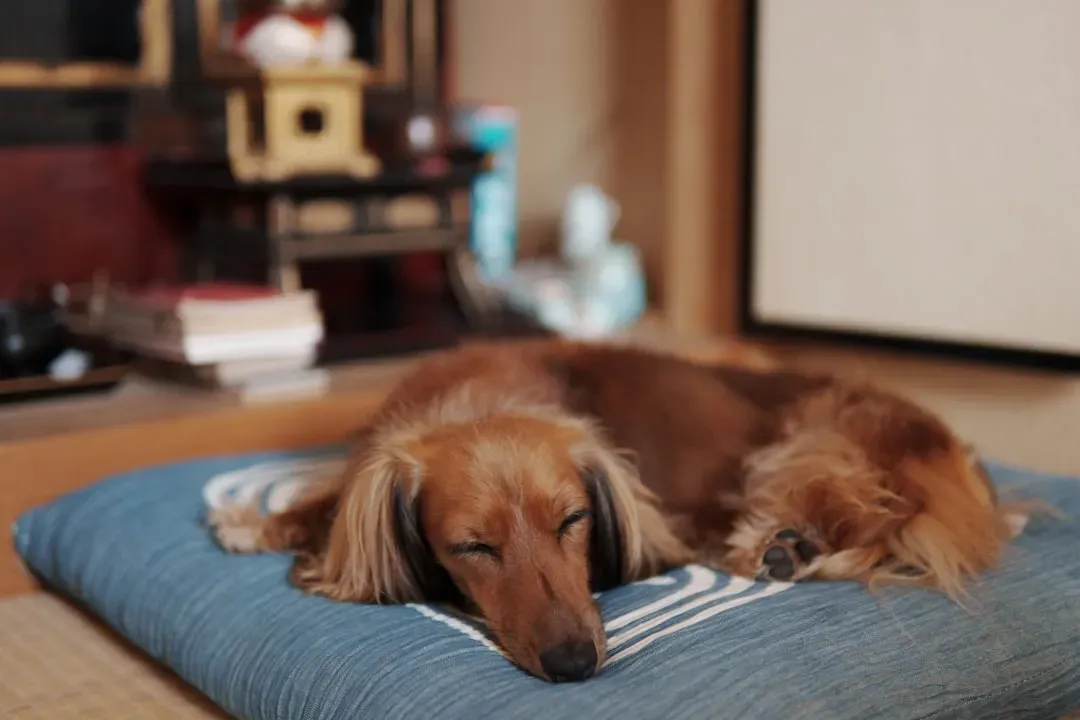
So, what exactly fills a dog’s dream world? Dogs’ dreams are believed to be related to their daily activities, such as playing, chasing, or interacting with their owners. The hippocampus, which is critical for memory formation, replays experiences during sleep, suggesting that dogs might dream about familiar and emotionally significant events.
Researchers found that a dreaming Pointer may immediately start searching for game and may even go on point, while a sleeping Springer Spaniel may flush an imaginary bird in their dreams. So breed matters too, which I find genuinely fascinating. A dog’s instincts do not just shape their waking life; they shape what they dream about as well.
If you have ever been lucky enough to witness one of those slumbering one-dog shows, you have probably found yourself wondering what exactly they are dreaming about. According to experts, your pup is probably dreaming about you. That right there is worth pausing on.
When it comes to how often dogs dream, size matters. Small dogs like Chihuahuas tend to dream more often during one night, with a new dream about every ten minutes, than large dogs. Puppies and senior dogs dream more often than middle-aged dogs.
Your Dog’s Brain Is Far More Emotionally Complex Than You Think
![Your Dog's Brain Is Far More Emotionally Complex Than You Think (By fir0002 flagstaffotos [at] gmail.com
Canon 20D + Tamron 28-75mm f/2.8, GFDL 1.2)](https://nvmwebsites-budwg5g9avh3epea.z03.azurefd.net/doggodigest/29ceeaffd1f30e2e12cb088c1c8b4dca.webp)
Canon 20D + Tamron 28-75mm f/2.8, GFDL 1.2)
Let’s be real, we have all been guilty of thinking our dogs are just sweet, simple creatures who want food and cuddles. The truth is a little more profound. The canine brain, though smaller than the human brain, shares many similarities in structure and function. Key areas involved in memory, emotion, and cognition, such as the hippocampus, amygdala, and cerebral cortex, are present in both species. These similarities have led scientists to hypothesize that dogs may experience mental processes akin to human imagination and dreaming.
Functional MRI scans now let scientists observe how dogs’ brains respond to sounds, smells, and human interaction in real time. Studies show that dogs’ reward centers light up when they hear a familiar human voice, providing direct evidence of their emotional attachment and cognitive processing. Your voice alone is neurologically meaningful to your dog. That is extraordinary.
A dog’s nose dominates their brain; in fact, the part of the brain dedicated to detecting and processing odor is forty times greater in a dog than in a human. The dog’s brain is literally built around the information it gets from smelling things, and as smell is so closely linked to emotions, this provides evidence that the dog’s emotional experience might be even greater than we can imagine.
Where we see an empty park, a dog perceives a rich, detailed history written in scent. They can tell who was there, their emotional state, where they went, and even how long ago they left. Think of it as their version of reading the morning paper, scrolling through social media, and checking the weather report, all in a single, deep inhale.
Protect the Dream: Why Undisturbed Sleep Is a Health Essential
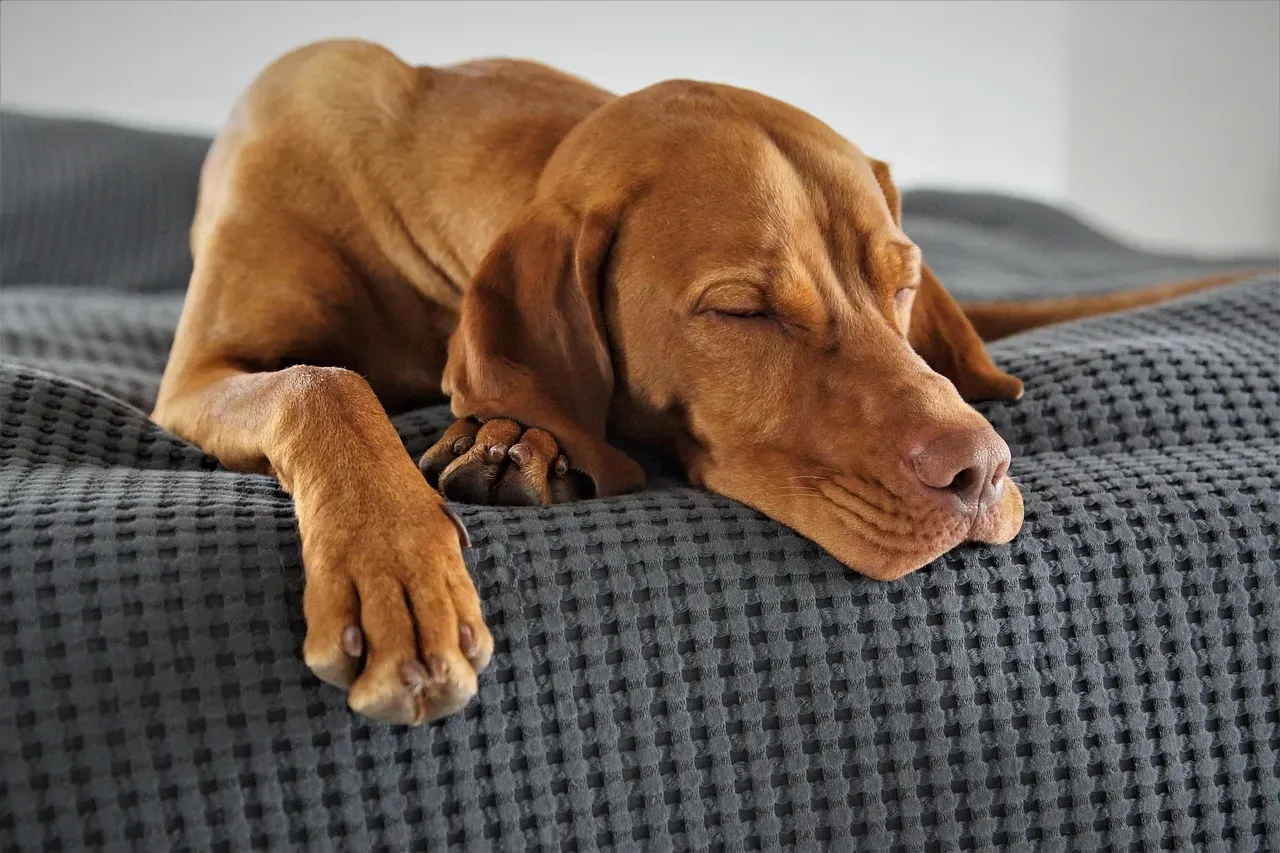
I know it can be tempting, when your dog is whimpering during a dream, to gently nudge them awake. Resist that urge. Scientists believe that sleep plays a big role in memory consolidation, helping all of us retain information about what is significant in our lives while storing that as long-term memories. Routinely waking your sleeping dog could hinder their ability to learn, and make them grumpy.
You may be tempted to wake your dog from a dream, especially if it looks like a nightmare. However, dogs cannot control their actions in REM sleep, and if woken abruptly, they may bite. Roughly six percent of dog bites occur while a dog is sleeping or when woken abruptly. It is best to let the dream play out and allow your dog to wake up on their own.
It would not be too much of a stretch to suggest that lack of sleep is similarly stressful for our canine companions as it is for us. Below average sleep levels are linked with anxiety, aggression, decreased response to reward, lower frustration tolerance, and low resilience.
On average, adult dogs sleep between twelve and fourteen hours per day. Puppies and older dogs may sleep up to eighteen to twenty hours daily. That is not laziness. That is biology doing exactly what it should.
How a Richer Day Creates Richer Dreams – and a Happier Dog
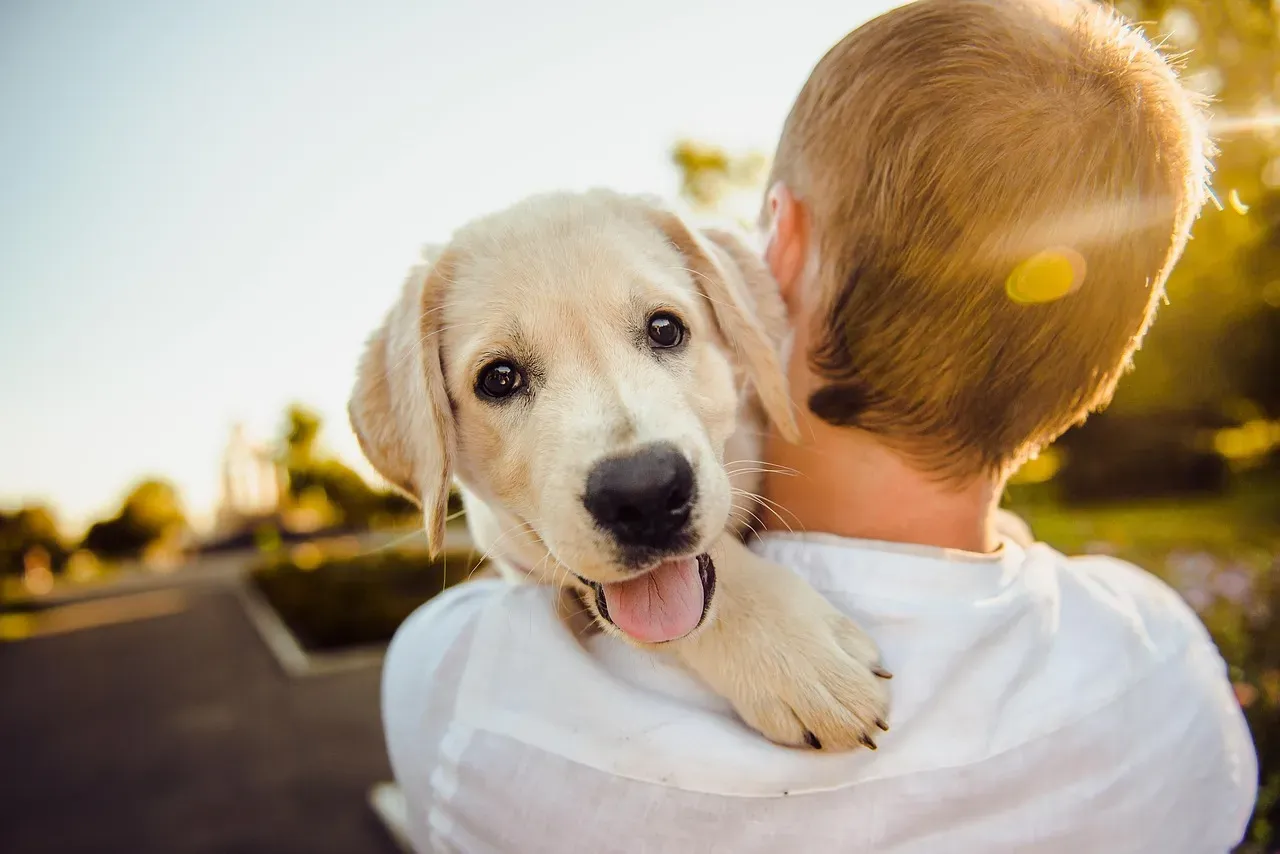
Here is a thought that really ties it all together: the quality of your dog’s dreams is directly connected to the quality of their day. After a day of physical activity and mental challenges, your dog’s body and mind will naturally crave rest, leading to deeper, more restorative sleep. Consistent activity, both physical and mental, helps maintain a regular sleep-wake cycle.
Enrichment activities tap into a dog’s natural instincts, such as foraging, exploring, and problem-solving, which can lead to reduced stress, decreased behavioral issues, and a happier, healthier pet. Think of a snuffle mat or a puzzle feeder as not just a toy, but a gift to your dog’s dreaming mind.
Mental enrichment does not always have to be complicated. Simple activities like hiding treats, teaching new tricks, or providing puzzle toys can keep your dog’s mind sharp and engaged. Even a new route on a familiar walk can light up your dog’s brain in fresh and meaningful ways.
Persistent restlessness, excessive sleeping, or sudden changes in sleep patterns can sometimes indicate underlying health concerns such as pain, anxiety, or thyroid imbalances. Your vet can rule out medical issues and help you determine whether the cause is behavioral, environmental, or physical. Always trust your gut as a dog parent. You know your dog better than anyone.
A Final Thought Worth Sleeping On
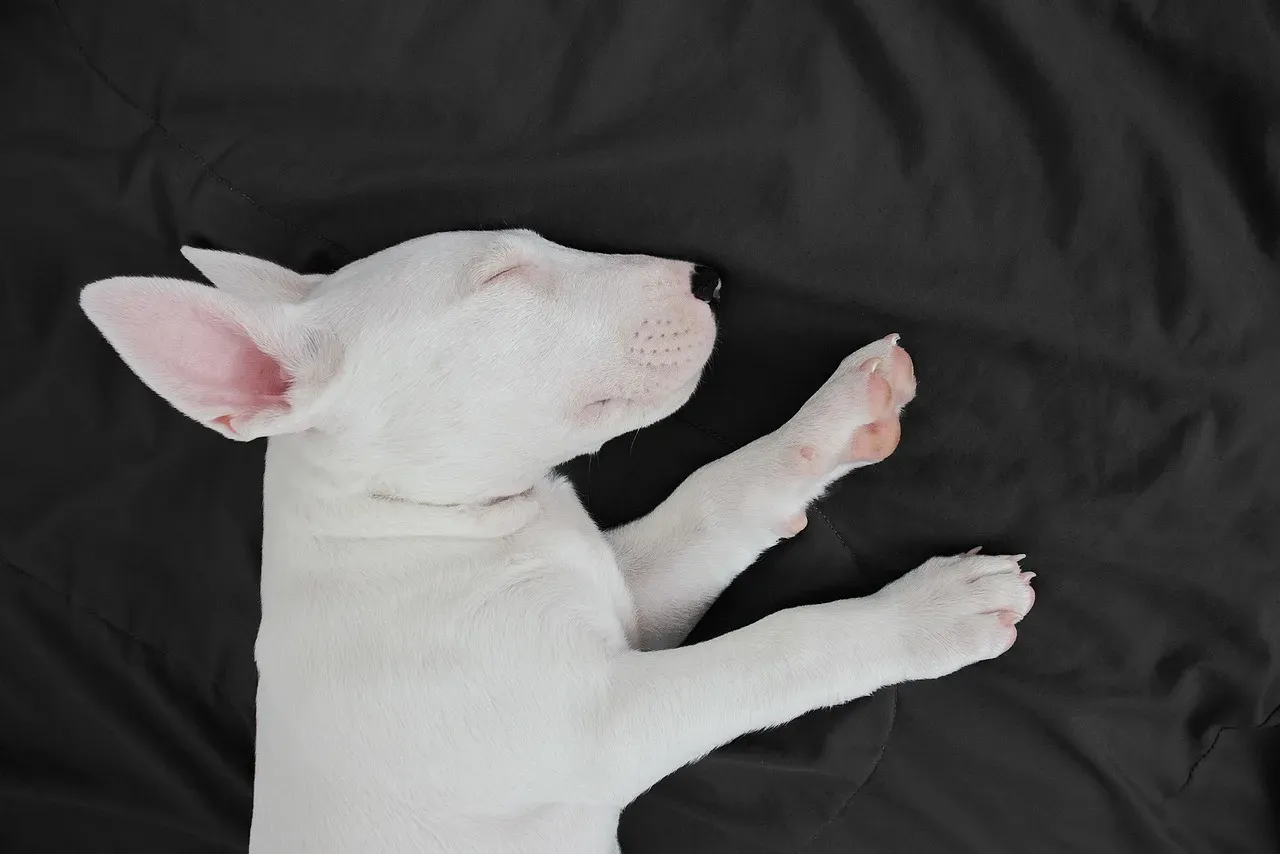
When your dog curls up tonight, feet twitching, nose busy with invisible adventures, know this: they are not just resting. They are processing love, replaying joy, and living out the emotional richness of a life deeply tied to yours. Dogs are far more than loyal companions. They are intelligent, emotional, and socially complex beings with brains uniquely adapted to perceive, learn, and bond. From the incredible power of their sense of smell to their ability to read our emotions, dogs experience the world in ways we are only beginning to understand.
The best thing you can give your dog is a day worth dreaming about. More walks to new places, new smells, new puzzles, moments of genuine connection. Because on the other side of all that richness is a dog sleeping deeply, dreaming vividly, and feeling, in every twitch and quiet bark, entirely loved.
So here is something to sit with: if your dog could tell you what they dream about most, what do you think they would say? We’d love to know your thoughts in the comments below.


