
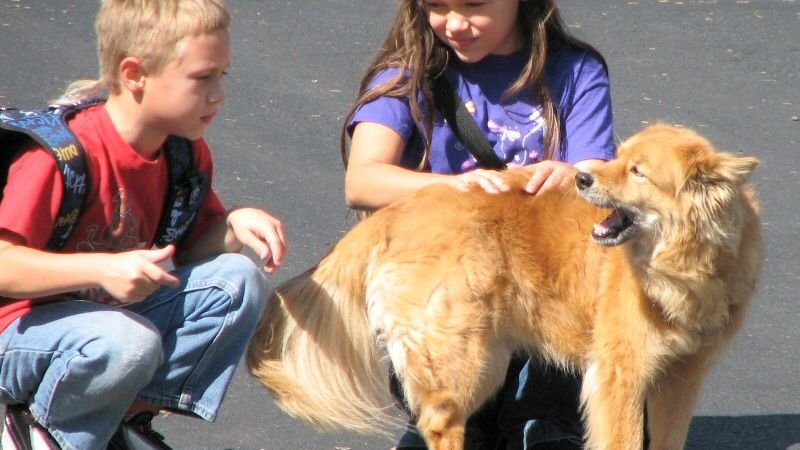
Picture this: your dog runs up to you, tail wagging like crazy, and you think, “Oh, he’s so happy to see me!” It feels like the most natural conclusion in the world. We’ve all been there. The problem? That interpretation might be completely wrong.
The tail wagging behavior of a dog may not always be an indication of its friendliness or happiness, as is commonly believed. Tail wagging can also express fear, insecurity, a challenge of dominance, or even a warning that the dog may bite. That’s a lot more complexity packed into one little tail motion than most people ever realize. Dogs are rich emotional creatures, and they are speaking to us constantly, in a language we’ve barely begun to study.
The good news? You can learn to listen. Once you start reading your dog’s real signals, everything changes. Your relationship deepens. Your dog feels safer. The miscommunications shrink. So let’s get into it.
The Tail Is Not a Happiness Meter
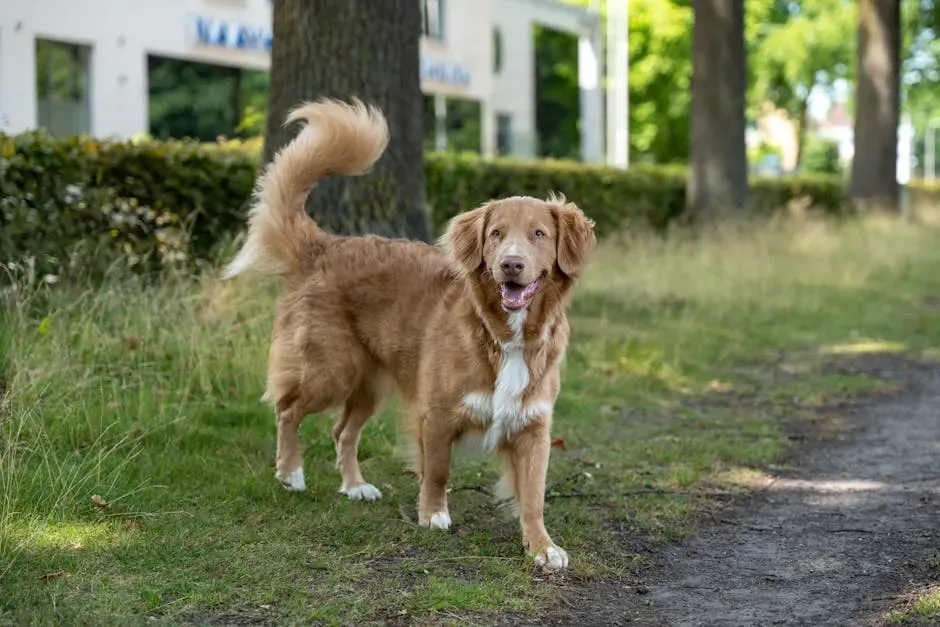
Here’s something that might genuinely surprise you. Most dog owners believe tail wagging equals joy, full stop. It’s practically cultural mythology at this point. But honestly, thinking that way is a bit like assuming every human smile means genuine happiness. Sometimes people smile because they’re nervous. Sometimes dogs wag for the very same reason.
When a dog experiences a particular feeling, the brain sends signals to the muscles at the base of the tail, causing it to move in a specific way. Research has shown that dogs tend to wag their tails to the right when experiencing positive emotions and to the left when feeling negative or uncertain. Think about that for a moment. The direction alone carries an emotional message that most of us have never once thought to observe.
Not all tail wags are the same, and the speed, position, and direction of the wag provide valuable clues about what a dog is feeling. A wide, loose wag at a mid-body level is your dog’s equivalent of a relaxed, open smile. A slow wag combined with a stiff posture may indicate uncertainty or nervousness, suggesting that the dog is assessing a situation before reacting.
Dogs experiencing emotional conflict may begin to wag their tails rapidly as a reflection of their discomfort. Tail wags are often misinterpreted to mean that the dog is “friendly” and wants to engage, when the dog may be trying their best to find a way to end the interaction. In some cases, this miscommunication ends with physical confrontations such as snaps or bites. This is a genuinely important point. Misreading that wag isn’t just an emotional mistake. It can be a safety issue.
Reading the Full Picture: Body Language Beyond the Tail
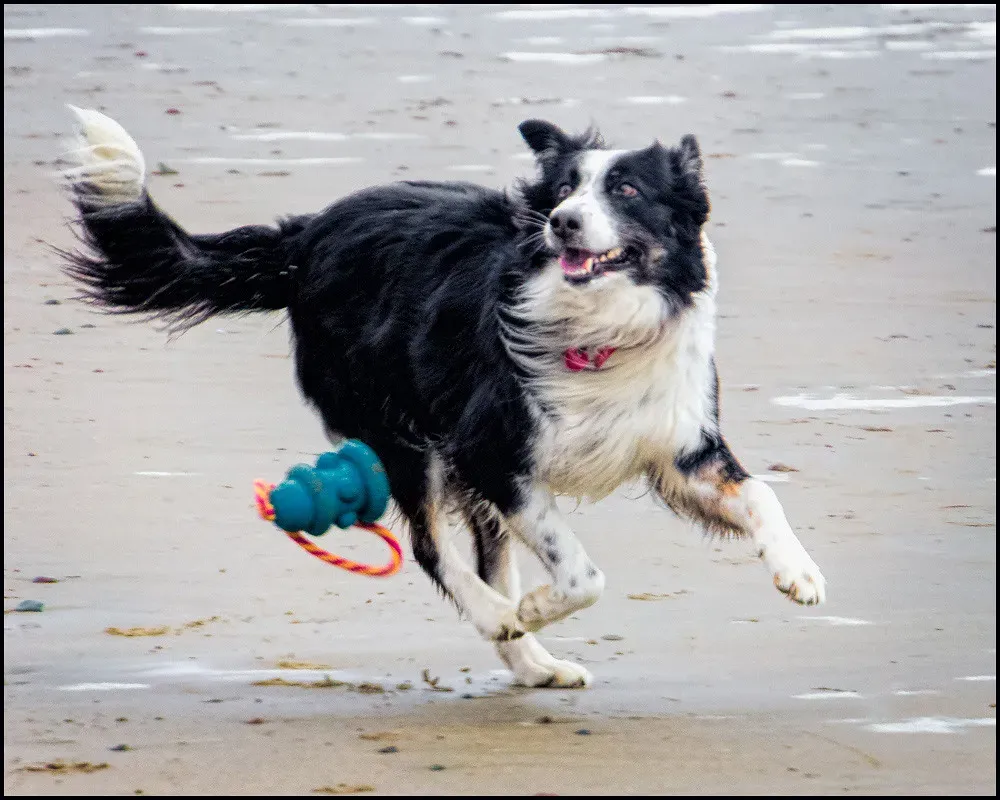
Let’s be real, the tail is just one chapter in a much longer book. Lacking a verbal vocabulary, dogs communicate broader messages with body language. They might adjust their posture, move their ears, furrow their brow, shift their gaze, or wag their tails. Every single one of those signals matters, and they matter most when you read them together.
Happy, relaxed tail wagging is usually accompanied by a happy facial expression. A happy dog usually has bright eyes, a relaxed open mouth, and possibly a gentle pant. Now contrast that with a dog whose tail is wagging but whose body is stiff, mouth is closed, and eyes look hard. Those are two very different conversations.
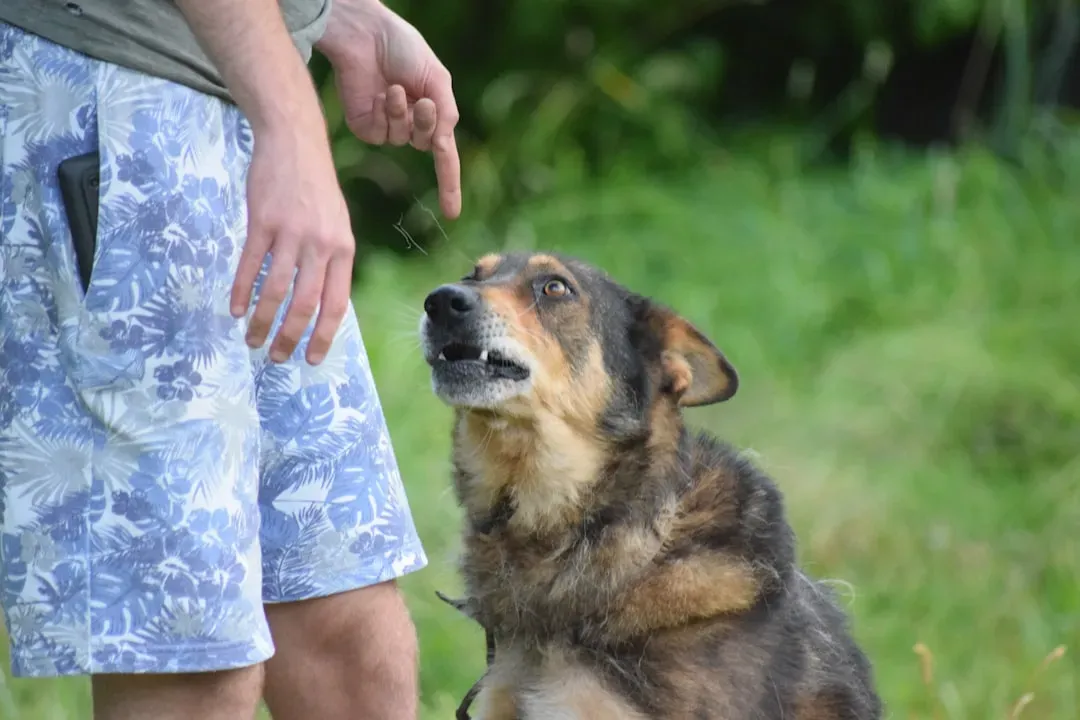
When looking at a dog’s eyes, pay attention to the white part of the eye (the sclera), and consider the focus and intensity of the gaze. When a dog is feeling tense, his eyes may appear rounder than normal, or they may show a lot of white around the outside, sometimes known as “whale eye.” Dilated pupils can also be a sign of fear or arousal and can make the eyes look “glassy.”
Your dog’s ears can tell you a lot about how they are feeling. If their ears are perked up and facing forward, it suggests they’re interested or alert. Ears that are flat against the head could be a sign of anxiety or a fearful dog. If their ears are tightly pinned back, giving them some space might be a good idea, as it could indicate discomfort or even potential aggression. Think of your dog as someone speaking in full sentences. The tail is one word. The ears are another. The eyes, the posture, the mouth – they all form the complete message.
Stress Signals You’ve Probably Been Misreading

I think this is the section that surprises dog owners the most, because many common stress signals actually look pretty ordinary. You might even find them endearing. That yawn your dog lets out when you hug him? The little lip lick before a stranger reaches down to pet her? Those aren’t random. They’re urgent messages.
There are entire books written on dog body language and “calming signals,” a term developed by Norwegian dog trainer Turid Rugaas. Rugaas realized that dogs have more than 30 ways to avoid stressful situations and try to calm themselves. When dogs exhibit these behaviors, they’re trying to diffuse the situation or tell you or another dog that they aren’t a threat.
Stress signs to look for include whale eye, tucked ears or tail, raised hackles, lip-licking, yawning, and panting. These can show up anywhere: at the vet, at a noisy birthday party, or even during what you think is a cozy cuddle session. It’s easy to forget that what we think is affection, like hugging, might not feel the same way to our furry companions. While we hug them out of love, many dogs can feel confined and stressed by this gesture.
Panting after fetch is normal. Panting in a quiet room could mean stress. Yawning in bed just signals being tired. Yawning during a hug might indicate stress. Context is everything. The same behavior can mean two completely opposite things depending on what’s happening around your dog. If we miss those early lip licks and stress yawns, our dogs may feel like they have to speak louder. That’s why recognizing the early warning zone matters, because once a dog reaches the point of growling, barking, baring teeth, or snapping, they’re not being “bad.” They’re overwhelmed, and they’ve likely been trying to tell us for a while.
When Fear Wears a Friendly Face
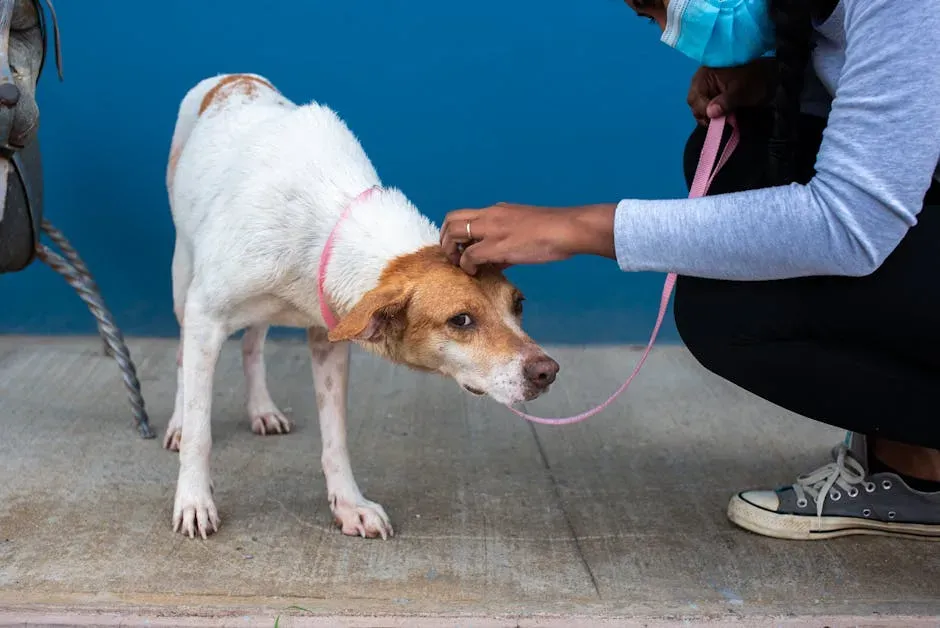
This is where things get particularly tricky. Fear in dogs doesn’t always look like cowering and trembling in a corner. Sometimes a fearful dog looks friendly. Sometimes they approach you with a wagging tail, only to bite seconds later. It sounds alarming, but it makes complete sense once you understand the emotional conflict going on inside.
When the wagging tail goes below half-mast, the dog is likely feeling fearful and defensive. The lower the tail wag, the stronger the emotion. The low tail wag is often accompanied by a lowered body posture and, sometimes, submissive urination. This is the dog equivalent of shrinking into yourself and saying, “Please don’t come closer.”
Sadly, this appeasement behavior is often misinterpreted as an invitation for a belly rub. While some dogs may enjoy a belly rub, a low-tail wagger is likely pleading with you to go away; she feels very threatened by your proximity and is making a last-ditch effort to get you to leave her alone. I know it sounds counterintuitive. But your dog rolling over in that moment isn’t an invitation. It’s a desperate plea.
The signs of anxiety in dogs are often subtle and can easily be misinterpreted unless the full context is understood. Pay attention to whether your dog approaches and then retreats, freezes when touched, or shows a combination of friendly tail wagging with a tense, lowered body. When your dog freezes or gets stiff, they’re often stressed about something they see. In a training context, this can sometimes be seen as “submission,” but modern dog training practices tell us that the dog is actually shutting down. This can be very dangerous for both you and your dog. It’s a warning sign that the dog is so stressed that they can’t handle the situation.
How to Actually Respond When Your Dog Speaks
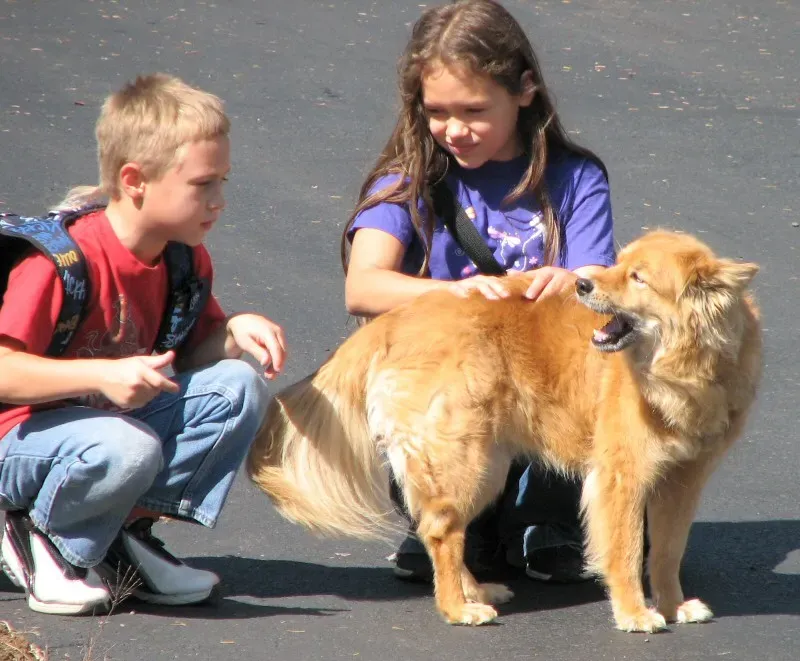
Here’s the thing. Learning to read your dog’s signals is only half the equation. The other half is knowing what to do with that information. And honestly, a lot of it comes down to one powerful thing: giving your dog the benefit of the doubt and respecting what they’re telling you.
It’s important to know your dog’s baseline. Every animal is different. Some naturally pant more, some hold their tails lower, and some yawn often. The more time you spend observing your dog in relaxed, comfortable situations, the easier it becomes to spot the signals that mean something is “off.” Think of it like learning someone’s resting face. Once you know what normal looks like, the abnormal becomes obvious.
To improve communication with your pet, observe overall body language, since tail wagging is just one part of canine communication. Pay attention to ear position, facial expressions, and posture. Consider the context, as the same wag may mean different things in different situations. Always assess your dog’s environment before making assumptions.
Don’t get stressed out yourself. Your dog looks to you for support and will become further stressed if they sense your anxiety. Stay calm, move slowly, and give space when needed. Some body language cues are called calming signals, which dogs use to indicate that they want to diffuse stressful situations. Your dog may demonstrate these gestures to resolve conflict due to anxiety, fear, over-arousal, confusion, the desire to be accepted, or the request to have peace. Recognizing those signals and actually responding to them by creating space, ending an interaction, or simply sitting quietly with your dog is one of the most loving things you can do.
Conclusion: Becoming Fluent in Your Dog’s Language
The more you study your dog, the more you realize how much has been going on beneath the surface this whole time. They haven’t been silent. They’ve been shouting, in their own beautiful, non-verbal way, and most of us just didn’t have the vocabulary to hear it.
Everything points to the same truth: a dog’s tail never lies. It is the dog’s “external emotional organ.” Once you learn to read it, you can truly understand what your dog is trying to express, making interactions more natural, pleasant, and full of trust.
Start small. Watch the tail position, not just the wag. Notice the eyes. Check the ears. Read the posture. Over time, it becomes second nature. If we can learn to recognize stress signals early, we can prevent escalation, build trust, and support our dogs before they feel overwhelmed.
Your dog has been trying to talk to you from day one. The question is, are you ready to truly listen? Drop a comment below and tell us, has your dog ever shown you a signal you completely misunderstood?


