
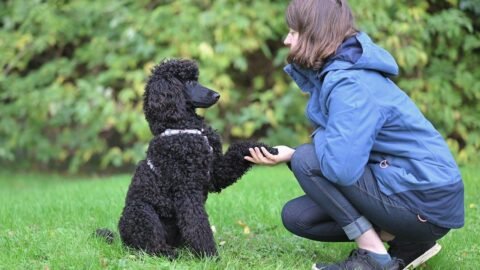
You know that sparkle in your dog’s eyes when you grab the leash? That pure, unfiltered joy isn’t just about the walk itself. It’s about what that walk represents: adventure, purpose, and connection. Here’s the thing, though. Too many of us underestimate just how transformative regular exercise is for our dogs. We think a quick trip around the block will do, or maybe we skip a day because life gets hectic. Yet behind those wagging tails and hopeful glances lies a deeper truth. Dogs are wired to move, to explore, to engage with the world around them.
When exercise becomes a consistent part of your dog’s routine, you’re not just helping them stay fit. You’re giving them an outlet for natural instincts, a way to process the world, and honestly, a chance to just be themselves. The difference between a dog who gets enough movement and one who doesn’t? It shows up everywhere, from their behavior to their health to the bond you share. So let’s dive in.
The Science Behind the Happy Pup
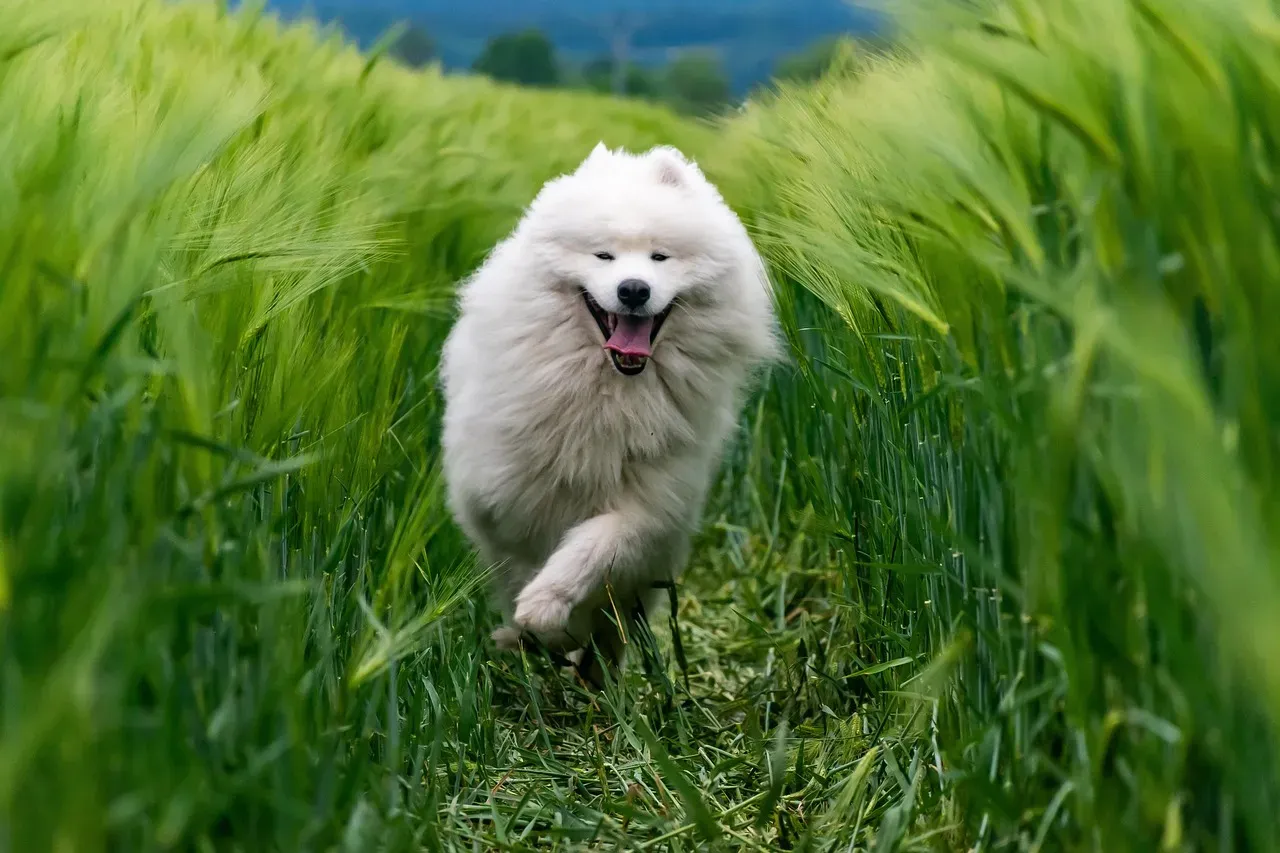
Let’s be real: exercise doesn’t just tire your dog out. Physical activity stimulates the release of endorphins – natural chemicals that create feelings of happiness. Think of it as your dog’s version of that runner’s high we all hear about. This “runner’s high” helps reduce stress and anxiety in dogs, calming restless or hyperactive behavior.
When dogs don’t get enough mental stimulation, they can develop behavioral issues like excessive barking, chewing, or digging, which are often signs of stress or anxiety. It’s hard to watch your usually calm companion suddenly turn into a frustrated ball of energy. A tired dog is a well-behaved dog, and regular fitness routines help release pent-up energy, keeping your pup focused, calm, and happy. I think we’ve all seen the proof of this in our own homes.
How Much Movement Does Your Dog Really Need
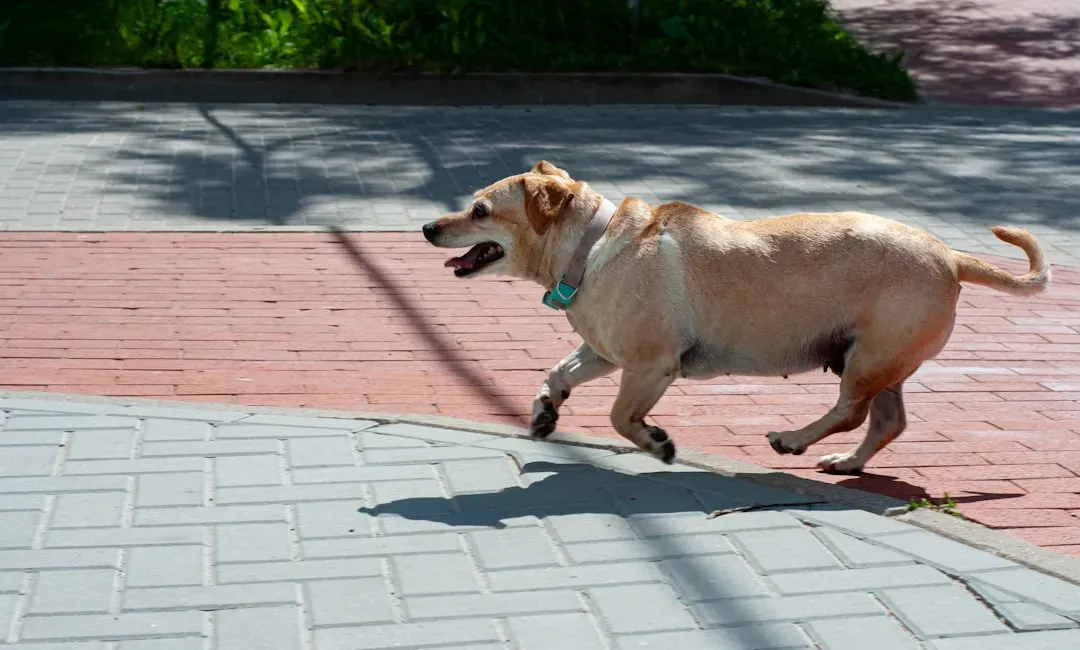
Most vets suggest dogs require between 30 minutes to two hours of exercise per day. Now, before you panic thinking that sounds like a lot, remember this varies wildly depending on your individual dog. A Chihuahua’s needs look nothing like a Border Collie’s requirements.
Your dog’s breed heavily influences the level of physical activity they need. High-energy breeds require a lot more exercise than lower-energy breeds. Age plays a huge role too. Puppies generally have more energy than adult dogs and so require more exercise in short bursts – like the zoomies. Since puppies are constantly growing, including several short walks or play sessions throughout the day is a safer choice than going for one really long walk, as this can be too hard on your puppy’s developing body. Honestly, watching a puppy zoom around can be both exhausting and hilarious.
Even if your dog is considered senior, you’ll still want to give them at least 30 minutes of daily exercise. Movement keeps those aging joints flexible and minds sharp.
Warning Signs Your Dog Needs More Activity
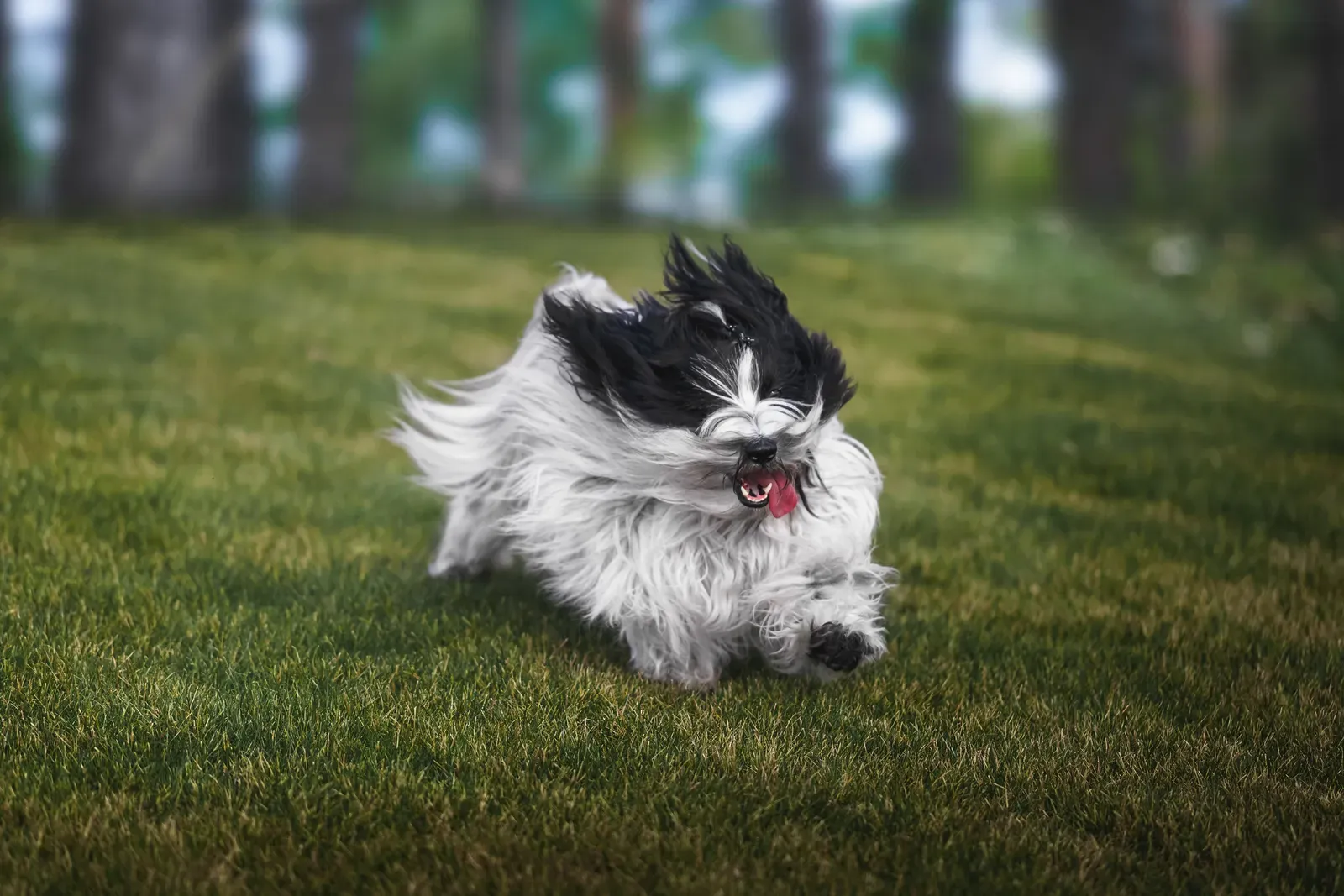
Sometimes our dogs practically shout at us that they need more exercise, but we miss the signals. If your dog has been getting a bit plump lately, it may be an indication that more exercise (calories out) is needed. Weight gain is the most obvious clue, though not the only one.
Behavioral problems, and especially destructive behavior, are commonly a result of not getting enough exercise. Many dogs, especially high-energy breeds, become bored and frustrated if they don’t get enough outdoor exercise and mental stimulation. If your dog is starting to chew things around the house, scratch or dig at doors, or raid the kitchen or trash can, the problem might be not enough exercise!
Studies show that an under-exercised dog is more likely to feel stressed, especially in unfamiliar or overstimulating environments. Symptoms of anxiety may include trembling, excessive licking, barking, or trying to escape. Some dogs go the opposite direction. Some dogs will become very withdrawn and depressed when they are lacking in mental and physical stimulation. These dogs are more reluctant to engage with their human family and might need to get outside and moving to become more involved.
Dogs that do not get enough exercise may have trouble settling. If your dog paces at night or can’t seem to relax during the day, lack of activity might be the culprit.
Beyond the Walk: Creative Ways to Exercise Your Dog
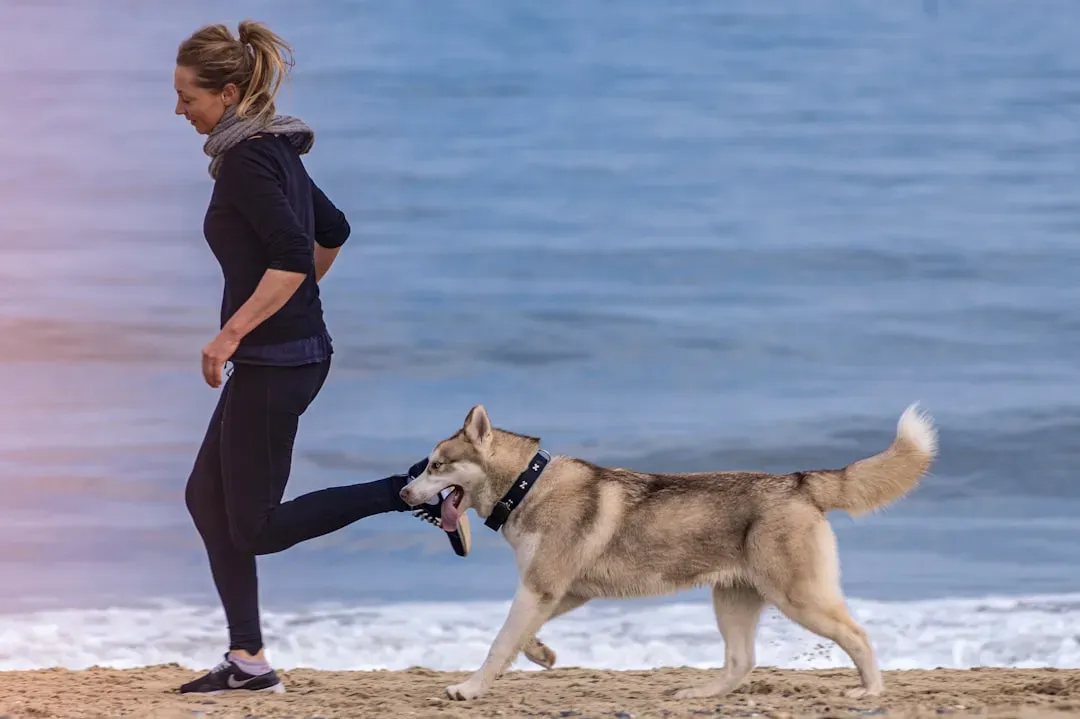
Walking is wonderful, but variety keeps things interesting for both of you. Swimming is great for dogs with joint problems, as it provides low-impact exercise. Water work can be especially helpful for older dogs or those recovering from injuries.
Obedience work might not seem like exercise at first glance, but practicing recall, retrieving, and reinforcing basic commands offers mental stimulation, as well as exercise. You can also teach your dog fun new tricks like weaving and spinning. Mental workouts can be just as exhausting as physical ones. I know it sounds crazy, but fifteen minutes of training can sometimes tire a dog out more than a half-hour stroll.
Scent work is mentally and physically satisfying, especially for breeds with a sharp sense of smell, like Beagles and Bloodhounds. Hide treats around the house or yard and let your dog’s nose do the work. Mental and physical exercise keeps them engaged and reduces destructive behaviors.
The Emotional Bond That Movement Creates
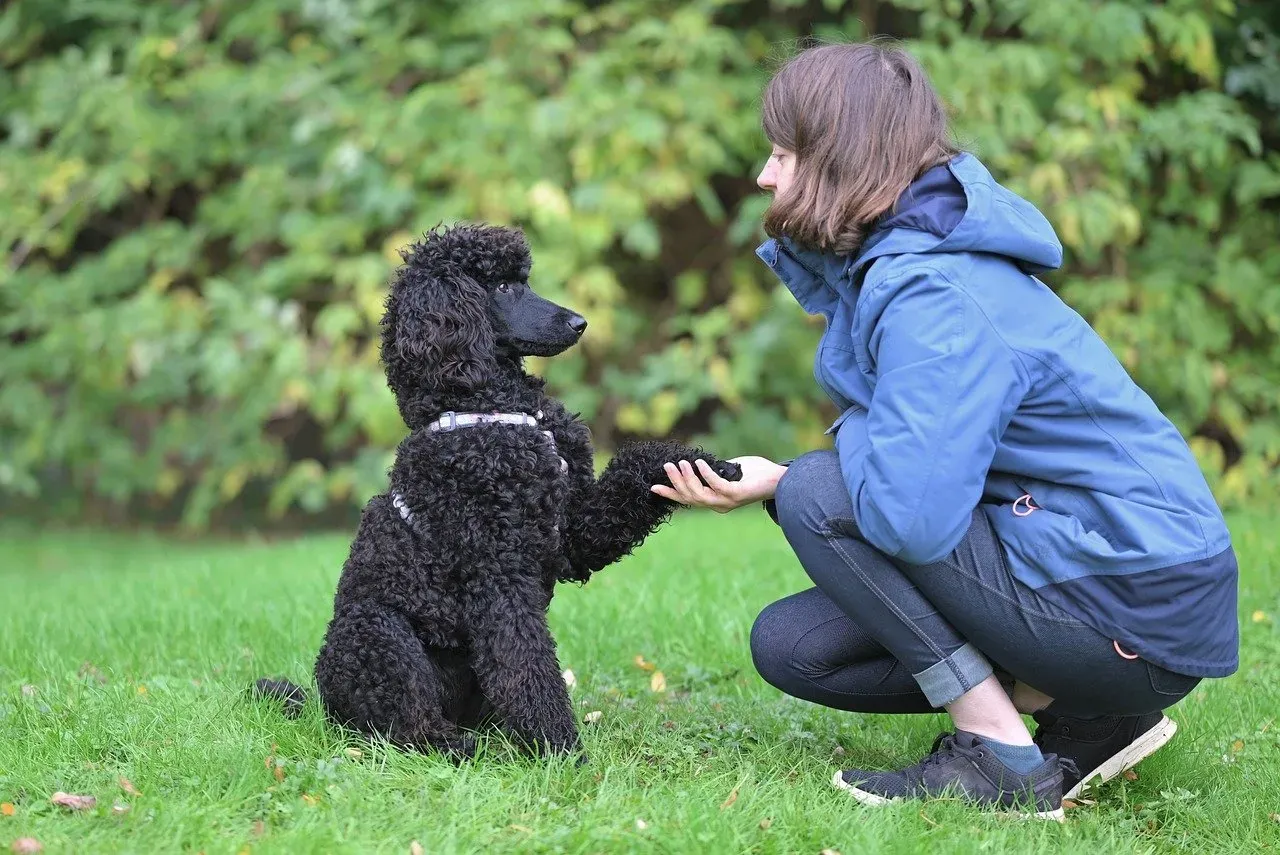
Here’s what often gets overlooked: exercise isn’t just about physical health. Spending time exercising with your dog – whether it’s going for a walk, a swim, or playing fetch – doesn’t just benefit their physical and mental health. It also strengthens the bond between you and your furry friend. Dogs thrive on attention and interaction, and regular exercise provides the perfect opportunity to strengthen your relationship.
When your dog feels connected to you, they’re more secure and content. That emotional security leads to better behavior and a happier, more relaxed dog overall. This is the magic part, really. Those daily walks become more than just a chore on your to-do list. They transform into moments of connection, small adventures you share together.
Just as exercise affects dogs’ physical and mental wellbeing, it also impacts their behaviors. With ample exercise, dogs are satiated, leading to fewer destructive behaviors. When you invest time in moving with your dog, you’re investing in a calmer home, a happier companion, and a relationship built on trust and shared experiences.
Conclusion
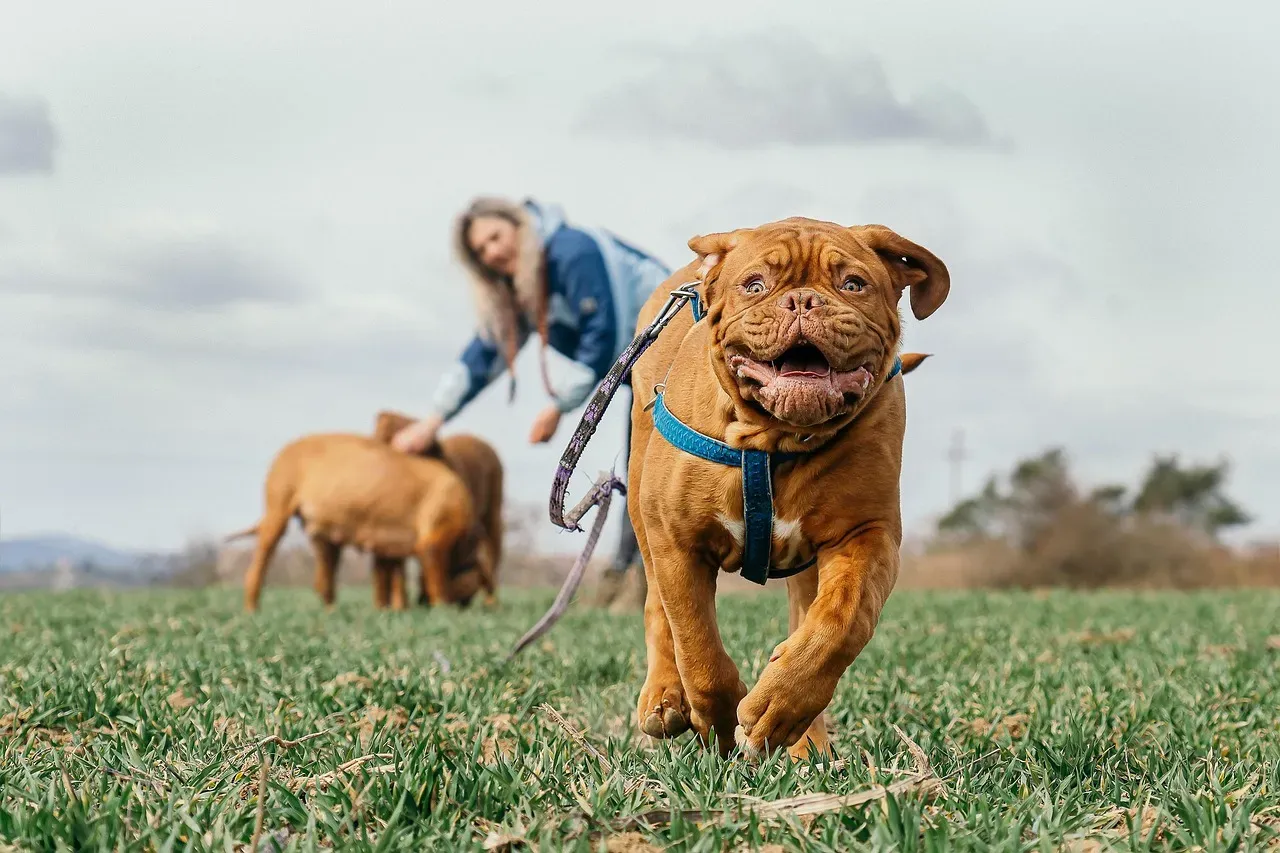
At the end of the day, a well-exercised dog isn’t just physically healthier. They’re emotionally balanced, behaviorally sound, and genuinely content. The time you spend helping your dog move their body pays dividends in every aspect of their life and yours. Whether it’s a morning jog, an afternoon game of fetch, or an evening sniff-and-stroll through the neighborhood, those moments matter more than you might realize.
Your dog depends on you to meet their needs, and exercise sits right at the top of that list. The beautiful part? Meeting that need benefits both of you. You get a calmer companion, better behaved and more connected to you. They get to be the dog they were meant to be: active, engaged, and happy. What do you think about it? Have you noticed changes in your dog’s behavior when they get more exercise? Share your experiences in the comments.


