
Picture this: your dog is pacing the living room, chewing your favorite shoes, and staring at you with those big, pleading eyes. Sound familiar? You might have thought it was a training issue, a personality quirk, or maybe just “a phase.” Honestly, it could be something far simpler – your dog just needs to move more.
Exercise is one of those things we all know matters, yet so many of us quietly underestimate just how much it shapes our dog’s entire world. Not just their waistline, but their mood, their brain, their heart, and even the relationship they have with you. The best part? You don’t need a massive yard, a professional trainer, or marathon-level stamina to make it happen.
So let’s get into it – because what you’re about to read might just change the way you see that daily walk forever.
Why Your Dog’s Body Was Built to Move
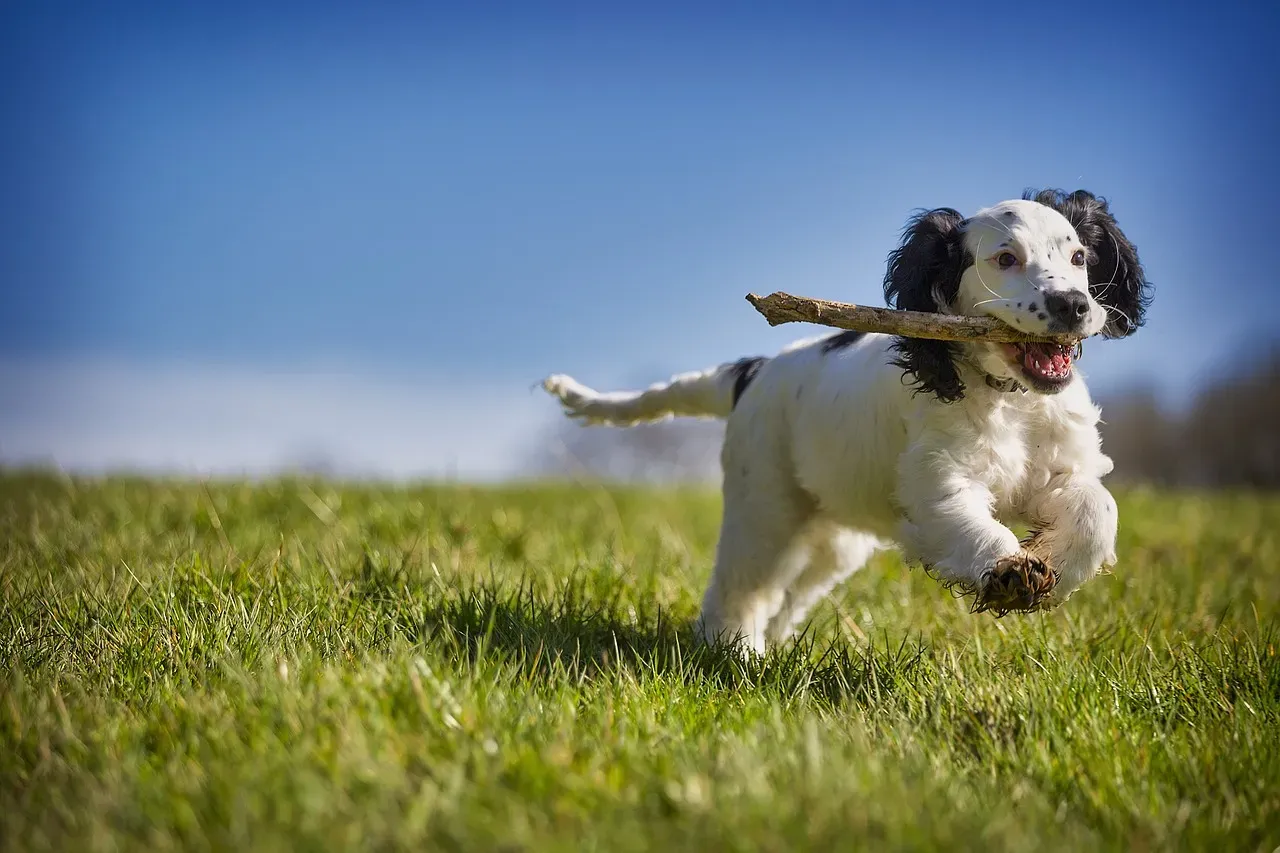
Dogs didn’t evolve to lounge on couches all day, as much as they’ve learned to enjoy it. Regular physical activity promotes health and can prevent and treat diseases in dogs, much like it does in humans. Think of your dog’s body like a machine that needs to run daily to stay in peak condition – let it sit idle too long, and things start to break down.
Studies show that dogs lacking exercise usually have poor muscle tone and are more prone to injury, brain ailments, and bone disorders. That’s not a small deal. A sedentary dog isn’t just bored – they’re physically declining in ways you might not see until it’s already a problem.
Just like humans, dogs need a healthy cardiovascular system to thrive. Dogs that engage in regular physical activity tend to have stronger immune systems, lower risks of chronic diseases, and improved overall health. It’s not complicated – movement is medicine, plain and simple.
The Hidden Toll of a Sedentary Lifestyle on Your Dog
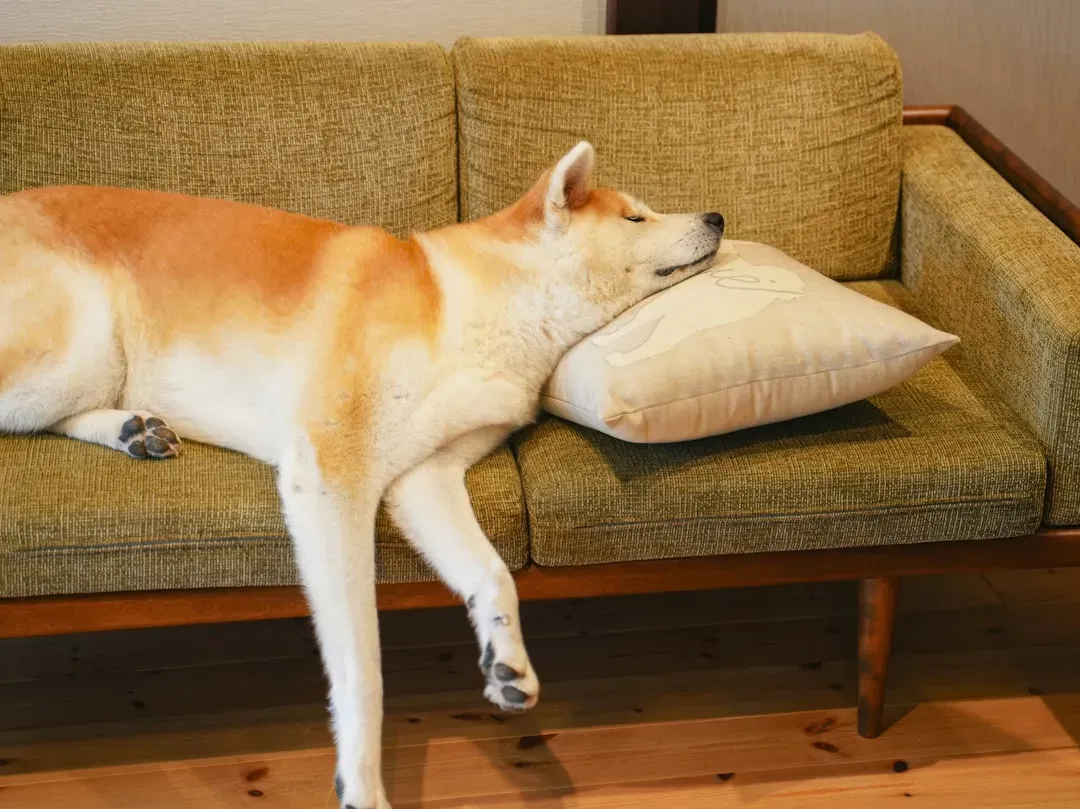
Here’s the thing: when your dog tears apart a couch cushion or barks endlessly at nothing, it’s easy to label them as “naughty.” But let’s be real – dogs that receive sufficient exercise are generally better behaved. Regular physical activity helps burn off excess energy, reducing the likelihood of behavioral problems like chewing, digging, excessive barking, or hyperactivity. That behavior? It’s often a cry for help.
Obesity is on the rise among dogs, and its negative consequences are frightening – an increased risk of developing diabetes, an increased risk for cancer, and a high probability for joint injury and subsequent osteoarthritis. In fact, over half of canine companions are overweight. That’s a staggering number when you stop to think about it.
Too little exercise and your dog can become overweight or engage in boredom behaviors like digging or destructive chewing. Too much exercise and your dog may suffer muscle strain, injury, or behavioral issues like hyperactivity or restlessness. The sweet spot exists, and finding it is worth every bit of effort.
How Much Is Actually Enough? Know Your Dog’s Real Needs
This is the question every dog parent eventually asks. The general rule is that dogs need between 30 minutes to two hours of exercise every day. That’s quite a range, and for good reason – no two dogs are exactly alike. A Border Collie and a Basset Hound simply aren’t working from the same playbook.
The amount of exercise your dog needs will depend on their breed. Some breeds need a minimum of one to two hours of exercise per day, but others, such as working breeds, need significantly more. Age matters enormously too. Puppies need multiple short bursts of exercise throughout the day. Most adult dogs benefit from at least 60 to 90 minutes of exercise per day. Older dogs may slow down, but they still need gentle movement to maintain mobility.
Lack of exercise, as well as too much of it, can result in poor health and habits for your dog. Aim to find a happy medium. I think the most honest advice anyone can give you is this: watch your individual dog, not just a breed chart. They’ll show you what they need.
Exercise That Actually Works – and Keeps Things Fun
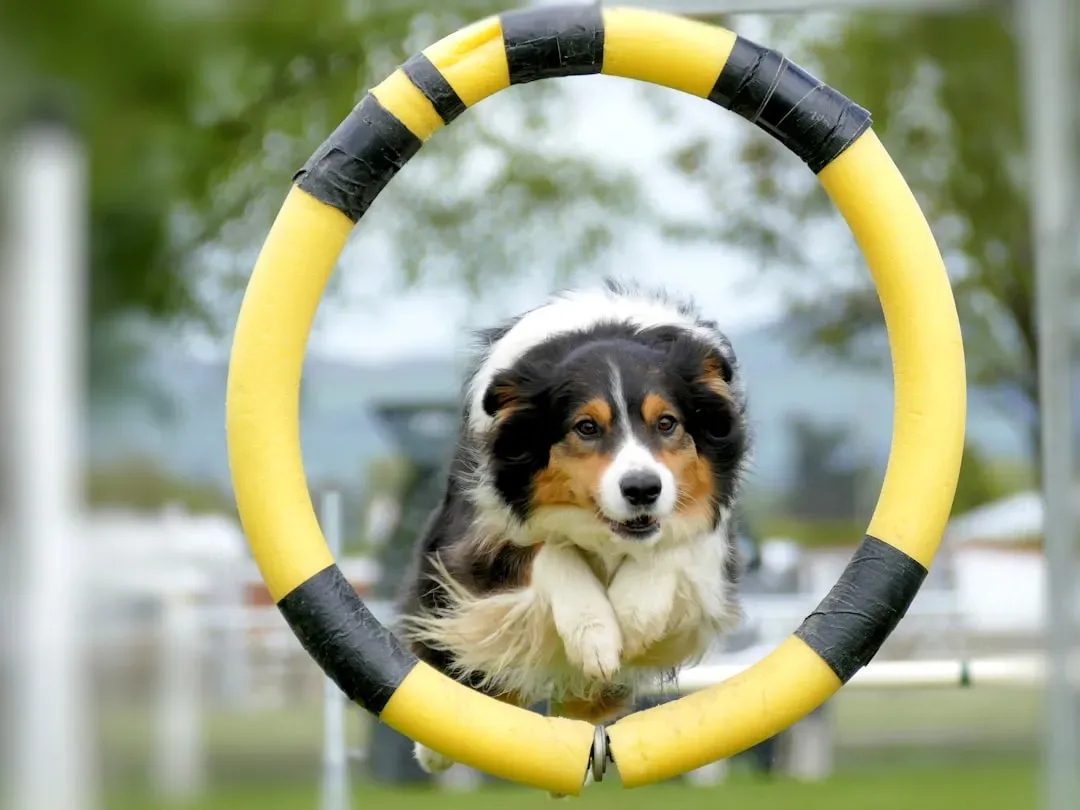
A slow ten-minute shuffle around the block might feel like you’ve done your duty, but a slow walk through the neighborhood over the same path for just 20 minutes a day is not going to cut it for most dogs. Most dogs need to exercise for longer, so experiment with the duration and pace of your dog’s exercise routine. Variety is your best friend here – and your dog’s too.
Variety is key when it comes to keeping your dog engaged and ensuring a well-rounded fitness regimen. Incorporating a mix of activities such as walks, runs, interactive games, and even water play not only prevents monotony but also targets different muscle groups. Think of it like cross-training, except your training partner has four legs and infinite enthusiasm.
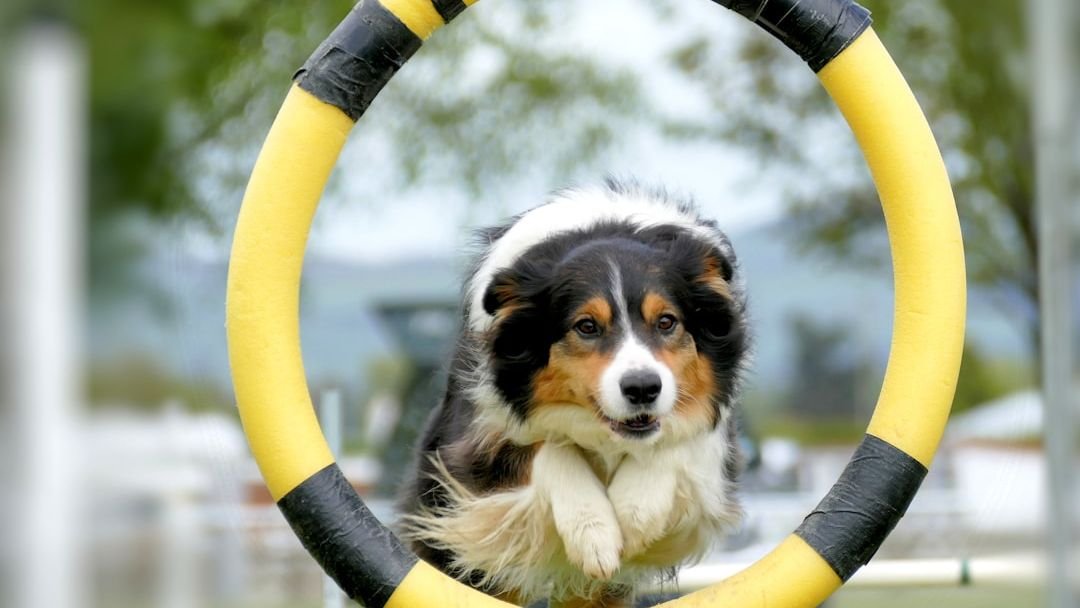
Swimming is a fantastic low-impact workout, especially for senior dogs or those with joint issues. Dog sports like agility, flyball, and dock diving are high-energy activities that enhance physical fitness and obedience skills. To receive maximum benefit from the exercise program, find exercises that your dog loves to do and that help them meet some natural need like running, swimming, or climbing. An excited dog moves faster, harder, and happier than one that’s just going through the motions.
Exercise Strengthens the Bond Between You and Your Dog
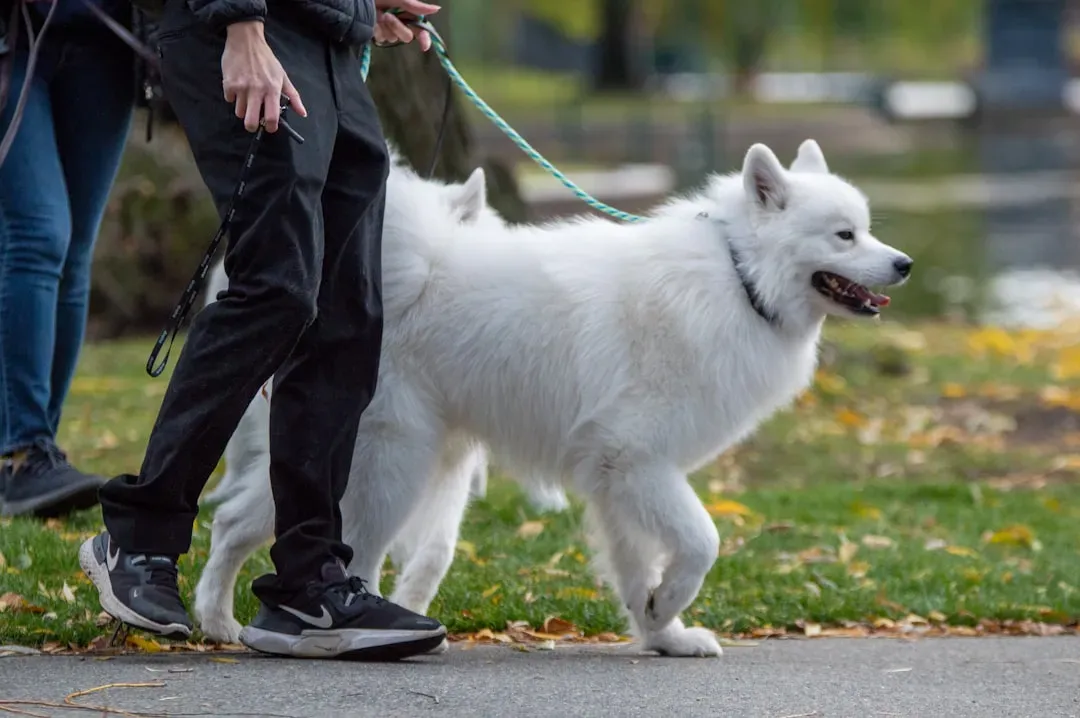
Exercise not only keeps your canine companion physically fit, but it also provides mental stimulation, promotes good behavior, and strengthens the bond between you. There’s something quietly magical about that daily walk – it’s not just exercise, it’s time. Uninterrupted, screen-free, just-the-two-of-you time.
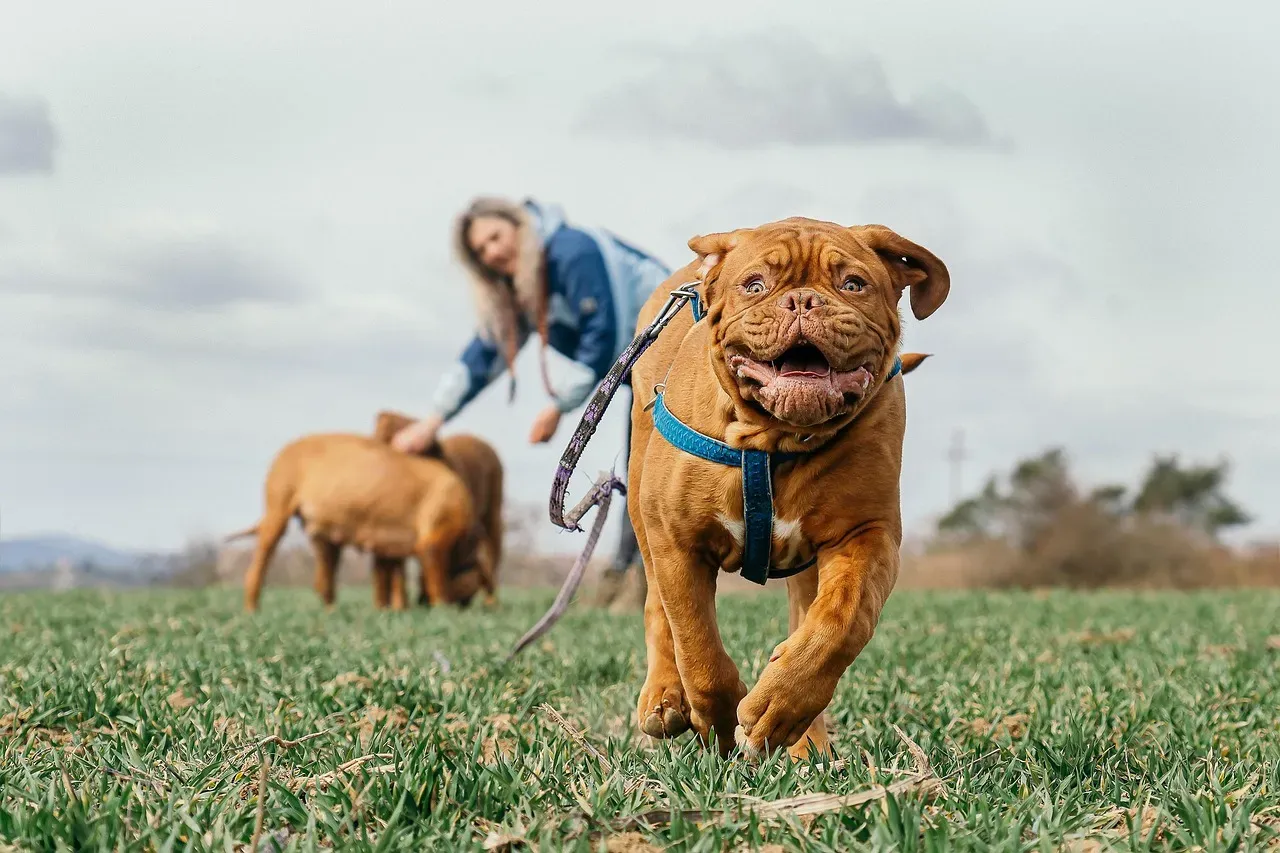
Exercise not only benefits your dog physically and mentally but may also provide excellent socialization opportunities. Regular walks outdoors allow your dog to interact with other social canines, enhancing their social skills and reducing the likelihood of fear or aggression towards unfamiliar dogs or people. It’s socializing and therapy wrapped up in one leash walk.
Physical exercise triggers the release of a protein called the brain-derived neurotrophic factor (BDNF), which is one of the molecules that results in the growth of new brain cells. Basically, every time you exercise your dog, you’re literally helping their brain grow stronger. That’s not just heartwarming – it’s science. Exercising keeps your dog healthy and limber while reducing behavioral problems such as excessive licking, barking, chewing, digging, and other anxiety-related behaviors. It also helps your dog build trust and confidence in you and in their environment.
Conclusion: The Simplest Gift You Can Give Your Dog
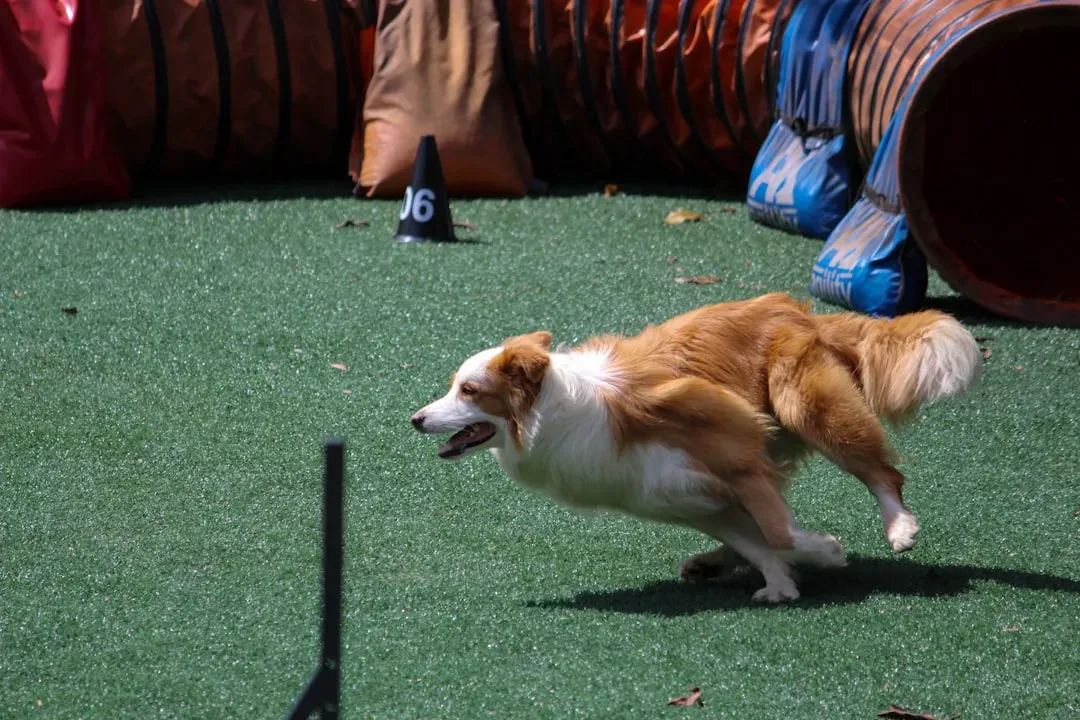
When you strip everything back, dog exercise doesn’t need to be elaborate or expensive. It doesn’t require a perfect schedule or a huge backyard. It just requires your consistency, your presence, and a little creativity. Regular physical activity releases endorphins, which promote feelings of happiness and reduce stress and anxiety. Your dog feels that every single time you show up for them.
A dog that gets enough movement is calmer, healthier, mentally sharper, and more deeply connected to you. That chewed-up shoe, the endless barking, the midnight zoomies – so much of it quietly disappears when a dog’s needs are truly met. It’s not magic, it’s just motion.
So tomorrow morning, grab that leash a little earlier, try a new trail, toss the ball one extra time. Your dog is counting on you – and honestly, you might just feel better for it too. What small change could you make to your dog’s routine starting today?


