

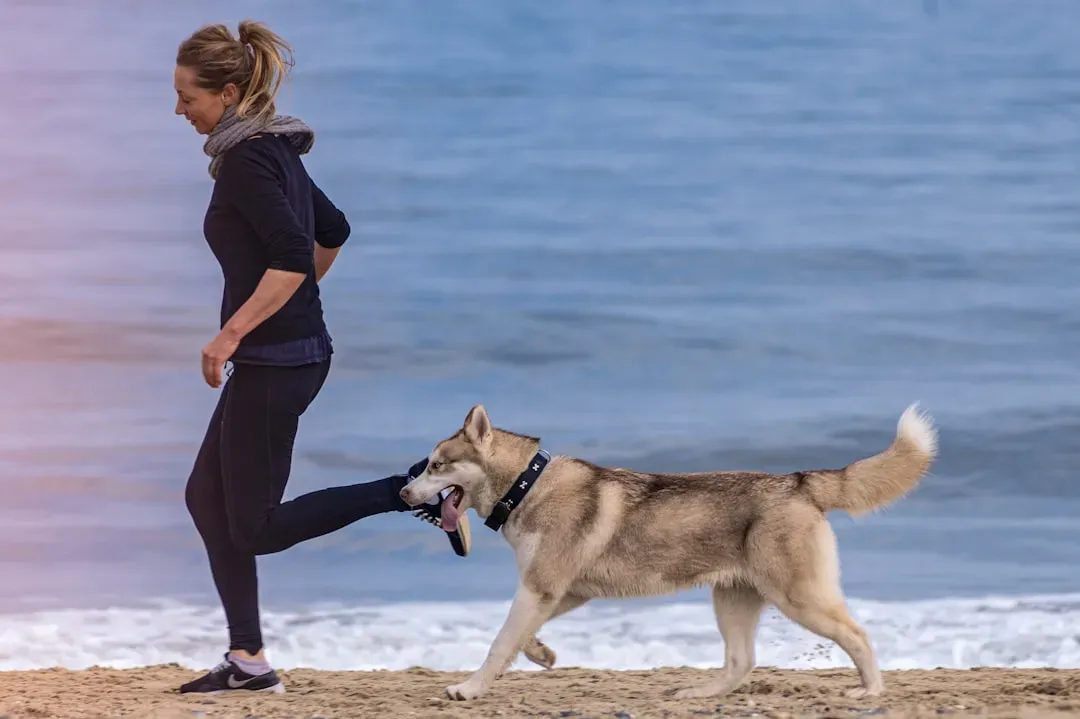
Ever notice how much calmer the house feels after your dog has been out for a long walk or a good play session? It’s not your imagination. When your dog is physically tired and mentally satisfied, you’re likely living with a completely different animal than the restless, bored pup who’s been cooped up all day. The connection between a dog’s exercise routine and their behavior at home is powerful, almost magical sometimes.
Most of us know our dogs need exercise, but we don’t always realize just how transformative it can be. It’s not merely about burning calories or keeping them fit. Regular physical activity shapes your dog’s mood, influences their mental health, and directly impacts how they behave when they’re sharing your space. The difference between a well-exercised dog and one who’s starved for movement can be the difference between peaceful coexistence and daily chaos.
Why Exercise Changes Everything About Your Dog’s Behavior
Let’s be honest about what happens when dogs don’t get enough movement. Dogs that don’t get enough exercise can become bored and frustrated, leading to unwanted behaviors like excessive barking, jumping, or tearing up your favorite shoes. It’s hard to say for sure, but these aren’t acts of defiance or revenge. Your dog isn’t plotting against you.
They’re simply trying to manage their own pent-up energy and anxiety in the only ways they know how. Most destructive dogs are lonely, bored, or under-exercised. When they chew your furniture or dig holes in the yard, they’re essentially telling you something important about their unmet needs. Physical activity stimulates the release of endorphins – natural chemicals that create feelings of happiness. This “runner’s high” helps reduce stress and anxiety in dogs, calming restless or hyperactive behavior.
Think of exercise as a reset button for your dog’s nervous system. Without it, their energy has nowhere to go except into behaviors you probably don’t appreciate.
The Mental Health Benefits You Might Not Expect
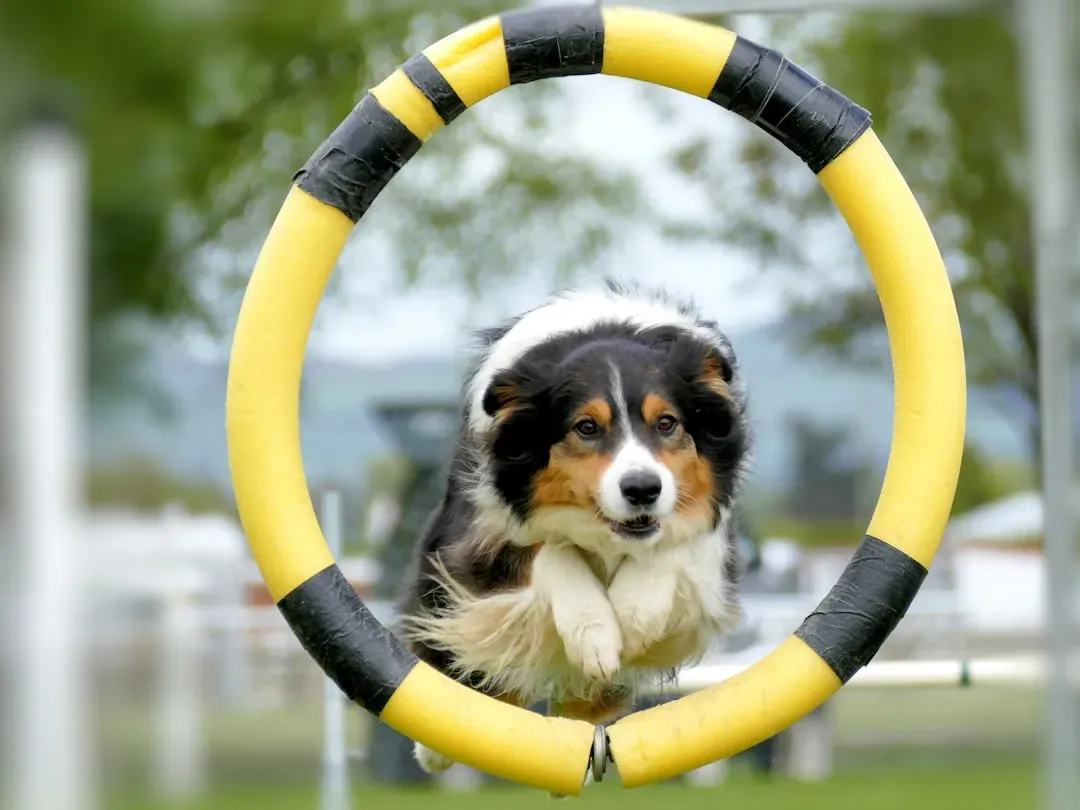
Physical exercise isn’t just about tiring out those legs. Mental and physical exercise keeps them engaged and reduces destructive behaviors. Your dog’s brain needs a workout just as much as their body does.
Just like people, dogs can experience depressive moods when their needs aren’t met. When dogs aren’t engaging in activities they love or moving their bodies regularly, they miss out on the endorphins that make them feel good. I’ve seen dogs transform from anxious, high-strung animals into calm, content companions simply because they started getting consistent daily activity. Just like humans, dogs benefit from physical activity. Regular exercise can help alleviate anxiety and depression, leading to a happier, more relaxed pet.
There’s something profoundly calming about routine movement for dogs. It gives them purpose, structure, and an outlet for natural instincts that might otherwise express themselves in ways that stress both of you.
How Much Exercise Does Your Dog Really Need
Here’s where things get interesting because not all dogs are created equal when it comes to exercise requirements. Exercise recommendations for dogs range between 30 minutes and two hours of moderate to high-intensity activity daily. The time and intensity vary so widely because different dog breeds have distinct exercise needs.
A Border Collie or German Shepherd might need several hours of vigorous activity, while a Bulldog might be perfectly content with shorter, gentler sessions. Typically, sporting breeds are energetic and athletic dogs who require at least an hour of exercise each day. If you don’t give your gundog enough exercise, he may use up excess energy through destructive chewing, barking, digging, and other nuisance behaviors. Smaller breeds often have different needs too, though don’t assume they need less just because of their size.
Age matters enormously as well. Puppies need shorter bursts of activity to protect their developing joints, while senior dogs benefit from gentler, low-impact movement. Adults: Maintain daily walks and playtime to prevent boredom and obesity. Seniors: Adjust exercise to low-impact activities like swimming or short walks.
Recognizing the Warning Signs of an Under-Exercised Dog
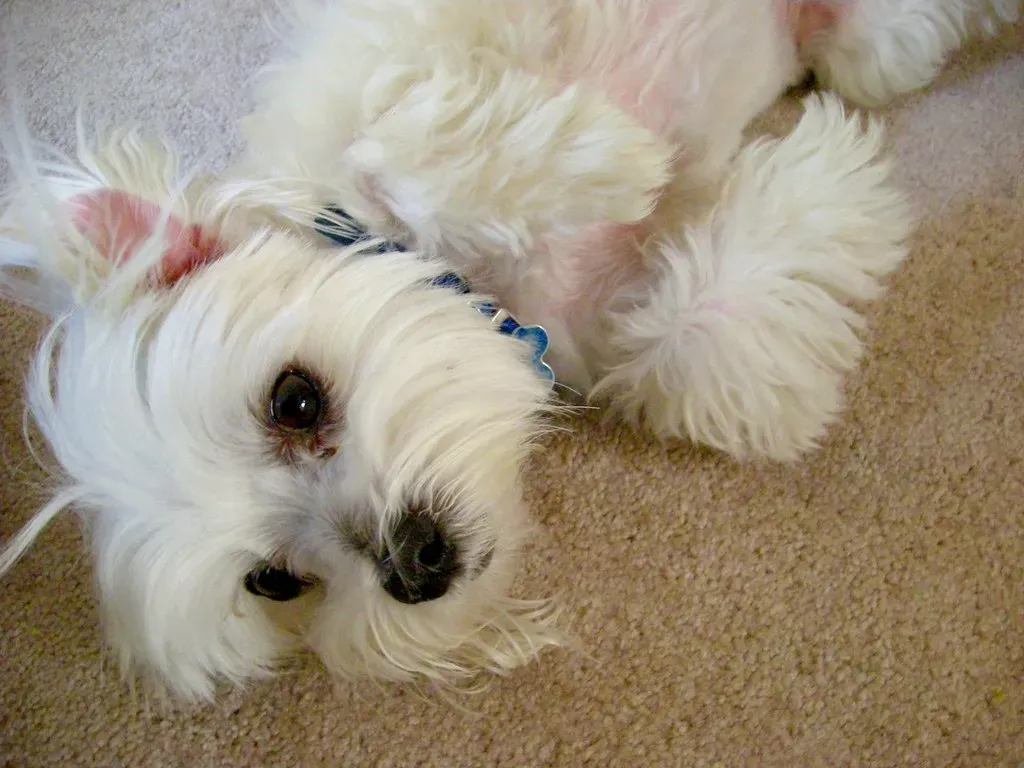
Your dog will tell you when they’re not getting enough exercise, though you need to know what to look for. If your dog seems overly excited all the time, they might have too much pent-up energy. Dogs who can’t get their zoomies out or quiet their mind often struggle to settle down. This constant state of high arousal can make daily life stressful for both you and your dog.
Watch for restlessness, excessive chewing, digging, or unusual hyperactivity that seems out of control. Not only does consistent stimulation and exercise help promote good behavior it also helps deter destructive behaviors. Some dogs will pace constantly, whine more than usual, or develop obsessive behaviors like tail chasing. Weight gain is another obvious signal, though behavioral changes often show up first.
Studies show that an under-exercised dog is more likely to feel stressed, especially in unfamiliar or overstimulating environments. Symptoms of anxiety may include trembling, excessive licking, barking, or trying to escape. These aren’t random quirks. They’re direct communications from your dog about their physical and emotional state.
Creating an Exercise Routine That Actually Works
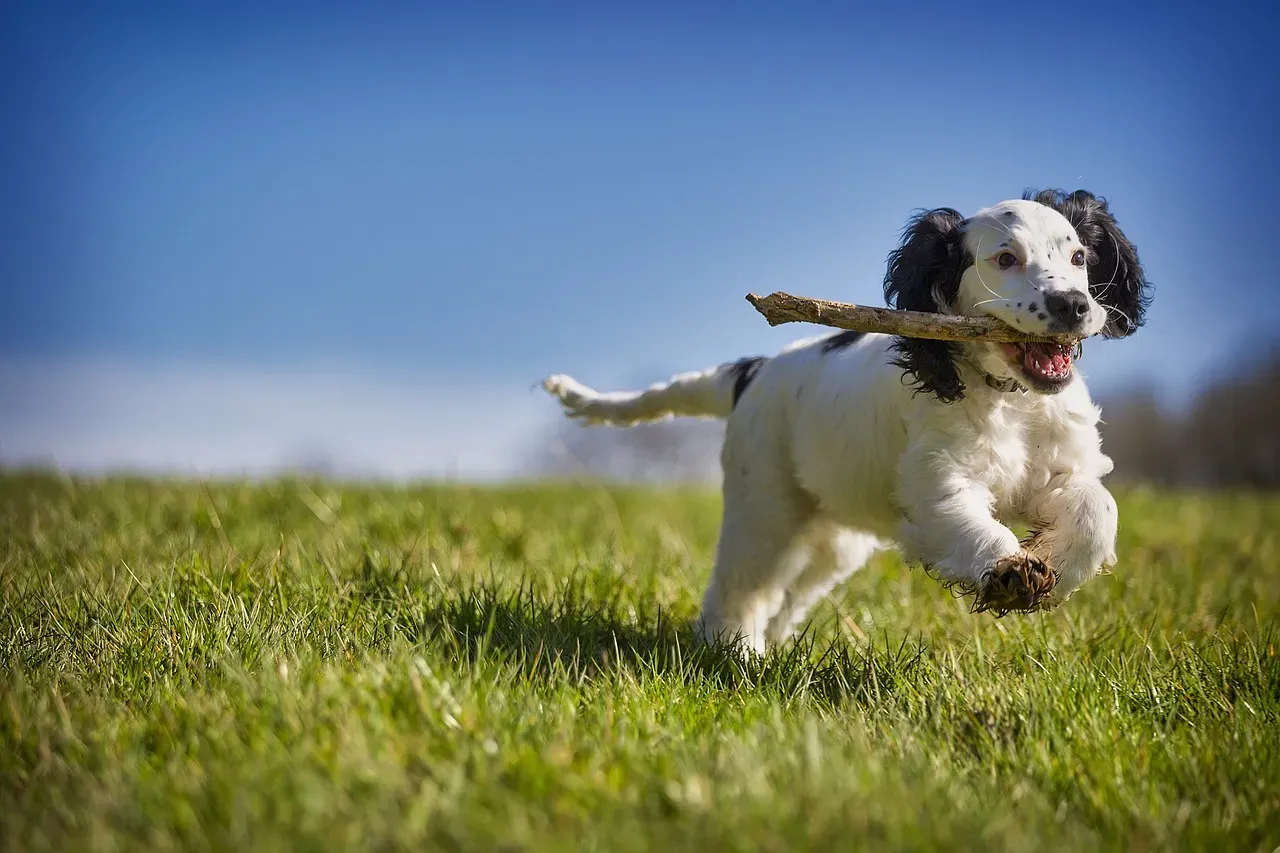
The key to success isn’t just exercising your dog once in a while when you remember or feel guilty. Regular exercise is vital for both people and pets. Aim for daily activities to keep your dog fit and prevent behavioral issues caused by pent-up energy. Consistency transforms everything.
Start by matching activities to your dog’s natural abilities and interests. Swimming works beautifully for retrievers and dogs with joint issues, while herding breeds often excel at activities that challenge their minds as much as their bodies. A good example would be twenty minutes play time in the morning, mental stimulation throughout the day, short walk when you get home, and then a little brush up on some command training before bed.
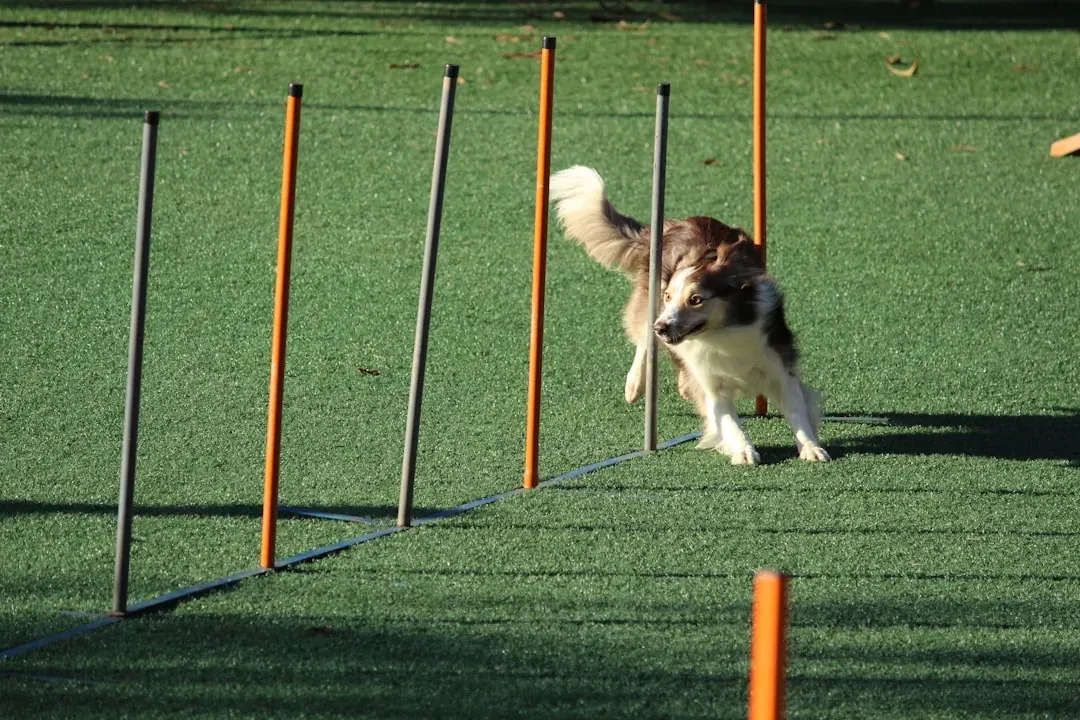
Variety prevents boredom for both of you. Mix walks with games of fetch, try new routes, incorporate training exercises, or explore dog sports like agility. Vary your dog’s exercises to keep things interesting for them. Variety increases mental enrichment, prevents boredom, and ensures physical and mental stimulation. Watch your dog’s responses and adjust accordingly. Some days they might need more, other days less, especially as weather conditions change or as they age.
What do you think about how exercise has changed your dog’s behavior? Tell us in the comments about your own experiences.


