
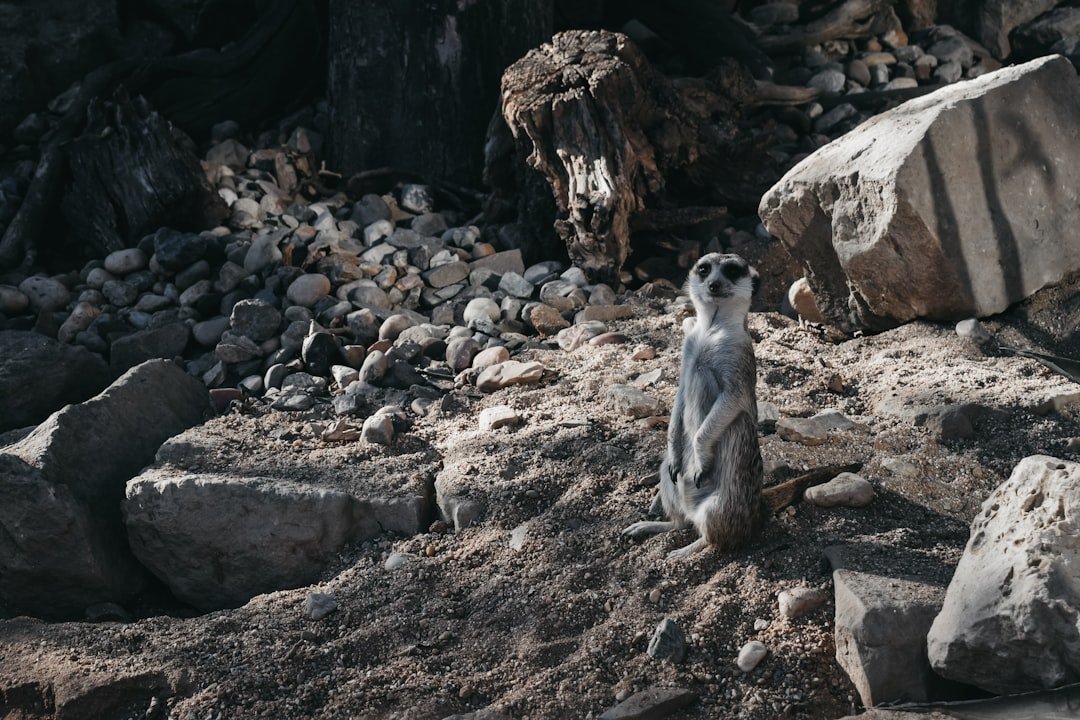
Wichita, Kansas – Officials at Sedgwick County Zoo raised concerns over proliferating AI-generated videos depicting animals in implausible scenarios. The zoo highlighted how such content risks skewing public understanding of wildlife behaviors and needs. Their detailed advisory underscored the growing challenge posed by these digital fabrications on social media platforms.
A Heartwarming Escape That Was Pure Fiction
A TikTok clip captured widespread attention with an otter scaling its enclosure fence before leaping into a young boy’s arms for an embrace. The boy remarked, “He’s so slippery,” while his father called it “the coolest thing.”[1]
Sedgwick County Zoo quickly identified the video as AI-created and issued a cautionary post. They explained that repeated exposure to these scenes fosters unrealistic views of animals. Real otters, the zoo noted, possess specific requirements far beyond domestic settings.[2]
Why AI-Generated Animal Clips Are Everywhere
Advanced AI tools now enable anyone to produce lifelike images and videos of animals in seconds. Platforms integrate these features, fueling a flood of content featuring bears on trampolines or apes on doorbell cameras. Sedgwick County Zoo observed that these clips prioritize virality over accuracy.[2]
While AI offers benefits like visualizing extinct species, it also generates deceptive wildlife encounters. Examples abound, from endangered animals at doorsteps to choreographed dances. The zoo emphasized that creators often aim for maximum engagement, blurring fact and fantasy.[2]
Real-World Consequences of Digital Deceptions
Such videos distort expectations of animal behavior, portraying wild creatures in ways impossible under ethical conditions. Viewers might anticipate otters cuddling humans or gorillas shattering enclosures, leading to hazardous misconceptions. Sedgwick County Zoo listed key issues in their analysis.[2]
- Animals shown jumping into arms or dancing on cue, fostering dangerous assumptions.
- Forgetfulness of complex needs unmet in backyards or homes.
- Diverted focus from genuine conservation efforts and habitat protection.
- Eroded trust in authentic zoo footage and scientific records.
“When you see wild animals acting like pets or performing humanlike behaviors, it becomes easier to forget that they have complex needs that can’t be met in someone’s backyard,” the zoo stated.[1]
Other Kansas facilities, including Tanganyika Wildlife Park, echoed these worries. LynnLee Schmidt, the park’s integrator and chief operating officer, noted that fake content could deter audiences from educational material. She praised Sedgwick’s explainer as a vital resource for promoting skepticism.[3]
Spotting the Signs of AI Manipulation
Sedgwick County Zoo provided practical guidance to identify suspicious videos. Responsible posts typically include species details, locations, and credits to organizations. Vague accounts raise immediate doubts.[2]
Common red flags include:
- Absence of location, facility tags, or photographer credits.
- Captions limited to exclamations like “OMG so cute!!!”
- Spammy profiles fixated on viral clips without educational value.
Additional clues emerge in the visuals themselves, such as unnatural movements or phantom limbs. Transparency labels like “AI-generated” or “Sora” signal synthetic origins. Questioning creators directly often reveals authenticity.[2]
Building Better Habits for Wildlife Engagement
To counter the trend, Sedgwick County Zoo urged curating feeds around accredited sources. Follow zoos, aquariums, researchers, and transparent educators for reliable insights. Real-life visits reinforce genuine behaviors observed online.[2]
Thoughtful interactions matter: avoid amplifying fakes, report violations, and elevate factual stories. Each share supports either misinformation or meaningful conservation. Kansas zoos committed to creative messaging amid AI’s advance.[3]
Schmidt stressed managing expectations for park visitors. Direct engagement with professionals combats digital fatigue. These strategies preserve appreciation for animals’ true nature.
Key Takeaways
- Verify sources and captions before sharing animal videos.
- Prioritize accredited zoos and conservation groups online.
- Seek real-world animal experiences to ground perceptions.
Sedgwick County Zoo’s initiative highlights a pivotal moment for digital wildlife content. As AI blurs boundaries, discerning viewers safeguard authentic wonder and support vital protections. What steps will you take to distinguish real from rendered? Tell us in the comments.


