
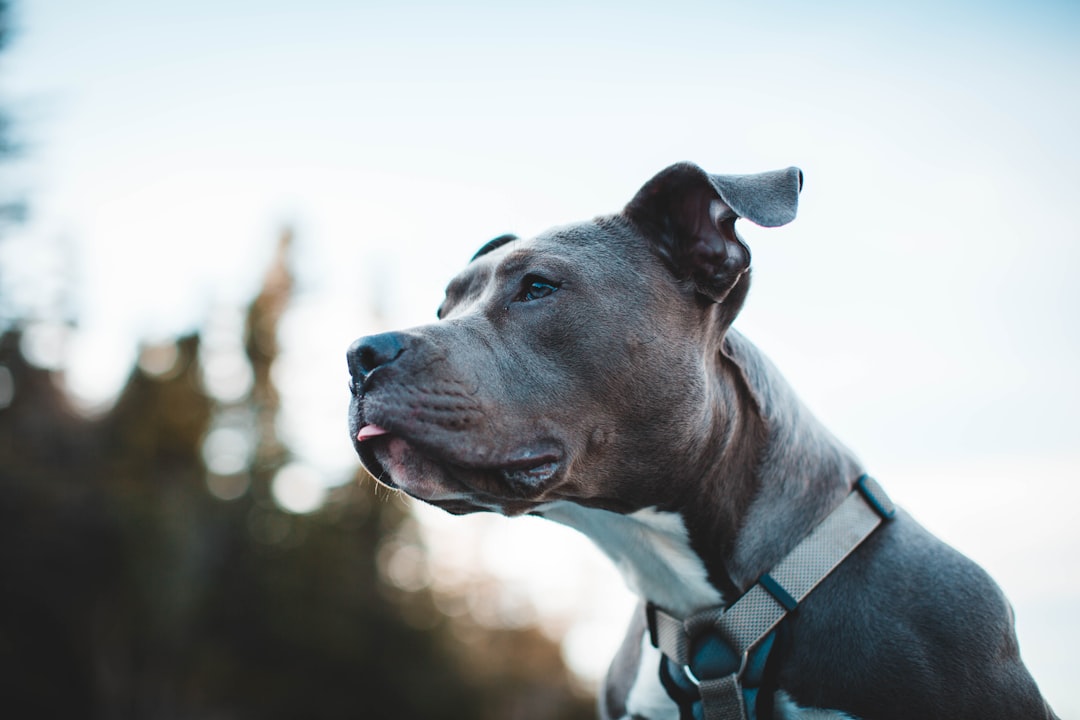
Sydney, Australia – Paul Conyngham faced a heartbreaking prognosis for his beloved rescue dog Rosie in 2024. Vets diagnosed the eight-year-old Staffordshire Bull Terrier-Shar Pei cross with aggressive mast cell cancer, riddled with tumors on her hind leg, and gave her just one to six months to live.[1][2] Conventional treatments slowed the disease but failed to reduce the growths. Determined to fight back, Conyngham turned to artificial intelligence, sparking a collaboration that produced the world’s first custom mRNA cancer vaccine for a dog.
A Desperate Bid Against Terminal Cancer
Conyngham adopted Rosie from a Sydney animal shelter in 2019, right as pandemic lockdowns began. The dog, previously abandoned in bushland, quickly became a cherished companion. Her cancer emerged aggressively the following year, with a tennis ball-sized tumor on her hock dominating her hind leg.[3]
Chemo and multiple surgeries cost tens of thousands of dollars yet only stalled the cancer’s progress. By late 2025, Rosie’s energy waned; she struggled to move and appeared withdrawn. Vets offered no further options, leaving Conyngham, a data engineer with 17 years in machine learning but no biology training, to seek unconventional paths.[4]
ChatGPT Lights the Way to Innovation
Conyngham opened ChatGPT and queried potential cures. The tool suggested immunotherapy and pointed him to the University of New South Wales Ramaciotti Centre for Genomics. He paid $3,000 for genomic sequencing, comparing Rosie’s healthy blood DNA to her tumor tissue to identify cancer-driving mutations.[5]
Armed with gigabytes of data, he deployed AI tools relentlessly. Google DeepMind’s AlphaFold modeled the three-dimensional structures of mutated proteins. Custom machine learning algorithms pinpointed neoantigens – ideal immune system targets – condensing complex analysis into a half-page formula.[1] Associate Professor Martin Smith, the centre’s director, recalled Conyngham’s persistence: “Paul was relentless… He called and told me he had analyzed the data, found mutations of interest, used AlphaFold to find the mutated proteins, identified potential targets. I’m like, ‘Woah, that’s crazy!'”[1]
From Formula to Frontier Medicine
A pharmaceutical firm declined compassionate use of an immunotherapy drug, so Conyngham pivoted to mRNA technology. He shared his formula with UNSW’s RNA Institute, where Professor Páll Thordarson synthesized the bespoke vaccine. Packaged in nanoparticles, it instructed Rosie’s cells to produce proteins attacking her specific cancer mutations.[2]
Ethics approvals proved challenging. Conyngham drafted a 100-page document over three months but ultimately leveraged U.S. protocols via the Canine Cancer Alliance. Professor Rachel Allavena at the University of Queensland’s Gatton clinic administered the shots. Conyngham drove 10 hours each way: first dose in December 2025 over Christmas break, booster in January 2026, and another planned for March.[1]
- DNA sequencing at UNSW Ramaciotti Centre identifies mutations.
- AlphaFold and ML algorithms select neoantigens.
- UNSW RNA Institute manufactures mRNA vaccine.
- UQ clinic delivers injections under ethics approval.
- Monitoring tracks tumor response and dog vitality.
Tumors Retreat, Hope Emerges
Results stunned the team. One week post-first injection, the hock tumor began shrinking. By mid-March 2026, it had reduced by 50 to 75 percent; most others melted away dramatically.[4] Rosie regained vigor, jumping fences to chase rabbits and sporting a glossier coat. Professor Allavena observed: “It’s definitely working… Rosie’s cancer was really advanced but one tumour has shrunk quite a lot – probably halved. Even though it hasn’t completely disappeared, she’s so much more comfortable.”[2]
Though not a full cure – one stubborn tumor persists – the vaccine extended Rosie’s quality time. Conyngham noted her transformation: “At the start of December her mobility was way down… Towards the end of January, she was jumping over a fence to chase a rabbit.”[4]
| Milestone | Date | Outcome |
|---|---|---|
| Diagnosis | 2024 | Mast cell cancer confirmed |
| First Injection | Dec 2025 | Treatment begins |
| Booster | Jan 2026 | Tumors start shrinking |
| Mid-March Check | Mar 2026 | 75% reduction in main tumor |
A Glimpse of Personalized Medicine’s Future
Experts hailed the feat as citizen science in action. Professor Thordarson emphasized: “This is the first time a personalized cancer vaccine has been designed for a dog… What Rosie is teaching us is that personalised medicine can be very effective, and done in a time-sensitive manner, with mRNA technology.”[2] Smith added: “It raises the question, if we can do this for a dog, why aren’t we rolling this out to all humans with cancer?”[2]
Conyngham now sequences the resistant tumor for a second vaccine. The case underscores AI’s role in democratizing oncology, accelerating designs from months to weeks at low cost. Human trials already explore similar mRNA approaches, hinting at broader applications.
Key Takeaways
- AI tools like ChatGPT and AlphaFold enabled a non-expert to design a viable cancer vaccine.
- Personalized mRNA therapy shrank advanced canine tumors rapidly and affordably.
- Success paves the way for faster, accessible treatments in veterinary and human medicine.
Rosie’s revival proves tenacity and technology can rewrite grim fates. As mRNA frontiers expand, her story inspires hope for pets and people alike. What do you think about this blend of AI and medicine? Tell us in the comments.


