
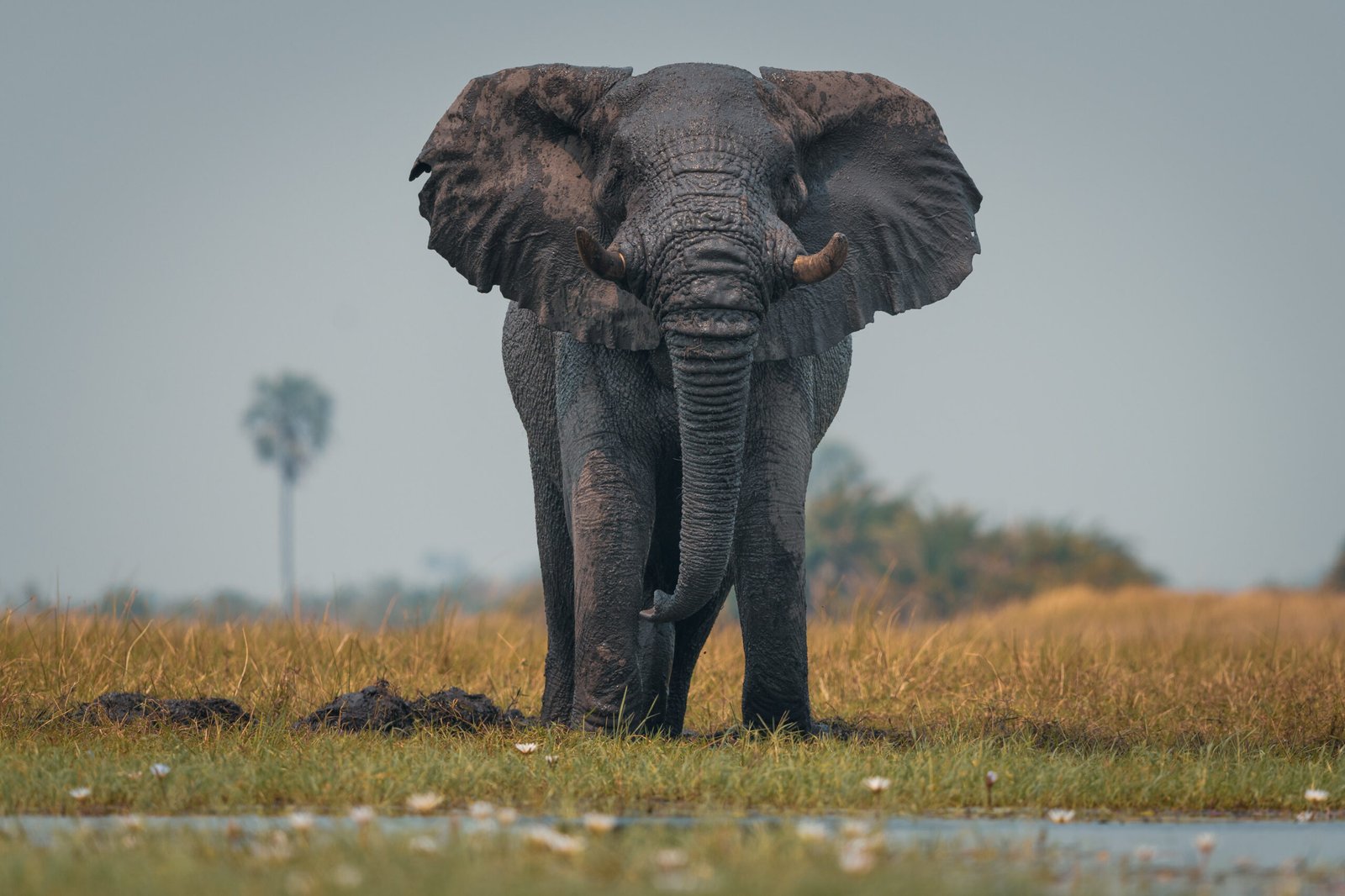
Angola – Trail cameras in 2024 pierced the veil of myth surrounding the ghost elephants of the eastern highlands, capturing proof of a secretive herd that evaded detection for decades.[1][2]
Myths Born from a War-Torn Wilderness
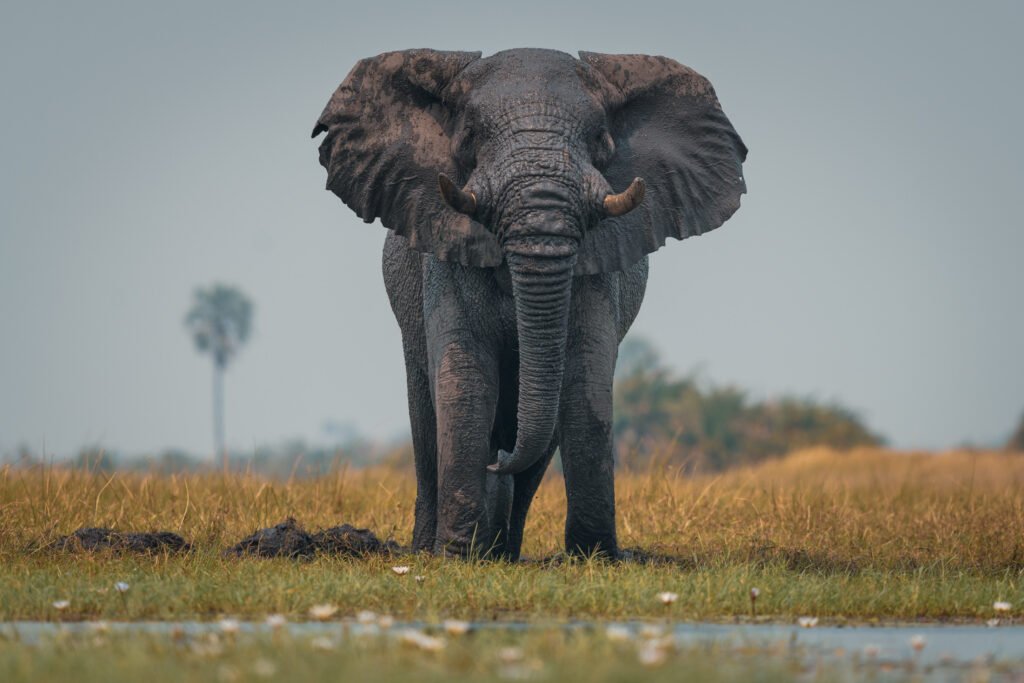
Indigenous groups like the Luchazi and Chokwe long described ghost elephants as ancestral spirits roaming the miombo forests and peat bogs at around 4,000 feet elevation. These animals supposedly moved unseen, blending into the landscape as if invisible. Local leaders such as Regedor Kaketche called them “not real elephants but human beings,” tying them to sacred myths where hunters discovered human forms beneath elephant skins.[2]
Angola’s 27-year civil war from 1975 to 2002 decimated wildlife across the southeast. Rebels slaughtered tens of thousands for ivory, scattering survivors or driving them into hiding. Pre-war estimates placed 70,000 elephants in the highlands alone, but a 2015 survey counted just 4,000 nationwide. The survivors adapted by turning nocturnal and hyper-vigilant, fueling legends of ghosts that outwitted humans.[2][3]
One Man’s Decade of Pursuit
Conservation biologist Steve Boyes, a South African ecologist and National Geographic Explorer, launched his quest in 2015 while surveying remote rivers like the Cuito. Early signs – massive footprints and dung – appeared in 2016, but years of camera traps yielded only leopards and porcupines. Boyes founded the Lisima Foundation to rally locals, trackers, and scientists for repeated forays into areas like Cangamba and Nkangala.[2]
His team included Angolan ethnobiologist Kerllen Costa and master trackers such as Abraão Luhoke and KhoiSan experts Xui and Kobus. They navigated by motorbike, canoe, and foot, scanning for clues amid land mines and rugged terrain. Boyes described the pursuit as “like the white whale of Moby Dick,” a blend of science and instinct that tested endurance over a decade.[1]
2024’s Trail Camera Triumph
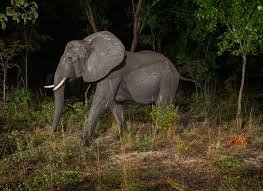
September 2024 brought the first clear images: a middle-aged female elephant glancing at a camera before vanishing into twilight. Deeper in, the team confronted a colossal bull elephant estimated at 12 feet tall with stubby tusks and elongated legs. This sighting capped months of near-failure, as Boyes recalled walking defeated until trackers led straight to the giant.[1]
Signs abounded: platter-sized footprints cracked like elephant skin, soccer-ball dung glistening with mucus, and uprooted Brachystegia trees stripped bare. One breeding herd showed five calves, hinting at a stable group of about 100 across 1,200 square miles. The bull tended an “elephant garden,” leaving deliberate dung piles as territorial markers.[2]
Genetically Distinct Survivors
DNA from dung and a dart-sampled bull confirmed savanna elephants with a unique matrilineal line, isolated for centuries alongside the Nkangala people. “The matrilineal line of the ghost elephants is entirely unique, it isn’t replicated anywhere else in Africa,” Boyes stated.[1] Experts at Stanford and the University of Chicago verified their distinction from other populations.
Speculation links them to “Henry,” the record 13-foot, 11-ton bull shot in Angola in 1955, whose skull resides at the Smithsonian. The ghost bull appeared two feet taller and three tons heavier than typical peers, potentially the largest living land mammal.[3]
| Elephant | Height | Estimated Weight |
|---|---|---|
| “Henry” (1955) | 13 feet | 11-12 tons |
| Ghost Bull (2024) | ~12 feet | Avg + 3 tons |
Herzog’s Lens and Path to Protection
Werner Herzog’s 2025 documentary Ghost Elephants chronicled the expedition, premiering at Venice before streaming on National Geographic, Disney+, and Hulu in early 2026. The film captured trance dances and silent stalks, emphasizing obsession over triumph. Herzog noted, “Now Steve Boyes has to live with his success,” highlighting the shift to safeguarding.[1][4]
In January 2026, Lisima lya Mwono became Angola’s first Ramsar wetland, securing vital headwaters for the Okavango, Congo, and Zambezi. Boyes envisions 400 community rangers patrolling corridors while keeping exact sites secret. Rehabituation could restore bolder behavior, fostering eco-tourism without disturbance.[1]
- Genetically isolated savanna elephants survived war by mastering invisibility in 4,000-foot highlands.
- 2024 cameras and sightings revealed a potentially record-sized bull and breeding herd.
- Ongoing protection via Lisima Foundation and Ramsar status promises one of Africa’s largest conserved landscapes.
These ghost elephants embody resilience, turning folklore into a call for urgent conservation. As their habitat links major rivers, their survival sustains ecosystems far beyond Angola. What steps should global efforts take next to shield such hidden wonders? Share your thoughts in the comments.


