

Cats have long been the subject of both admiration and misunderstanding. Their mysterious behavior often leaves people questioning if they are simply too independent or if they express their affection in ways that humans don’t readily recognize. This article will take a look into the enigmatic world of feline companionship and explore whether cats are truly aloof or if they just love differently.
The Myth of the Aloof Cat
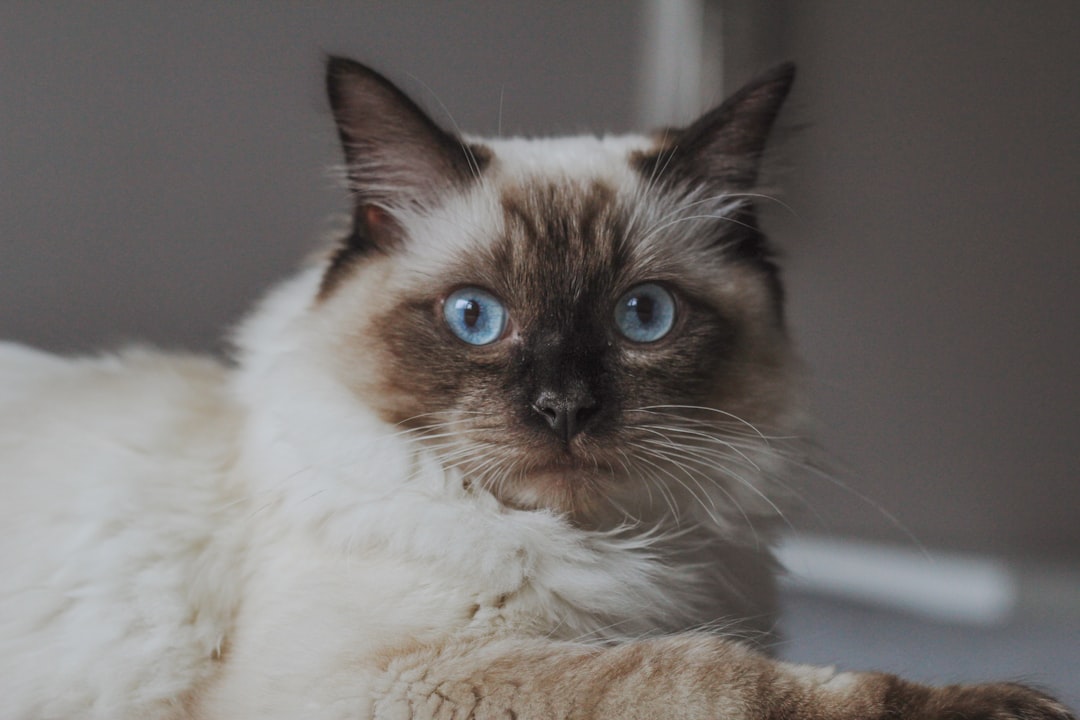
Cats have long been labeled as independent, aloof, and even uninterested in human companionship. Unlike dogs, they don’t always seek constant attention, follow commands, or show affection in obvious ways. But does that mean they don’t love their humans as deeply? Or do they simply express it differently? The truth is, cats form strong bonds, but their way of showing love is often subtle and unique to their nature.
There’s a stereotype that portrays cats as aloof, uninterested creatures who prefer solitude over human interaction. But is this really true? Many cat owners would argue otherwise. Cats often develop deep bonds with their human companions, though they might not always show it in ways we’re accustomed to. Unlike dogs, who might wag their tails and jump up to greet you, cats display their affection more subtly. A slow blink, a gentle purr, or even a headbutt can be a cat’s way of saying, “I love you.”
Understanding Feline Body Language

Deciphering a cat’s body language is crucial to understanding their feelings. When a cat purrs, it might be expressing contentment or seeking comfort. A cat that kneads with its paws is often reminiscing about the comfort of nursing as a kitten. Tail movements are also telling; a raised tail often signals happiness, while a twitching tail might indicate irritation. Understanding these cues can help bridge the communication gap between humans and their feline friends.
Why Cats Seem Independent
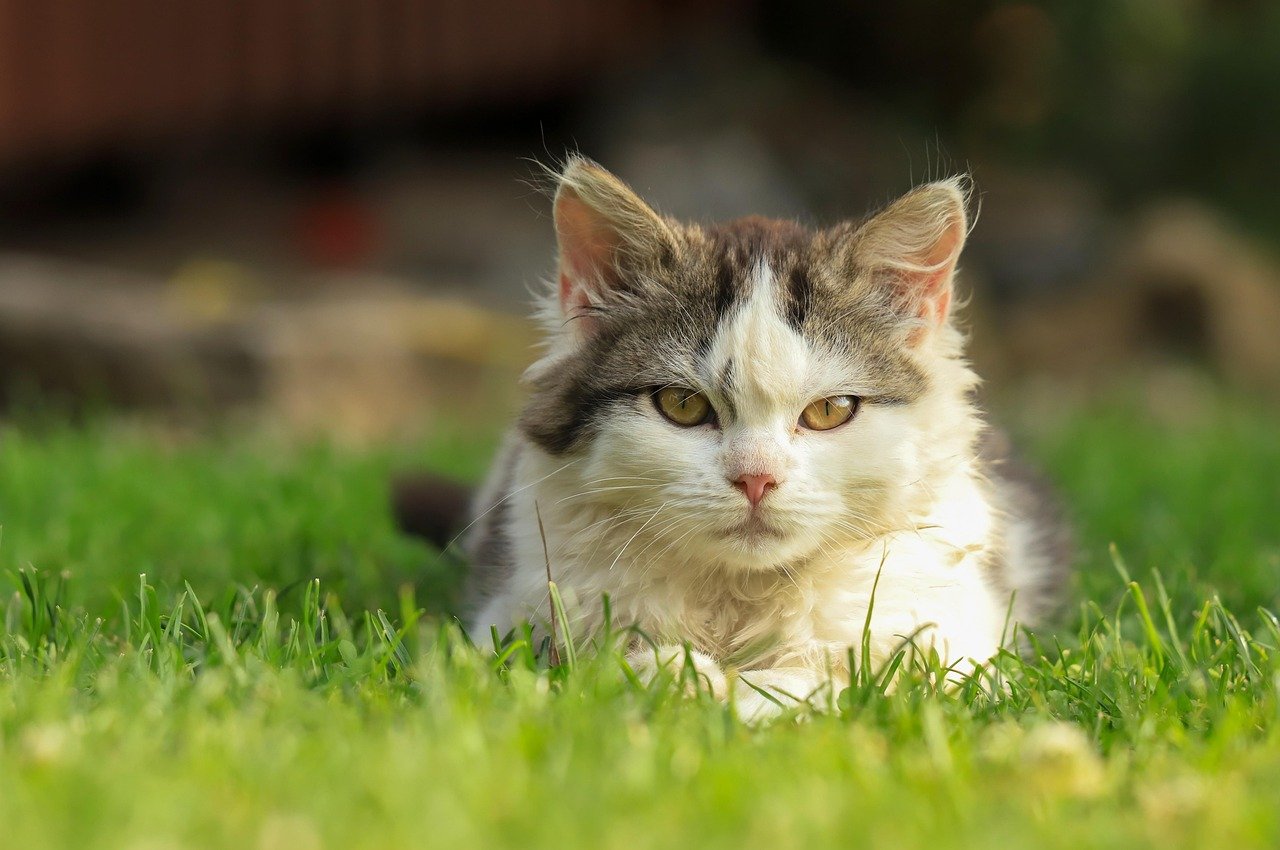
Cats are often seen as independent creatures because they are solitary hunters by nature. Unlike pack animals, cats have evolved to rely on themselves for survival. This independence doesn’t mean they don’t enjoy company; rather, they have learned to be self-sufficient. Their ability to entertain themselves and spend time alone is a testament to their adaptability, not a sign of indifference.
The Role of Routine in a Cat’s Life
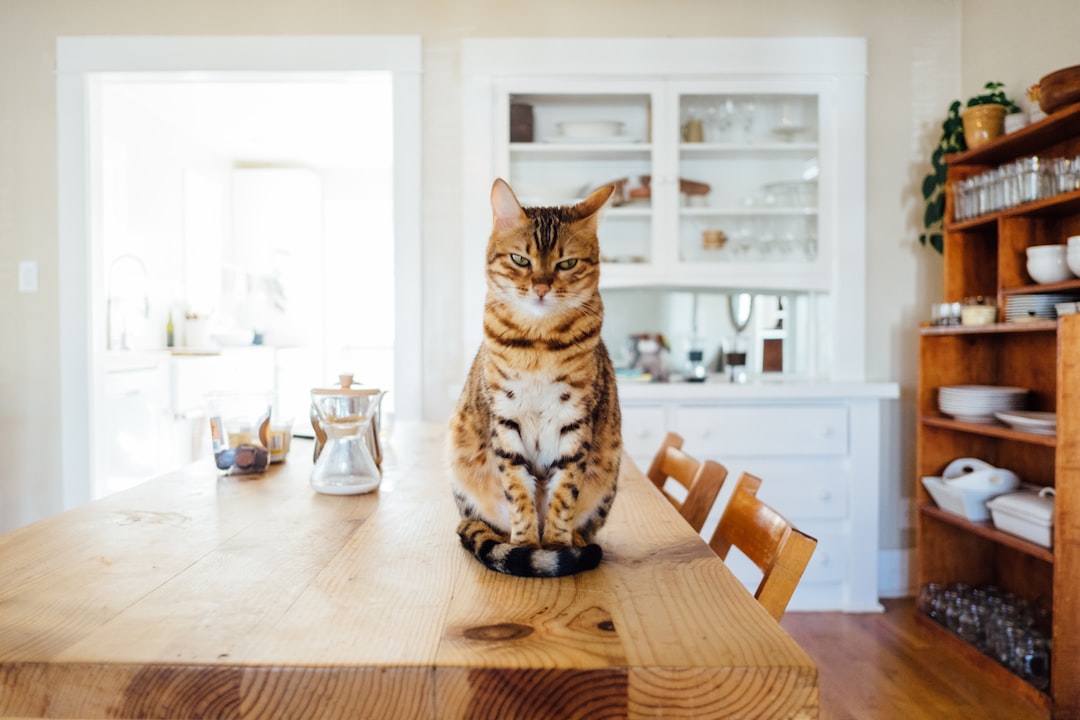
Cats thrive on routine and predictability. They find comfort in knowing when they will be fed and when their human companions will be home. This routine is not just for their physical needs but also for their emotional well-being. A consistent schedule provides security and helps form a bond built on trust and reliability.
Affectionate Behaviors in Cats
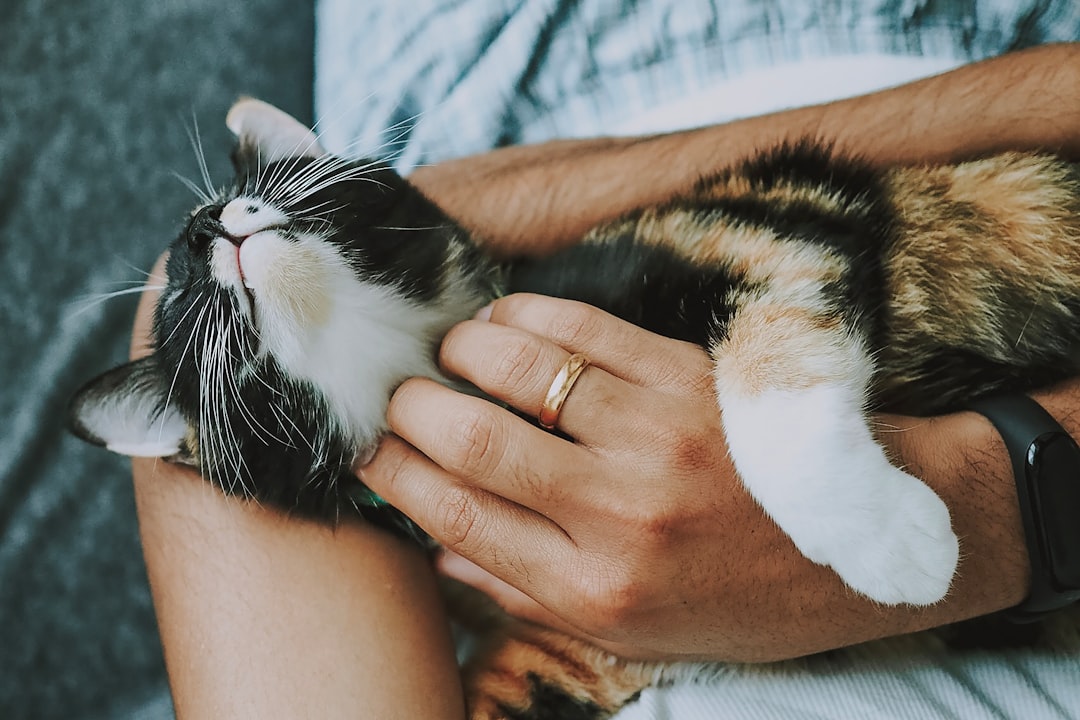
Cats display affection in myriad ways that might not be immediately recognizable. Rubbing against your legs, licking your hand, or choosing to nap beside you are all signs of trust and affection. These gestures, however subtle, show that cats are capable of forming strong emotional bonds with their human companions.
The Importance of Play
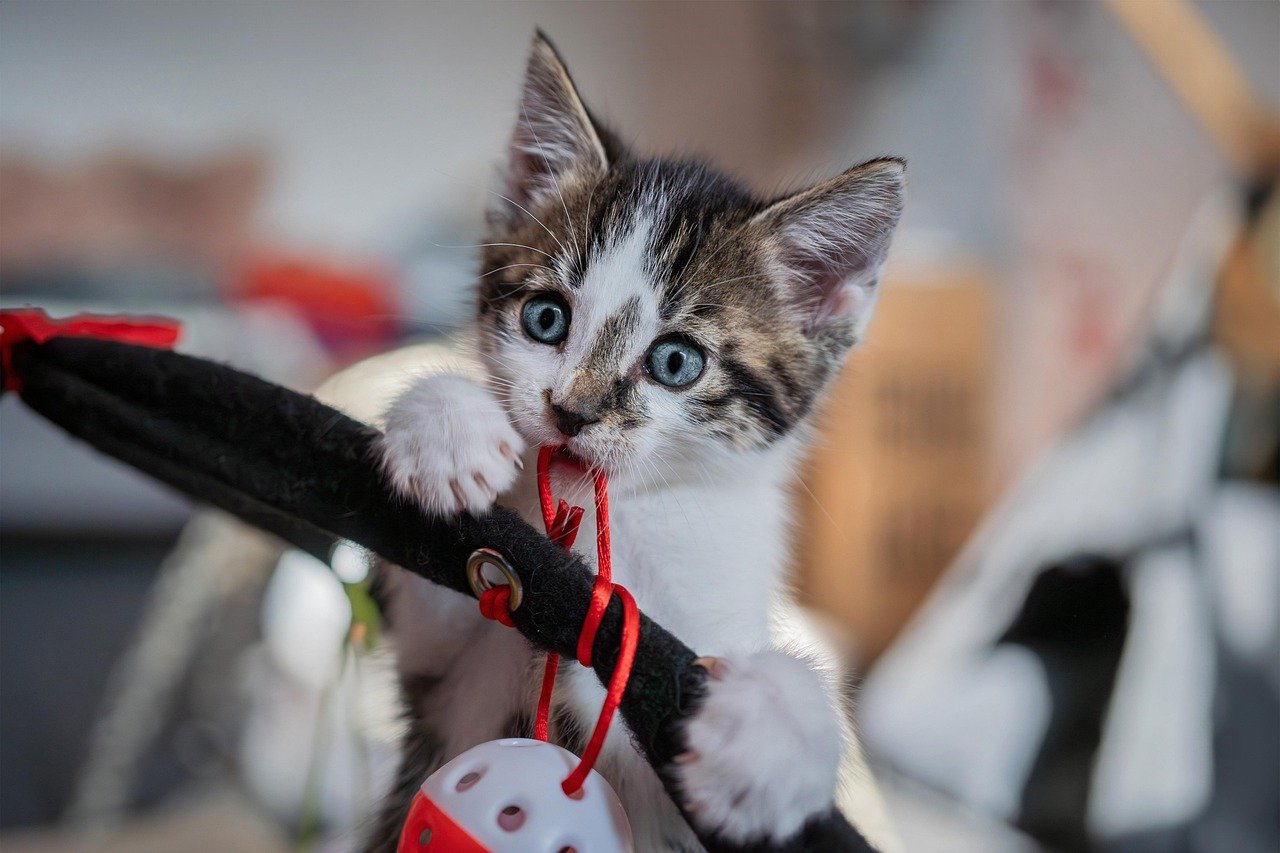
Engaging a cat in play is a powerful way to strengthen the bond between human and feline. Play mimics hunting behaviors and provides mental and physical stimulation. Toys that encourage chasing, pouncing, and swatting can help channel a cat’s natural instincts. This shared activity not only nurtures the relationship but also keeps the cat healthy and happy.
Cats and Their Unique Personalities

Just like people, cats have individual personalities that influence how they interact with the world. Some cats are naturally more sociable and affectionate, while others may be shy or reserved. Recognizing and respecting these differences is key to forming a meaningful relationship with a cat. Accepting a cat’s unique personality allows for a deeper connection that goes beyond surface-level interactions.
Creating a Cat-Friendly Environment

A cat’s environment plays a crucial role in their happiness and well-being. Providing spaces where they can climb, scratch, and hide helps them feel secure and content. Enrichment activities, such as puzzle feeders and interactive toys, can also enhance their quality of life. A well-rounded environment caters to a cat’s natural instincts and fosters a sense of belonging.
The Human-Cat Bond
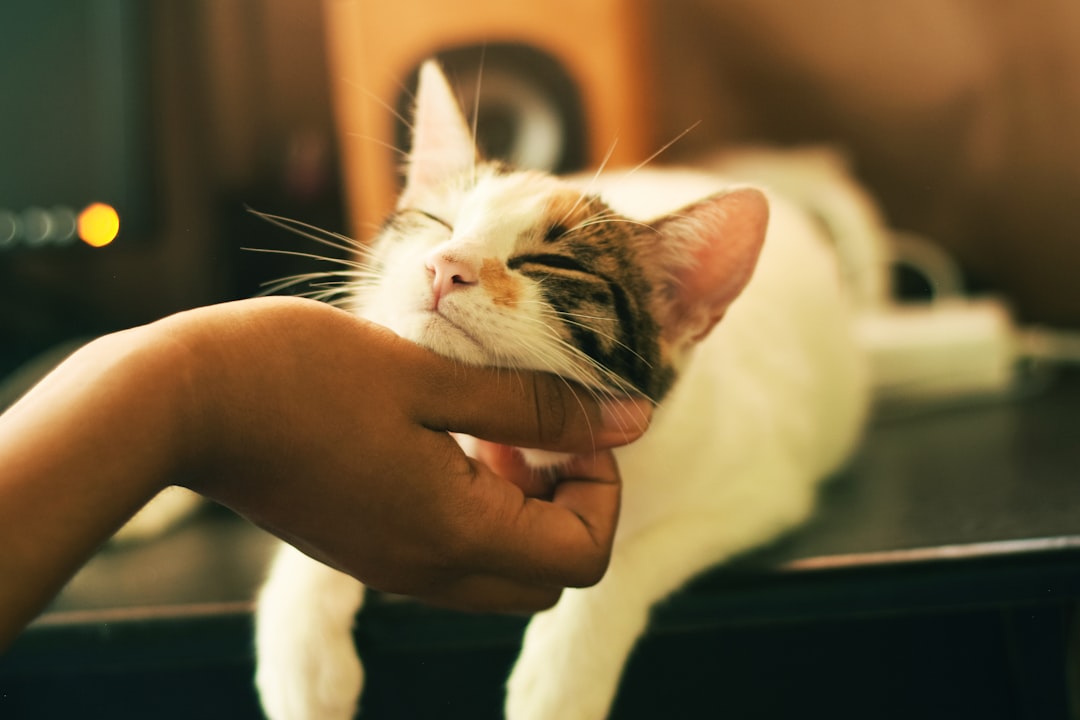
The bond between humans and cats is special and often misunderstood. Cats may not conform to traditional displays of affection, but their loyalty and companionship are undeniable. They offer comfort, companionship, and even emotional support to their human counterparts. This unique relationship is a testament to the diversity of love and connection that exists between species.
Conclusion: Do Cats Love Differently?
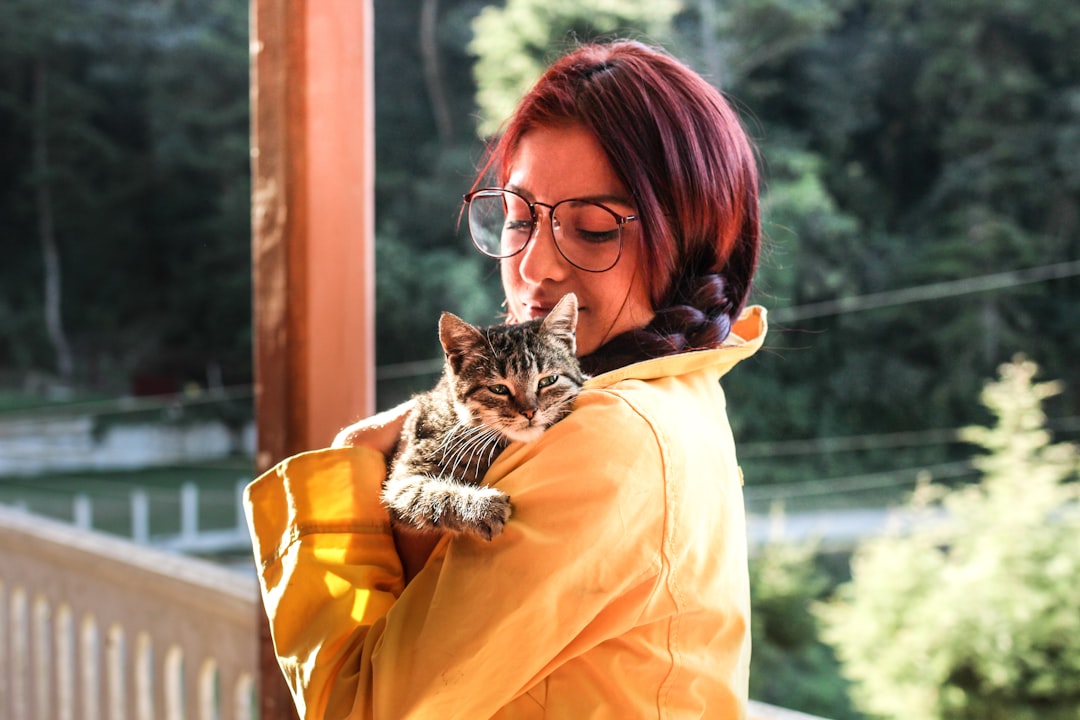
In the end, it’s clear that cats are not too independent; they simply express love in their own unique ways. Understanding and appreciating these differences enriches the human-cat relationship. Cats may not fit the mold of conventional pets, but their affection is genuine and deeply felt. By recognizing and valuing how cats communicate, we open ourselves to a world of love that’s as profound as it is mysterious.


