
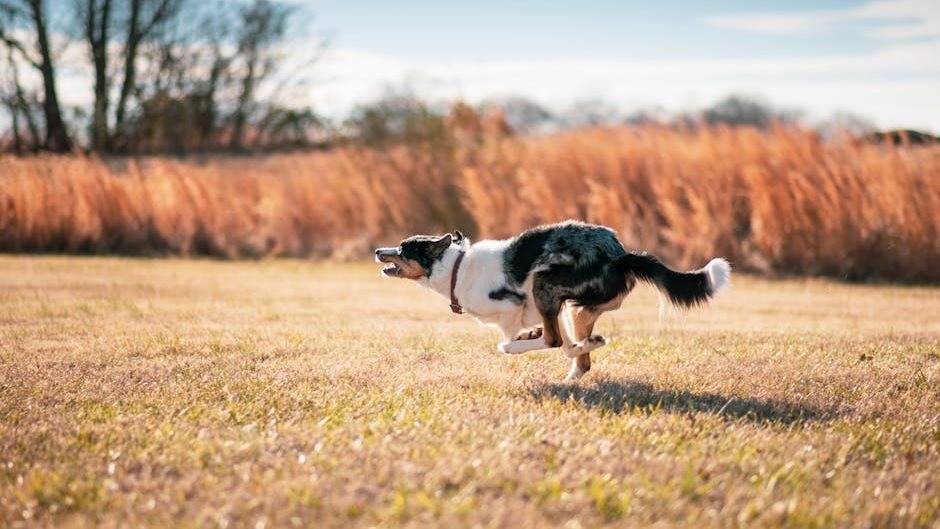
Picture this: you’ve just settled onto the couch with your evening cup of tea when your dog gets that unmistakable look. Eyes wide, body low, tail tucked – and then, pure chaos. They’re off, blasting full speed from the kitchen to the hallway, cutting corners like a race car, and performing what can only be described as a victory lap around the coffee table. It lasts maybe 90 seconds. Then they flop down panting, completely unbothered, as if none of it happened.
If you’ve lived with a dog for any length of time, you know the zoomies. Officially called Frenetic Random Activity Periods, or FRAPs, they’re random bursts of energy where dogs run frenetically, commonly in circles. They’re one of the most universally recognizable dog behaviors, yet most owners still don’t fully understand them. Are they a sign of joy? Pent-up stress? Does it depend on the breed? The answers are more layered than you might expect.
What Are Zoomies, Exactly? The Science Behind the Sprint
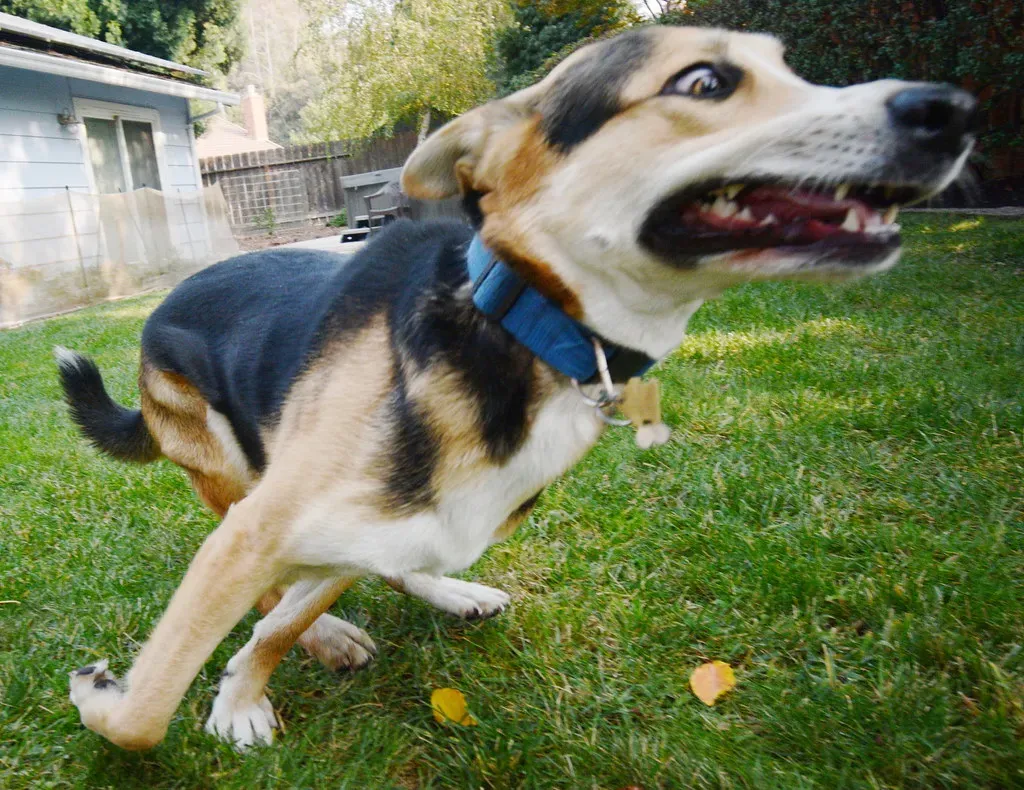
Dog owners have given this phenomenon a colorful range of nicknames, from “zoomies” and “crazy eights” to “midnight madness” and “demon possession.” The official scientific term is frenetic random activity periods, or FRAPs. Despite being so common, they remain somewhat mysterious from a scientific standpoint.
The exact cause of dog zoomies isn’t fully understood, but the general assumption is that they’re a quick way for dogs to release pent-up, excess energy, excitement, or even stress and nervous energy. Think of it as your dog’s built-in pressure valve – when something emotional or physical reaches a tipping point, zoom.
Some ethologists suggest FRAPs express excitement, joy, or a positive arousal state, such as after greeting an owner or successful play. Marc Bekoff, among others, interprets many such episodes as play-related and pleasurable. That said, not every zoomie is a happy one, which is worth keeping in mind.
The behavior also ties back to a dog’s natural instincts. In the wild, sudden bursts of speed could be crucial for chasing prey or evading predators. So in a way, when your dog turns your living room into a sprint track, they’re tapping into something genuinely ancient.
The Breed Factor: Why Some Dogs Zoom More Than Others
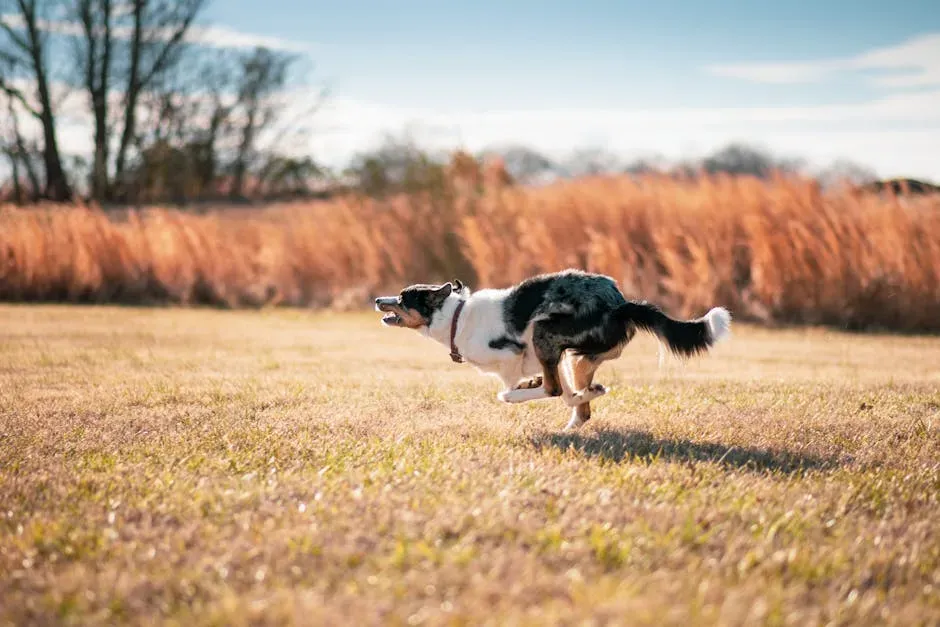
While all dogs can get zoomies, some breeds are more prone to this behavior than others. This comes down largely to genetics, working history, and the sheer amount of energy a breed was selectively built to carry. It’s not random – it’s baked in.
More athletic and high-strung dog breeds, like Australian Shepherds, may experience zoomies more often than laid-back dogs, probably because they need to let their energy out more frequently. Dogs that are generally athletic and energetic, such as Australian Shepherds, Border Collies, and Labrador Retrievers, are typically more likely to get the zoomies versus relatively chill dogs, like Basset Hounds and Bulldogs.
Adult dogs in their prime will vary on the amount they have FRAPs, often depending on their personality and breed type. So even within a high-energy breed, individual dogs can differ quite a bit. One Border Collie might zoom three times a day, while their sibling from the same litter barely zooms at all.
The Usual Suspects: Breeds That Are Famous for Their Zoomies
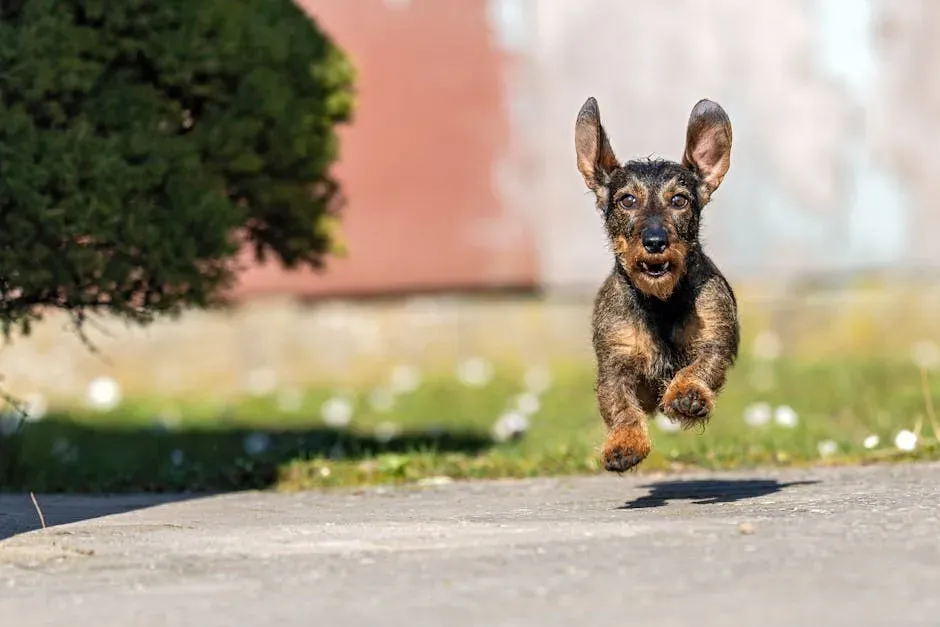
High-energy breeds such as Border Collies, Jack Russell Terriers, and Dalmatians are well known for their zoomie antics. These breeds are naturally very active and may need extra outlets for their energy to prevent excessive or prolonged episodes. Their zoomies often feel more intense, more frequent, and significantly more theatrical.
Certain breeds are bred for work, like herding or hunting, which makes them naturally more energetic. Breeds like Border Collies, Australian Shepherds, and Jack Russell Terriers are known for their high energy and thrive when they have a job to do. When that job isn’t provided, the energy has to go somewhere – and your hallway becomes the racetrack.
Siberian Huskies, bred to run for miles pulling sleds, have brought that endurance to the modern home, often expressing their pent-up energy through dramatic zoomies and playful antics. Jack Russell Terriers are like furry firecrackers, packing an explosive amount of energy into their small frames. Size is genuinely no indicator of zoom intensity here.
If working dogs fail to get their exercise, zoomies in the house will be a certainty. That’s not a warning so much as a helpful forecast. Knowing your breed’s baseline energy needs is the first step toward managing zoomies intentionally, rather than just surviving them.
Common Zoomie Triggers: What Sets Your Dog Off
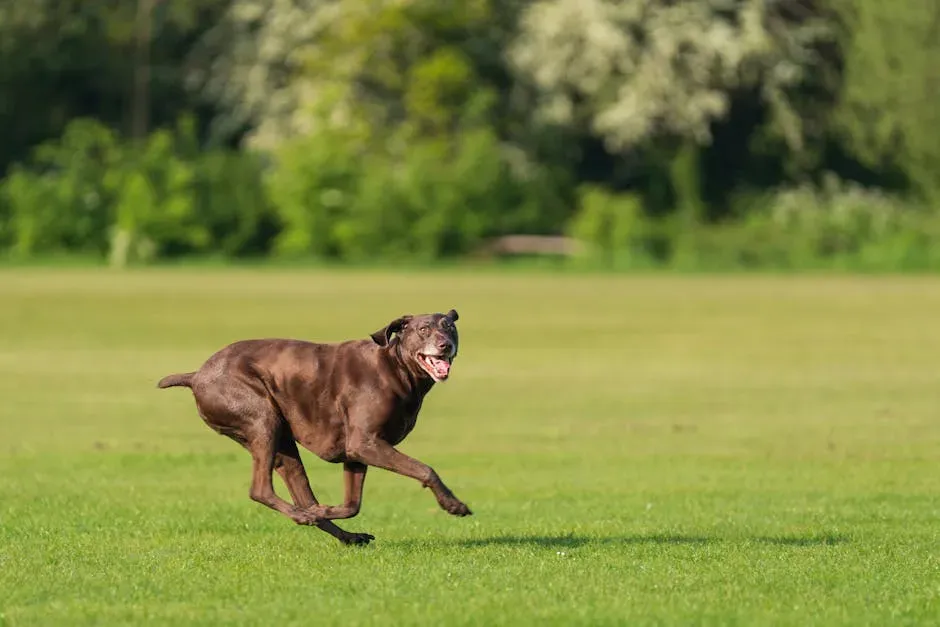
Some veterinary experts have noticed that FRAPs are often associated with times of transition, such as the return of an owner. Moments of high arousal, like spotting the leash as you get ready for a walk, or when you arrive home at the end of the day, can trigger a FRAP. Dashing around the house helps vent a dog’s remaining happy energy before settling down.
Post-bath zoomies are also extremely common. Between the discomfort of water, soap, and the handling required to get clean, enduring a bath requires more patience than many dogs have. By the time it’s over, they’re relieved to shake off the water and the stress. Couple the odd sensation of wet fur with new scents from the shampoo, and you have the perfect recipe for a zoomie.
Lack of exercise can be a significant driver of zoomies. All dogs, but especially puppies, need plenty of time to exercise both their bodies and their brains. When they don’t get enough of both, the result can be an uptick in zoomies, often paired with less desirable behaviors like nipping and vocalization. That’s a useful signal your dog is giving you, even if the delivery is a bit chaotic.
Reading the Room: Happy Zoomies vs. Stressed Zoomies

Your dog’s posture during and after a FRAP episode will tell you if they’re having fun or if they’re upset. Many dogs tuck their butts and tails as they run, as if scooting along and trying to keep their tail out of a playmate’s grasp. A typical happy zooming dog will be loose and even wiggly, bouncing around you when they slow down, with their tongue flapping out, possibly throwing in a play bow.
A frightened dog will be more tense, with wide eyes and a tightly tucked tail that stays tucked to the belly even when stopping. They may also carry their head low with ears folded back submissively. A scared dog needs to be calmed down, since this kind of frenzy is not a happy one. If you’re unsure, that body language distinction is everything.
True zoomies have rhythm and joy to them. They come on suddenly, last under a minute, and end with a relaxed dog who flops down in contentment. Compulsive spinning or pacing looks different. It’s repetitive, happens in specific patterns, and can last far longer than normal zoomies. These dogs often seem tense, not playful. When in doubt, record a short video and show it to your vet.
How to Handle Zoomies Safely and Smartly
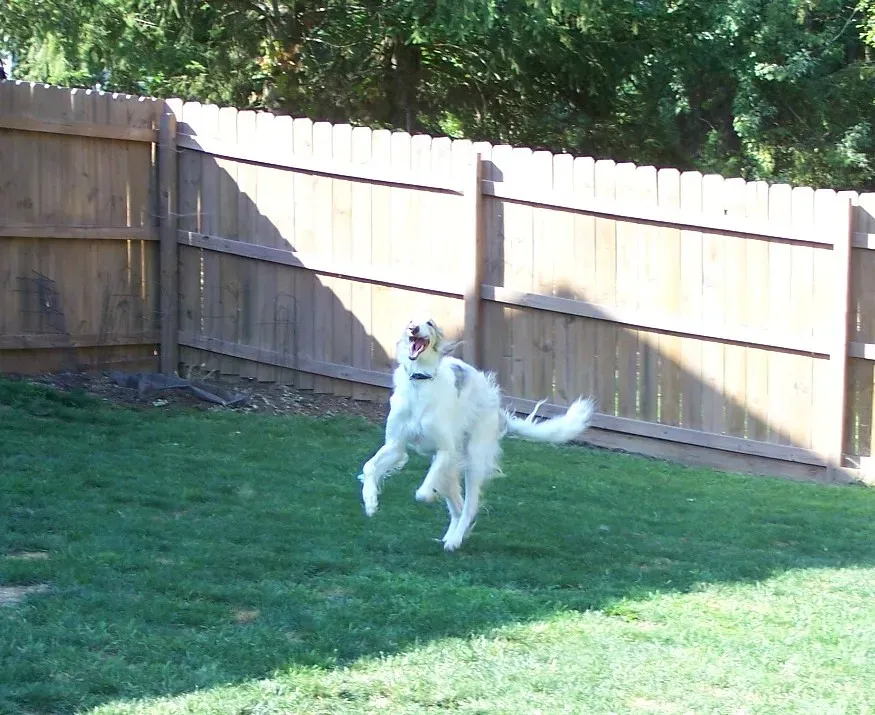
Zoomies themselves won’t hurt your dog, but a dog running around at full speed without a plan sometimes has unfortunate consequences. Although FRAPs are normal, a dog zooming around the house or yard may be in danger of injuring themselves or breaking something. Owners should keep zooming dogs away from stairs, slippery floors, obstacles, and the road.
The best footing for hard running is grass, but carpet and packed dirt are also good options. Hard floors, ice, and unstable footing such as gravel or sand increase the risk of the dog slipping or falling, which could result in an injury. If your home has slick tiles or hardwood throughout, a few strategically placed rugs can make a real difference during zoom season.
Dedicated training sessions can redirect energy and provide mental stimulation. Teaching new tricks, practicing obedience commands, or engaging in scent work or agility training not only tires out your dog physically and mentally but also strengthens the bond between you and your dog. The idea is not to eliminate your dog’s ability to release energy, but to channel it. That’s a mindset shift worth making.
If your dog exhibits zoomies frequently or at inopportune times, they may be telling you that they need more exercise and mental stimulation. For a quick in-the-moment solution, scattering treats on the ground can help calm dogs, since simple nose work activities naturally bring arousal levels down. It sounds almost too simple, but it genuinely works.
Conclusion: Your Dog’s Zoomies Are Telling You Something
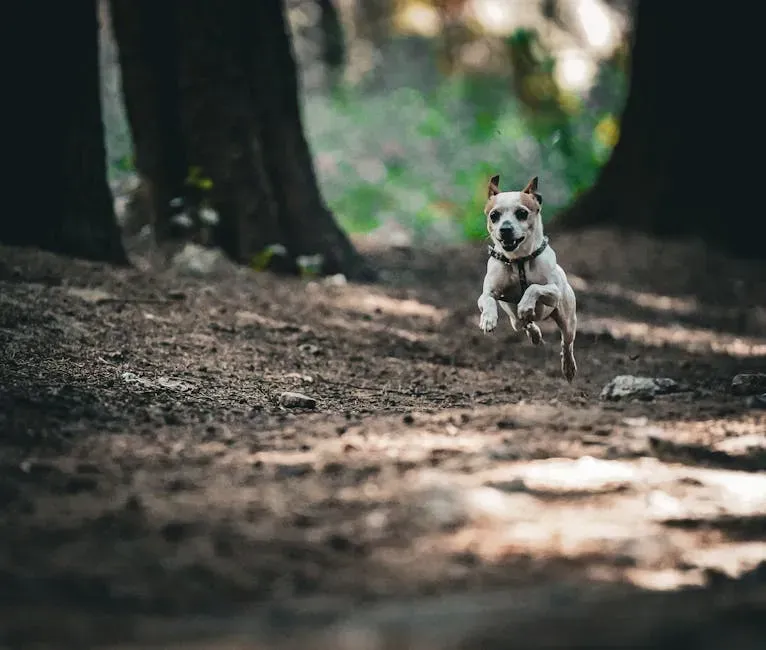
Whether your dog is a Border Collie doing laps at 6 AM or a Labrador going berserk after bath time, the zoomies are ultimately a window into how your dog is feeling. Joy, relief, restlessness, or the need for more stimulation – there’s almost always a message underneath the madness.
High-energy breeds will almost certainly zoom more, and more intensely. That’s not a flaw – it’s part of who they are. The more you understand your individual dog’s triggers, energy needs, and body language cues, the better you’ll be at reading each episode for what it actually is.
Most of the time, the best thing you can do is clear a safe space, smile, and let them have their moment. After all, a dog who still gets the zoomies is a dog with something to be joyful about – and that’s worth a little chaos.


