

Dogs have long been celebrated as humanity’s best friend, displaying a level of loyalty that seems almost magical. This bond between humans and dogs can be traced back thousands of years, yet the question remains: Are dogs naturally loyal, or is their devotion something we’ve cultivated over time? As we unravel the intricacies of canine devotion, let us explore the science behind this remarkable relationship.
The Origins of Canine-Human Bonding
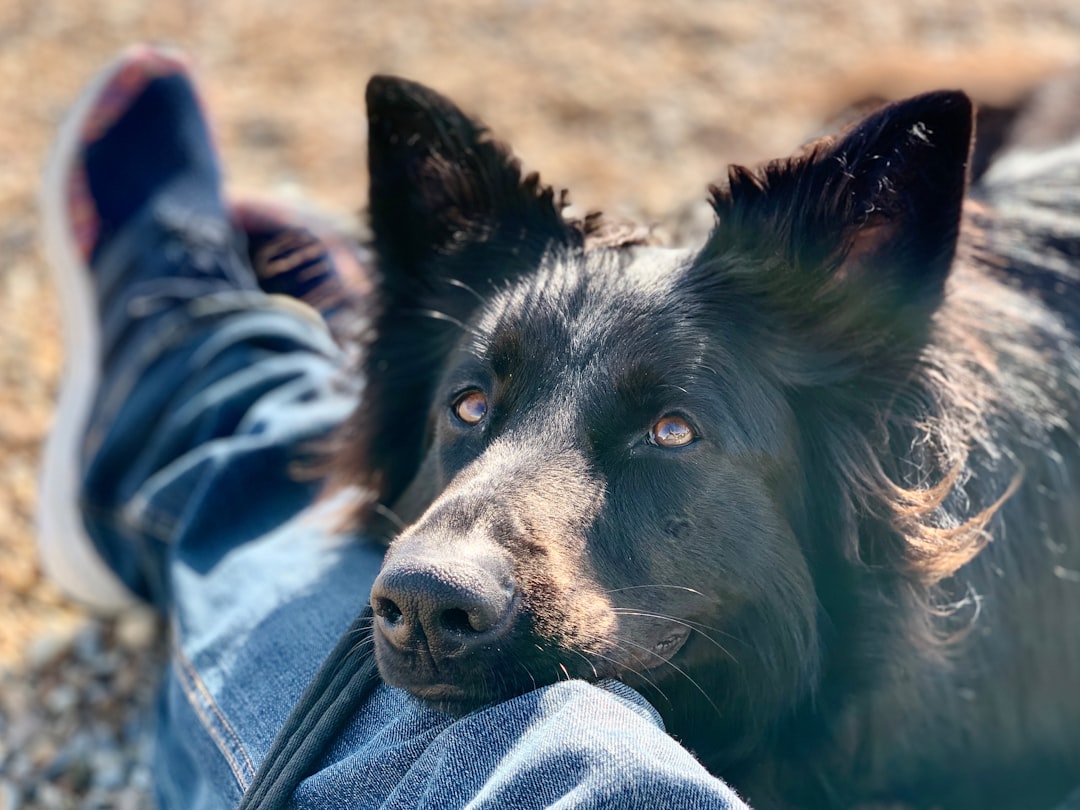
Dogs have long been celebrated for their unwavering loyalty, but is this devotion truly instinctive, or is it shaped by their bond with humans? From ancient history to modern companionship, dogs have stood by our side, protecting, comforting, and following us with steadfast dedication. But what drives this deep connection? Is it love, pack mentality, or something more?
The connection between humans and dogs has deep roots in history, likely beginning with early human societies. It is believed that wolves, the ancestors of modern dogs, were drawn to human settlements by the promise of food. Over time, those wolves who showed less fear and aggression towards humans were more likely to survive and reproduce. This mutual benefit laid the groundwork for a partnership that would evolve into the profound loyalty we see today. The selective breeding of these animals over thousands of years has only strengthened these bonds, fostering traits that have made dogs loyal and dependable companions.
Understanding Canine Loyalty
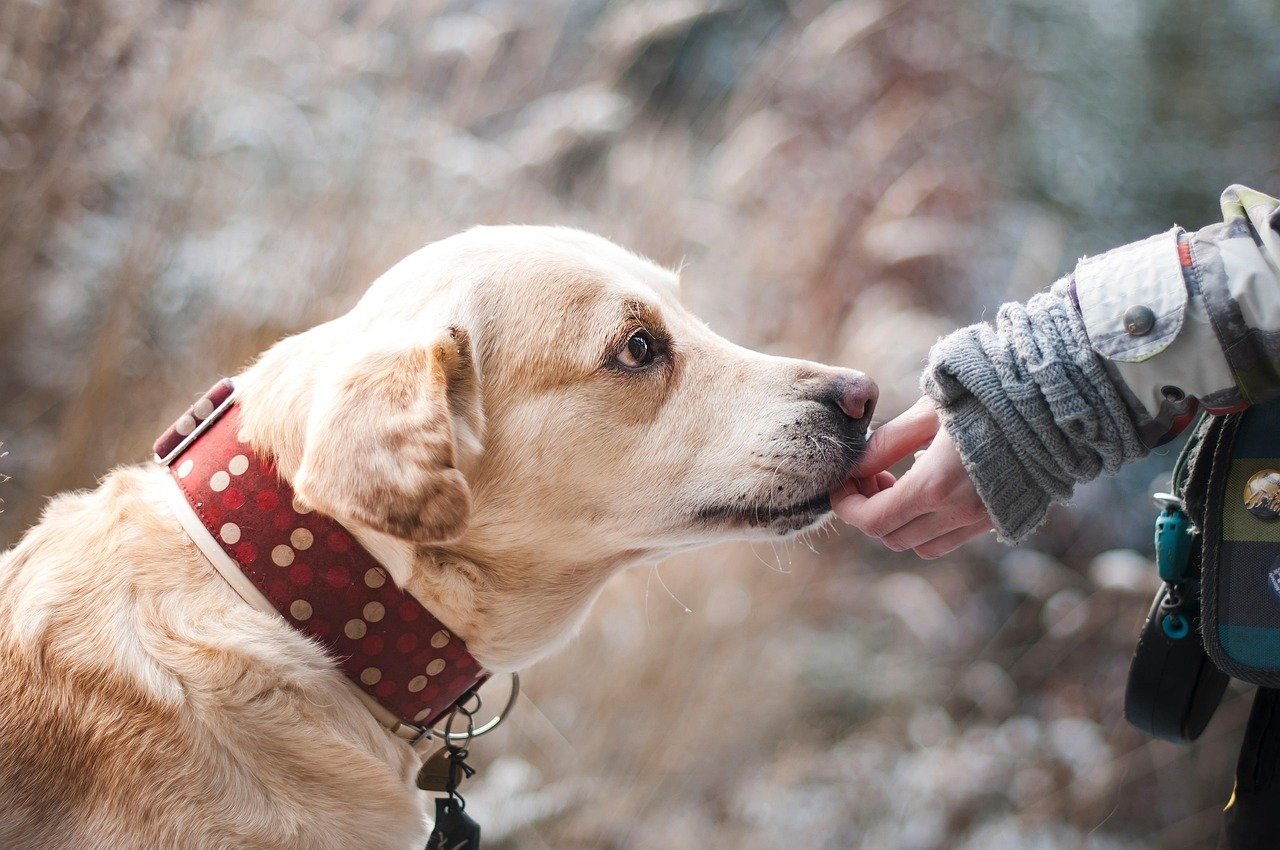
When we talk about loyalty in dogs, we refer to their tendency to form strong attachments to their human companions. This loyalty is often characterized by behaviors such as following their owners around, showing excitement upon their return, and even protecting them from perceived threats. But is this loyalty inherent, or is it a learned behavior? Studies suggest that dogs possess an innate ability to read human emotions and respond accordingly, which plays a significant role in their loyalty. This sensitivity to human cues is a trait that has been honed throughout the domestication process.
The Role of Oxytocin in Dog-Human Relationships
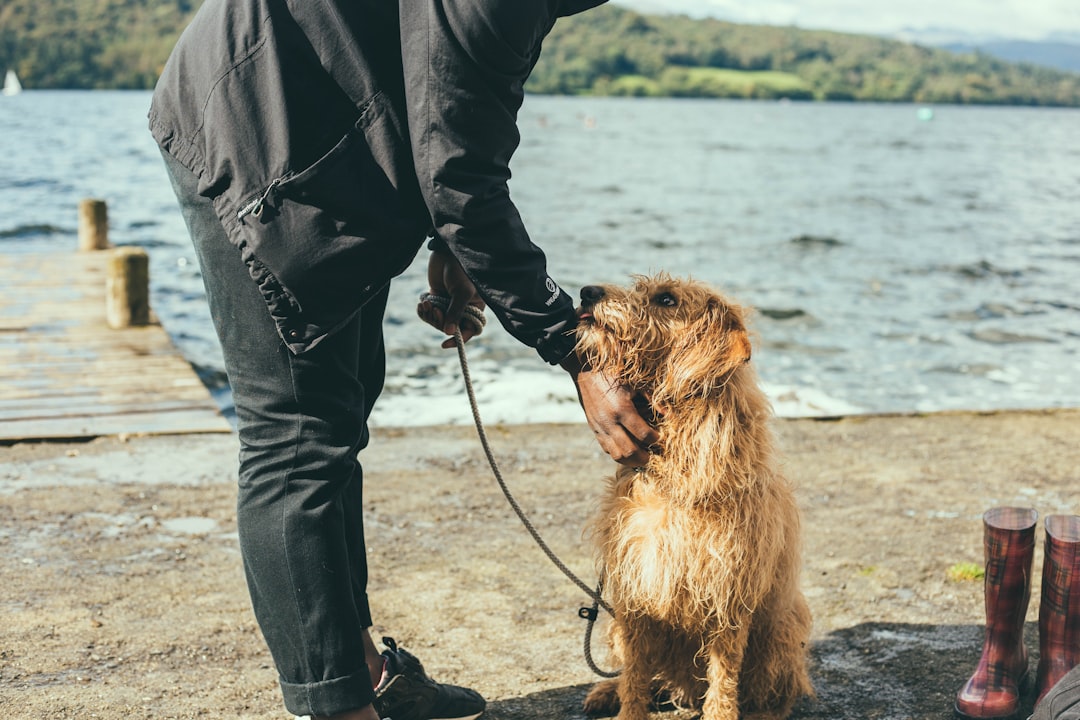
Oxytocin, often dubbed the “love hormone,” is a chemical that plays a crucial role in the bonding process between dogs and humans. When a dog interacts with its owner, both parties experience a surge in oxytocin levels, strengthening their emotional connection. This mutual release of oxytocin fosters feelings of trust and affection, reinforcing the dog’s loyalty to its human companion. This chemical reaction is similar to the bond-forming process between mothers and their infants, suggesting that dogs are biologically inclined to form deep, loyal connections with humans.
Socialization and Training Influence Loyalty
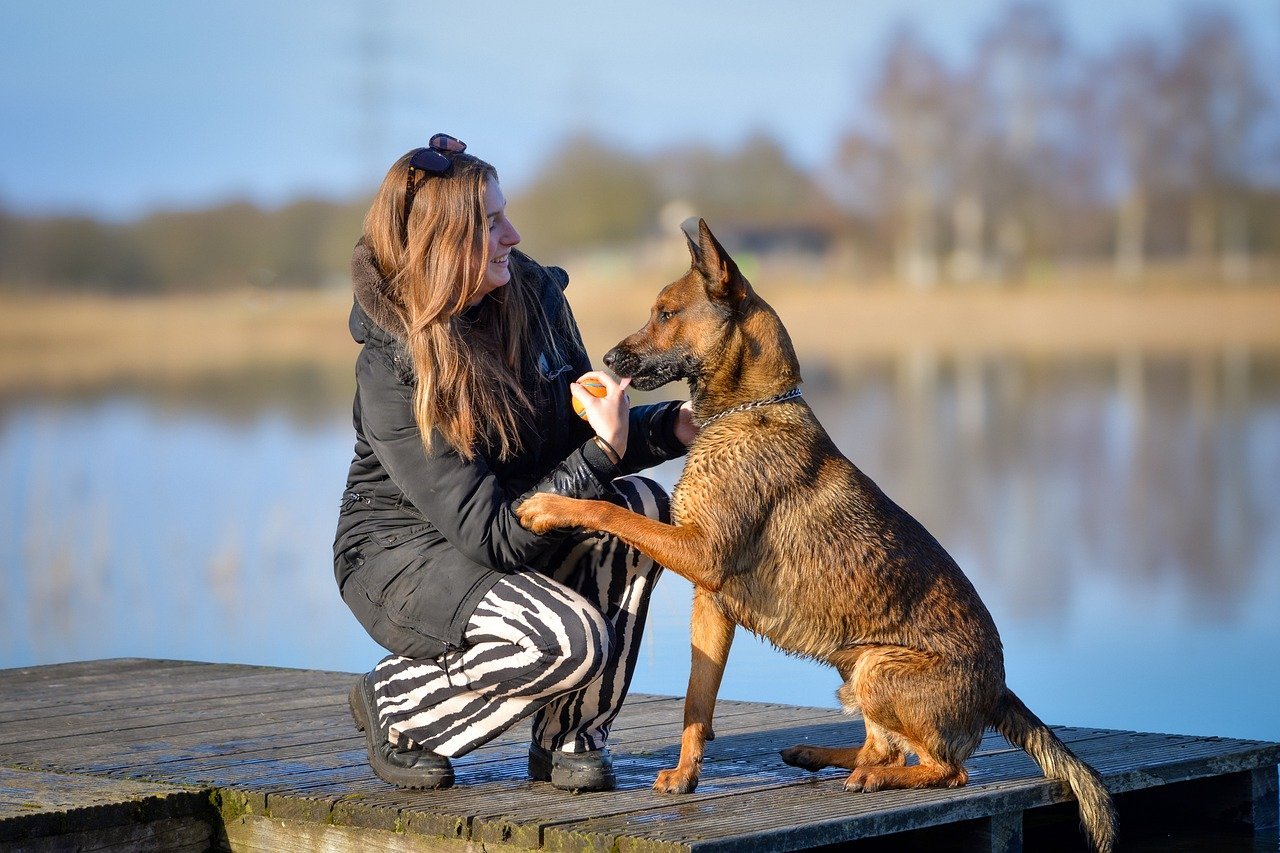
While dogs have a natural predisposition towards loyalty, socialization and training play a vital role in shaping this behavior. Early exposure to a variety of people, environments, and situations can help dogs develop a well-rounded temperament, making them more adaptable and loyal companions. Training reinforces this loyalty by establishing a clear communication channel between dogs and their owners. Commands and routines create a sense of structure, enabling dogs to understand expectations and build trust within their human pack.
Breed-Specific Traits and Loyalty
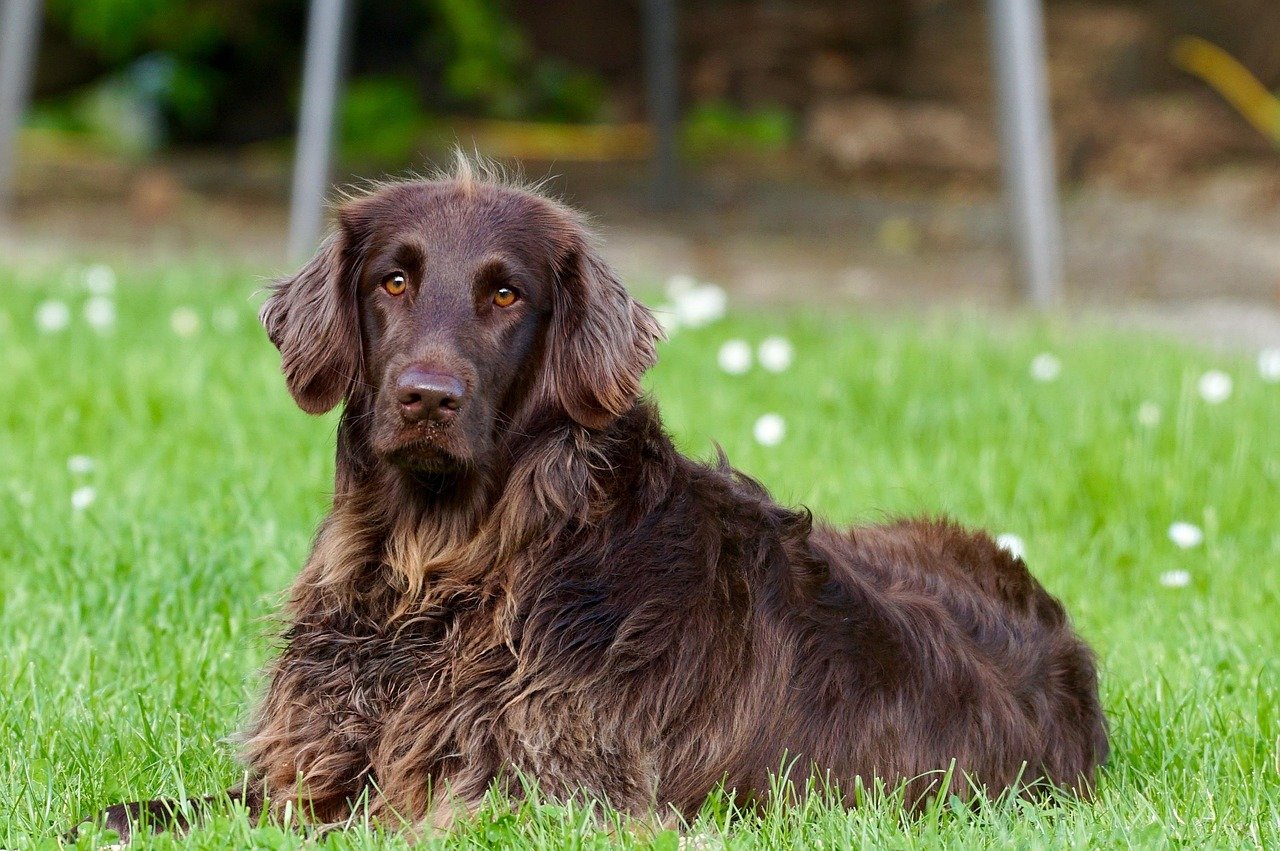
Different dog breeds exhibit varying degrees of loyalty, influenced by their historical roles and genetic makeup. For example, breeds like German Shepherds and Labrador Retrievers are known for their strong loyalty due to their historical roles as herders and retrievers. These breeds were selectively bred for tasks that required a close working relationship with humans, leading to an inherent loyalty. On the other hand, independent breeds like the Shiba Inu may not exhibit the same level of attachment, showcasing the diversity in canine loyalty.
The Impact of Environment on Loyalty
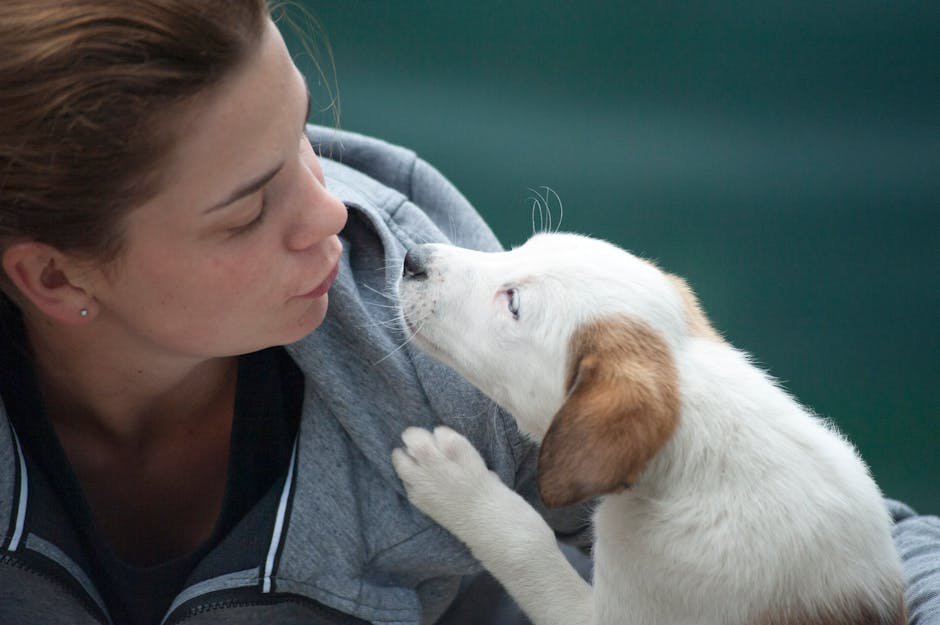
The environment in which a dog is raised can significantly impact its loyalty. Dogs raised in loving, supportive homes are more likely to develop strong bonds with their owners. Conversely, dogs subjected to neglect or abuse may struggle to trust humans, affecting their natural inclination towards loyalty. Creating a positive and nurturing environment is essential to fostering a dog’s innate devotion, allowing them to thrive as loyal companions.
Canine Communication: A Key to Loyalty

Understanding how dogs communicate is crucial in nurturing their loyalty. Dogs express their emotions and intentions through body language, vocalizations, and facial expressions. By learning to interpret these cues, owners can respond appropriately, strengthening the bond with their furry friends. For instance, a wagging tail might indicate excitement, while a low growl could signal discomfort. Effective communication fosters a deeper connection, reinforcing the dog’s loyalty to its human family.
The Emotional Intelligence of Dogs
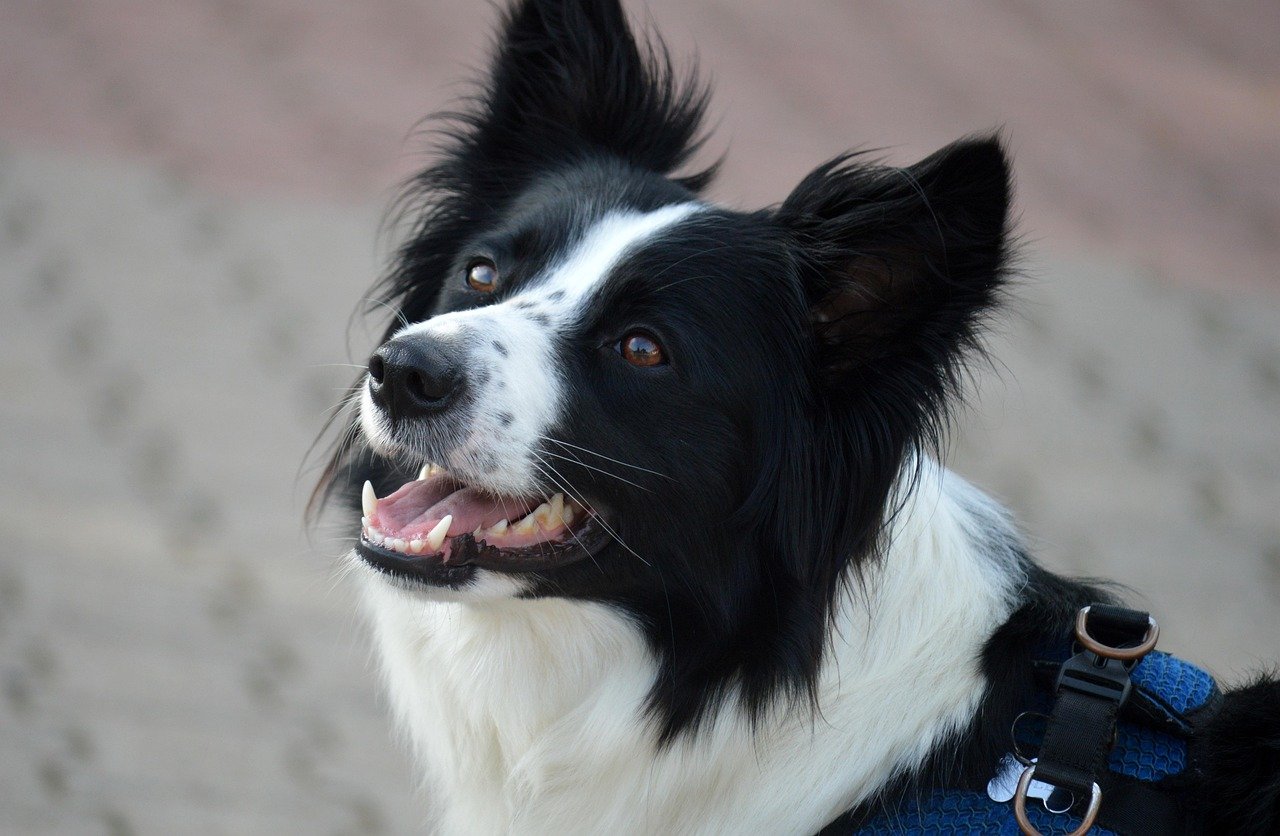
Dogs possess a remarkable level of emotional intelligence, allowing them to perceive and respond to human emotions effectively. This ability to empathize with their owners contributes significantly to their loyalty. Dogs can sense when their humans are sad, happy, or stressed, often offering comfort or companionship in response. This emotional attunement is a testament to their devotion, as they strive to be there for their human companions, no matter the circumstance.
The Role of Routine in Building Trust

Routine plays a critical role in establishing trust and loyalty between dogs and their owners. Consistency in daily activities such as feeding, walking, and playtime helps dogs feel secure and understand what to expect. This predictability fosters a sense of safety and stability, making dogs more inclined to trust and remain loyal to their human companions. A well-established routine can be likened to a comforting rhythm, soothing and reassuring to our canine friends.
The Unbreakable Bond: A Testament to Love
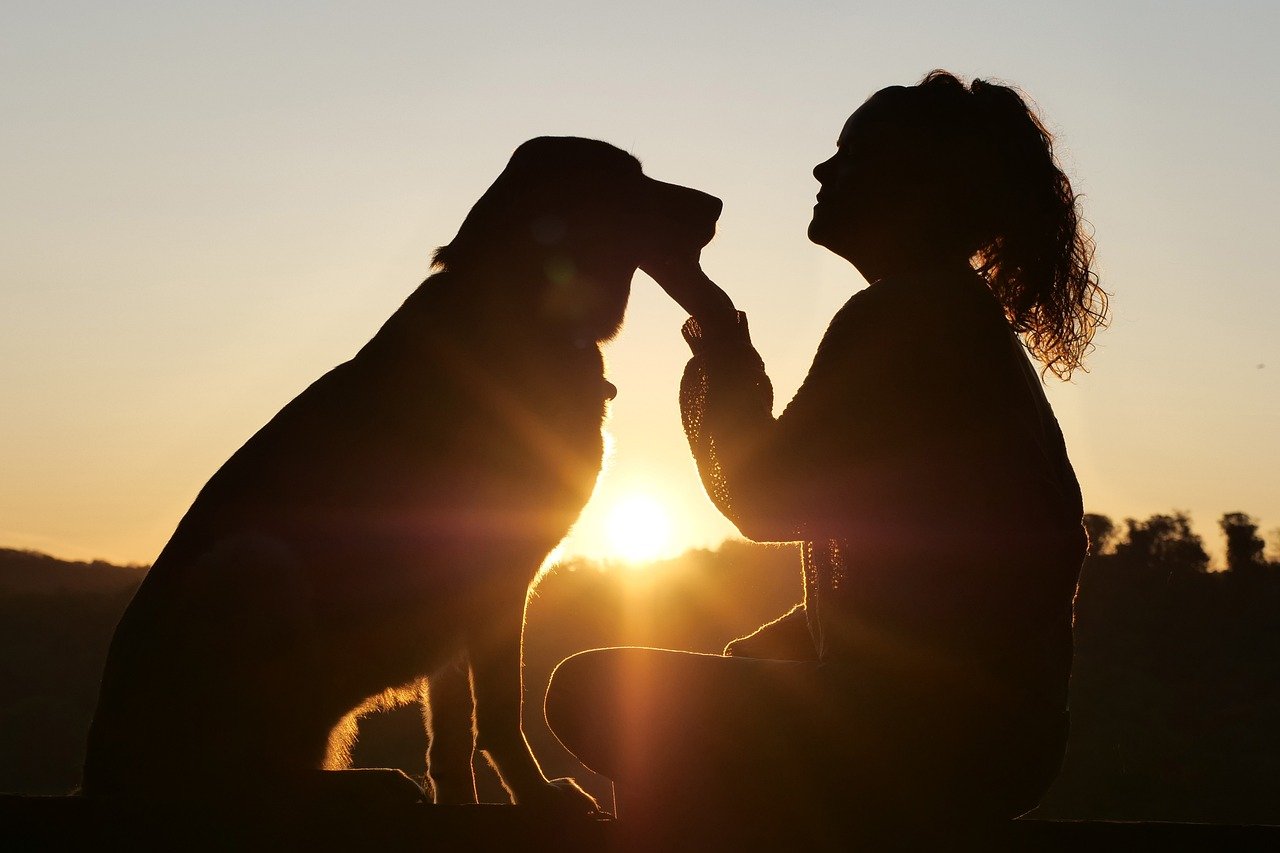
Ultimately, the loyalty of dogs is a testament to the enduring bond between species. It is a relationship built on mutual care, trust, and understanding, transcending the boundaries of language and species. Whether through the wag of a tail or the gentle nuzzle of a snout, dogs express their loyalty in profound and touching ways. This unbreakable bond is a reminder of the love that can exist between humans and animals, a connection that enriches our lives and reminds us of the power of devotion.


