
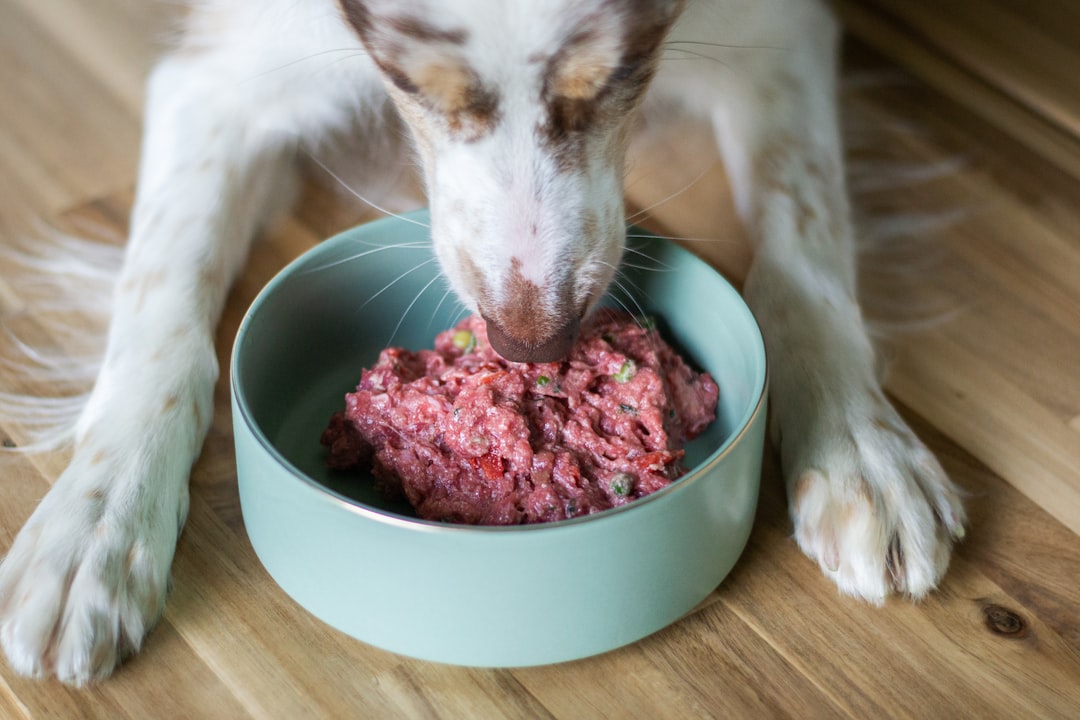
Grain-free dog diets have sparked quite the debate among pet owners, but are they actually better? While some pups with allergies or sensitivities may benefit, grain-free isn’t automatically healthier for every dog. Grains can provide important nutrients like fiber and energy when included properly. The key is understanding your dog’s individual needs rather than jumping on a trend. Always chat with your vet before making big food changes—your dog’s health depends on it!
The Surprising Rise of Grain-Free Dog Food
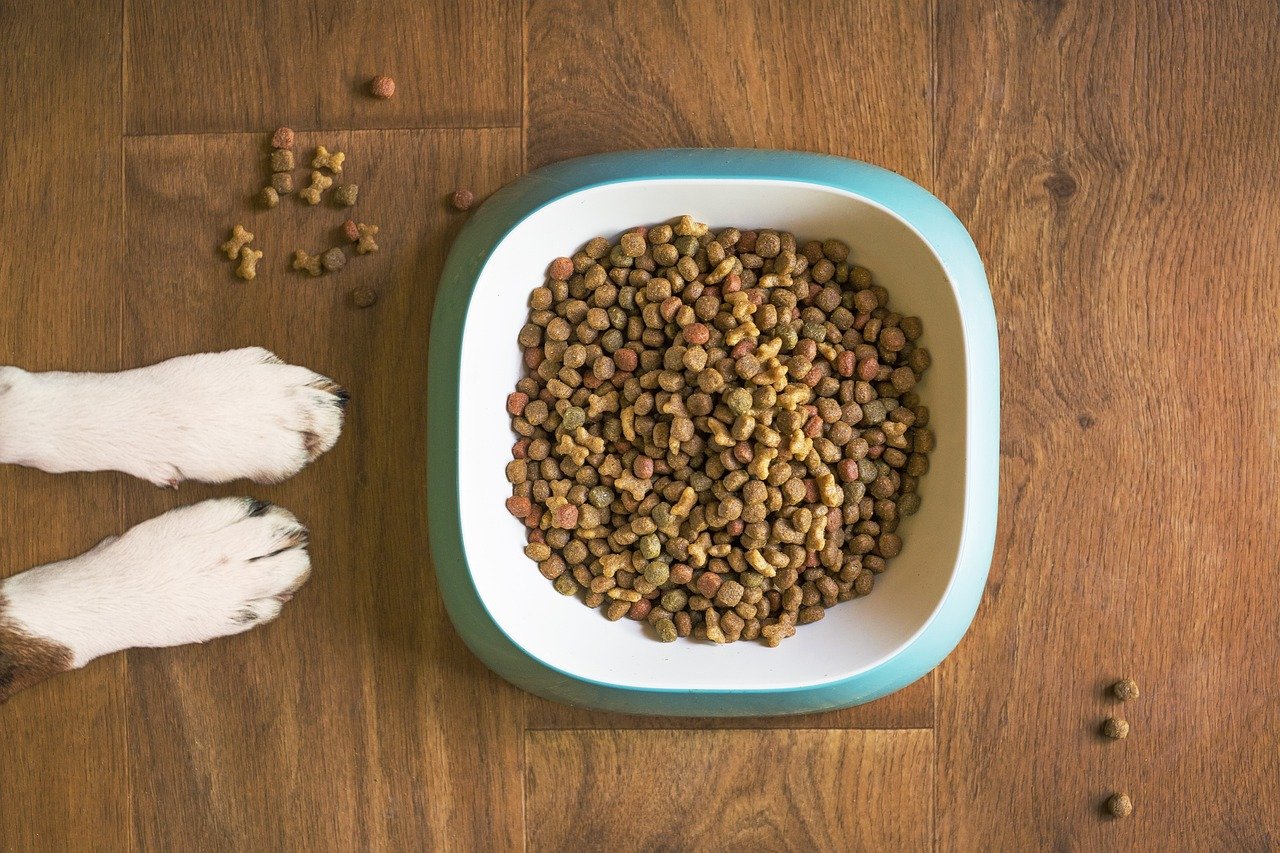
Walk into any pet store today, and you’ll see shelves loaded with grain-free dog foods, each promising to be the healthiest choice for your furry friend. This trend has exploded over the last decade, fueled by passionate dog owners eager to give their pets the very best. But what’s really behind this grain-free craze? Many people assume that, just like some humans, dogs should avoid grains to prevent allergies, sensitivities, or even improve their overall well-being. The emotional pull of wanting our dogs to thrive can make these promises hard to resist. Yet, understanding why grain-free diets became so popular is essential before deciding if it’s truly the right path for your pup.
What Does “Grain-Free” Actually Mean?
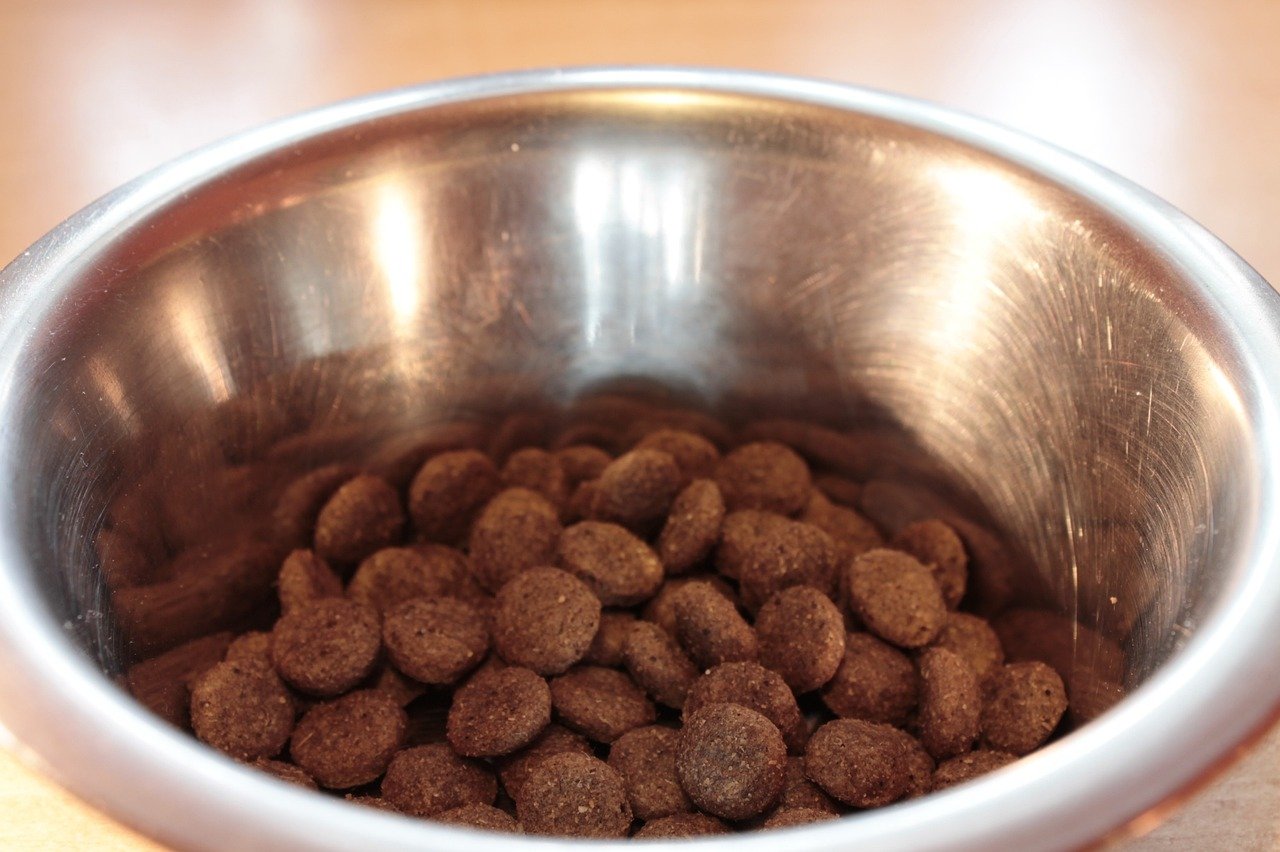
It sounds straightforward, but many dog lovers are surprised by what “grain-free” actually entails. In simple terms, grain-free dog food is made without common grains like wheat, corn, rice, barley, or oats. Instead, these foods often use alternatives such as potatoes, peas, lentils, or chickpeas as carbohydrate sources. While the absence of grains might seem healthier, these substitutes aren’t always nutritionally superior. The switch doesn’t necessarily mean fewer carbs—it just means different kinds. The label “grain-free” can be misleading, as it suggests an entirely different nutritional profile, but that isn’t always the case.
Common Reasons Dog Owners Choose Grain-Free Diets
Many dog owners make the switch to grain-free diets hoping to solve specific health problems. Allergies are a top concern—itchy skin, upset stomachs, or chronic ear infections are often blamed on grains. Some believe that dogs are natural carnivores, so grains don’t belong in their diet. Marketing also plays a powerful role, with grain-free brands promising shinier coats, more energy, and even longer lives. The desire to pamper our pets and avoid “fillers” leads many to grain-free options. But are these reasons always grounded in fact, or are they sometimes driven by clever advertising and genuine but misplaced concern?
The Science: Are Grains Really Harmful to Most Dogs?
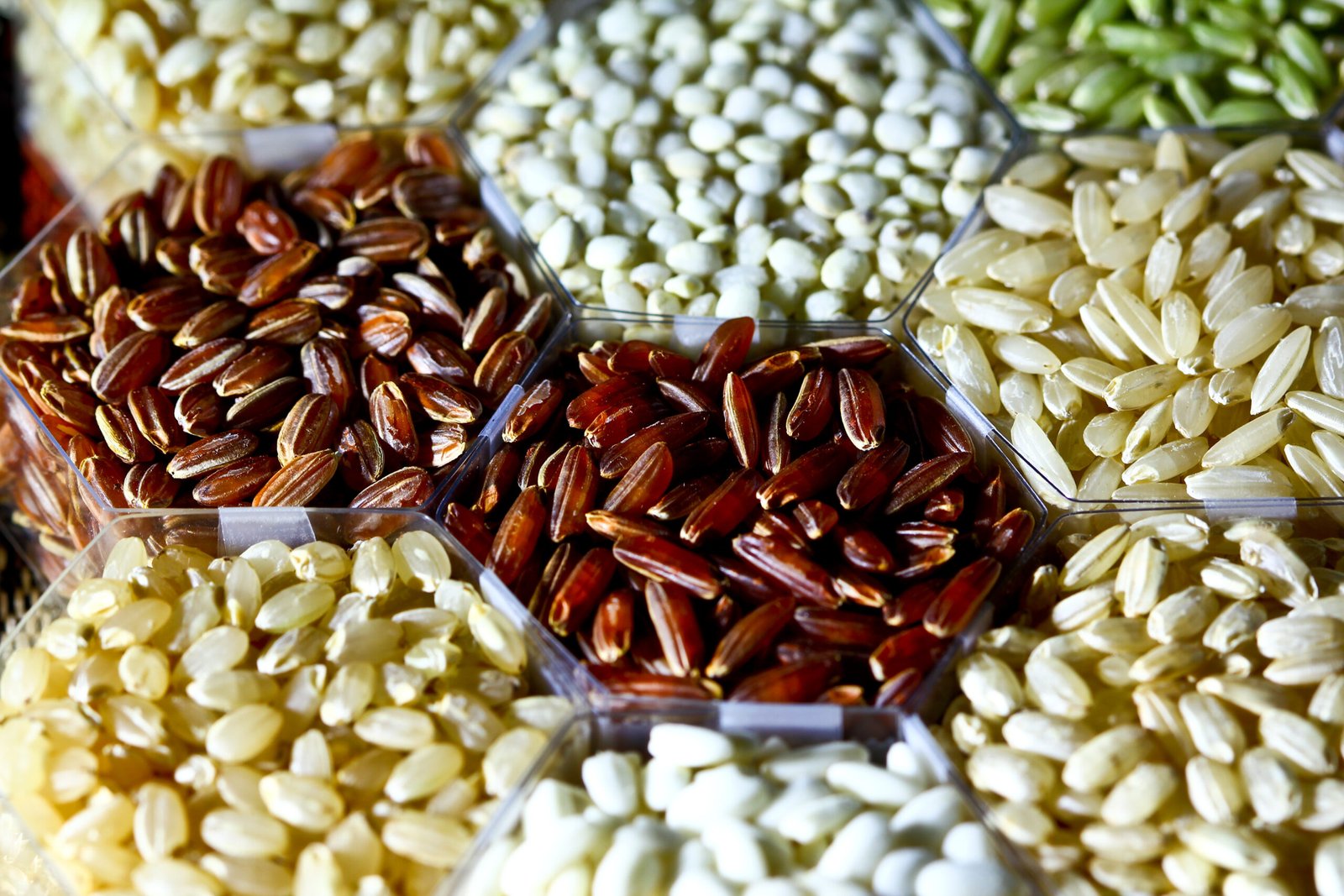
Here’s where things get interesting—and sometimes shocking. Multiple scientific studies have shown that true grain allergies in dogs are actually quite rare. Most food allergies in dogs are caused by proteins like beef, dairy, or chicken, not grains. Grains can be a healthy part of a balanced canine diet, offering valuable nutrients and fiber. The fear that grains are inherently bad for dogs simply isn’t supported by most research. While some individual dogs can have specific sensitivities, for the vast majority, grains are not the enemy. This is a surprising twist for many dog lovers who assumed otherwise.
Potential Benefits of Grain-Free Diets

Despite the science, some dogs do thrive on grain-free diets. For pets with diagnosed grain allergies or intolerances, removing grains can lead to noticeable improvements in skin and digestive health. Grain-free diets can also help dogs struggling with particular medical conditions under a veterinarian’s guidance. Some owners report shinier coats, better stool quality, or increased energy. However, these benefits are not universal, and often, improvements may be due to switching to a higher-quality food overall rather than the absence of grains specifically. It’s important to remember that every dog is unique, and what works for one may not work for another.
The Risks and Concerns Linked to Grain-Free Foods

In recent years, grain-free diets have come under scrutiny for potential health risks. The most alarming is the link between grain-free foods and a type of heart disease called dilated cardiomyopathy (DCM). Some studies have suggested a correlation between diets high in peas, lentils, or potatoes, and increased cases of DCM in certain breeds. The U.S. Food and Drug Administration (FDA) has been investigating this issue since 2018. While the connection isn’t fully understood, it’s enough to make any dog lover pause. Removing grains without a real need could put your dog at unnecessary risk, so it’s crucial to weigh the pros and cons carefully.
Myths About Canine Ancestry and Diet
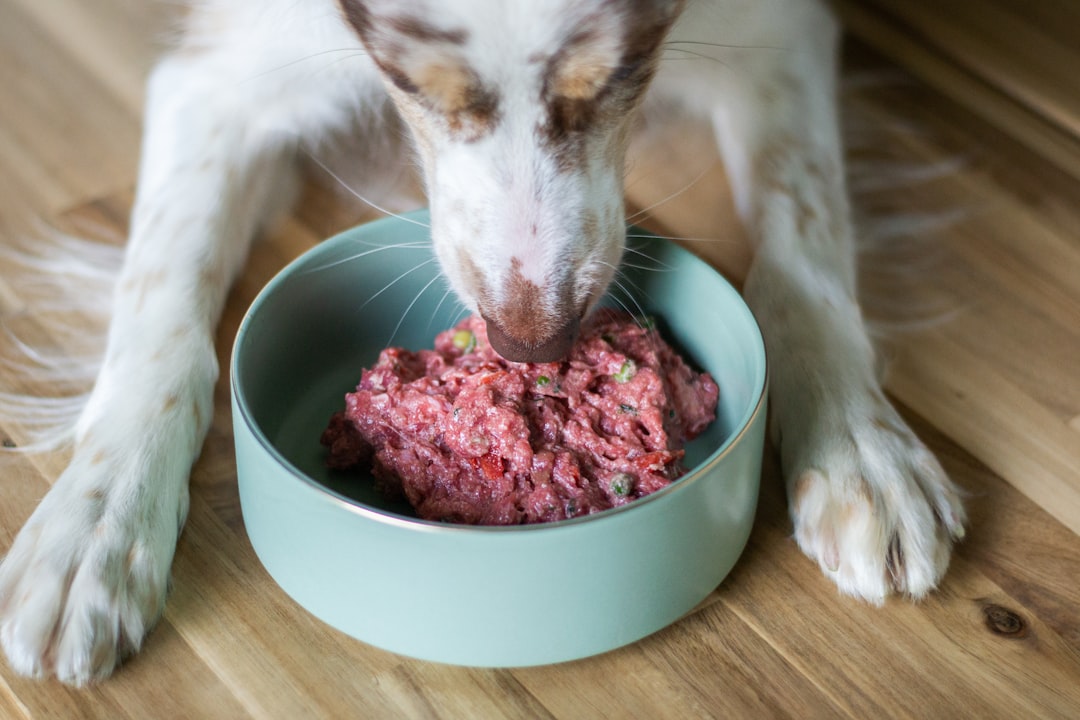
It’s common to hear that dogs should eat grain-free because their ancestors—wolves—didn’t eat grains. While romantic, this idea isn’t entirely accurate. Over thousands of years, dogs have evolved alongside humans, adapting to a more varied diet that often included grains. Modern dogs are not wolves; their digestive systems can handle a wide range of foods, including grains. Thinking of your dog as a little wolf may feel empowering, but it’s not a solid foundation for making dietary choices. Understanding the real history of canine nutrition can help owners make more informed, less emotionally driven decisions.
How to Choose the Best Diet for Your Dog
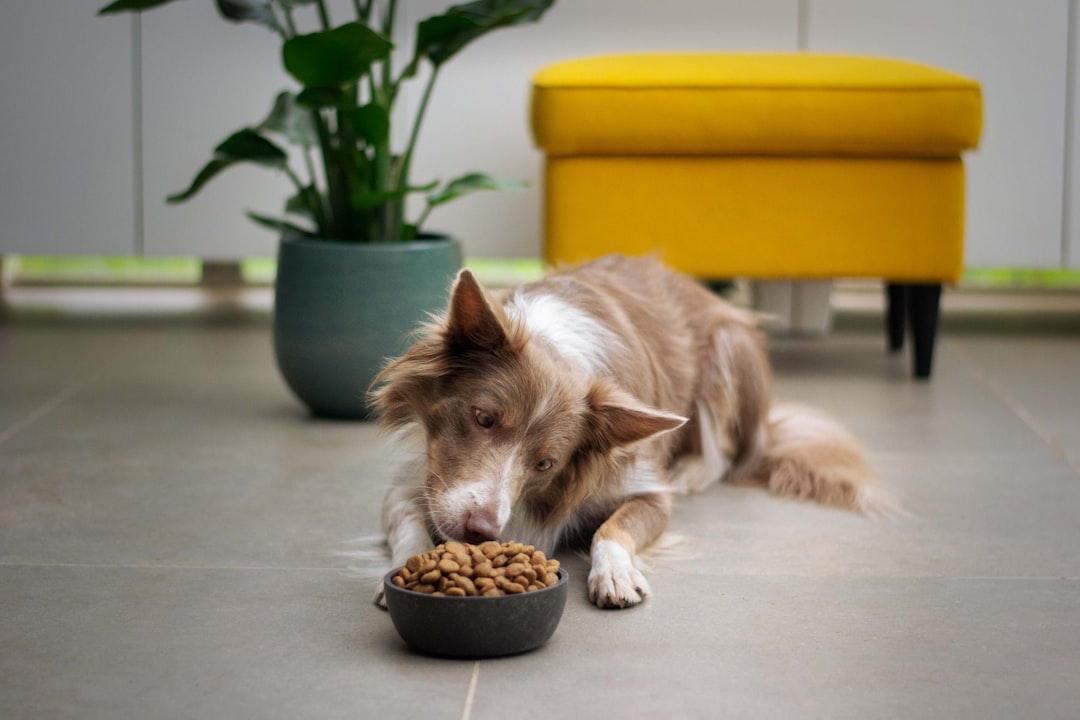
Selecting the right food for your dog can feel overwhelming with so many choices and opinions. The best starting point is your dog’s individual needs, not trends or marketing claims. Consider factors like age, breed, activity level, and any diagnosed health conditions. Consulting with a trusted veterinarian is always a wise move—especially if you’re thinking about making a dramatic dietary change. Look for foods that list quality animal proteins as the first ingredients, and don’t be fooled by flashy words on the package. Remember, the goal is to support your dog’s health and happiness, not chase the latest fad.
Reading Ingredient Labels: What Matters Most
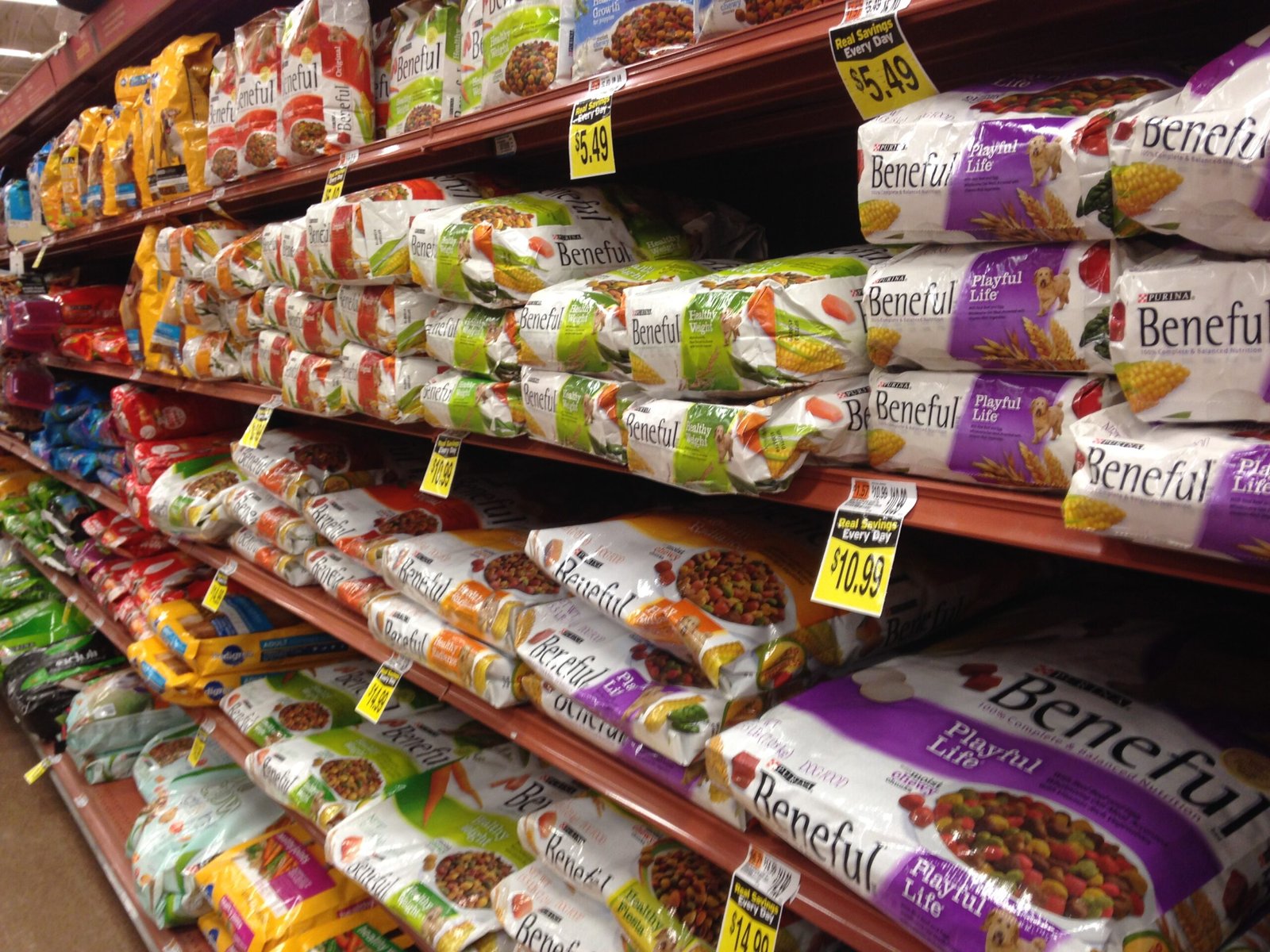
Ingredient lists can be confusing, but learning to read them is key to making smart choices. Focus on the first few ingredients, as these make up the bulk of the food. High-quality animal proteins should come first, followed by wholesome sources of carbohydrates—whether they’re grains or grain alternatives. Watch out for foods that replace grains with excessive peas, lentils, or potatoes, as these may contribute to nutritional imbalances. Avoid foods that rely heavily on by-products, artificial colors, or preservatives. A simple, balanced ingredient list is usually the best indicator of quality.
When a Grain-Free Diet Might Be Right for Your Dog

There are situations where a grain-free diet is the right choice, but they’re less common than you might think. If your dog has been diagnosed with a specific grain allergy or intolerance, your veterinarian may recommend a grain-free formula. Some dogs with sensitive digestive systems can benefit from specialized diets, but this should always be guided by expert advice. It’s important to remember that simply switching to grain-free without a medical reason can have unintended consequences. Always make changes gradually and monitor your dog’s response closely.
The Emotional Side of Feeding Our Pets
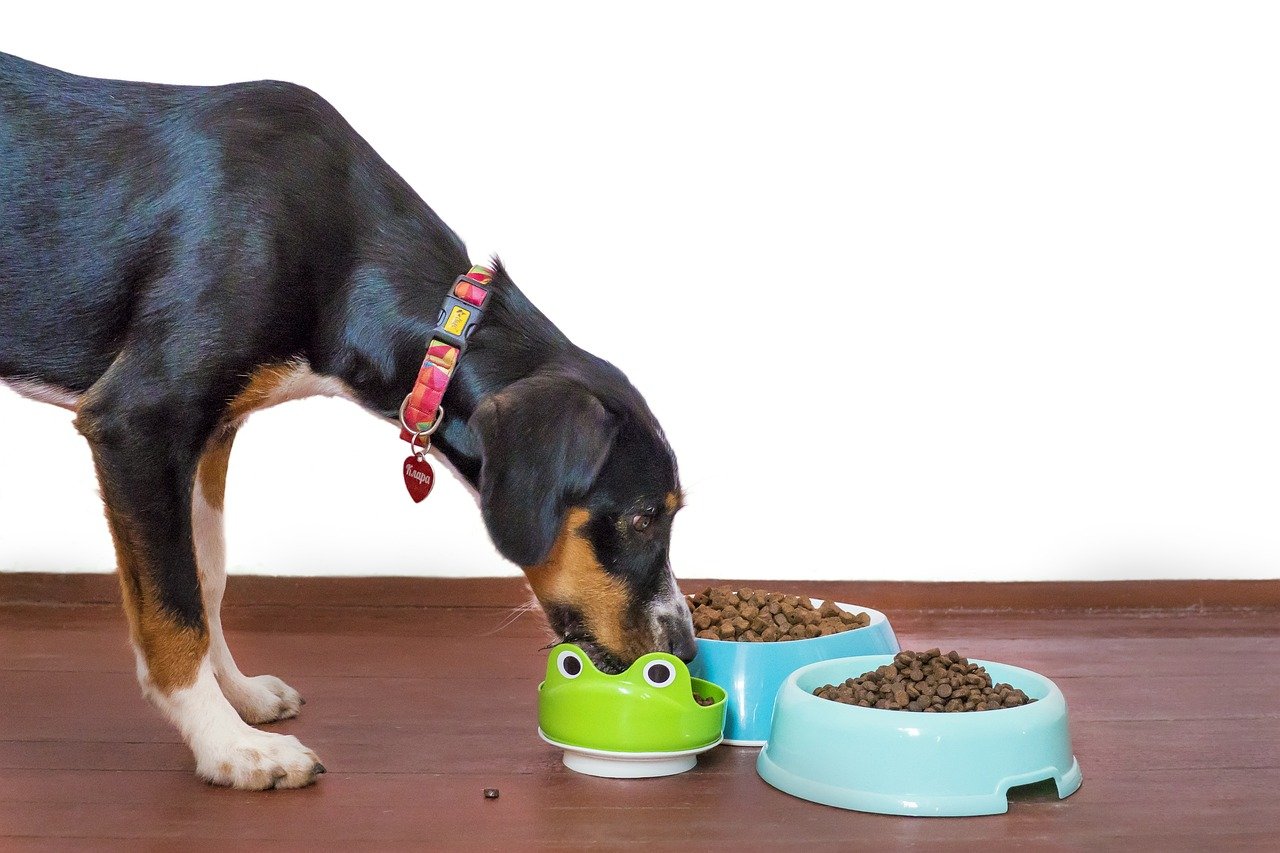
Choosing what to feed our dogs is more than just a nutritional decision—it’s an act of love. Many owners feel immense guilt or anxiety about getting it wrong, especially when bombarded with conflicting advice. It’s easy to fall into the trap of thinking more expensive or more exclusive equals better. Feeding your dog should be a joyful experience, not a source of constant worry. Trusting your instincts, staying informed, and prioritizing your dog’s unique needs will guide you to the right answer. After all, a healthy, happy dog is the best reward for any loving pet owner.
At the end of the day, choosing the right diet for your dog isn’t about following food fads—it’s about what keeps your pup healthy and happy. Grain-free diets can help dogs with certain sensitivities, but for many, whole grains are a valuable source of nutrition. By staying informed and working closely with your vet, you can make the best choice tailored to your dog’s needs. Because when it comes to their well-being, one size definitely doesn’t fit all.


