

You’ve probably felt it. That moment your dog pushes their nose into your lap right when you’re at your lowest. No words needed. No explanation required. They just knew. It sounds like magic, but scientists have been quietly unravelling something far more fascinating – the idea that dogs may be wired, on a biological level, to feel what you feel.
Here’s the thing though: not every dog responds the same way. Some seem to lock into your emotional state like a satellite dish. Others look up, shrug, and go back to chewing a sock. So, is there actual science behind why certain breeds seem more emotionally tuned-in than others? Honestly, yes, and the answer is both surprising and deeply moving. Let’s dive in.
The Biology of Bonding: How Dogs Are Wired to Feel You

Thousands of years of co-evolution have given dogs special ways to tune in to our voices, faces, and even brain chemistry. From brain regions devoted to processing our speech to the so-called “love hormone” oxytocin that surges when you lock eyes, your dog’s mind is genuinely hardwired to pick up on what you’re feeling.
Human-like modes of communication, including mutual gaze, in dogs may have been acquired during domestication with humans. Research has shown that gazing behavior from dogs, but not wolves, increased oxytocin concentrations in their owners, which consequently facilitated owners’ affiliation and increased oxytocin concentration in the dogs themselves.
Dogs have smaller brains than their wild wolf ancestors, but in the process of domestication, their brains may have rewired to enhance social and emotional intelligence. Fascinatingly, foxes bred for tameness showed increased grey matter in regions related to emotion and reward. Think about that for a second. Choosing to be friendly, across generations, literally reshapes the brain.
Biological changes produced during the domestication process may have allowed dogs to use their inherited empathic capacities to synchronize with humans and predict their behaviour more flexibly than their ancestors. Breed diversification and selection for increasingly complex cognitive capacities may have led to increasingly complex forms of empathy that now resemble certain traits of human emotional communication.
Can Dogs Actually Sense Your Emotions? What Research Reveals
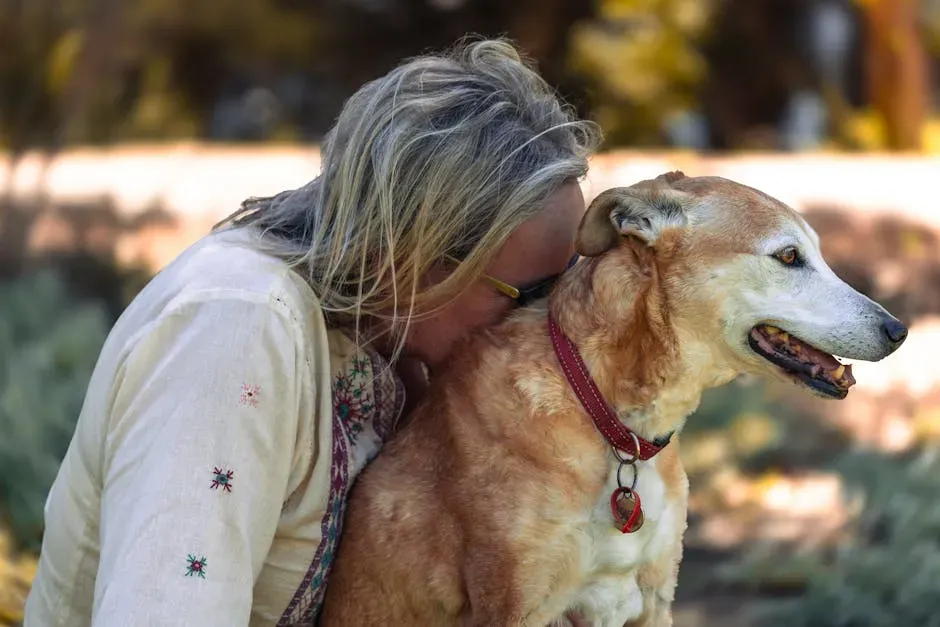
Dogs have been empirically shown to be particularly sensitive to human emotions. They discriminate and show differential responses to emotional cues expressed through body postures, facial expressions, vocalisations and odours. That is not a small thing. Your dog is essentially reading your entire body like a newspaper.
Research demonstrates that dogs can extract and integrate bimodal sensory emotional information, and discriminate between positive and negative emotions from both humans and dogs. In plain terms, they cross-reference what they hear with what they see. Kind of like a tiny emotional detective.
Through detailed analysis of dog behaviour in naturalistic settings, researchers found that dogs behaved differently depending on the owner’s emotional state: they gazed and jumped less at owners when they were sad, and their compliance with the ‘sit’ command was also diminished. So yes, a sad owner genuinely affects how their dog behaves. This is not coincidence.
A study in the journal “Behavioural Processes” found that dogs responded more to their owner’s distress than to a stranger’s distress. When their owners cried, the dogs approached and tried to comfort them. This empathetic behaviour indicates that dogs can understand and react to human emotions on a deeper level.
The Breeds That Lead the Pack in Emotional Intelligence
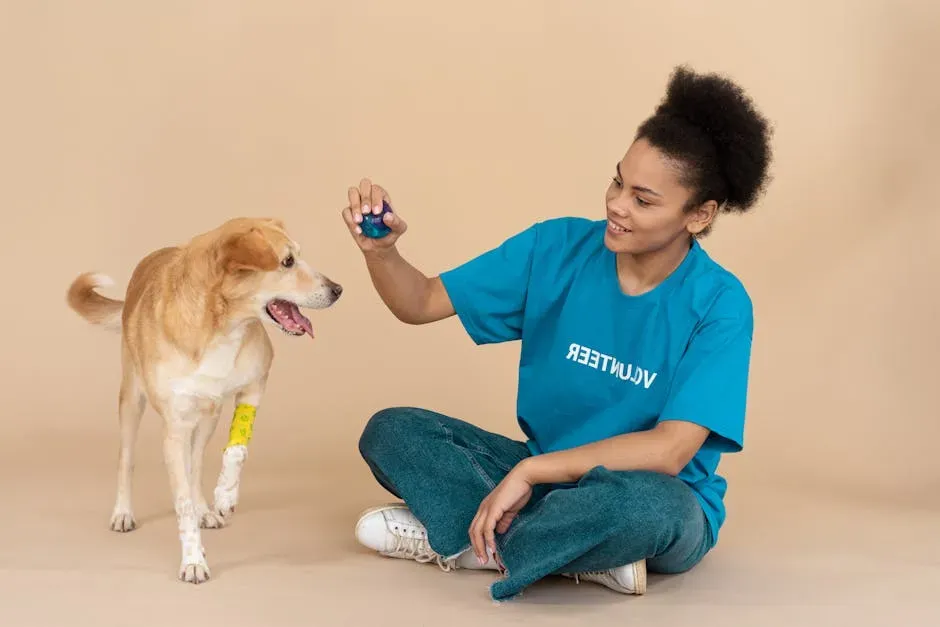
Breed plays a significant role in determining a dog’s emotional intelligence. Some breeds are naturally more empathetic and perceptive, like Labrador Retrievers and Border Collies. These breeds are often used for therapy and assistance due to their innate ability to understand and respond to human emotions effectively.
Golden Retrievers are widely regarded as top-tier therapy dogs. Known for their gentle temperament, intelligence, and affectionate nature, they excel in providing emotional support. Their eagerness to please and ability to read human emotions make them ideal for therapy work in hospitals, nursing homes, and with children.
Labradors are friendly, loyal, and intelligent, making them one of the most reliable therapy breeds. They adapt easily to busy or quiet settings and form strong emotional bonds with those they help. If you need a dog that adjusts to emotional chaos without falling apart, a Lab is essentially the Swiss Army knife of empathy.
Border Collies are highly intelligent and intuitive. Their ability to read emotions and respond accordingly makes them excellent therapy dogs, particularly for individuals with PTSD or anxiety disorders. They were bred to read silent cues from a shepherd hundreds of metres away, so reading your emotional state from across the couch? Basically effortless for them.
Nature vs. Nurture: Does Breed Really Determine Empathy?

Here’s where it gets genuinely complicated. I think a lot of dog owners make the mistake of assuming breed alone determines how emotionally connected their dog will be. The science tells a more layered story.
Certain breeds might not exhibit the same level of empathy or responsiveness, and this difference is usually due to genetic traits and intended functions of the breed. However, individual personality, upbringing, and social experiences also majorly impact emotional intelligence. Each dog, regardless of breed, has the potential to develop a strong emotional bond with humans.
The extraordinary genetic and behavioural diversity of dog breeds provides a unique opportunity for investigating the heritability of cognitive traits. However, previous studies have mainly investigated cognitive differences between breed groups, and information on individual dog breeds is scarce.
While some breeds outshine others when it comes to being a therapy dog, a dog’s heart, patience, and empathy are what truly make them great therapy companions. Honestly, this might be the most important sentence in the entire scientific conversation. The breed opens the door. The bond you build walks through it.
How to Nurture Your Dog’s Empathetic Side, Whatever the Breed
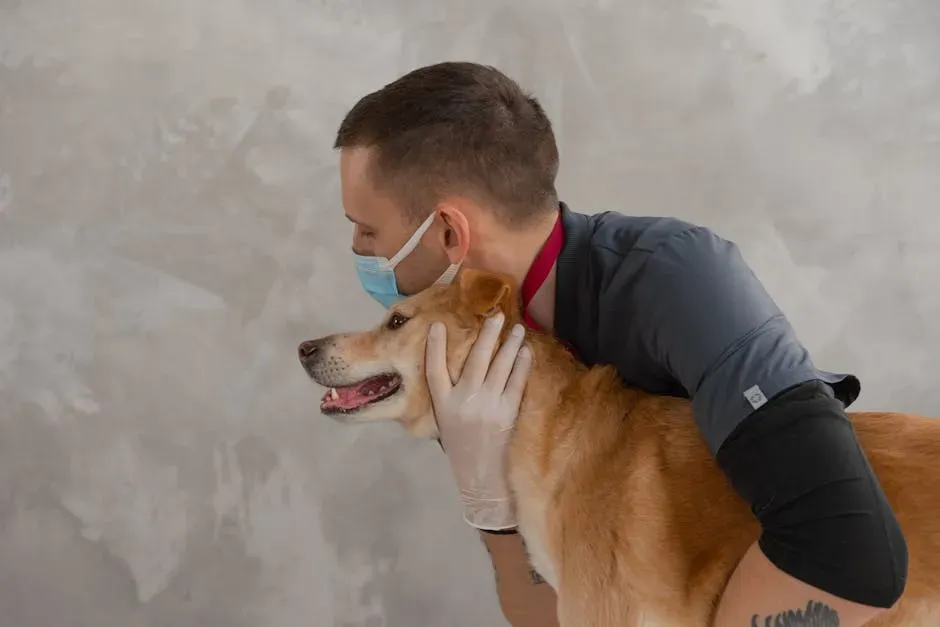
Even if your dog isn’t a Golden Retriever or a Lab, there are real, practical ways you can deepen your emotional connection with them. The research actually gives us a clear roadmap here.
It’s not bad to show your emotions in front of your dog. The more emotions we share with our dogs, the closer our relationship becomes. That means having a good cry with your dog present is not dramatic. It’s actually bonding.
In one study, dog-human pairs were observed interacting during a 30-minute period. The dogs who gazed at their guardians longer displayed higher levels of oxytocin than those in pairs who did not gaze at one another for as long. So set your phone down occasionally, make eye contact with your dog, and let that quiet chemistry do its thing.
The first step to truly understanding your dog’s emotional state is to be aware that humans are often not as skilled at reading dogs’ emotions as we assume we are. Learning your individual dog’s body language, their specific signals for stress, joy, or discomfort, matters far more than knowing their breed’s general reputation. Think of it like learning a dialect, not just a language.
The key to a successful emotionally bonded dog is proper training, early socialization, and a strong bond with their handler. Start early, be consistent, and treat emotional attunement as a skill you’re building together, not something that just happens.
Conclusion: Your Dog Feels More Than You Know
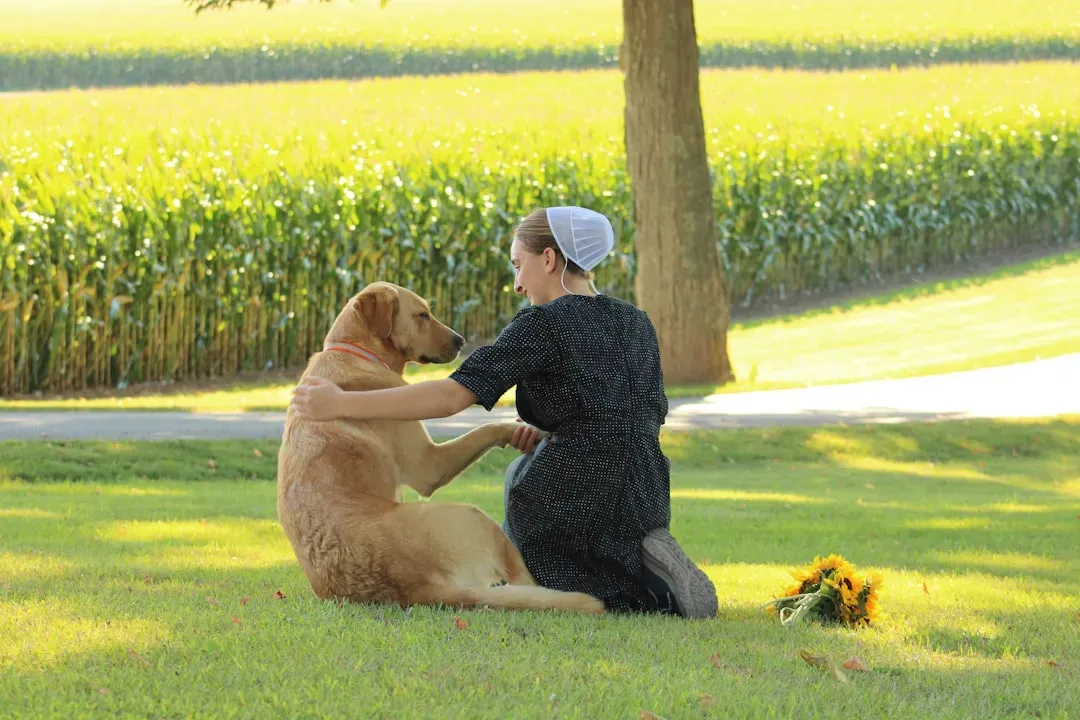
The science is genuinely moving. Dogs did not just become our companions by accident. They evolved, biologically and neurologically, to understand us. Some breeds carry genetic traits that make this emotional sensitivity more pronounced, particularly those bred historically for cooperation and human interaction. Yet every dog, in the right environment, has the capacity to be emotionally present for you in ways that still surprise researchers.
Many dogs show empathy if their owner is in distress and will also try to help rescue them. That is not a metaphor. That is science. The next time your dog rests their head on your knee during a hard moment, know that something real and ancient is happening between you two.
The question worth sitting with isn’t really “which breed is the most empathetic.” It’s this: are you being as emotionally open and present with your dog as they are trying to be with you? What do you think – has your own dog ever surprised you with just how deeply they seemed to understand what you were going through? Tell us in the comments.


