
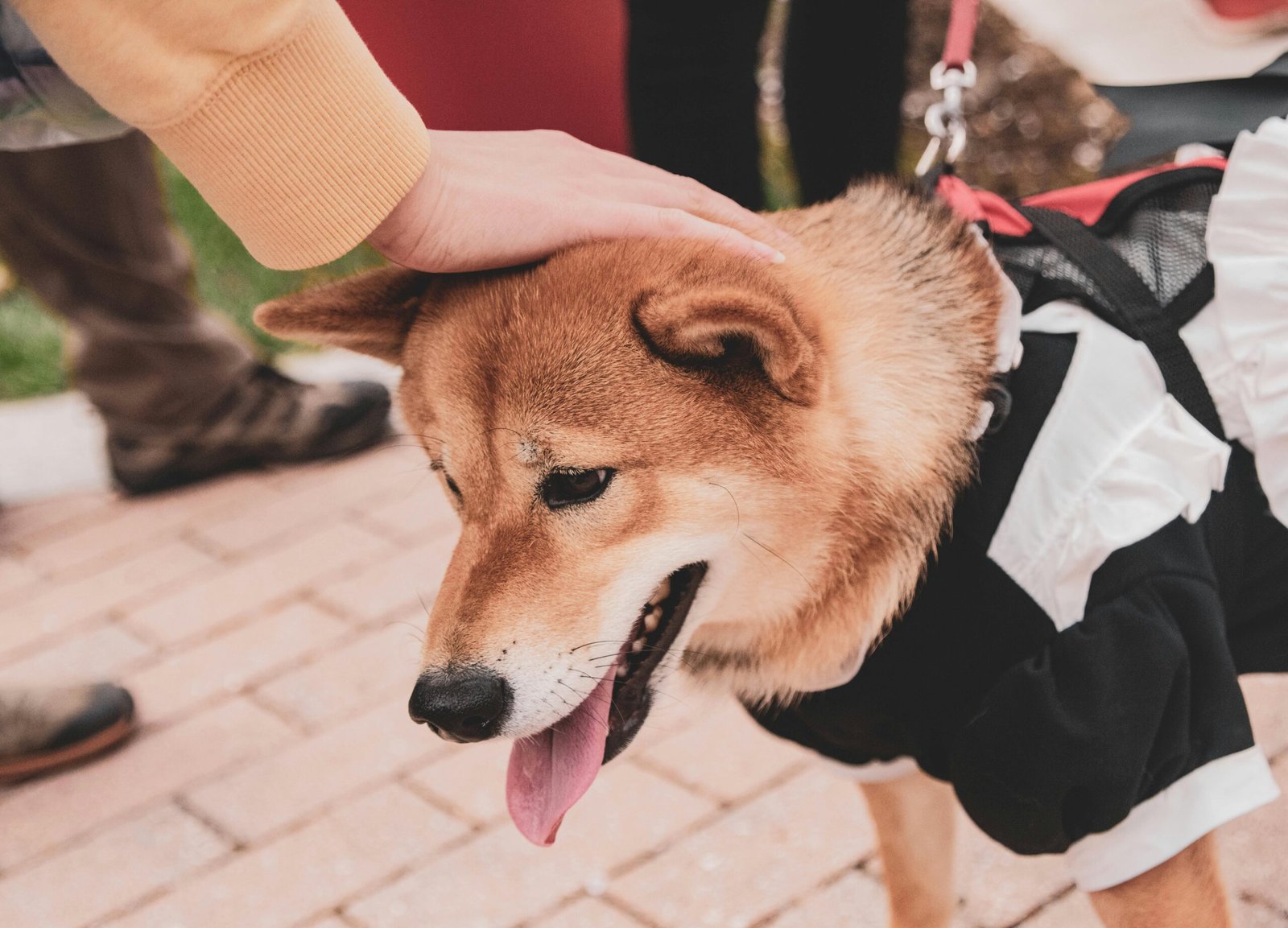
You know that look your dog gives you sometimes? The one where they seem just a little uncomfortable, maybe even stressed, while you’re showering them with what you believe is love and affection? Here’s the thing: we adore our dogs more than just about anything. We’d do absolutely anything for them. Yet sometimes, without even realizing it, we’re actually driving them a bit crazy with our well-meaning human behaviors.
Dogs are incredibly forgiving creatures. They tolerate so much from us because they genuinely love us. Think about it, though. They can’t exactly tell us when we’re crossing a boundary or making them feel uneasy. Instead, they communicate through body language that many of us miss entirely. Let’s be real, most of us could use a crash course in reading what our dogs are actually trying to tell us. Ready to find out if you’ve been accidentally annoying your best friend? Let’s dive in.
Hugging Them Too Tight
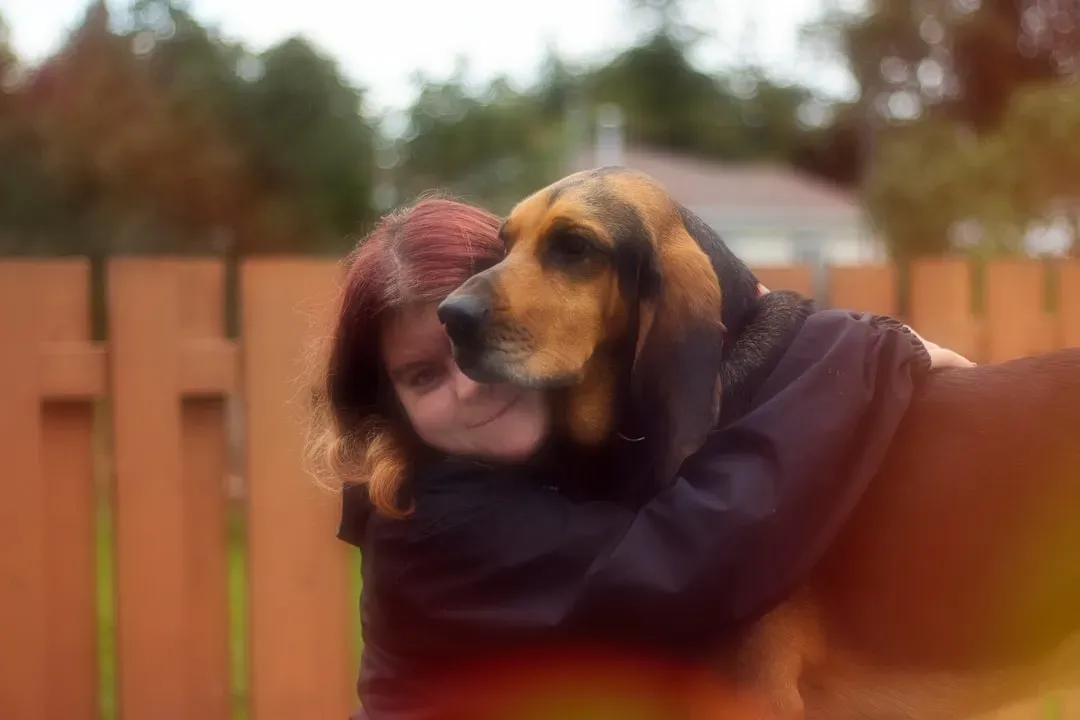
We shower our pups with hugs because humans love this gesture, but most dogs don’t actually enjoy being squeezed and held. I know it sounds harsh. When you wrap your arms around your dog’s neck or body, they might interpret this as restraint or even dominance rather than affection.
Dogs value their personal space and boundaries, and aggressive hugging can cause irritation that may lead to them acting out. Watch your dog’s body language next time you go in for a big squeeze. Do they stiffen up, turn their head away, or try to wriggle free?
That doesn’t mean your dog doesn’t love you or want closeness. They just prefer it on their terms. Let them come snuggle when they’re ready. A gentle scratch behind the ears or along their side is usually much more appreciated than a full-body bear hug.
Patting Their Head Repeatedly
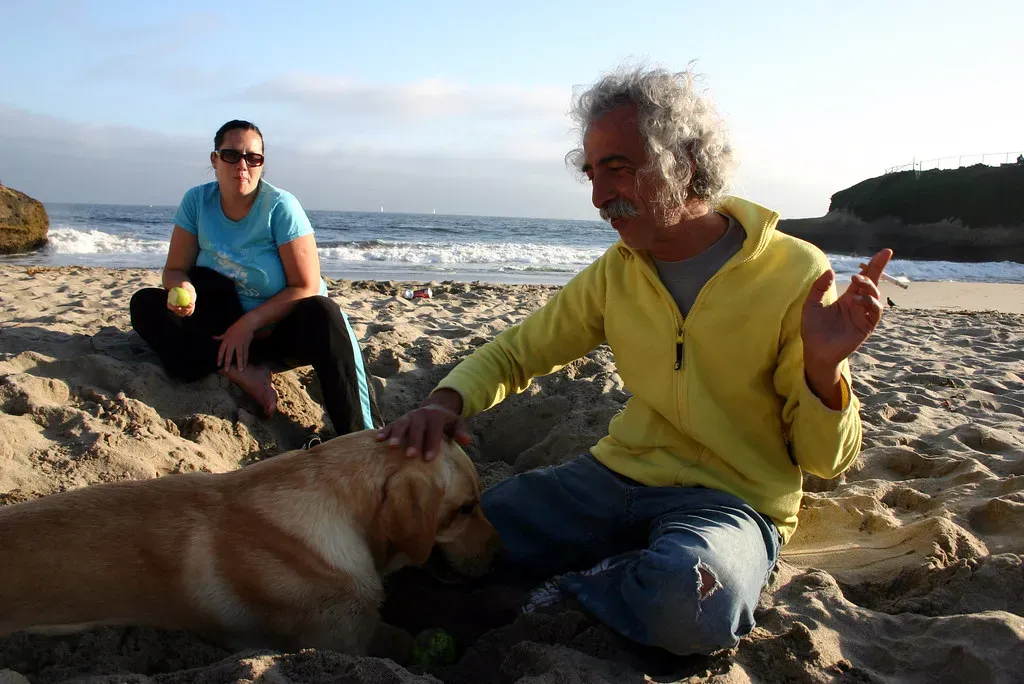
Another gesture we think shows love but dogs merely tolerate for our sake is the classic head pat. Picture this from their perspective: a large hand coming down from above, right onto their skull. Not exactly comforting, honestly.
Dogs aren’t fans of being patted on the head, and their body language often reveals this discomfort through ducking away, lowering their head, stepping back, or putting their ears down. These signals are easy to miss when we’re caught up in the moment. Most dogs would much rather have their chest, shoulders, or the sides of their face gently stroked instead.
Pay closer attention next time. Does your dog lean into the touch or pull away? That tells you everything you need to know about whether they’re enjoying the interaction.
Staring Directly Into Their Eyes
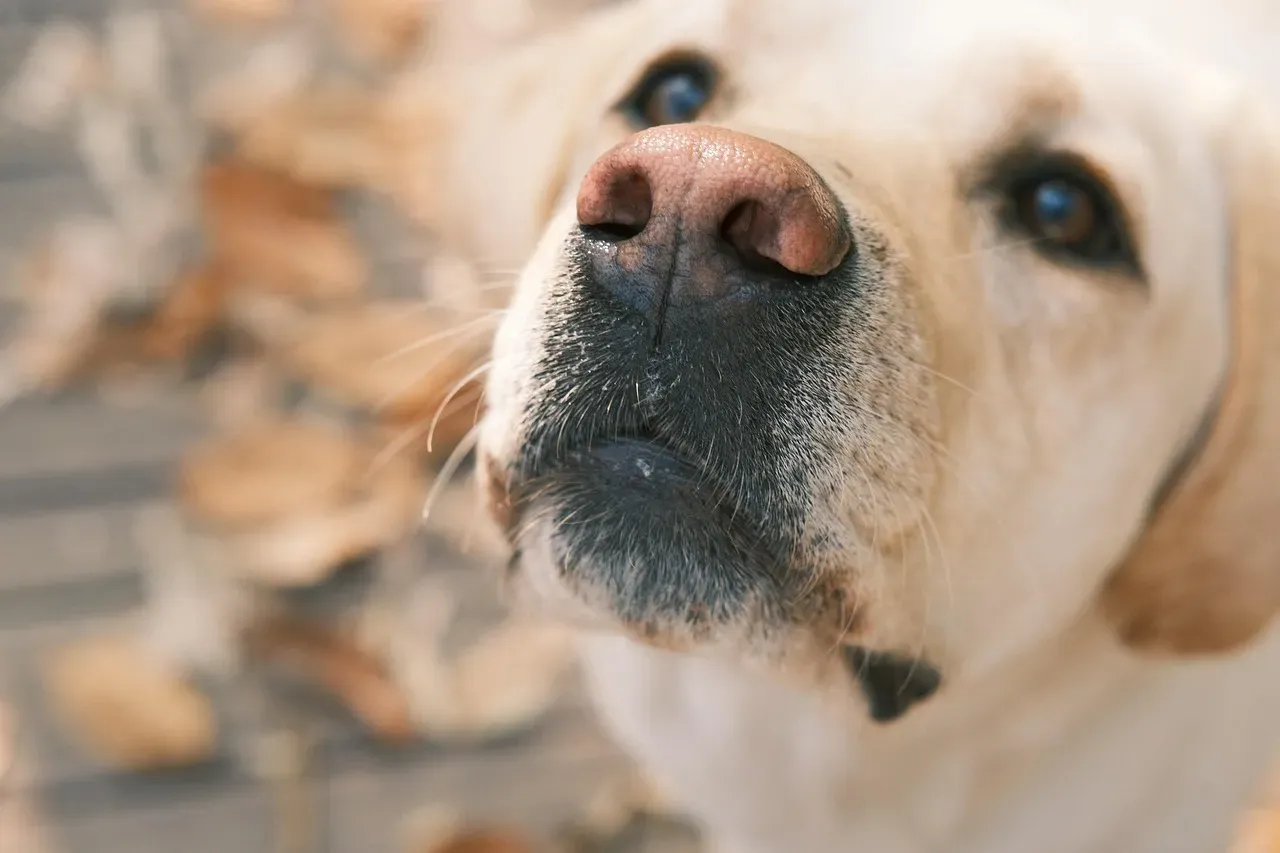
In the canine world, direct eye contact establishes dominance or serves as intimidation, and dogs may view prolonged staring as an act of aggression or challenge. This is especially true with unfamiliar dogs. What feels like a warm, loving gaze to you might feel threatening to them.
Now, this doesn’t mean you can never look your dog in the eyes. With your own dog, brief eye contact during bonding moments is fine. They know you and trust your intentions. The problem arises when we lock eyes too intensely or for too long, particularly during moments when they’re already feeling uncertain.
Making eye contact with your own dog to show affection is acceptable, but it’s best to avoid direct staring when approaching strange dogs. Soft glances and looking away occasionally signal that you’re not a threat.
Yelling or Raising Your Voice
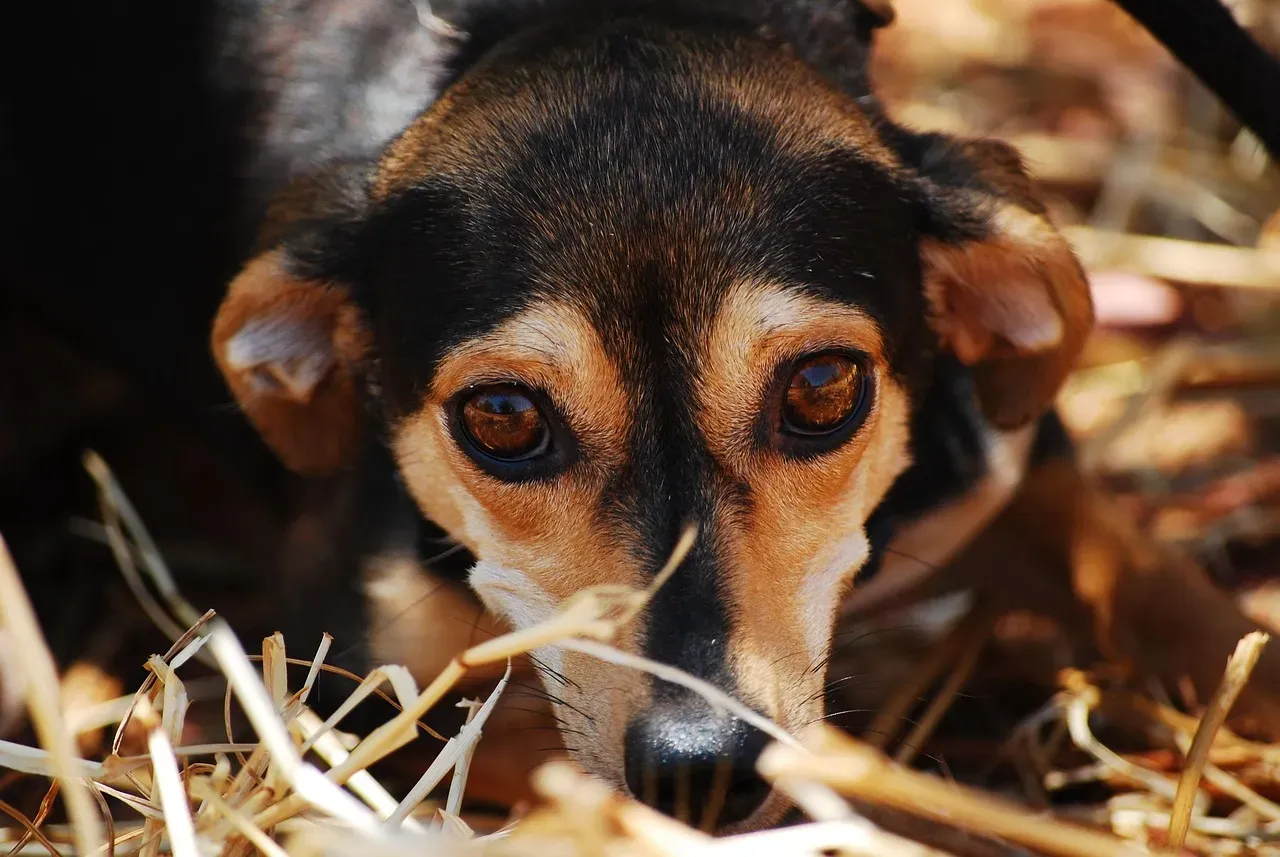
Yelling ranks among the top things dogs hate about human behavior, as it can severely scare or upset them. Even if you’re not yelling at your dog directly, raised voices in their presence create anxiety. Dogs have incredibly sensitive hearing, so what seems like normal volume to us can feel overwhelming to them.
When you yell to correct behavior, your dog doesn’t understand the words or the lesson you’re trying to teach. They just know you’re making loud, frightening noises. Disciplining with the anticipation of treats is far more effective than using the fear of your disapproval.
Remember, stress makes learning nearly impossible. If your dog seems to “shut down” when you raise your voice, that’s their nervous system overwhelmed. A calm, consistent approach always wins over volume.
Overwhelming Them With Strong Scents
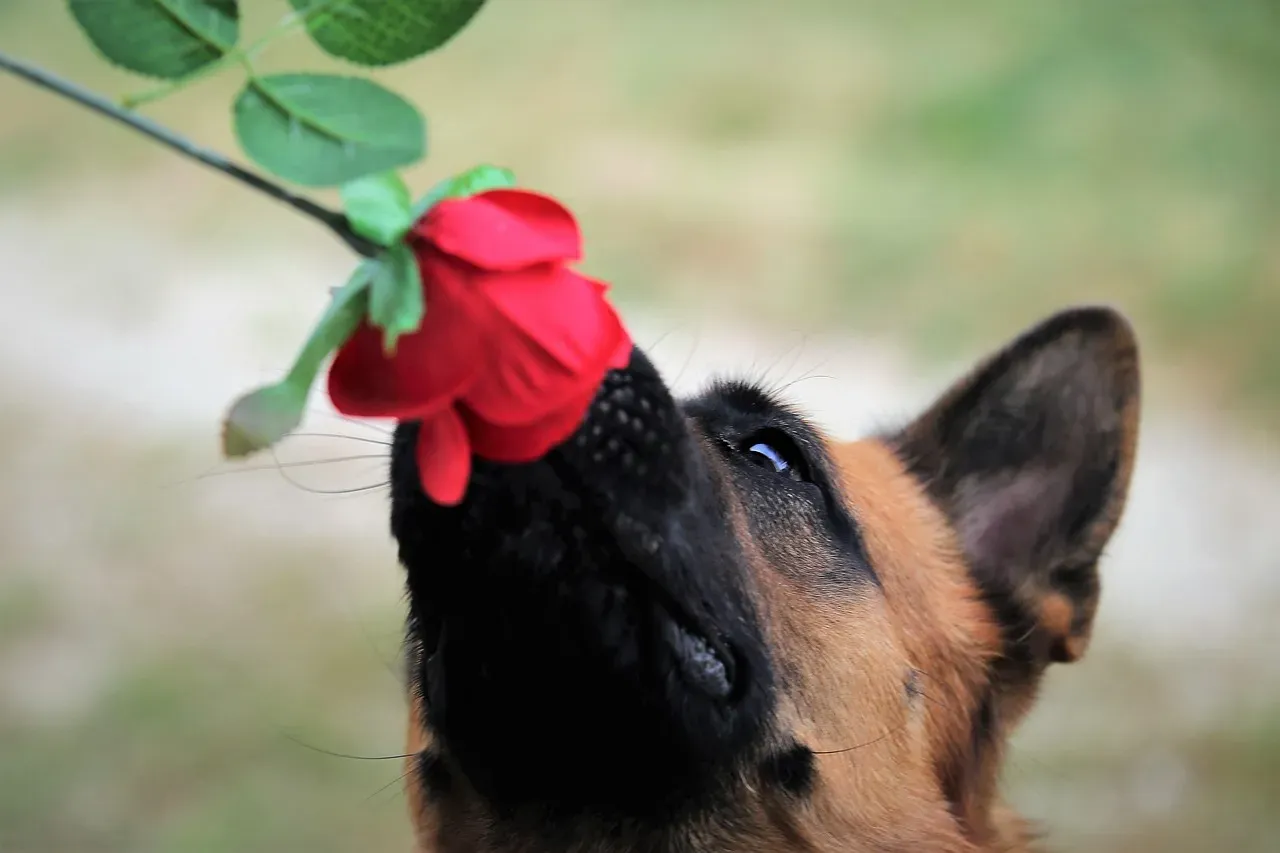
Dogs possess a sense of smell that’s 10,000 to 100,000 times stronger than humans. Just let that sink in for a moment. What smells mildly pleasant to you could be absolutely overpowering for your dog.
The downside of having such a powerful sense of smell is that pungent odors and heavy scents can be overwhelming and cause irritation. This includes perfumes, scented candles, cleaning products, and air fresheners. Your dog experiences the world primarily through their nose, so imagine walking into a room where every scent hits you like a wall.
Consider your dog’s comfort when choosing household products. Unscented or lightly scented options might make your home more pleasant for them. Notice if your dog avoids certain rooms or seems to sneeze more when you’ve used particular products.
Rushing Their Walks and Sniff Time
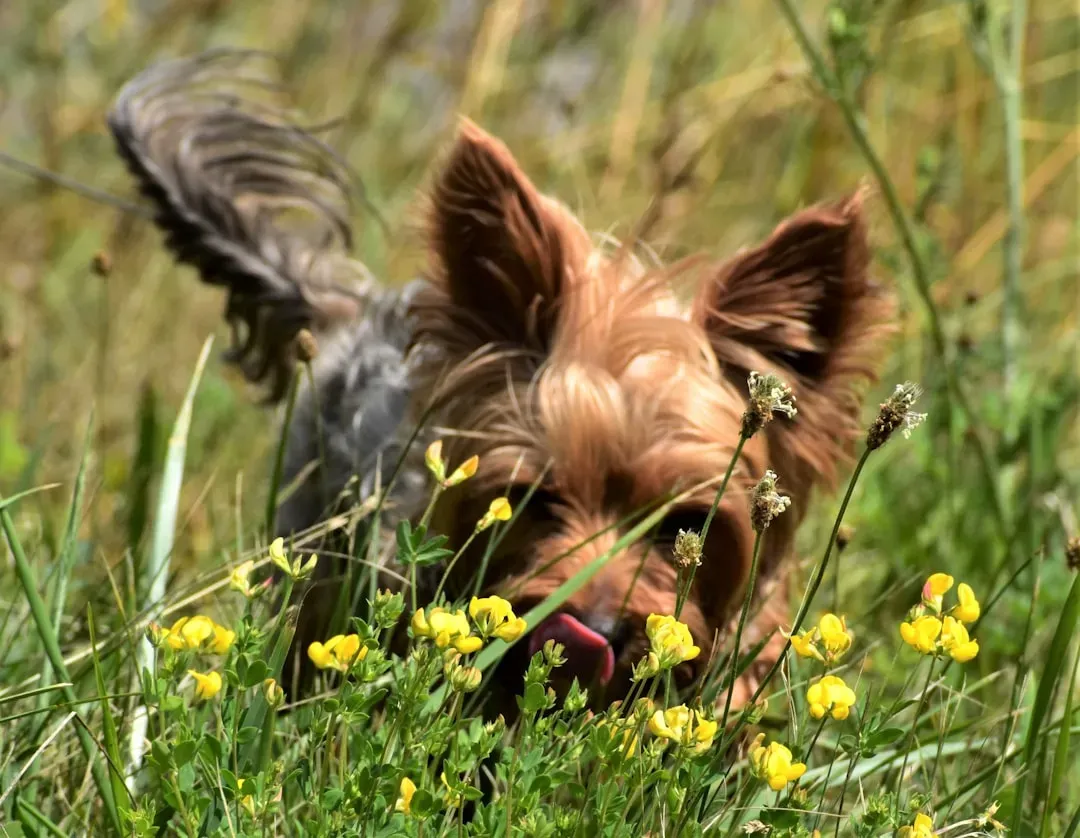
Dogs explore their world primarily through smell, which explains why they stop to sniff everything along the way. When we’re in a hurry and yank them along, we’re essentially denying them their primary way of understanding their environment.
Rushing a dog through a walk without letting them sniff is like taking a child into a candy store and running through without allowing time to look around. That’s actually a perfect analogy. Every fire hydrant, every patch of grass, every interesting spot carries information about other dogs, animals, and changes in their territory.
Try building in time for at least one “sniff walk” each day where your dog sets the pace. Let them linger at the spots that interest them most. You might be surprised how much calmer and more satisfied they seem afterward.
Interrupting Their Sleep or Mealtime
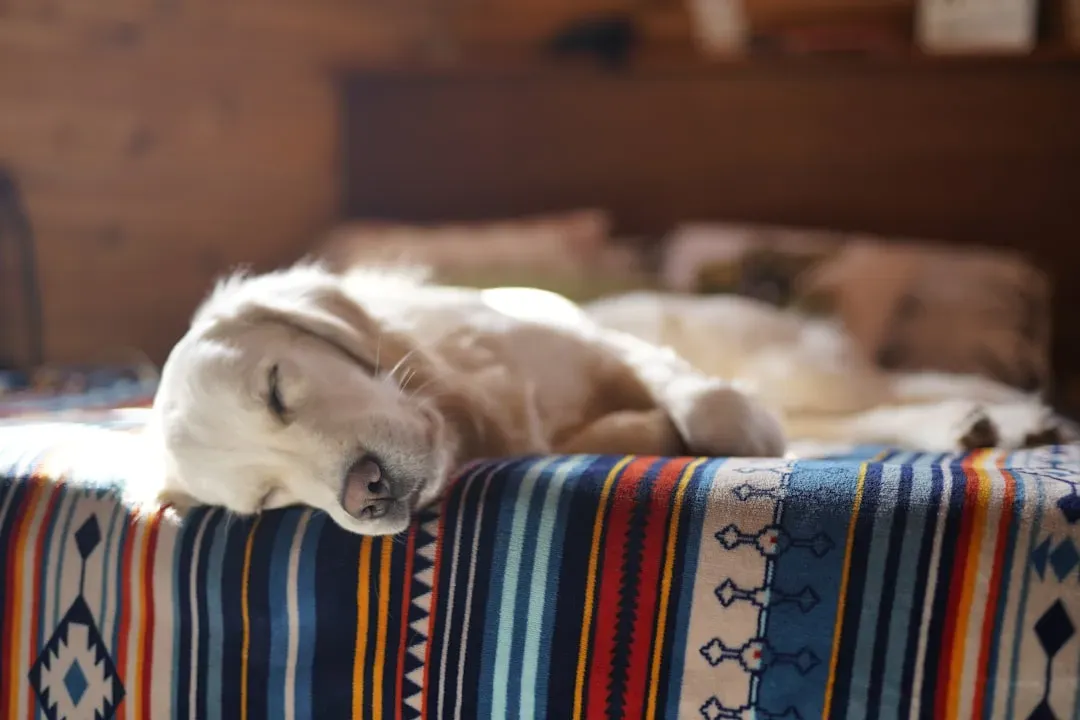
Dogs, just like humans, don’t appreciate being woken up suddenly during their sleep. They need their rest just as much as we do, and those twitchy dreams they have are perfectly normal. Startling them awake can be disorienting and stressful.
Mealtime is sacred for many dogs, so avoid petting, prodding, or playing with them until they’ve finished eating, and definitely don’t take food away once it’s been given. These behaviors can trigger displeasure and may cause some dogs to become defensive over their food or toys.
Let sleeping dogs lie, as the old saying goes. There’s genuine wisdom there. Similarly, give them space during meals unless you’re actively working on training exercises. These moments of peace help them feel secure and respected in your home.
Understanding what bothers your dog isn’t about walking on eggshells around them. It’s about building a relationship based on mutual respect and clear communication. Learning to read your dog’s body language and talking to your veterinarian about behaviors that bother you can help identify causes and find solutions. The more you tune into their signals, the stronger your bond becomes.
Your dog already loves you unconditionally. Imagine how much deeper that connection can grow when they also feel truly understood and comfortable around you. Which of these habits surprised you most? Take a moment to observe your dog this week and see what they’re really telling you.


