

You love your dog more than anything. You rush home from work to see them, celebrate their return from the vet like they’ve been gone for months, and maybe you can’t even go to the bathroom without a furry shadow trailing behind. It feels like devotion, right? Pure, unconditional love.
Here’s the hard truth, though. Some of those loving gestures might actually be feeding your dog’s anxiety when you leave. I know it sounds counterintuitive, even a bit harsh. We want to comfort our dogs, show them affection, make them feel secure. The problem is, dogs don’t always interpret our actions the way we intend them. What we see as reassurance, they might experience as confirmation that being apart is, in fact, something to worry about.
Separation anxiety is triggered when dogs become upset because of separation from their guardians, the people they’re attached to. Separation anxiety is one of the most common behavioral disorders in dogs. Let’s be real, nearly every dog owner has dealt with some version of this. But are your daily habits secretly making it worse? Let’s dive in.
Making a Big Deal Out of Leaving and Coming Home
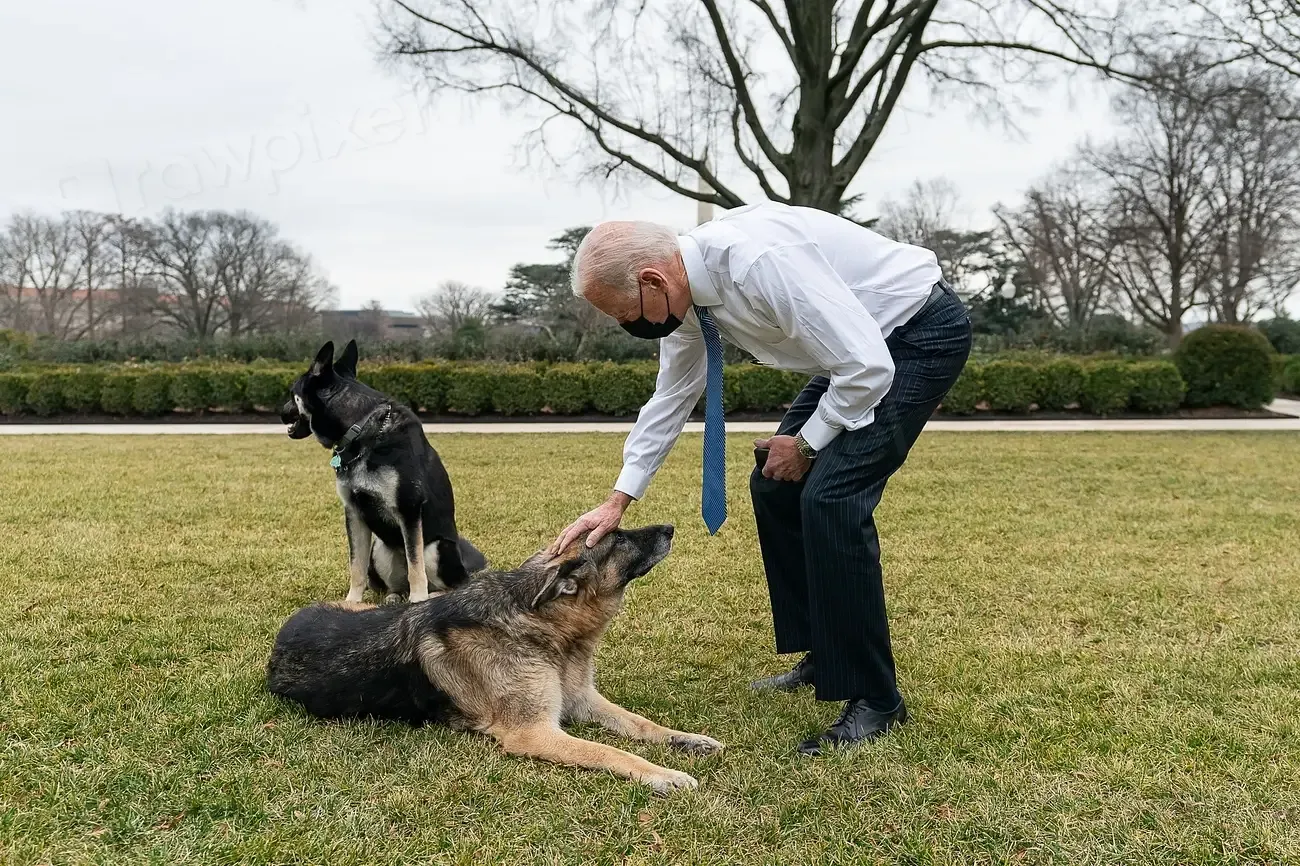
Think about your typical departure routine. Do you kneel down, hug your dog, tell them you’ll miss them, maybe even get a little emotional? When you return, does your dog go absolutely wild, and do you match that energy with squeals and kisses?
Ignore your dog prior to leaving and upon arrival so you don’t reinforce their excitement and excessive attachment to you. I know this feels wrong. It feels cold. You want your dog to know they’re loved.
When the guardian returns home, the dog acts as though it’s been years since he’s seen his mom or dad! That over-the-top greeting isn’t just excitement. It’s often relief from genuine distress. Dogs with separation-related problems also tend to engage in excessive excitement when the owner returns. By making your comings and goings into dramatic events, you’re essentially telling your dog that these moments are a very big deal, something worth getting worked up about.
Rewarding Clingy Behavior Without Realizing It
Does your dog follow you everywhere? Kitchen, bedroom, bathroom? Do they nudge your hand for pets constantly, or whine until you give them attention?
You probably give in because, honestly, who can resist those eyes? There is also some evidence that dogs who are excessively attached to their owners are more likely to develop separation anxiety and that anxious dogs generally display more attachment behaviors. When you respond every single time your dog demands attention, you’re unintentionally teaching them that they need you constantly.
You should use the very rewards that your dog is seeking to teach independent behavior and to spend time relaxing away from you. This doesn’t mean ignoring your dog entirely. It means being intentional. Reward calm, independent behavior instead of attention-seeking. You want your dog to learn that calm and quiet behavior is the only way to receive attention.
Failing to Teach Independence Early On
Puppies are irresistible. They’re small, vulnerable, and it feels natural to keep them close at all times. The problem? Protective factors include ensuring a wide range of experiences outside the home and with other people, between the ages of 5–10 months, stable household routines and absences from the dog, and the avoidance of punishment.
Puppies need to learn how to have alone time and amuse themselves with their toys. When you bring your puppy out of alone time to socialize with the family, make sure that you only get him when he is quietly playing with his toys. Reward the behaviors that you want your puppy to continue. A well adjusted puppy should do well either alone or with the family and will be less likely to have separation anxiety in the future. Teaching your dog to be comfortable in solitude is a gift, not neglect. Short, positive alone sessions from the start build resilience.
Punishing Destructive Behavior After the Fact
You come home to shredded cushions, accidents on the floor, or a chewed-up shoe. Frustration boils over. You yell, point at the mess, maybe even physically discipline your dog.
Never punish your dog – this will only increase their anxiety and worsen unwanted behaviors. The guilty look described by many owners indicates that classical conditioning has occurred: the dog now associates the presence of urine, feces, or destroyed items with the owner’s arrival (and punishment). Typically, the behavior will recur the next time the owner leaves. Thus, reprimanding the dog for bad behavior hours after the behavior takes place does nothing to prevent the behavior from recurring in the future.
Your dog isn’t trying to punish you for leaving. Pet owners should understand that the behavior they’re seeing is involuntary… your dog is not doing it out of spite, or for any reason other than that he is terrified. That so-called guilty look? It’s fear of your reaction, not remorse.
Skipping the Desensitization to Departure Cues
Your dog knows your routine better than you do. Keys jingling, shoes going on, grabbing your coat. These cues – such as picking up your car keys, packing your lunch, or putting on your shoes – are the behaviors you exhibit prior to leaving. These actions can be a significant source of distress for your dog.
Some dogs suffering from separation anxiety become agitated when their guardians prepare to leave. Others seem anxious or depressed prior to their guardians’ departure or when their guardians aren’t present. The anxiety kicks in long before you’re actually gone. You can help decrease your dog’s anxiety by changing up your routine, performing these actions when you are not leaving, or avoiding as many of them as possible. Pick up your keys randomly throughout the day. Put on your coat and then sit back down on the couch. Break the predictable pattern that signals abandonment.
Believing Another Dog Will Fix Everything

Maybe you’ve thought about getting a second dog. After all, if your dog’s problem is being alone, wouldn’t a companion solve that?
Not quite. It has been suggested that adding another animal, such as another dog, to the household may help dogs with separation-related behavior problems to cope with absences from their owner. However, evidence suggests that the presence of another dog in the household does not prevent another dog from developing separation-related problems. The issue isn’t loneliness in the general sense. It’s specifically about being separated from you, their human.
Getting another dog can be wonderful for many reasons. Just don’t expect it to be a magic cure for separation anxiety. Because far more dogs who have been adopted from shelters have this behavior problem than those kept by a single family since puppyhood, it is believed that loss of an important person or group of people in a dog’s life can lead to separation anxiety. Your dog’s attachment is to you, not just any warm body in the house.
Conclusion
Separation anxiety is tough. It breaks your heart to see your dog stressed, and it’s frustrating when you come home to destruction. The good news? However, as serious as this condition may be, McConnell assures it has a high rate of treatment success. With patience and a positive attitude, you may be able to reduce your dog’s suffering and put separation anxiety stress behind you.
Small changes in how you interact with your dog can make a massive difference. Stay calm during departures and arrivals. Reward independence. Teach your dog that being alone is safe and normal, not something to panic about. It takes time and consistency, but your dog can learn to feel secure even when you’re not there.
What habits have you noticed in yourself that might be feeding your dog’s anxiety? It’s worth reflecting on. Your dog deserves to feel calm and confident, whether you’re home or not.


