
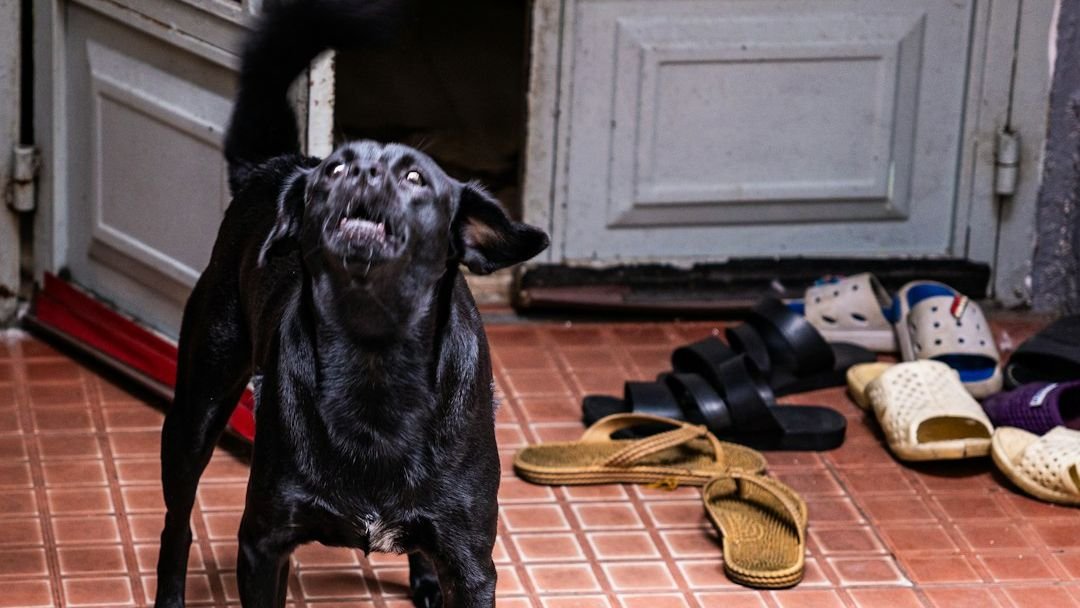
We all love our dogs deeply. They’re our best friends, our confidants, our sources of endless joy. Yet, sometimes they drive us a little crazy with their behaviors. The constant barking, the jumping on guests, the leash pulling that feels more like being dragged down the street by a small furry bulldozer. Here’s the thing that might surprise you: there’s a decent chance you’re actually teaching your dog to do these very things.
Yes, you read that right. Those frustrating habits your pup keeps repeating might be there because you’re accidentally rewarding them. It sounds counterintuitive, I know. Nobody deliberately trains their dog to be annoying. Still, dogs learn from the consequences of their actions, and sometimes what we think is discouraging a behavior is actually making it worse. Let’s dive into how this happens and what you can do about it.
The Invisible Rewards You’re Giving Without Realizing It
Think about what happens when your dog barks at the doorbell. Most of us yell something like “Quiet!” or “Stop that!” right back at them. Your dog doesn’t understand what you’re saying, they just know that when they “yell,” you “yell,” and now everyone yells, which is a very fun reinforcing game for your dog. From their perspective, you just joined in on the excitement.
The same thing happens with other behaviors. If you allow your dog to jump on you to give you a “hug,” you are encouraging him to do the same to your guests. If he barks when he can’t reach a toy and you get it for him, you’re unintentionally teaching him barking is a way to get your attention. Any form of attention, even negative attention like pushing them away or scolding, can feel like a reward to a dog who wants interaction.
Any behavior that has been reinforced is most likely to be repeated. Dogs are brilliant at figuring out what works to get them what they want. Whether that’s your attention, access to the outdoors, or a sniff of that fascinating tree down the street, they’ll keep doing whatever behavior successfully delivers that outcome.
Understanding Why Your Dog Keeps Repeating Those Frustrating Behaviors
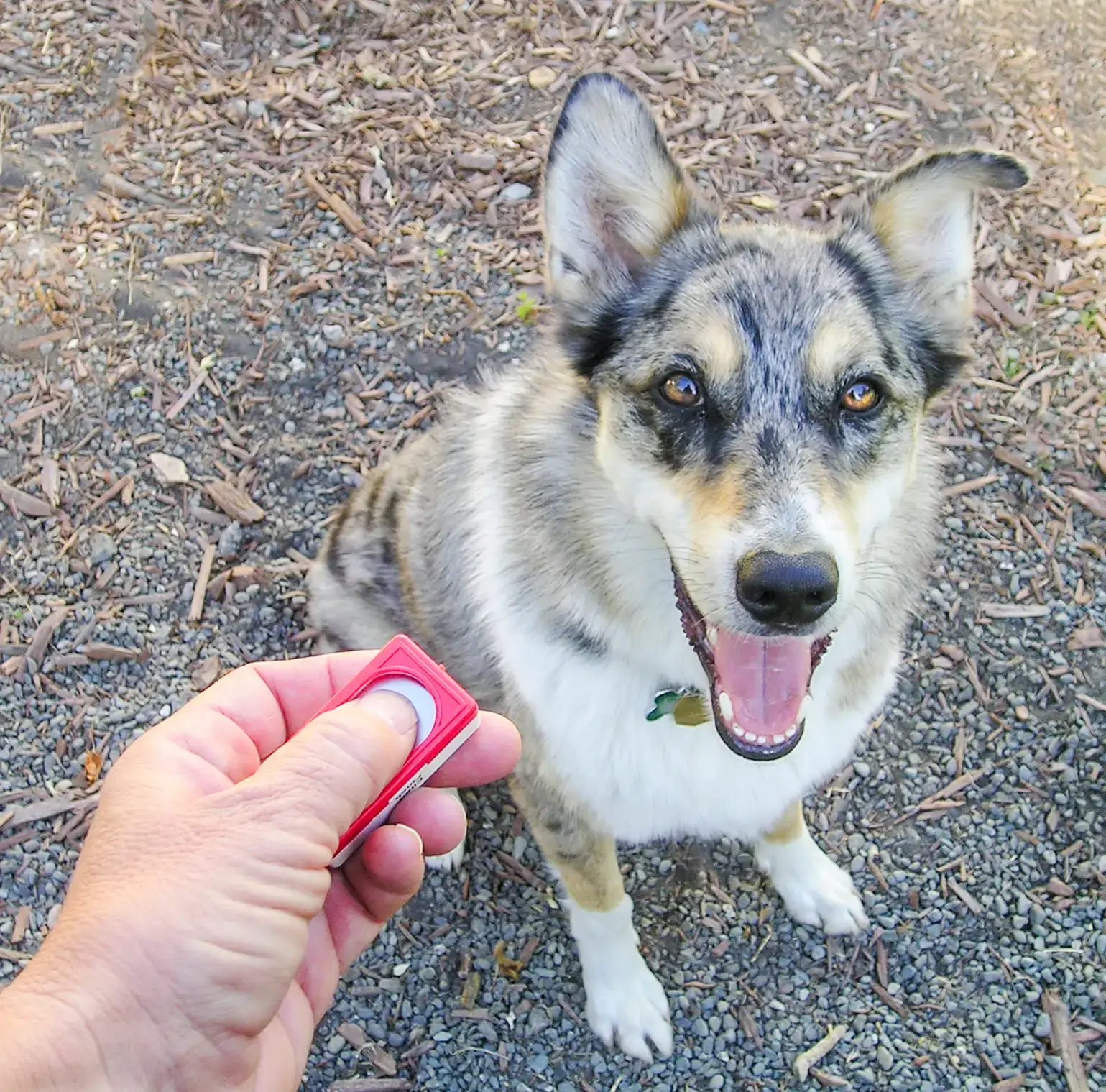
Reinforcement history refers to the frequency or number of times that a particular behavior your dog does has been reinforced. This means the more often a behavior gets your dog something they want, the stronger that behavior becomes. It’s like muscle memory, except it’s behavioral memory.
This crazy behavior is rewarded when you manage to clip the leash to his collar and head out the door. So that pre-walk frenzy with the jumping and barking? That gets reinforced every single time you eventually give in and take them outside. His pulling is rewarded every time he gets to sniff another fragrant fire hydrant or tree. Your dog learns that pulling works to get what they want.
In dog training, reinforcement is not just about liver treats, head pats, and tennis balls. Anything your dog wants in that moment counts as reinforcement. Access to something interesting, getting to greet another dog, escaping something uncomfortable, these all strengthen whatever behavior just happened.
In fact some of the most common ‘problem’ behaviours, such as jumping up excitedly when anyone walks in the door, most likely began when you brought your dog home as a puppy. All that adorable puppy jumping was met with squeals of delight, petting, and cuddles. Fast forward to now, and you’ve got a fully grown dog who still thinks jumping equals love and attention.
The Attention Trap: When Ignoring Feels Impossible

Let’s be real, ignoring your dog when they’re being annoying is incredibly hard. When they’re barking non-stop or pawing at you while you’re trying to work, your natural instinct is to make it stop. The problem is that giving them any attention at all, even frustrated attention, tells them their strategy is working.
Have you ever wondered why your dog continuously jumps up on you even if you say “no” and push it off you every time it does this? To be near you, to touch you, have you touch them, to get your attention, or to be let inside. Mission accomplished from their perspective.
If a dog is barking and you tell him no but then soothe him with a pat, you’re accidentally rewarding his behavior. This creates confusion because you’re simultaneously saying stop and saying continue. Dogs respond to what happens after the behavior, not what we think we’re communicating.
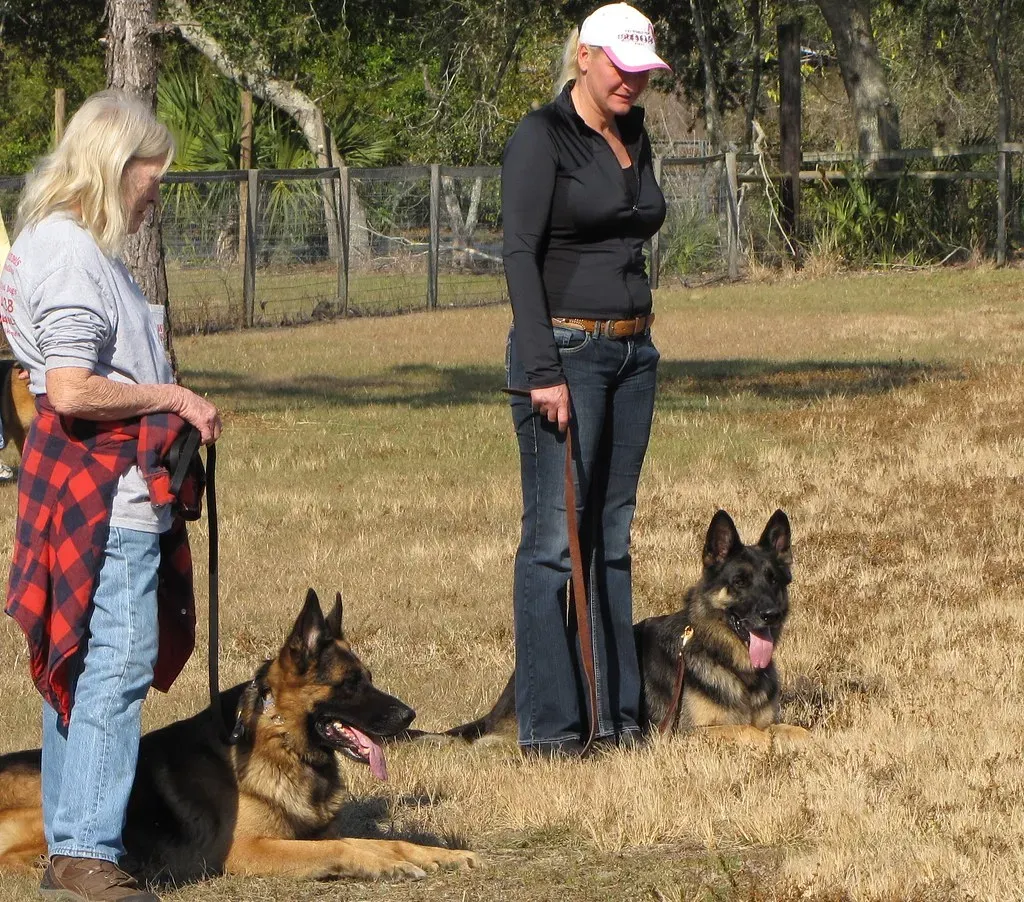
The solution involves being truly consistent about what gets attention and what doesn’t. Consistency is key to training. If you want your dog to stop begging, literally nobody in your household can feed them from the table, not even once. Those occasional slip-ups teach your dog that persistence pays off, making the behavior even harder to eliminate.
Breaking the Cycle: Teaching Alternative Behaviors That Work
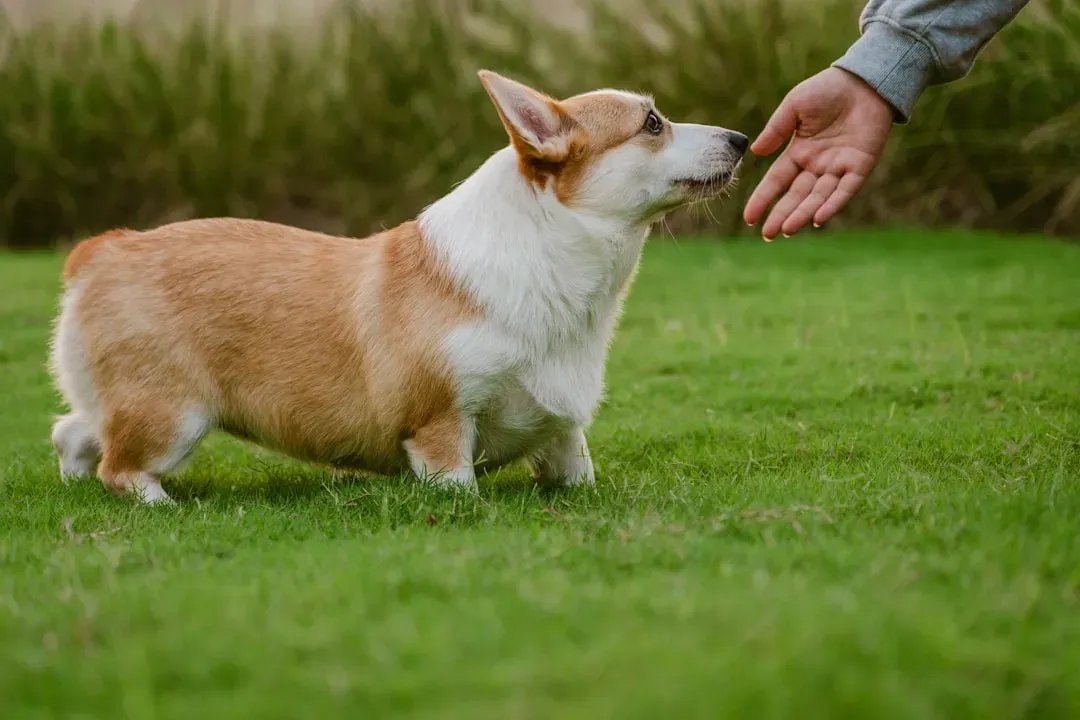
If you find yourself in a situation where you realize you’ve accidentally built a reinforcement history for a behavior you don’t want, the easiest way to begin to shift your dog’s behavior is to reinforce a different and incompatible behavior. This is where the magic happens. Instead of just trying to stop the annoying behavior, give your dog something else to do instead.
We want to reward and reinforce the puppy for calm behaviour and teach it an alternative behaviour to jumping up in greeting or barking at the backdoor. For example, teach your dog to sit when greeting people. They can’t simultaneously sit and jump. Reward that sit generously, and suddenly you’ve given them a better strategy for getting attention.
Make sure to positively correct bad behavior immediately, or a dog will not link your reaction to his action. Timing matters enormously. If you reward or redirect too late, your dog won’t understand what you’re asking for. The window is only a few seconds.
Or when a dog is outside barking, wait until the moment they go quiet and THAT is when you open the door to let them back inside, give them praise a treat, or whatever it is that they want at that time. This teaches them that silence, not noise, opens doors. It takes patience, but it works.
When Bad Behavior Might Signal Something Deeper
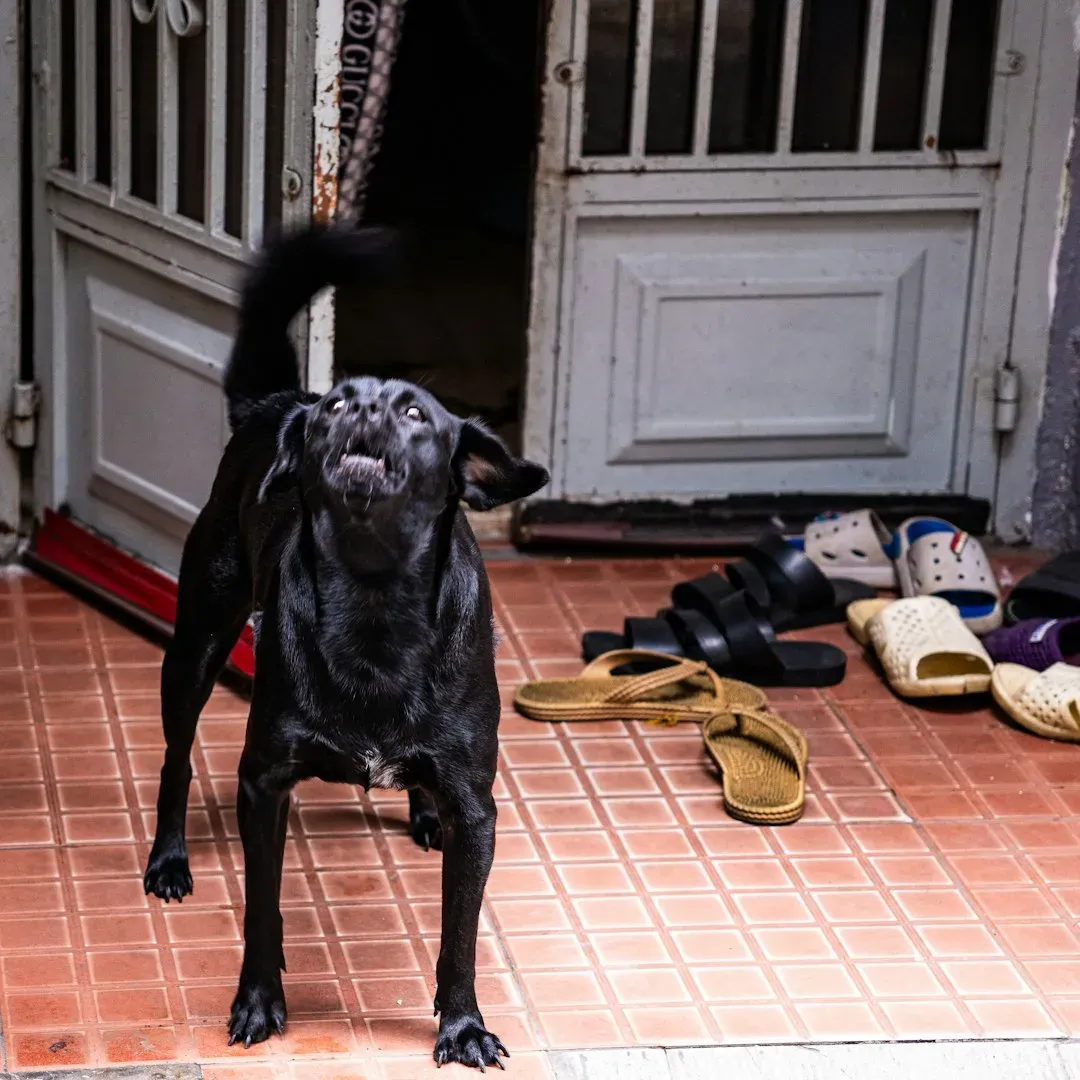
Sometimes what looks like a training problem is actually something else entirely. Dogs that suddenly show a change in behavior might actually be suffering from a medical issue. A dog who seems to have forgotten their house training might have a bladder infection, not a behavioral problem.
Dogs get bored when they don’t get enough exercise or mental stimulus. Boredom can lead to all sorts of annoying behaviors like excessive barking, destructive chewing, or digging. Before assuming it’s a training issue, make sure your dog’s basic needs for physical and mental stimulation are being met.
Or if your dog is suddenly showing aggressive tendencies when he’s always been calm before he might be in pain or suffering from a thyroid issue, according to The Whole Dog Journal. Pain can make even the sweetest dog irritable and reactive. If your dog’s behavior changes suddenly or dramatically, a vet visit should be your first step.
It’s also worth considering whether your dog truly understands what you’re asking. Dogs are not necessarily destructive or acting out, they just simply do not know any better. They’re not trying to frustrate you. They’re just doing what has worked for them in the past or what comes naturally without proper guidance.
Conclusion
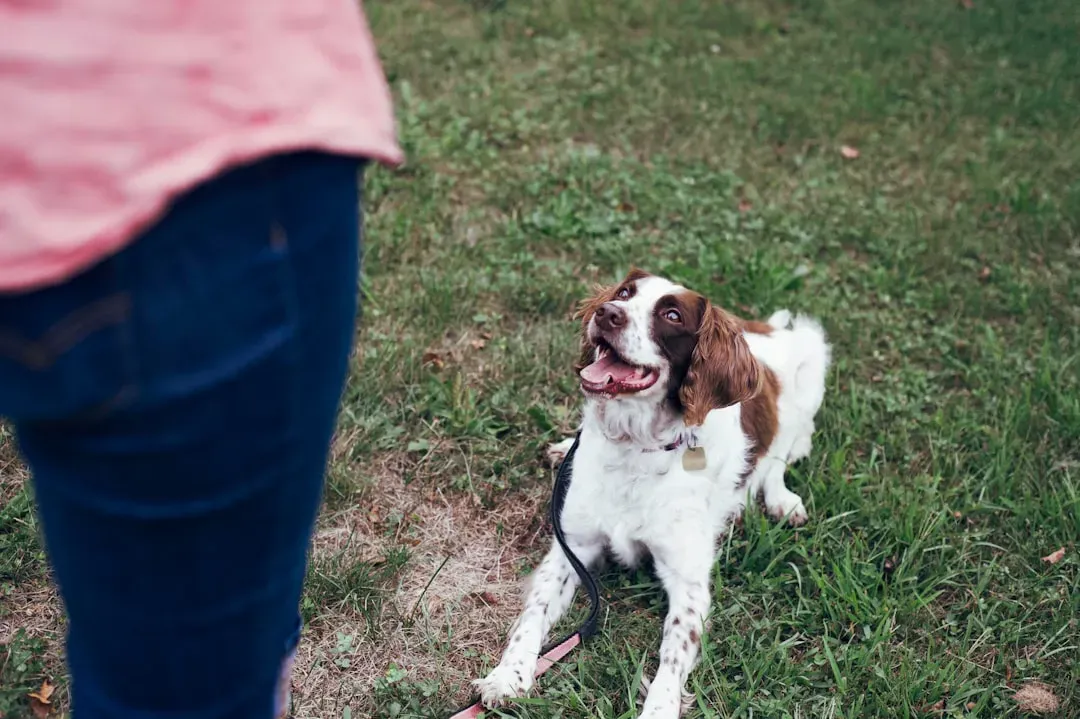
Understanding how you might be accidentally reinforcing your dog’s annoying habits is honestly liberating. It means you have more control than you thought. These behaviors aren’t set in stone; they’re learned responses that can be changed with consistency, patience, and a better strategy. The key is becoming aware of what you’re actually rewarding.
Start paying attention to what happens immediately after your dog does something you don’t like. Are they getting attention? Access to something they want? Even your frustrated reaction might be enough reinforcement to keep that behavior going. You’ll have to re-train your dog (and yourself) to stop a bad dog behavior you’ve accidentally encouraged. It takes effort, but the payoff is a calmer, better-behaved companion who understands what you actually want from them.
Remember, your dog isn’t trying to drive you crazy. They’re just responding to what they’ve learned works. With awareness and consistency, you can redirect those annoying habits into behaviors you both can live with. What surprising behavior have you realized you might be accidentally encouraging? Tell us in the comments.


