

You love your dog. They’re your best friend, your cuddle buddy, your constant companion. Yet somehow, despite all your good intentions, little behaviors keep popping up that drive you absolutely crazy. The jumping, the barking, the leash pulling that makes walks feel like a tug-of-war competition. Here’s the thing most dog owners don’t realize at first: you might actually be teaching your dog these behaviors without even knowing it.
It sounds backwards, right? Why would anyone purposely encourage their dog to do things that are annoying or disruptive? The truth is, our dogs are brilliant observers who learn from every single interaction with us. They’re watching what happens after they do something, and if the outcome is rewarding to them, well, they’re absolutely going to do it again. Let’s explore the sneaky ways we accidentally reinforce behaviors we don’t want, and more importantly, how to recognize when it’s happening.
When Your Attention Becomes The Reward
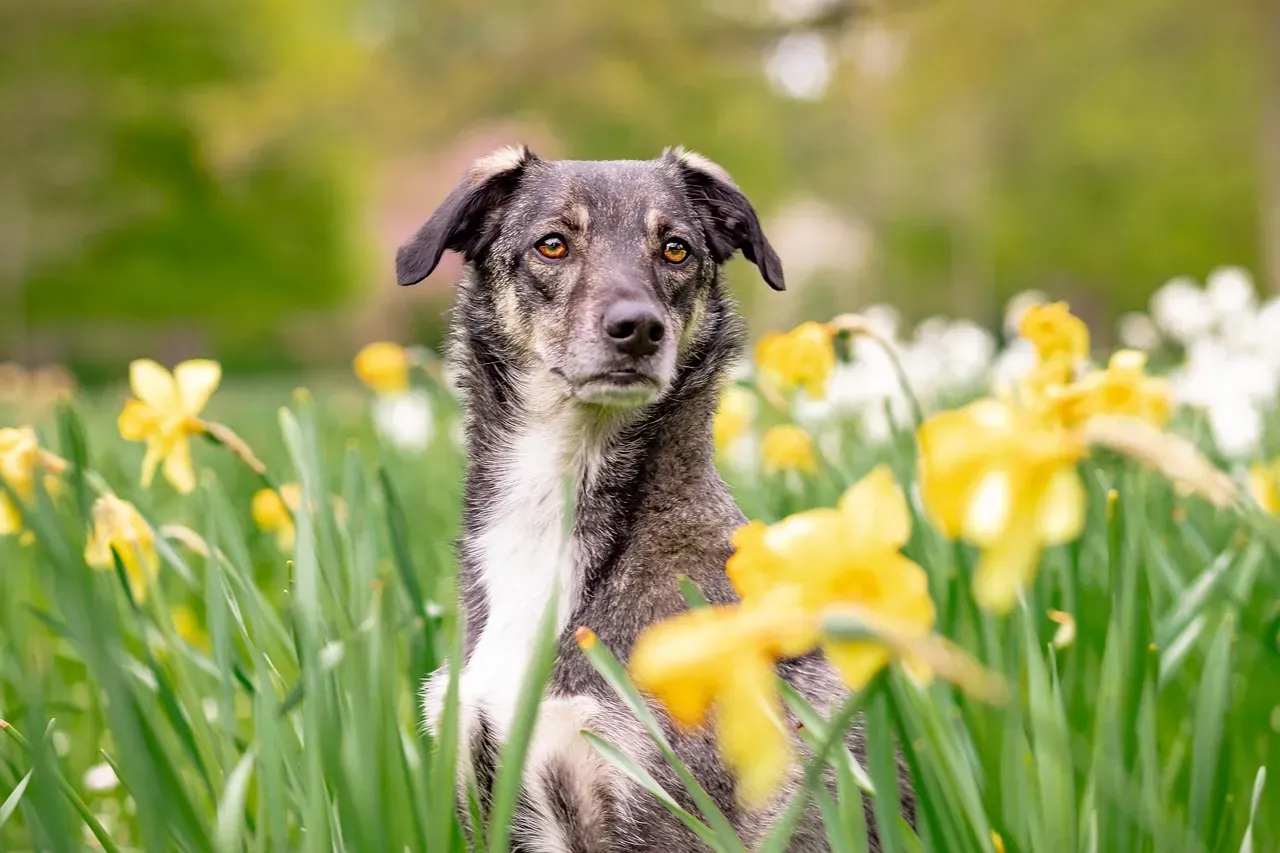
Think about what your dog wants most when they jump on you or bark at the back door. They want your attention, to be near you, to touch you. Now think about what happens when your dog jumps up and you push them down while saying “No!” You’re touching them. You’re looking at them. You’re talking to them.
From your dog’s perspective, mission accomplished. Your dog doesn’t understand what you’re saying, they just know that when they “yell,” you “yell,” and now everyone yells, which is a very fun reinforcing game for your dog. Even negative attention, like yelling or scolding, is still attention. For a bored or lonely dog, any interaction feels better than being ignored.
Attention seeking behavior occurs when the dog acts in a way that gets the attention of people who are doing something not directly involving the dog. The owner then reacts to the dog’s bark by giving it attention; both positive and negative attention from the owner reinforces this behavior. It’s one of the most common patterns we fall into without realizing it.
The Leash Pull That Gets Them Where They Want To Go
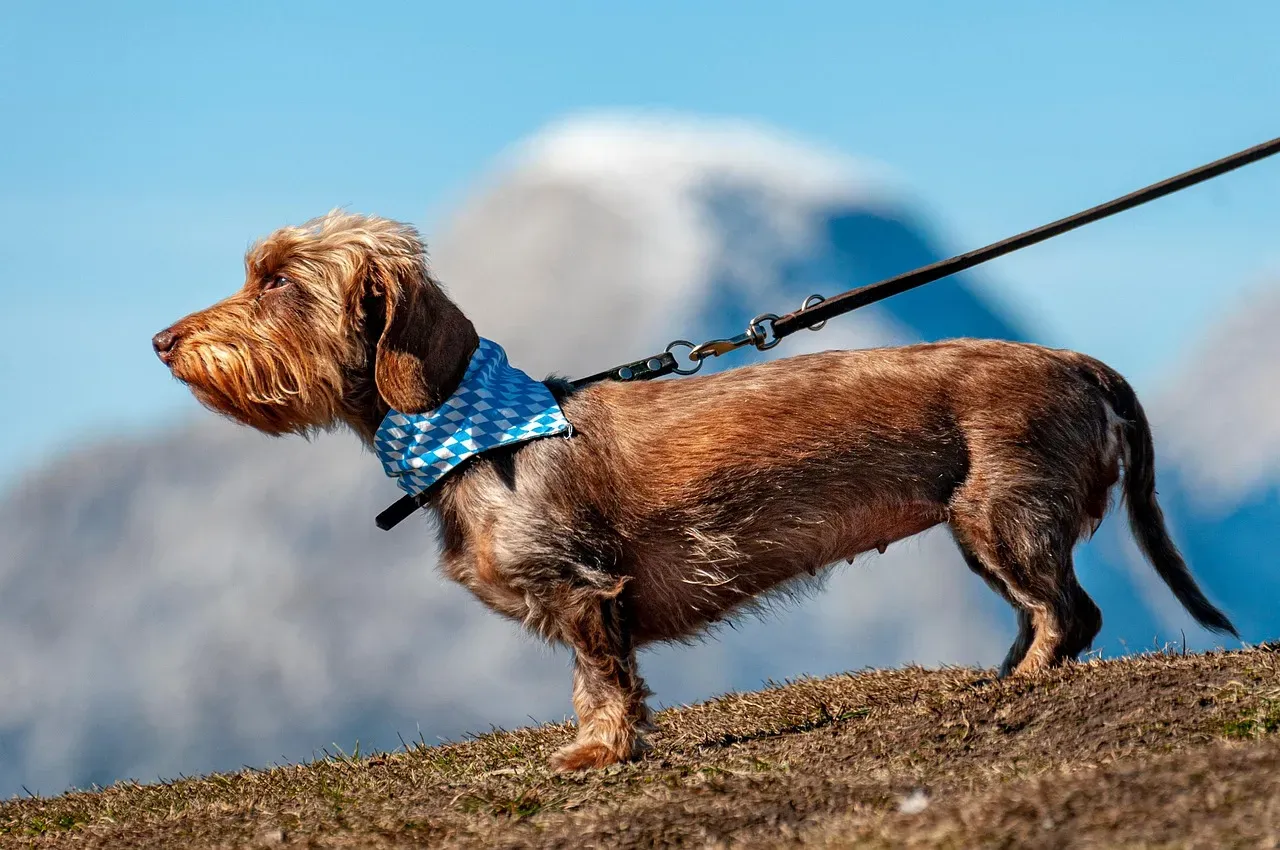
Walking your dog should be pleasant, not a shoulder workout. Yet so many of us find ourselves being dragged down the street by an enthusiastic puller. Why does this happen? On the walk, your dog wants to smell all the things, and pulling is rewarded every time they get to sniff another fragrant fire hydrant or tree.
Every single time your dog pulls and then reaches that interesting smell or gets to move forward faster, you’ve just taught them that pulling works. The owner increases their pace on a walk to keep up with a dog pulling on the leash, reinforcing that pulling on the leash equals more forward movement. I know it feels like you’re just trying to keep up or get the walk over with, but your dog is learning a very clear lesson.
The same logic applies to that crazy pre-walk excitement. When your dog loses their mind with barking and jumping as you bring out the leash, this crazy behavior is rewarded when you manage to clip the leash and head out the door. Their reaction gets more intense every time, because it’s always reinforced with a walk.
Creating Poisoned Cues Without Meaning To
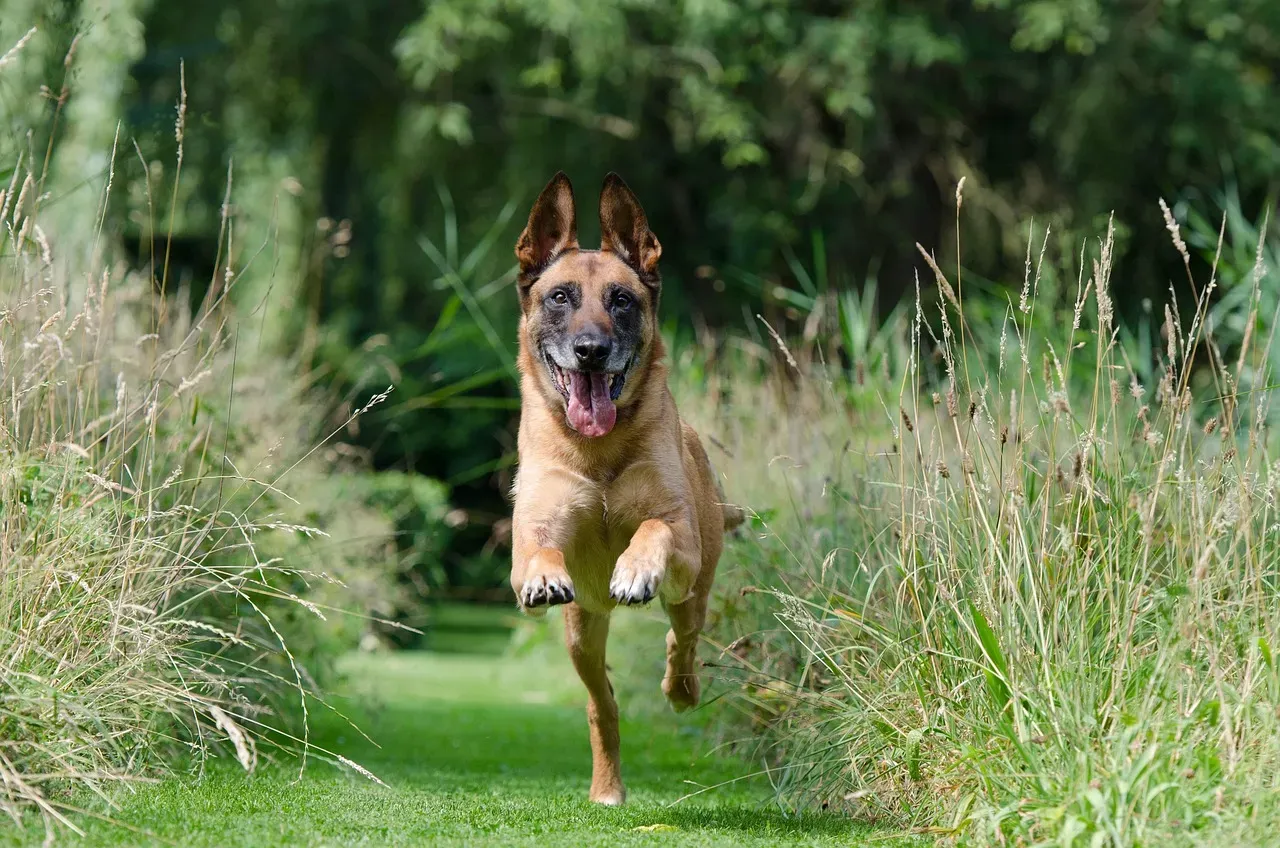
Here’s a scenario that breaks my heart because it’s so common. You teach your dog to come when called. They learn it beautifully. Then one day, you call them, they come running, and immediately you give them a bath they hate, or clip their nails, or lock them in their crate before leaving for work.
Your dog is learning that they should not come when called, because bad things happen. Do this often enough and your dog learns to stop listening when told to come or drop it. This is when you accidentally associate a cue or behavior with something your dog views negatively, so they stop responding. For example, using the command “come” to summon them for a bath they hate.
This pattern, called cue poisoning, destroys the hard work you’ve put into training. The command itself becomes a warning signal that something unpleasant is about to happen. Your dog isn’t being stubborn or disobedient. They’re being smart and trying to avoid what they’ve learned to predict.
Inconsistency Is Teaching Them To Keep Trying
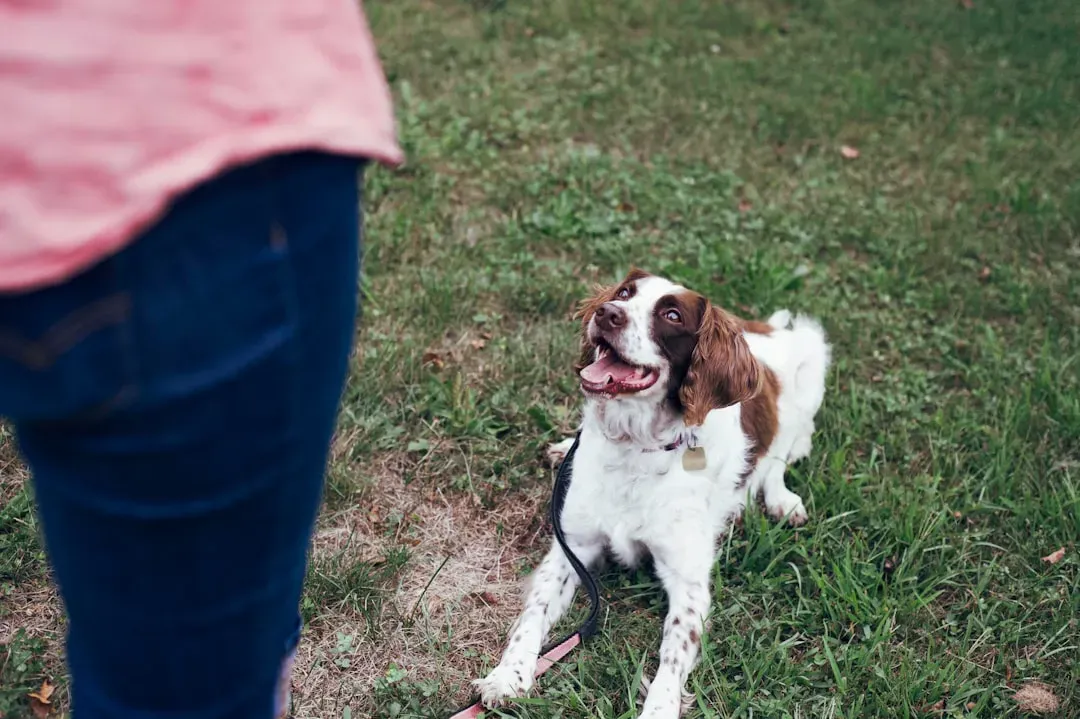
Owners tend to punish bad behaviors some of the time while inadvertently rewarding these same behaviors at other times. In this way, they accidentally set their pets up by sometimes unintentionally rewarding the bad behavior, which is how the behavior was learned in the first place. Let’s say you sometimes let your dog on the couch and sometimes you don’t. Or you occasionally slip them table scraps when they whine during dinner.
What you’ve created is something called intermittent reinforcement, and honestly, it’s one of the strongest ways to make a behavior stick. Your dog learns that persistence pays off. Maybe not every time, but often enough to keep trying. It’s like a slot machine, randomly rewarding them just enough to keep them hooked on the behavior.
When you’re inconsistent with your dog’s training it can lead to them being confused and therefore ignoring your commands. Inconsistent training can also lead to disobedience and a refusal to follow your cues. Everyone in your household needs to be on the same page about what’s allowed and what isn’t.
Understanding What Really Counts As A Reward
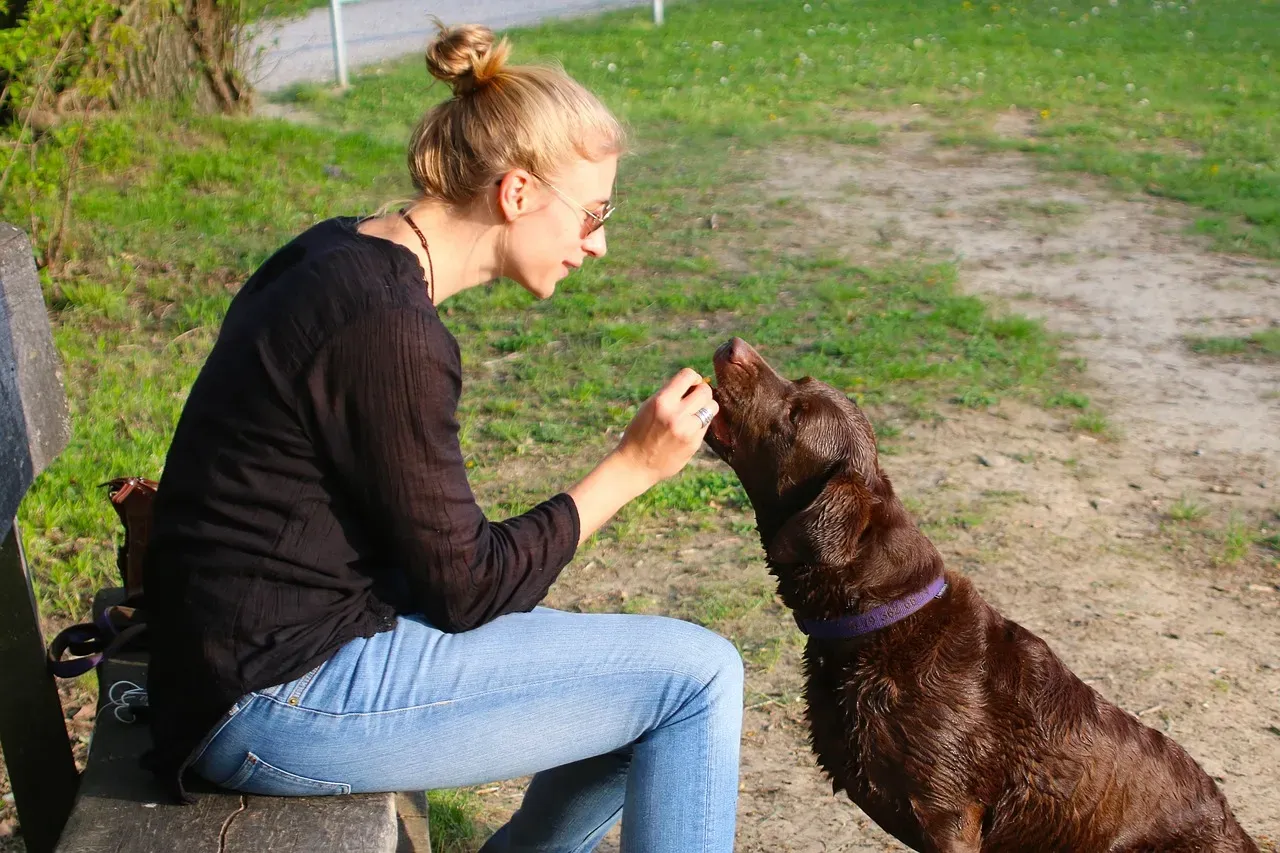
For dogs, a reward is anything they want right now. What you may not realize is that your pet views many other, unintended responses as rewards. Every time you repeat those responses, it helps reinforce an unwanted behavior. This is where things get tricky. A reward isn’t just treats and praise. It’s anything your dog finds valuable in that moment.
Access to something they want, like going outside or getting to greet another dog, is a powerful reward. In dog training, reinforcement is not just about liver treats, head pats, and tennis balls. It’s anything the dog wants in that moment. Even something as simple as you finally giving in and opening the door after they’ve been barking becomes reinforcement for that barking.
Any behavior that has been reinforced is most likely to be repeated. Any behavior that gets reinforced is more likely to be repeated, so we must be careful to try and only reinforce behaviors that we want. The solution? Start paying close attention to what happens immediately after your dog does something. What are they getting out of it? That’s your answer to why the behavior continues.
Conclusion
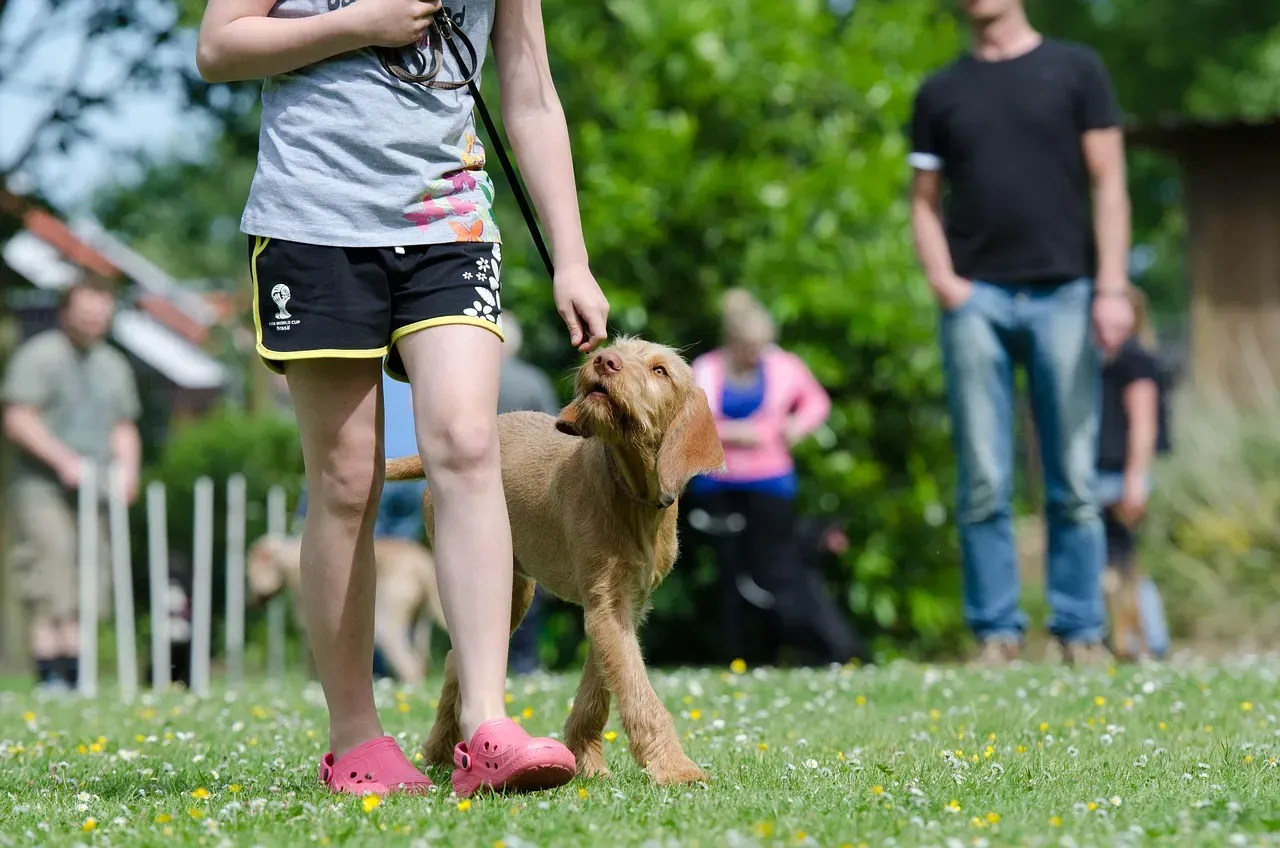
Realizing you’ve been accidentally training your dog to do exactly what you don’t want can feel frustrating. I get it. Yet this awareness is actually incredibly empowering. Once you understand how reinforcement works, you can flip the script and start intentionally rewarding the behaviors you actually want to see.
Your dog isn’t trying to drive you crazy or be difficult. They’re just doing what works based on what they’ve learned from you. The good news is that you can change these patterns starting today. Pay attention to what happens right after your dog does something, be consistent with everyone in your household, and make sure you’re rewarding the calm, polite behaviors instead of the pushy ones.
What behaviors have you realized you might be accidentally encouraging? Have you caught yourself in any of these patterns? Share your thoughts in the comments.


