

You love your dog. You’d do anything for them. Yet somehow, despite all your best intentions, you might be the very source of their stress. It’s a hard thing to consider, honestly. Most of us never set out to make our furry companions anxious, but the truth is, the actions we think are kind or helpful can sometimes send our dogs into a spiral of confusion and worry.
Around three quarters of dogs have at least one anxiety-related behavior. That’s a staggering number. What’s even more unsettling is realizing that many of these anxious behaviors stem from things we do every single day without a second thought. So let’s dive in and uncover the ways you might be unintentionally stressing out your best friend.
Your Inconsistency Is Driving Them Crazy

Inconsistent behavior is one of the most common things owners do that stress out their dogs. Canine companions appreciate schedules and rules. They like to know when things are going to happen and how they are supposed to behave. Think about it from their perspective. One day they’re allowed to jump on the couch for a cuddle session, and the next day you’re scolding them for putting a single paw on the cushion. That’s confusing, right?
Inconsistent discipline can confuse your dog and cause stress. For example, if mom says it is not ok to bite hands when playing, but dad says it is, what is a puppy to do? Dogs don’t understand the nuances of human moods or household politics. When the rules keep changing, they can’t figure out what’s expected of them, and that uncertainty breeds anxiety.
Inconsistency in commands is so common, it deserves its own mention. We often forget that dogs don’t understand human language the way we do. While it might make perfect sense to us to use the words “drop it” and “give that here” interchangeably, mixing up your commands confuses and stresses out your dog.
You’re Not Giving Them Enough Mental Stimulation
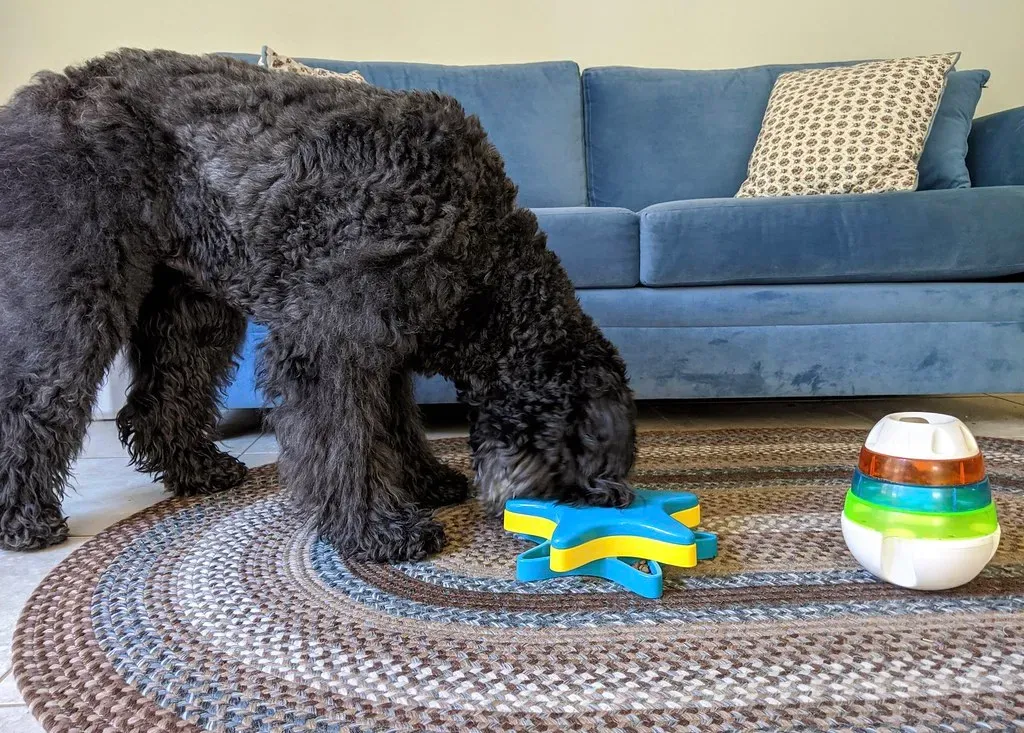
Even though some of them may look like couch potatoes, dogs are natural scavengers and hunters. Without a productive outlet for their energy or enough mental stimulation, anxiety and destructive behaviors can manifest. A bored dog isn’t just a problem because they might chew your favorite shoes. Boredom itself is a form of stress that builds over time.
Physical exercise alone isn’t enough. Sure, your dog needs their daily walk, but they also need their brain engaged. Puzzle toys, scent work, and training sessions all provide the mental workout that keeps anxiety at bay. Insufficient exercise and mental engagement can lead to boredom and stress in dogs. Regular physical activity and interactive play are vital for your dog’s health and happiness. Mental stimulation through training, puzzle toys, and new experiences keeps your dog’s mind sharp and engaged. Neglecting these needs can result in destructive behaviors and heightened anxiety.
Your Own Stress Is Rubbing Off on Them

Here’s something that might surprise you. Dogs, to a great extent, mirror the stress level of their owners. Your dog is incredibly attuned to your emotional state. When you’re anxious, tense, or upset, they pick up on those signals faster than you might realize.
We all love our fur babies, but something that we commonly do that does not help any situation, is stress when they are stressed. When your pet is experiencing a stressful event or in a stressful situation it is understandable that we may also become anxious or worried. However, we need to approach new and/or stressful experiences without fear. Calm reassurances, happy and cheerful tones and relaxed posture can all help your pet feel more comfortable in uncomfortable situations. If you’re freaking out during a thunderstorm, your dog will too. They look to you for cues about whether a situation is safe or dangerous.
You’re Ignoring Their Body Language
Dogs can’t tell you in words when they’re uncomfortable, so they use their bodies. Pay close attention to your dog’s body language and behavior, as these are the primary ways dogs communicate their emotional state. Recognize signs of stress, such as lip licking, yawning, pacing or sudden changes in behavior. When we miss or ignore these subtle signals, we force our dogs into situations that make them increasingly anxious.
Ignoring cues like lip licking, yawning, or tucked tails can lead to stress or even biting if your pup feels cornered or misunderstood. Maybe your dog turns their head away when someone approaches for a pet, or they freeze when a child runs toward them. These aren’t just quirky behaviors. They’re communication. When we push through those signals, insisting on petting, hugging, or forcing interaction, we’re essentially telling our dog that their feelings don’t matter. That erodes trust and amplifies anxiety over time.
You’re Accidentally Creating Negative Associations

Telling your dog everything will be okay seems like the right thing to do in a stressful situation. After all, that is what we want to hear when we’re scared. Dogs, however, form associations with words and phrases that precede stressful situations. If you tell your dog “it’s okay” when you are in the veterinarian’s office or in the middle of a thunderstorm, he will eventually associate the phrase “it’s okay” with a big, bad, terrible thing that is most definitely not okay.
Instead of soothing your dog, you’re accidentally teaching them that those words signal danger. The same goes for other well-meaning behaviors. If you only put on your dog’s harness right before a stressful car ride to the vet, they’ll start panicking the moment they see the harness. Allowing strangers, children or other animals to approach your dog without the dog’s permission can be overwhelming, especially if your dog is not used to such interactions. This can lead to fear, aggression or simply reinforce unwanted behaviors like jumping or pulling on the leash. Dogs thrive on structure and predictability, and random, uncontrolled interactions can disrupt their sense of security and cause anxiety.
You’re Being Too Critical During Training
Some trainers or owners are overly critical, focusing too much on what the dog does wrong and not enough on what they do right. This approach can lead to a dog that is anxious, fearful of making mistakes and hesitant to engage in training. Training should be a positive experience that builds confidence, not one that tears it down.
Harsh punishments can break a dog’s spirit, leading to fear and anxiety. Dogs thrive on positive reinforcement, where good behavior is rewarded rather than mistakes being punished. Using gentle correction and consistent guidance teaches your dog without damaging their trust. When we constantly correct without praising, or when we punish behaviors our dog doesn’t even understand, we create a fearful, anxious animal who’s walking on eggshells around us. Nobody wants that kind of relationship with their dog.
Conclusion
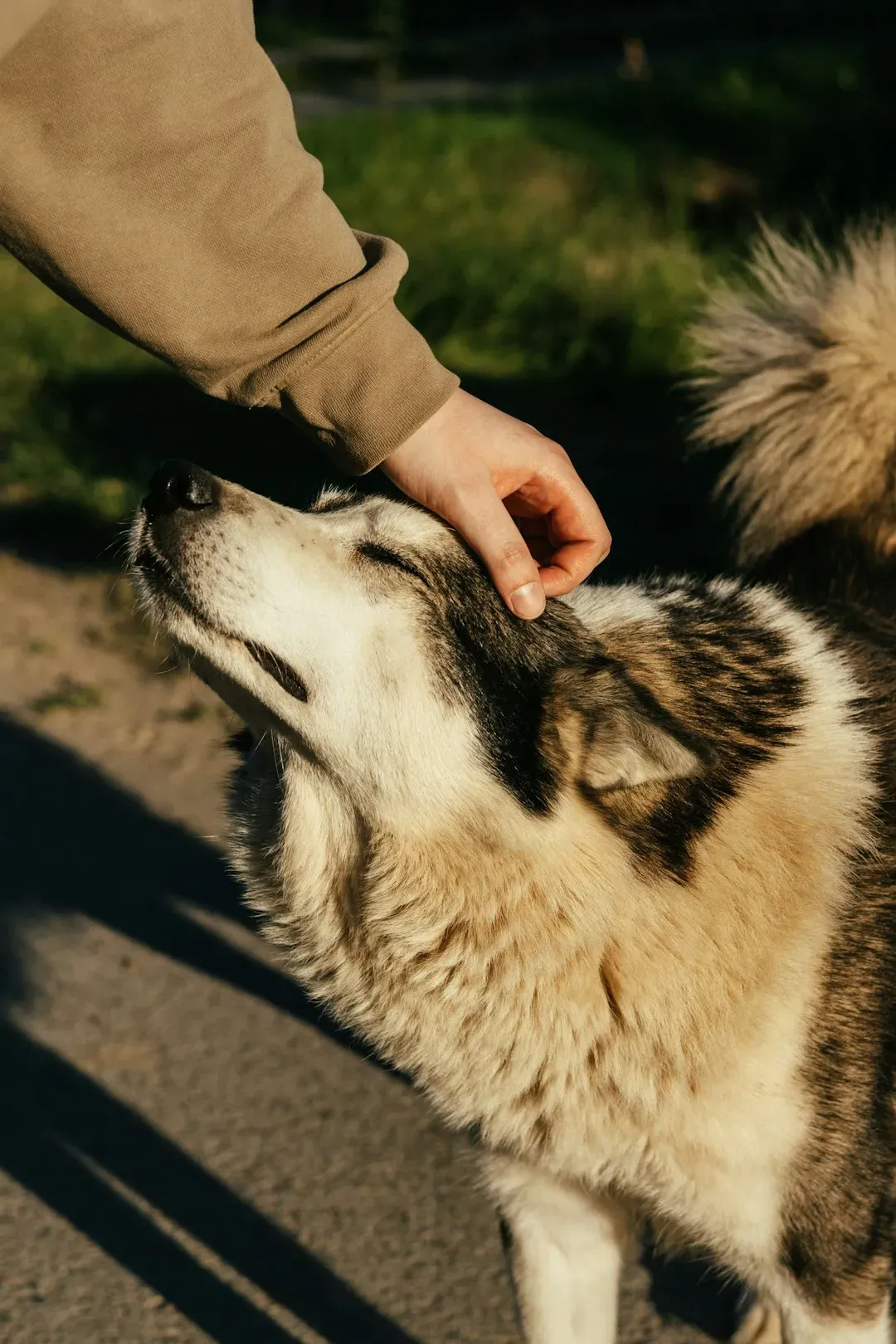
Looking back at these common mistakes, it’s clear that so many of us are unintentionally contributing to our dogs’ anxiety. The good news is that awareness is the first step toward change. Almost all anxious dogs benefit from positive reinforcement training and increased predictability and consistency in their routine and in interactions.
Small shifts in how we interact with our dogs can make a tremendous difference. Establishing clear routines, paying attention to their body language, staying calm when they’re stressed, and using positive training methods all contribute to a more confident, relaxed companion. Remember, your dog looks to you for guidance and safety. When you provide that foundation, their anxiety often melts away.
What changes will you make today to help your dog feel more secure? Sometimes the greatest act of love is simply being more mindful of the little things.
Gargi from India has a Masters in History, and a Bachelor of Education. An animal lover, she is keen on crafting stories and creating content while pursuing a career in education.


