

Your dog is talking to you right now. Not with words, obviously, but with their eyes, their posture, their ears, the twitch of a tail or a quick flick of the tongue. The thing is, most of us are only catching a fraction of what they’re saying. We notice the obvious stuff – the happy zoomies, the hungry stare at the food bowl, the excited spin before walkies. It’s the quiet, in-between moments where the real conversation happens.
Here’s what I think is one of the most underrated skills any dog owner can develop: learning to truly listen to your dog. Not just hear them, but actually listen. New insights and research reveal how dogs read our subtle cues, emotions, and intentions, suggesting that our canine best friends really understand us far better than we understand them. That’s both humbling and inspiring. So let’s change that. Let’s dive in.
The Wagging Tail Myth – It’s Not Always What You Think
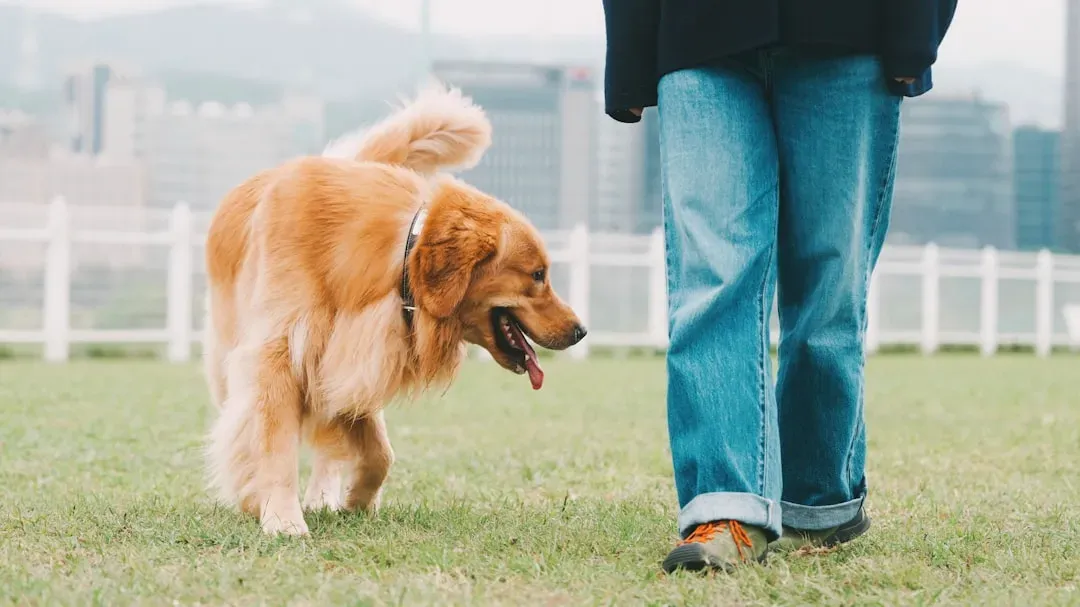
Let’s be real: nearly every dog owner on the planet assumes a wagging tail equals a happy dog. It’s practically hardwired into us. But honestly, this is one of the most common misreads in the entire world of canine communication. Tail-wagging seems like an obvious body language signal – if a dog’s tail is wagging, the dog is happy, right? Not quite. All a wagging tail really means is that the dog is emotionally aroused.
The direction of the wag actually carries a surprising amount of meaning. Research on tail-wagging has shown that dogs tend to wag their tails more to the right when they’re feeling positive, such as when interacting with their owner, while tails wagged more to the left when dogs faced something negative. So the next time your dog is wagging near a stranger or another dog, take a peek at which way that tail is actually swinging before you assume all is well.
Dogs with their tails pointing down to the ground or even tucked between their legs are feeling fear and stress. Dogs with their tails held up like a flag are feeling confident, perhaps even aggressive. Relaxed dogs hold their tails in a neutral position, but neutral depends on the breed. Knowing your own dog’s default tail position is genuinely one of the most useful things you can do as an owner.
The Tiny Signals That Speak the Loudest – Calming Cues You’re Probably Overlooking

I know it sounds almost too small to matter, but a quick yawn or a tongue flick from your dog might be one of the most important things they ever say to you. People yawn when they’re tired or bored, but dogs yawn when they’re stressed. Dogs use yawning to calm themselves in tense situations and to calm others, including their owners. Think about that for a second. Your dog might be yawning at the vet not because they’re sleepy, but because they are desperately trying to self-soothe.
Lip-licking is another bit of dog body language that people often misinterpret. Just like people, dogs will lick their lips after a delicious meal, but they’ll also do it when they feel anxious. Sometimes the tongue flick is so quick it’s tricky to notice. Context is everything here. If your dog is licking their lips near their dinner bowl, that’s hunger talking. If they’re doing it in a crowd or while a toddler approaches, that’s a completely different story.
There are entire books written on dog body language and calming signals, a term developed by Norwegian dog trainer Turid Rugaas. Rugaas realized that dogs have more than 30 ways to avoid stressful situations and try to calm themselves. Thirty. That’s not a subtle communicator – that’s an emotionally intelligent creature doing everything they can to be understood.
Whale Eye, Stiff Bodies, and Freezing – Your Dog’s SOS Signals
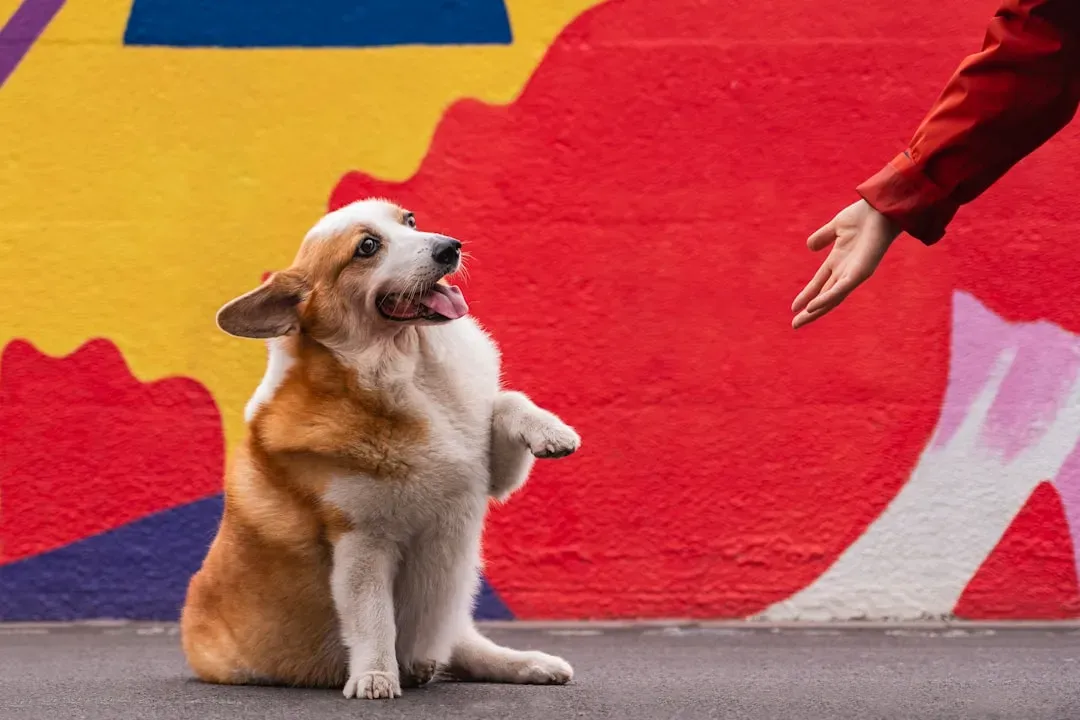
Some signals are a little harder to spot unless you know exactly what you’re looking for. One of the most important ones is something called “whale eye.” Known as “whale eye,” when a dog shows the whites of their eyes, it’s a signal that they’re feeling anxious or stressed in a situation. You might see it when you make your dog uncomfortable, like when you pat them on the head, or when they’re afraid someone will steal a bone or toy.
Then there’s the freeze. This one is easy to dismiss as your dog simply “being calm,” but it is anything but. A freeze is one of the clearest predictors of escalation. Freezing is part of the fight-flight-freeze response. It often happens right before growling or snapping. If you see a freeze, the best thing you can do is intervene gently and create space immediately. Think of it like a car engine making a strange noise before it breaks down completely. Don’t wait for the breakdown.
Stress and fear signals often appear before growling or biting. Recognizing early signs of discomfort can prevent escalation. This is why knowing these signals isn’t just about empathy – it is genuinely a safety matter for your dog, your family, and anyone they interact with.
When Avoidance and Withdrawal Are Your Dog Asking for Help
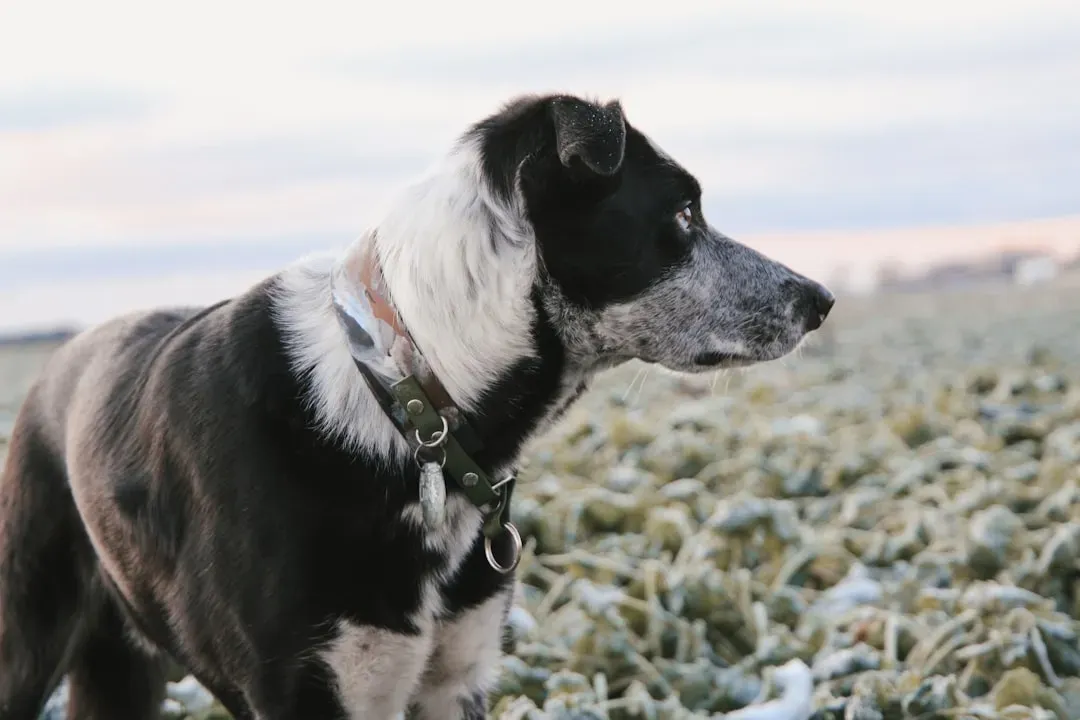
Has your dog ever turned their head away from you mid-cuddle? Moved to a different room when guests arrived? Walked behind you on a leash instead of their usual spot by your side? These aren’t random choices. Turning away, refusing to make eye contact, or physically moving away from a stimulus are clear stress signals that indicate the dog wants to increase distance from something uncomfortable. It might look like your dog turning their head away, looking at anything except the stressor, or trying to leave the situation entirely.
When faced with an unwelcome situation, dogs may “escape” by focusing on something else. They may sniff or dig the ground, lick their genitals, or simply turn away. To human eyes, this can look rude, distracted, or plain weird. In dog language, it is the equivalent of someone quietly raising their hand and saying, “I need a minute.” Respecting that matters more than you might think.
There is a beautiful, gentle logic to this. Dogs tend to repeat behavior that works well for them, so responding to their subtle body language is really important. If a dog tries turning their head and blinking to say they’re unsure and need space, and you understand and help them, they’re more likely to do this next time. But if these subtle signals are missed, a dog may use more obvious signs, like lunging and growling. In other words, the more you listen to the whispers, the less your dog ever has to shout.
What Chronic Stress Looks Like Over Time – And When to Call Your Vet

Sometimes, stress isn’t a one-time blip. Sometimes it quietly accumulates, day after day, until it becomes part of who your dog is. This is worth paying close attention to because the signs can be easy to explain away. Signs that your dog is experiencing chronic stress include changes in appetite, sleep, or playfulness, frequent body language signs associated with fear or anxiety such as paw lifting, yawning when not tired, and lip licking, as well as unusual energy levels causing the dog to be chronically over-excited or lethargic and withdrawn.
It is hard to say for sure where normal quirks end and genuine distress begins, which is exactly why knowing your individual dog’s baseline is so important. If your normally active and happy dog starts to isolate and show lethargy or decreased appetite, this is a sign that something has changed with their overall health, and seeking the care of a veterinarian is a suggested course of action. Please don’t brush that off. Dogs are stoic creatures, and by the time a change in behavior becomes obvious, it has often been brewing for a while.
Research findings from a study in the United Kingdom indicate that almost three quarters of dogs show signs of depression or anxiety, yet only about a third of owners are able to recognize these signals. That gap is not because dog owners don’t care. It’s because nobody ever taught them what to look for. Now you know. That changes everything.
Conclusion: You Are Already Your Dog’s Best Translator
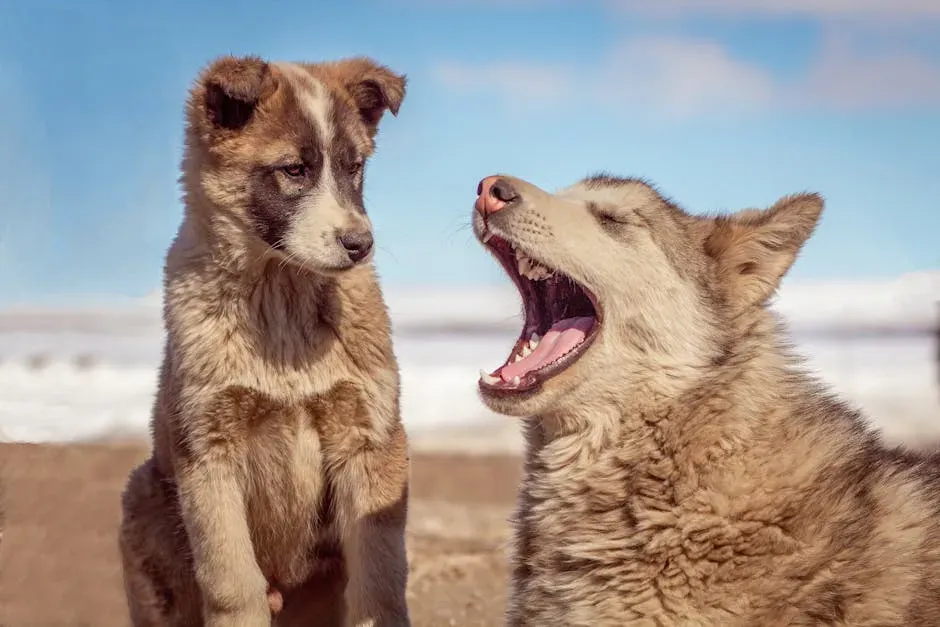
Here’s the truth: you don’t need to be a professional trainer or a canine behaviorist to understand your dog better. You just need to slow down, observe, and trust what you’re seeing. When you project your own emotions or interpretations onto your dog’s nonverbal communication, you’re missing an opportunity to listen, form a deep connection, and understand what your dog needs from you. Every single time you notice a yawn, a tongue flick, a turned head, or a freeze and respond with kindness and space, you are deepening a bond that your dog absolutely feels.
Reading, understanding, and responding to your dog’s body language is a key part of the companion-to-owner relationship. By understanding their cues and appropriately advocating for your dog, owners can ensure their dogs remain happy, comfortable, and safe. The most extraordinary thing? Your dog has been trying to tell you all along. All you have to do is learn their language.
Start small. Pick one signal from this article and begin watching for it today. You’ll be surprised how quickly the whole picture comes into focus. Your dog is counting on you, and honestly, they already believe you can do this. What signal are you going to start watching for first? Share your thoughts in the comments below!


