
You love your dog more than most things in this world. When someone approaches on the street and your pup starts trembling or backing away, your first instinct is to scoop them up, speak soothingly, or tighten the leash to keep them close. It feels like the right thing to do. You’re protecting them, comforting them, showing them they’re safe.
What if I told you that some of these well-meaning responses might actually be making things worse? It’s a hard pill to swallow, honestly. Most of us don’t realize that our natural reactions to our dog’s fear can unintentionally send the wrong message. The truth is, helping a fearful dog isn’t always intuitive, and sometimes love alone isn’t enough. Let’s dig into the subtle ways we might be strengthening the very fears we’re trying to ease.
When Comfort Becomes a Cue

Here’s the thing about dogs and learning. They’re brilliant observers of patterns, far better than we often give them credit for. When you comfort your dog while they’re growling at a stranger, they may think the behavior is acceptable. Your soothing voice, your gentle touch, your reassuring words arrive at the exact moment your dog is displaying fearful or defensive behavior.
Think about it from their perspective. Stranger appears, dog feels anxious, dog growls or cowers, and then you immediately respond with affection and attention. The dog’s brain starts connecting those dots. It’s not that you’re reinforcing the fear itself, emotions don’t work that way, but you may be reinforcing the behavior that stems from it. Emotions can reinforce fear, but comforting behaviors don’t, as long as the comfort you’re providing is actually comforting to your dog and done in a calm manner.
The key difference lies in your emotional state and timing. If you’re tense, worried, or hovering anxiously over your dog, they pick up on that energy instantly. They read your body language like a book and think something really must be wrong.
The Avoidance Trap You Didn’t Know You Were In
Let’s be real, when you spot someone approaching and you know your dog struggles with strangers, what do you do? Cross the street, right? Turn around, take a different route, anything to avoid the interaction. I get it. It feels responsible.
Yet this pattern of avoidance can actually deepen your dog’s fear. Crossing the street when seeing someone rather than taking the time to work with the dog can lead them to believe that strangers mean run the other way. Every time you avoid a trigger, you’re confirming to your dog that yes, indeed, that thing is dangerous and we need to escape.
Living with a dog who’s afraid of strangers requires diligence and patience, and it’s important to consistently protect your dog from stressful exposure to strangers. There’s a balance here. You shouldn’t throw your dog into overwhelming situations, but completely avoiding all exposure prevents them from ever learning that strangers can be safe.
Think of it like this. If you had a fear of elevators and someone helped you avoid every single elevator for months, you’d never overcome that fear. Your brain would keep filing elevators under dangerous. Dogs work similarly.
Forced Interactions and Why They Backfire
On the flip side of avoidance sits another common mistake, pushing too hard. Forcing introductions with strangers is more likely to cause issues for your dog who feels threatened and uncomfortable, which can lead to an escalation of behavior and result in biting. Some people think the solution to fear is exposure, lots of it, quickly.
That friend who insists on petting your nervous dog despite the obvious stress signals? They’re not helping. Having a stranger give your dog treats can create conflict in your dog between wanting the treat but not wanting to get close to the scary human, and once your dog gets up to the stranger, they may find themselves too close for comfort and even more frightened.
Your dog needs agency and choice in these interactions. When they’re forced into proximity with something that scares them, without any control over the situation, their fear can intensify dramatically. They may shut down completely or, worse, feel cornered enough to snap. A fearful dog may become aggressive if cornered or trapped, and while she normally adopts fearful postures and retreats, she may attack if she thinks this is her only recourse.
I’ve seen this happen at dog parks, vet offices, even family gatherings. Someone approaches too quickly, reaches over the dog’s head, and suddenly you’ve got a growling, snapping animal who wasn’t aggressive a moment ago. That’s fear speaking.
Misreading the Signs Your Dog Is Screaming
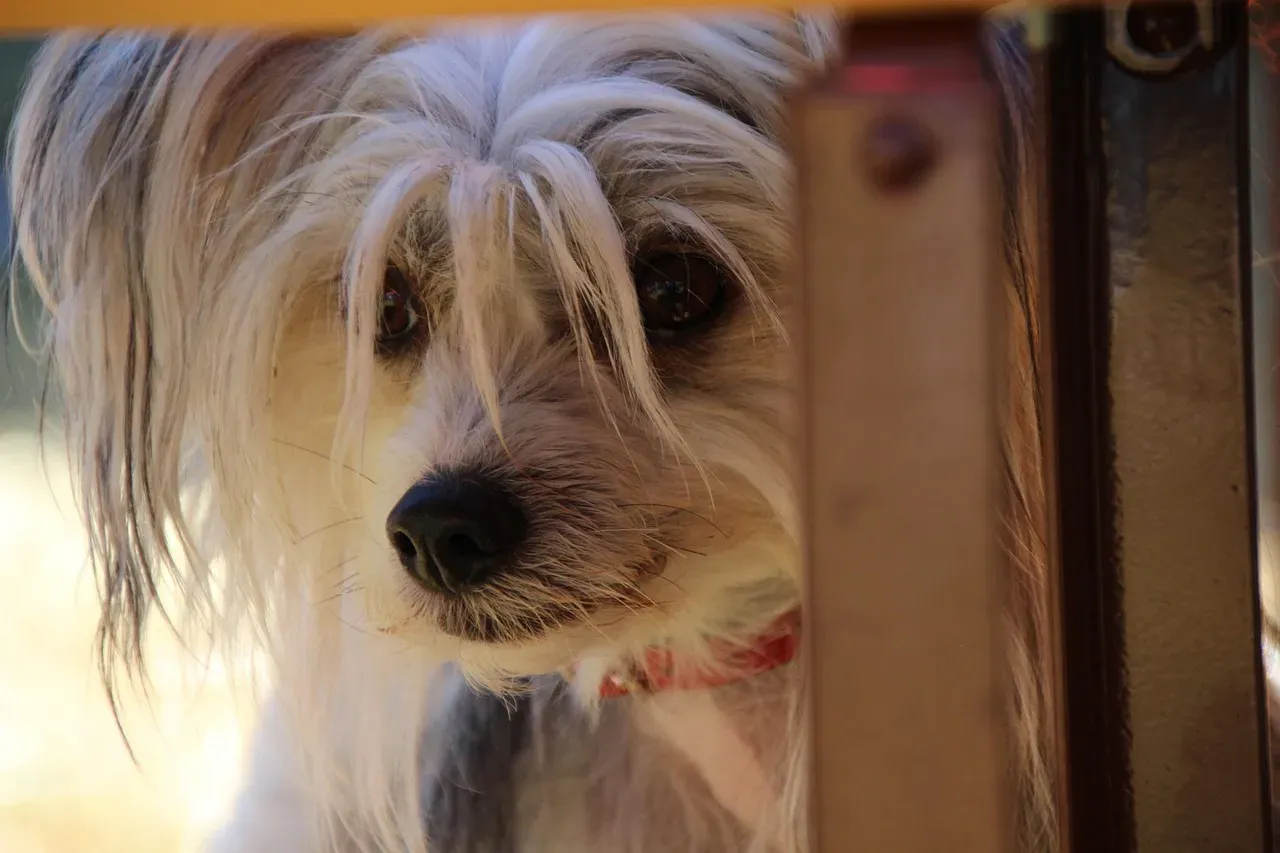
Dogs communicate constantly, but most people miss about half of what they’re saying. Body language associated with fear includes ears turned to the side or pinned to the back of the head, lip licking, panting, pacing, body tremors, direct eye contact or whale eyes, and bristling hairs. These are the early warnings, the polite ways your dog says I’m uncomfortable here.
Fear cues include a lowered or tucked tail, ears pulled back, wide eyes with large pupils called whale eye, wrinkled brow, tense face or body, and crouched positioning. When these subtle signals get ignored, dogs escalate. They have to. When their message is ignored and distance is not created, they feel trapped and might escalate their behavior, and after repeated exposure to overwhelming situations, behavior can easily escalate to aggression without much warning.
Here’s what’s crucial. If you wait until your dog is barking, lunging, or snapping to intervene, you’ve already missed several opportunities to help them. Those big reactions don’t come from nowhere. They’re the end result of earlier, quieter communication that went unnoticed or unaddressed.
Pay attention to the tiny things. The slight lean away from someone. The quick tongue flick. The suddenly stiff body. These moments are when you can truly help your dog, before the fear spirals into panic.
The Right Way to Build Confidence Around Strangers
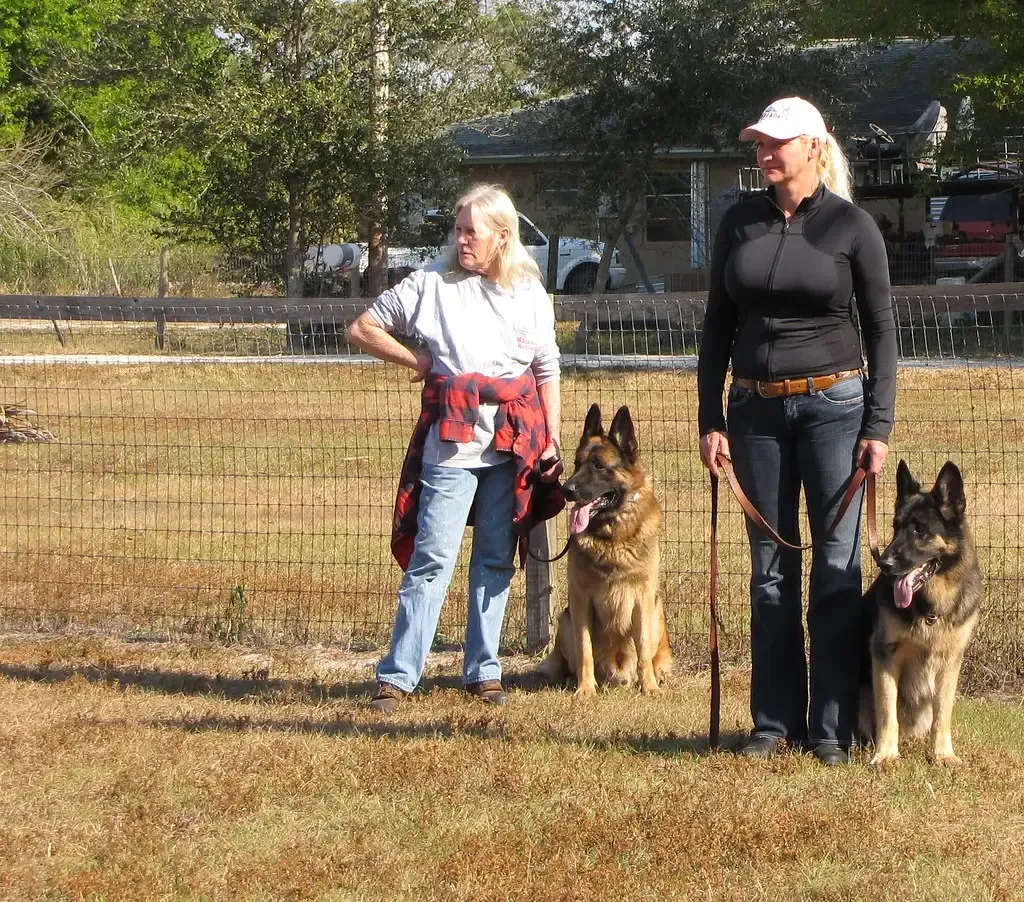
The proper way to address your dog’s fearful behavior around strangers involves the use of a desensitization and counterconditioning program. I know it sounds technical, but stick with me. With desensitization and counterconditioning, you can change your dog’s negative emotions to positive ones.
Desensitization is gradually exposing your pet to a stimulus that has triggered fear, always controlled and starting at a very low level so your pet does not experience fear, and over several sessions you gradually increase the intensity. Meanwhile, counterconditioning pairs something that causes a negative emotional response with something known to create a positive emotional response in your pet, and tasty food treats are commonly used.
If you see a stranger in the distance and your dog also sees them, feed your dog a treat or scatter treats on the ground, and when the stranger is gone the treats should also stop, so strangers become the predictors of treats appearing. Start at a distance where your dog notices the person but doesn’t react negatively.
This takes patience, sometimes months of it. Changing emotional responses takes time, and if your dog is reacting aggressively toward other dogs or experiencing anxiety around strangers, these responses didn’t appear overnight nor will they disappear overnight, and there is no instant solution or guaranteed timeline for success.
Moving Forward With Realistic Expectations
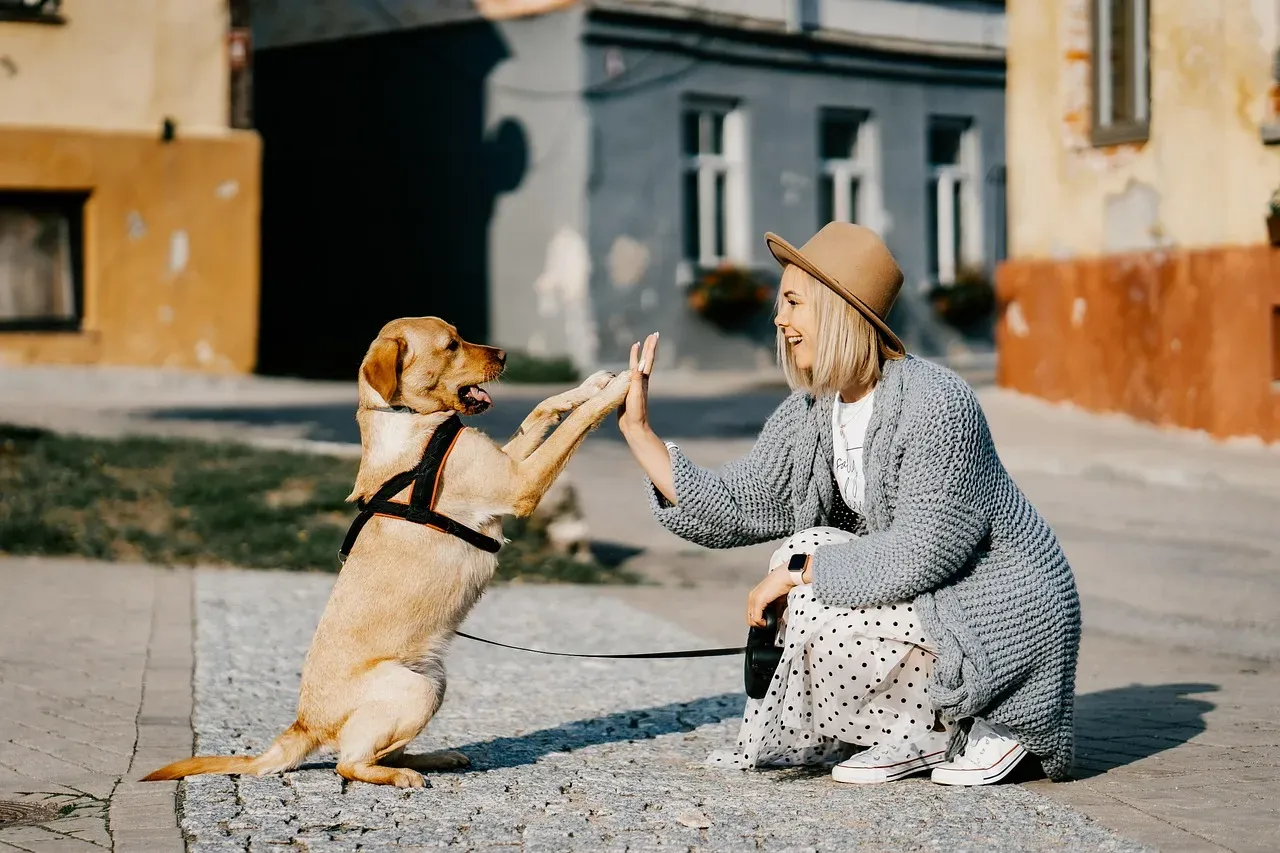
Not every dog will become a social butterfly, and that’s okay. You may eventually get to the point where new people can pet your dog, but if you never get there that’s okay too. If you have a dog who is fearful or uncomfortable around strangers, it’s important to reevaluate the expectations you have for your dog, and instead of forcing them to meet people, build their confidence by just being near people without having to interact.
You are your dog’s advocate, and if you have a dog who isn’t excited about meeting new people, it’s always okay to tell strangers your dog doesn’t want to say hello, and you can build your dog’s trust in you by not allowing other people to make them uncomfortable. This is huge. You’re the one person your dog trusts completely to keep them safe.
It’s important not to punish your dog during training or for their reactions to people, because punishing behaviors like barking or growling won’t change how your dog feels about the person who triggered the reaction, and suppressing early warning signs of discomfort can lead to escalation, where if you punish a dog for growling it increases the likelihood they might bite the next time.
The journey with a fearful dog isn’t about fixing them or making them into something they’re not. It’s about helping them feel safer in a world that sometimes feels overwhelming. Small victories matter. The day your dog takes a treat while a stranger is across the room? That’s progress. The walk where they glance at someone without tensing? Celebrate it.
What small step could you take today to help your dog feel just a little bit safer? Sometimes the most powerful thing we can do is simply slow down, pay attention, and let our dogs tell us what they need. Have you noticed any of these patterns in how you respond to your dog’s fear? Share your experiences in the comments, we’re all learning together.


