
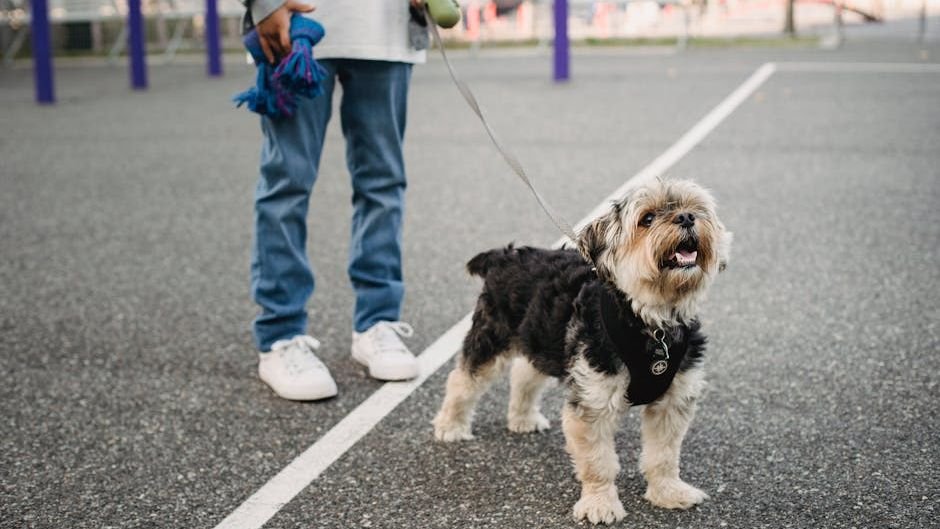
You love your dog more than words can say. You’ve given them the comfiest bed, the tastiest treats, and more belly rubs than you can count. So why, despite all your efforts, does your dog still jump on guests, bark relentlessly, or beg at the dinner table every single night? Here’s the thing – it might not be your dog’s fault. It might actually be yours. And honestly? That’s okay. You’re not a bad dog parent. You might just be sending some very mixed signals without even realizing it. Let’s dive in.
Your Dog Isn’t Misbehaving – You’re Teaching Them to Do It
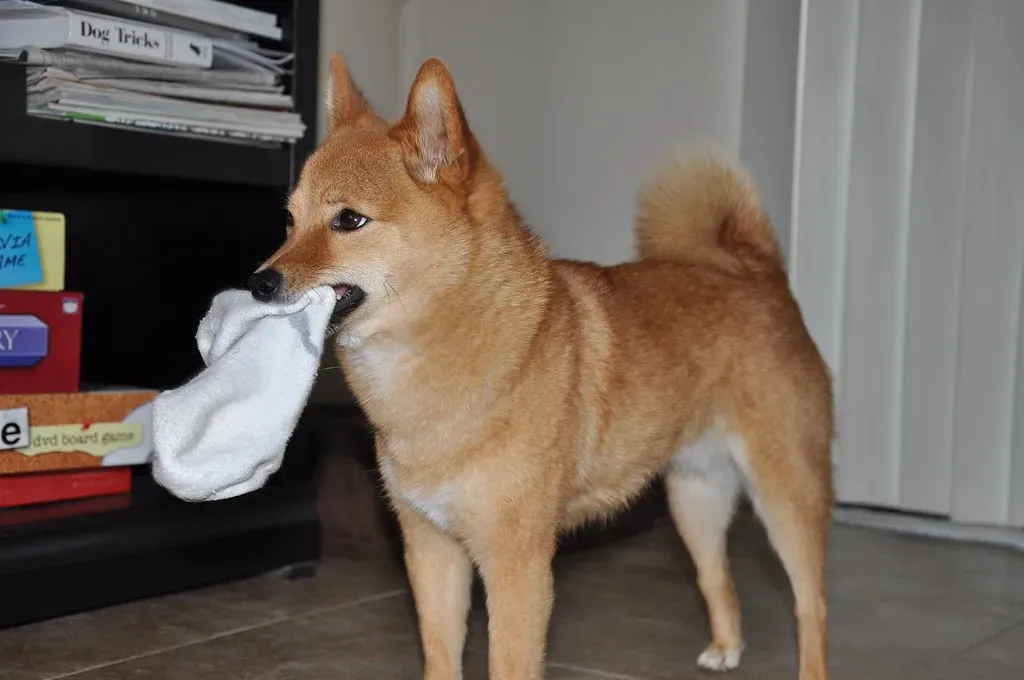
Let’s be real. Most of us tend to think our dogs act out because they’re stubborn, spiteful, or just plain difficult. The truth is far more interesting than that. Dogs learn by consequence – if a behavior leads to something rewarding, even unintentionally, they’ll keep doing it. So when your pup steals your sock and you chase them around the living room laughing, guess what they just learned? Sock-stealing equals playtime. Brilliant game, from their perspective.
While many canine behaviors are simply instinctive, some are learned over time. In some instances where these learned behaviors start to cause issues, the dog isn’t the one who needs the training – in fact, it is the owner who needs the work. This is simply because the owner is unintentionally reinforcing the unwanted behavior through their own decisions and actions. That’s not a criticism. That’s just how dog behavior science works, and once you understand it, everything changes.
The Yelling Trap: When Your Reaction Becomes Their Reward
Picture this. The doorbell rings. Your dog goes absolutely ballistic. You shout “Quiet!” at the top of your lungs. Your dog barks harder. Sound familiar? Here’s what’s really happening beneath the surface. The dog’s barking is reinforced by the owner’s yelling. Your dog doesn’t understand what you’re saying – they just know that when they “yell,” you “yell,” and now everyone yells, which is a very fun reinforcing game for your dog.
It’s a bit like two toddlers egging each other on. Your dog isn’t trying to stress you out – they’re playing a call-and-response game they think you both enjoy. It teaches them that if they bark, they’ll get the attention they crave. The owner is, once again, unintentionally reinforcing the very behavior they are trying to stop. The fix? Stop engaging with the bark. Reward the silence. Even five seconds of quiet deserves a treat and gentle praise.
Jumping Up: The Greeting Habit You Accidentally Created
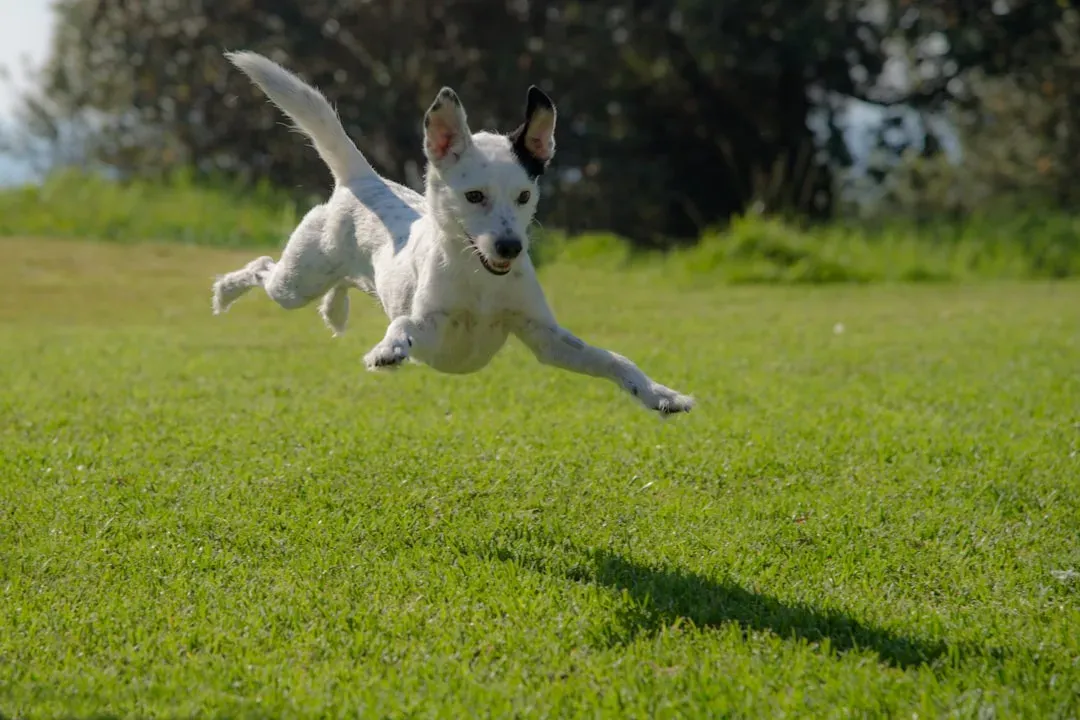
When dogs are in an excitable mood, it is pretty common for them to express this by jumping – perhaps after they have been left alone for a long period of time, or are especially excited to greet their owner at the front door. As soon as the owner walks through the door, the dog is right there and immediately jumps up on them, placing their paws on their owner’s chest. And what do most of us do? We laugh, pet them, say “okay okay, down now,” and give them exactly what they wanted – our attention.
What your dog learns is that jumping equals attention. Even though it feels negative, they got what they wanted – your focus. What to do instead? Ignore the jumping completely. Turn your back, cross your arms, offer zero eye contact. The moment all four paws hit the floor, that’s your window – reward it immediately and enthusiastically. Give a pause of at least ten seconds where the dog does not do any undesired behaviors before you provide positive interaction. This allows you to uncouple the jumping element from any positive interaction with you.
Table Scraps, Baby Talk, and the Subtle Mistakes That Sneak Up on You
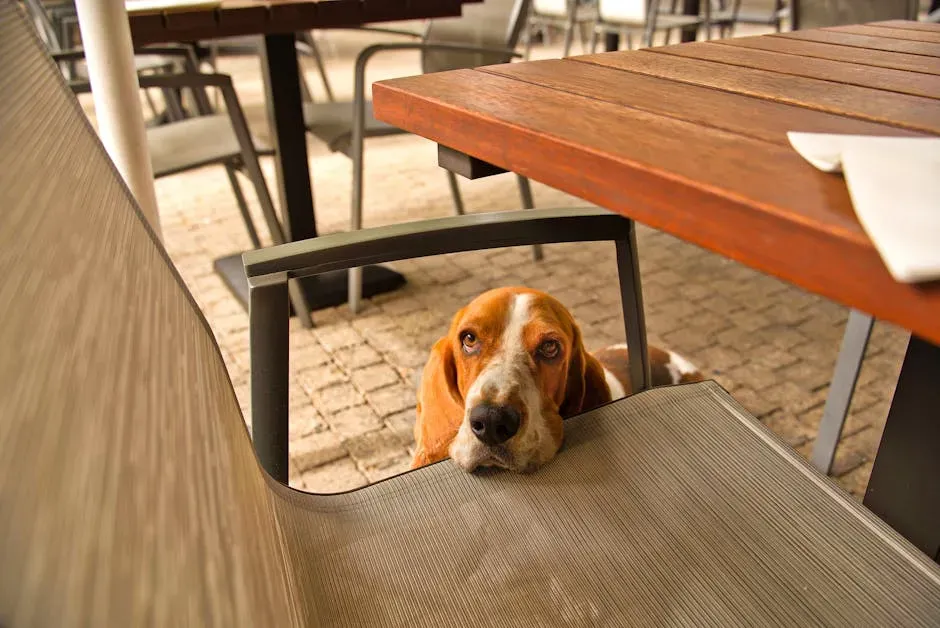
Oh, the dinner table scenario. You’re eating pasta. Your dog’s eyes are doing that thing. You cave and slip them a piece of bread “just this once.” I know it sounds innocent, but think about what just happened. Dogs whine and get fed scraps from the table, reinforcing that whining during human mealtimes equals food. Do it twice and it’s a habit. Do it ten times and it’s basically a contract your dog has with you.
Then there’s the sweet, cooing voice we all use. When one uses “baby talk,” it can be interpreted by your dog as verbal praise. Dogs can sense the cheerfulness through the inflection in your voice. If verbal praise is used in the wrong moments, it can lead to accidentally reinforcing a behavior to happen more often. Imagine soothing a whining dog at the vet’s waiting room with a soft “it’s okay, sweetie.” You meant to comfort them. They heard “keep whining, this is working.” The rule of thumb? Save the sweet tone for moments you genuinely want to celebrate.
Inconsistency Is Kryptonite: Why Mixed Messages Destroy Good Training
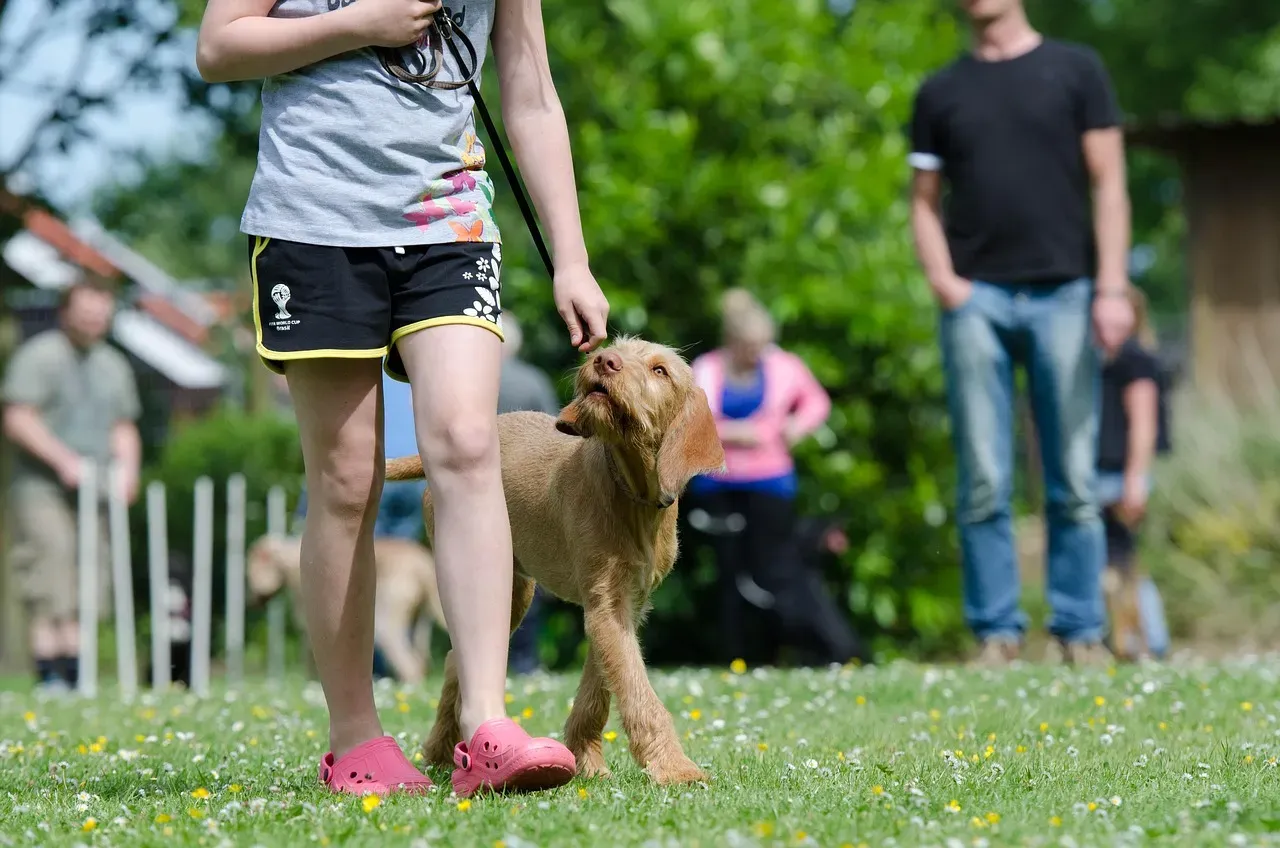
Here’s a scenario. Monday you enforce the “no couch” rule strictly. Tuesday your partner lets the dog snuggle up because it was a hard day. Wednesday you’re back to the rule. Enforcing a “no couch” rule but occasionally letting your dog snooze on the couch is not consistent. Similarly, teaching your dog not to beg and then occasionally giving them a piece of your dinner is going to lead to confusion. Your dog isn’t being defiant. They’re just following the pattern that has actually paid off for them before.
This inconsistency is confusing to the animal and can cause frustration or anxiety. Think of it from your dog’s point of view – it’s like your boss randomly giving you a bonus for being late sometimes, then punishing you for the same thing other days. You’d be confused too. Be consistent – if one day you ignore whining and the next day you give in, you’ll confuse your dog. Get the whole household on the same page, including the kids, the grandparents, and that one friend who thinks rules don’t apply at playtime.
How to Finally Break the Cycle and Reinforce What You Actually Want
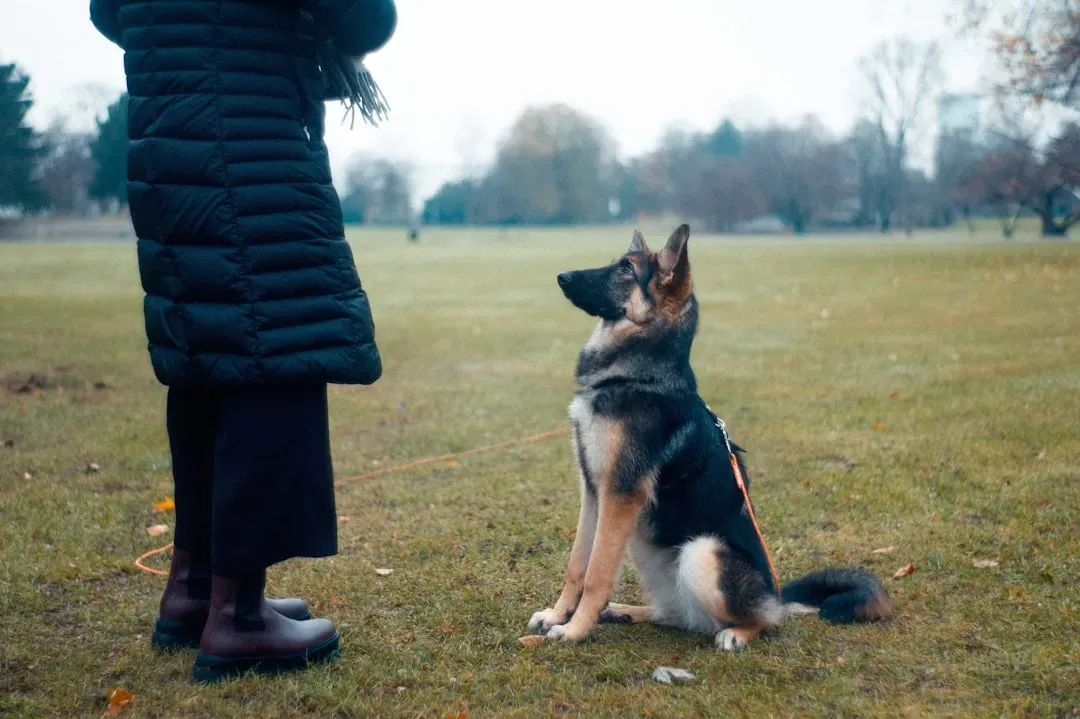
The good news? If you find yourself in a situation where you’ve accidentally built a reinforcement history for a behavior you don’t want, the easiest way to begin to shift your dog’s behavior is to reinforce a different and incompatible behavior. This is called a replacement behavior, and it’s honestly one of the most powerful tools in a dog owner’s toolkit. You’re not just saying no to the bad – you’re saying a big, enthusiastic yes to something better.
By ignoring unwanted behaviors and rewarding desired behaviors, you harness the most powerful aspects of conditioning. Your dog will want to earn treats, love, playtime, and whatever else she finds the most rewarding. She’ll quickly learn how to do it, and bad dog behavior will become a thing of the past. It takes patience. Some days it feels like nothing is working. But the moment your dog sits calmly at the door instead of launching themselves at your guests, you’ll feel it – that quiet, deeply satisfying click of everything finally falling into place.
Conclusion: The Most Loving Thing You Can Do Is Pay Attention
Here’s the bottom line. Dogs don’t misbehave to annoy us – they just repeat what works. Every time a behavior gets a reaction, a treat, or a moment of your focus, your dog files it away as a strategy worth repeating. That’s not a flaw in your dog. That’s actually a testament to how remarkably smart and socially tuned-in they are.
The most powerful shift you can make isn’t buying a new training gadget or watching endless YouTube tutorials. It’s becoming genuinely aware of your own responses. Reinforcement history can work to our disadvantage if we’re not thoughtful about what behaviors we’re reinforcing, as we can unintentionally reinforce behaviors we don’t want. You have more influence over your dog’s behavior than any trainer ever could, because you’re the one they go home with every single day.
So next time your dog does that thing you’ve been trying to stop, pause before you react. Ask yourself: am I about to reward this? Small moments of mindfulness, repeated daily, are what turn a chaotic household into a calm, joyful one – for both of you. What behavior have you been accidentally encouraging in your dog? Drop it in the comments – you might be surprised how many other dog parents are right there with you.


