

You’ve been there before, haven’t you? You’re at the dog park, and as the sun starts to sink, you call your beloved pup to come. Nothing. You call again, this time louder, with a hint of desperation creeping into your voice. Still nothing. Your dog glances at you, maybe for just a split second, then goes back to sniffing that irresistible patch of grass or chasing their new four-legged friend. Honestly, it’s one of the most frustrating moments any dog lover can experience.
Here’s the thing though: your dog isn’t being stubborn or trying to make you look foolish. The truth is, many of us are accidentally teaching our dogs that ignoring the recall command is actually the better choice. Yes, you read that right. We’re training them to ignore us without even realizing it. Let’s explore how this happens and what you can do to turn things around.
You’re Only Calling When the Fun’s About to End

Think about it from your dog’s perspective for a moment. Every single time you call them at the park, what happens next? They get leashed up, loaded into the car, and driven home. The adventure is over. If “come” means bath time, leash on, or game over, your dog learns to dodge you.
Over time, the dog learns that ‘come’ means ‘play time is over, we’re going home’. For example, in the case of a dog ignoring the recall command at the off-lead park, it’s more rewarding for the dog to continue playing and exploring than it is to obey the recall command, be put back on lead and be taken home. So why would they rush to you?
Try this instead: call your dog several times throughout your park visit, reward them generously with treats or praise, then immediately release them back to play. Call your dog, pay well, then release back to the fun at least half the time. Keep “come” pure. This simple shift makes coming to you part of the fun rather than the signal that all good things must end.
Your Rewards Aren’t Competing With the Environment
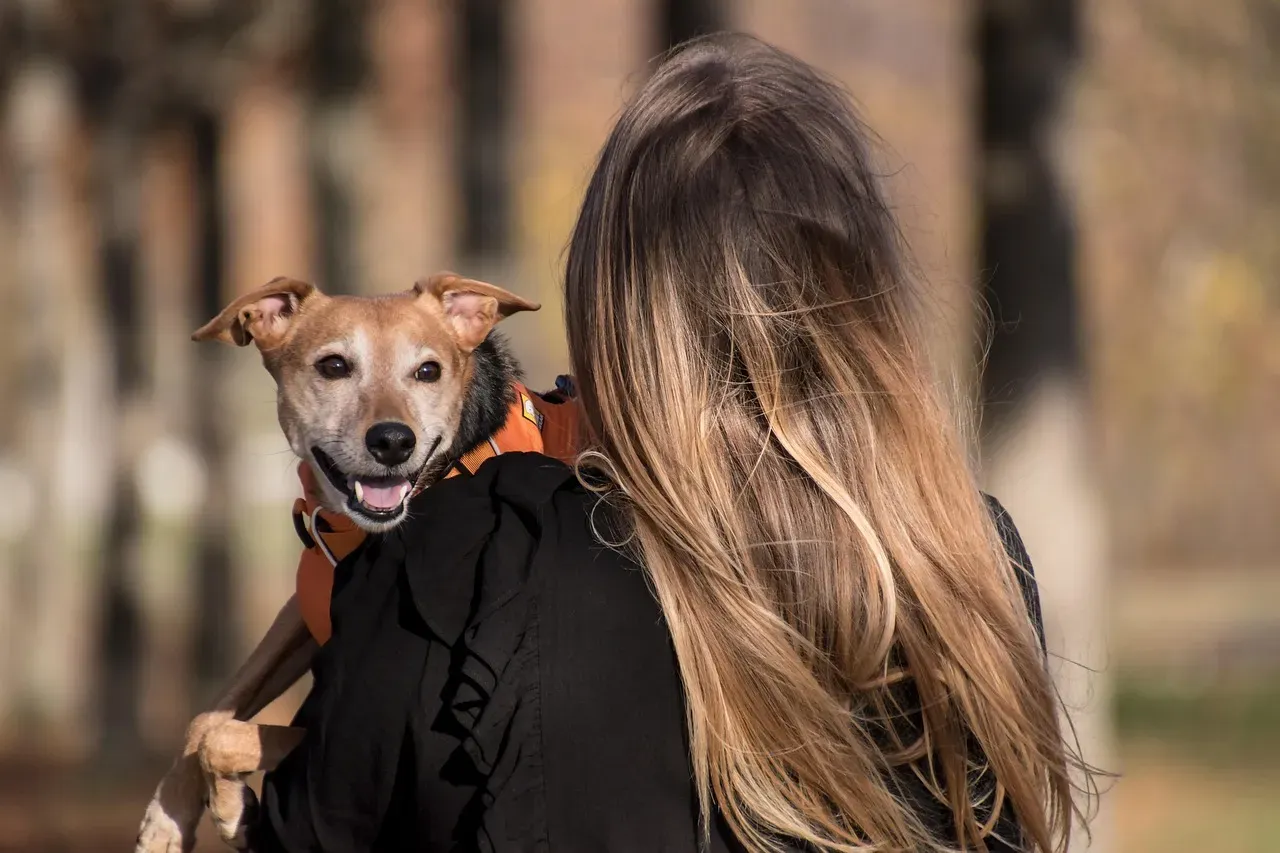
Let’s be real here. That stale kibble in your pocket or a quick head pat simply can’t compete with the thrill of chasing squirrels or wrestling with another dog. The world is endlessly fascinating to your pup, filled with smells, sounds, and playmates that are way more exciting than you standing there with mediocre treats.
We must be more exciting and more rewarding than all those people, dogs and other distractions at the off-lead park. We must make it more rewarding for our dogs to come to us when called than to ignore us and keep exploring. This means you need to up your game.
Use what trainers call high-value rewards. We’re talking real chicken, cheese, hot dogs, or whatever makes your dog’s eyes light up. Some dogs aren’t even food motivated, so maybe it’s their absolute favorite squeaky toy or a quick game of tug. Use the reinforcers that have the highest value for your dog for recall practice. The key is making yourself the most valuable thing in that environment.
You’re Poisoning Your Recall Cue Without Knowing It
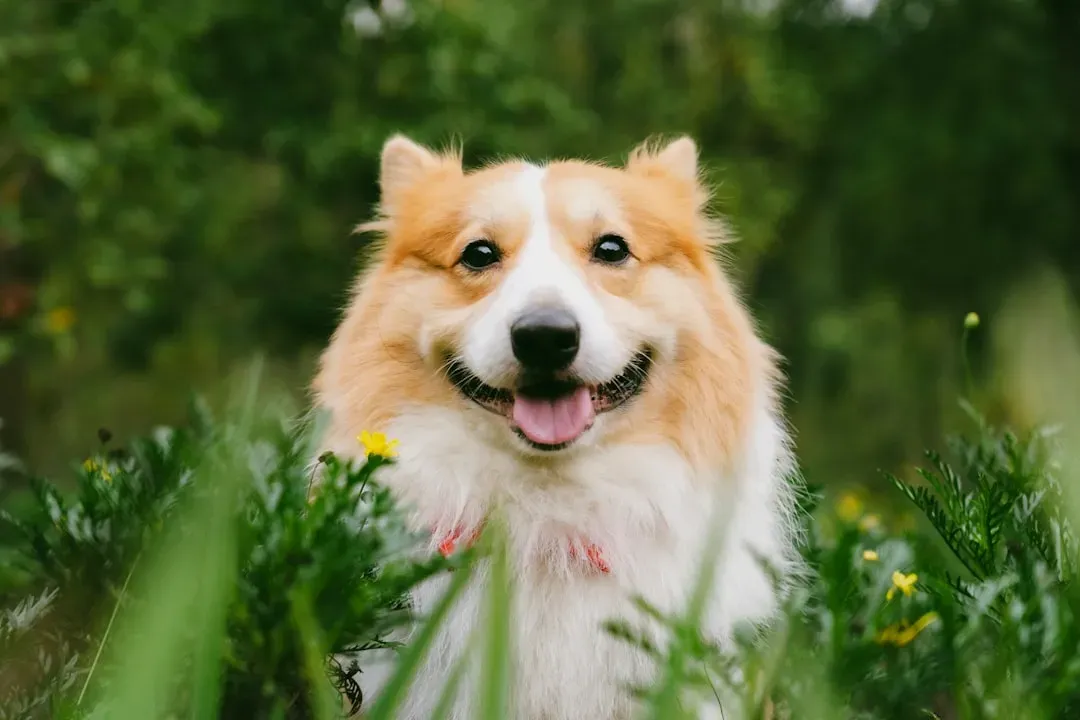
This one’s sneaky. A poisoned cue is a word that your dog has associated with something bad happening right afterward. Maybe you’ve called your dog over, and when they finally came, you scolded them for taking too long. Or perhaps you called them to clip their nails, give them medicine, or stop them from doing something they loved.
Never punish your dog for coming to you. Always reward the recall, because you want them to associate coming with getting something great. Even if your dog took five agonizing minutes to respond, when they finally arrive, you must celebrate like they just won an Olympic medal.
I know it sounds crazy, but if you punish a slow recall, you’re actually teaching your dog that coming to you leads to unpleasant consequences. Next time, they’ll think twice before responding at all. Keep the recall word sacred and only use it for wonderful things.
You’re Skipping the Training Stages
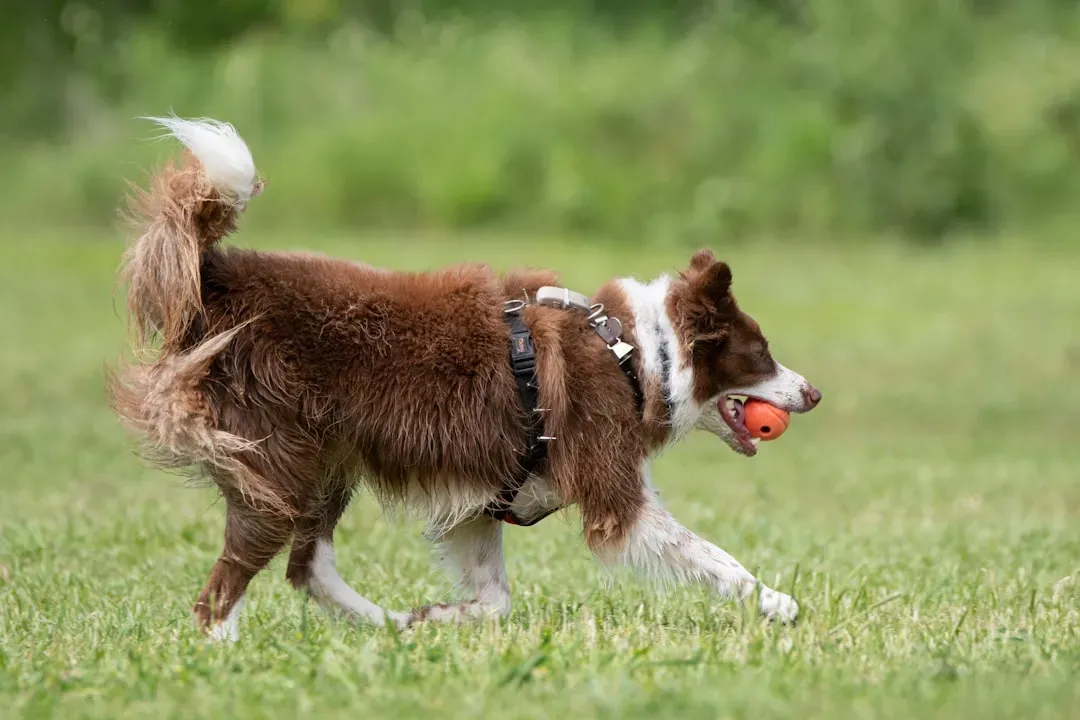
Here’s where many well-meaning dog parents go wrong. They practice recall in the quiet living room where there are zero distractions, and it works beautifully. Then they head straight to the chaotic dog park and expect the same result. That’s like learning to drive in an empty parking lot and immediately hitting rush hour traffic.
Practice should take place through all four stages of learning: acquisition, fluency, generalization, and maintenance. Generalize the behavior of coming to you in a variety of places and settings, always beginning in a low-distraction environment, and as your dog makes progress, moving to a slightly more distracting environment. Do all of this before ever practicing in a highly distracting environment (such as off-leash play with other dogs).
Start in your home, then move to the backyard, then a quiet street, then a park with few dogs, and gradually work up to busier environments. A good recall from your dog doesn’t happen overnight. You’ll want to start with short distances on a lead until you achieve a good recall. Once your dog is reliably coming when called increase the distance. This progressive approach sets your dog up for success rather than confusion.
You’re Letting Off-Leash Time Weaken Your Bond
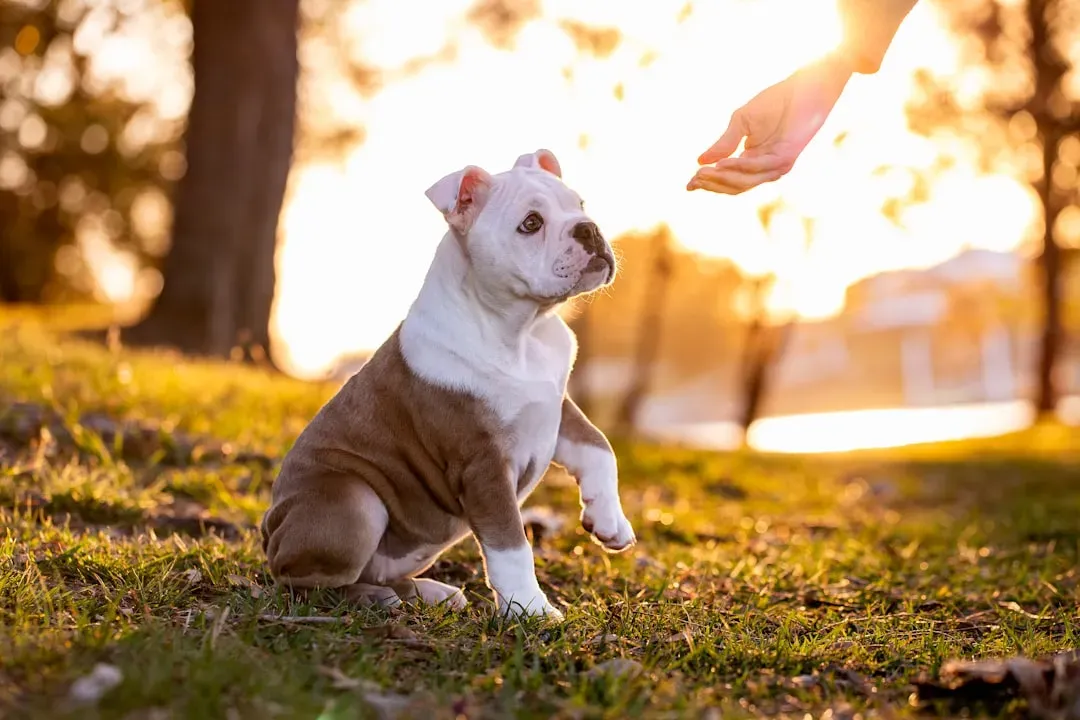
Dog parks can be wonderful, no doubt about it. Yet there’s a hidden downside that catches many people off guard. A dog park can also be a place “where the dog sees so much value in playing with dogs it weakens your bond and they don’t want to leave when you want to leave.” When you simply unleash your dog and then stand around chatting with other owners while scrolling your phone, your dog learns that you’re irrelevant to their good time.
When your dog is off-leash at the park, 100% of your focus should be on your dog. Just do it when you have your dog on a leash. Be part of their play. Call them over periodically for a quick game or training session.
The only way to teach your dog a reliable recall in heavy distractions is to use the distractions as a reward for coming when called. Integrate the dog’s lengthy good times with numerous, very short training interludes. When you actively participate in your dog’s adventures rather than just supervising from afar, you become someone worth paying attention to.
You’re Repeating the Command Until It Loses Meaning
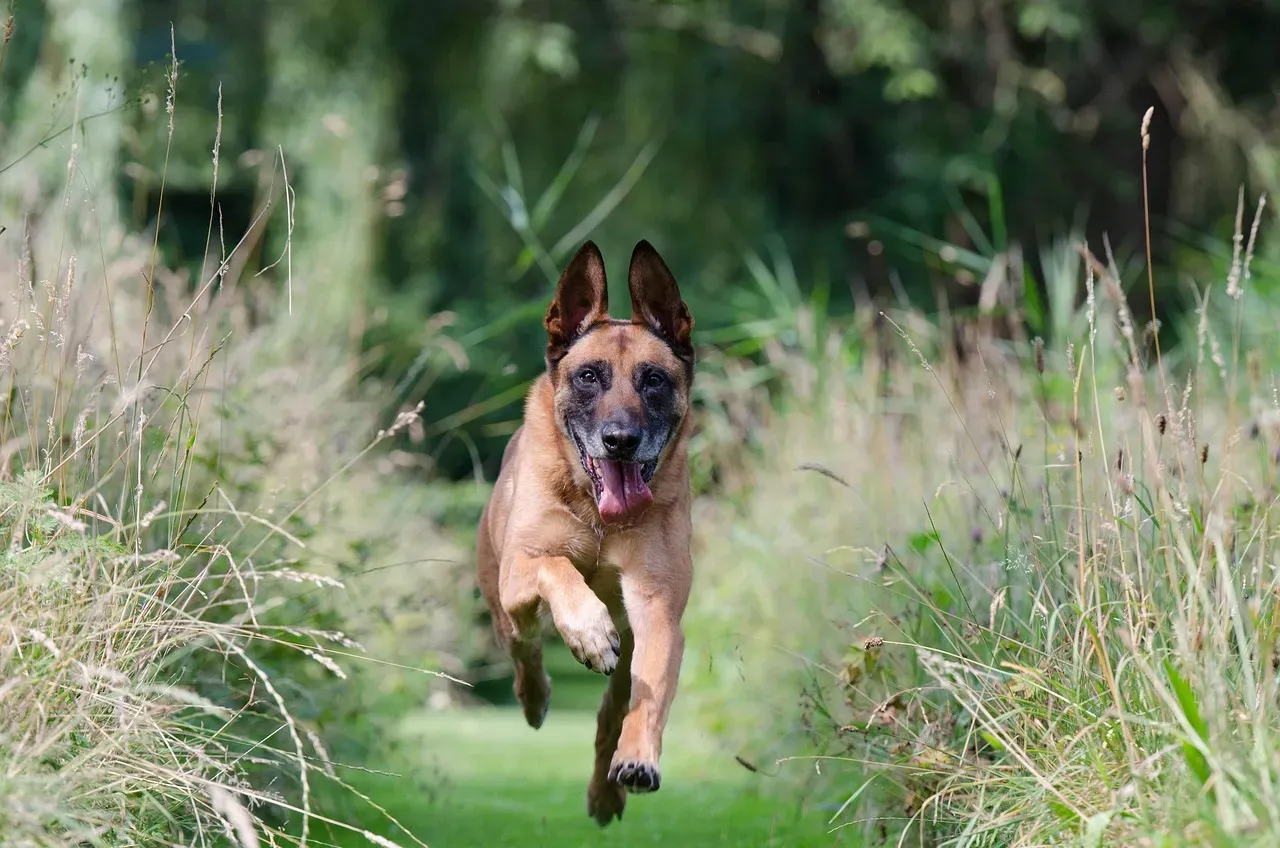
We’ve all done it. Your dog doesn’t come the first time, so you say it again. Then again. Then louder. Before you know it, you’ve said “come” fifteen times, and your dog has learned that the command is optional background noise they can safely ignore.
Only use your recall command once, maybe twice. Don’t keep repeating it. If your dog is ignoring you they’re going to associate not listening as an option to keep on doing whatever they’re doing. It will reinforce “selective hearing” and you’ll end up with a much less reliable recall in the long run.
If you have to repeat your recall cue, the environment may be too distracting. Alternatively, your dog may not understand the skill well enough for the level at which you are trying to train them. If your dog doesn’t respond after one or two calls, don’t keep nagging. Instead, go get them, take a step back in your training, and practice in less distracting environments until they’re truly ready.
Conclusion: Building Trust Takes Time, Breaking It Takes Seconds
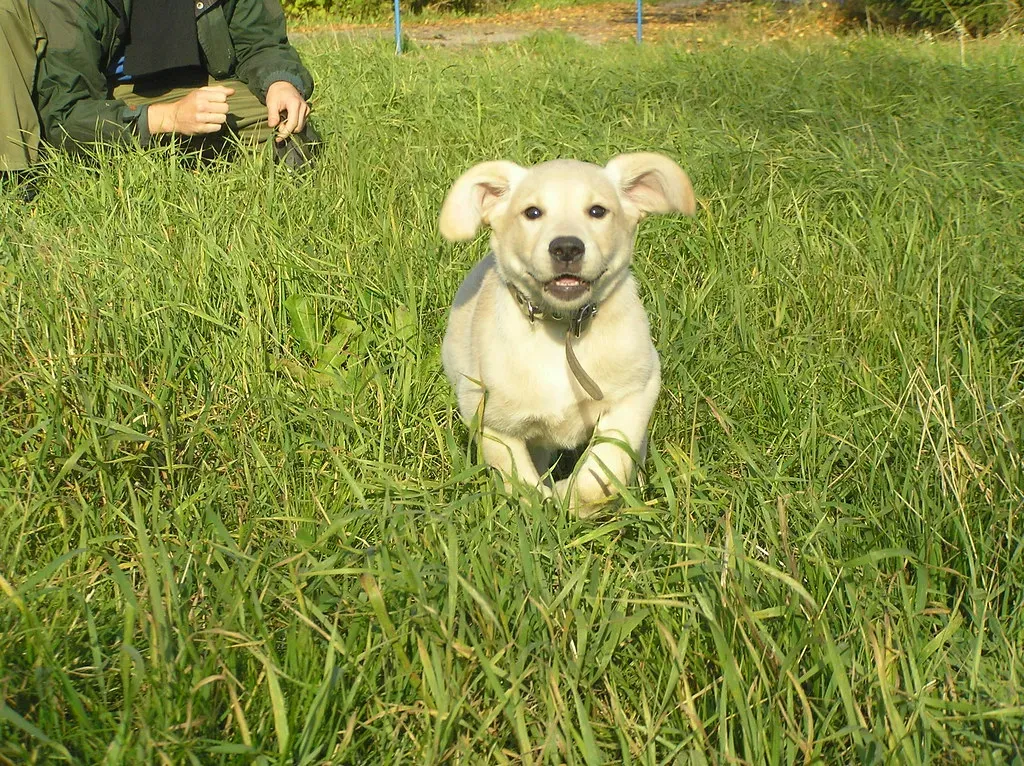
The beautiful thing about recall training is that it’s never too late to start fresh. If you’ve accidentally created some bad habits, you can rebuild. Start small, be patient with yourself and your dog, and remember that every interaction is either building trust or chipping away at it.
Teaching your dog recall skills comes down to positive association, consistency, and trust. They will recall on command when they trust you are calling them for a good reason. Make coming to you the highlight of your dog’s day, not the disappointing end to their fun.
Your dog wants to be your partner in these adventures. They’re not trying to embarrass you or assert dominance. They’re just making choices based on what we’ve taught them, intentionally or not. So here’s my question for you: What will you change about your next trip to the park? Your dog is watching, waiting to learn what you’ll teach them next.


