
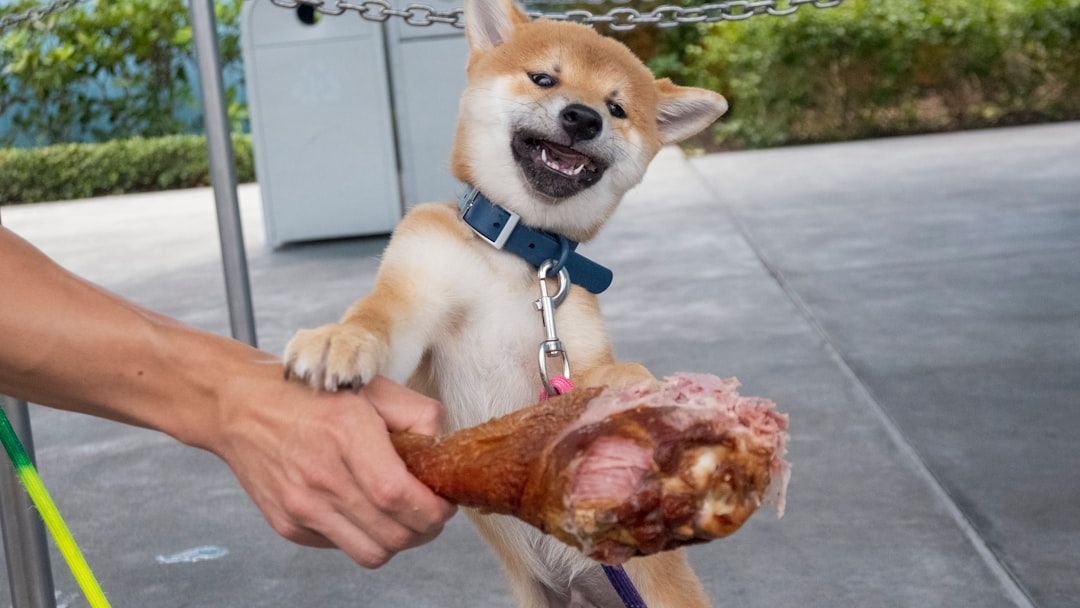
You know that moment when your dog stares up at you with those pleading eyes while you’re eating dinner? Or when they inhale their food so fast you wonder if they even tasted it? Here’s the thing: feeding our dogs seems simple on the surface, yet so many of us are making mistakes we don’t even realize. Some of these missteps might seem harmless, like giving an extra treat here or eyeballing portion sizes there, but they can quietly chip away at your dog’s health over time.
The truth is, nutrition plays a bigger role in your dog’s quality of life than almost anything else you do for them. It affects their energy, their coat, their joints, even their lifespan. Yet surprisingly, many dog owners are unknowingly setting their pups up for problems simply because they’ve never been told the full story about what dogs truly need to thrive. So let’s change that right now.
The Portion Problem: Why Most Dogs Are Overfed
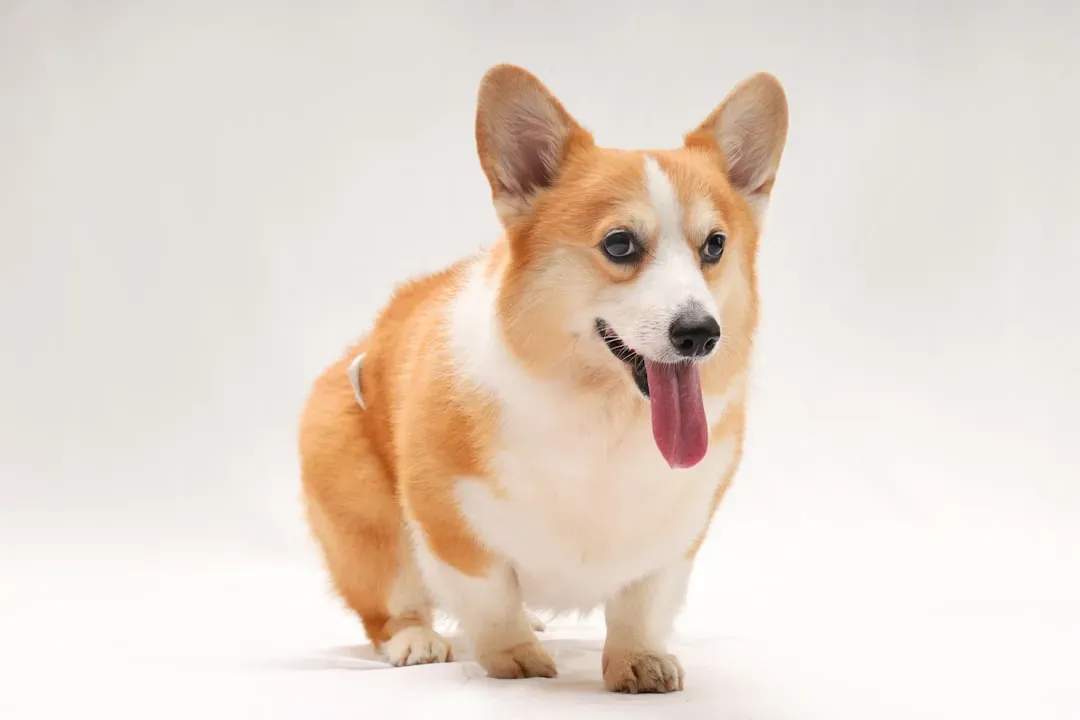
Let’s be real: overfeeding is one of the most common dog feeding mistakes, often caused by misjudging portion sizes or giving in to begging behavior. It’s not that we’re careless, it’s that we love them so much. When they look at us like they’re starving, it’s hard to resist. The problem is, an estimated 56% of dogs in America are classified as overweight or obese, and that extra weight isn’t just cosmetic.
Those extra pounds put stress on joints, increase the risk of diabetes, and can even shorten your dog’s life. Think about it this way: if your dog is supposed to weigh 40 pounds but weighs 50, that’s like carrying around a heavy backpack all day, every day. Portion size positively affected food consumption, with dogs eating significantly more food as the portion size of meal increased, which means dogs will naturally eat more if we serve more.
You love your pet and don’t want them to be hungry, which means if you’re eyeballing portions, you’re bound to guess high. Honestly, measuring cups exist for a reason. Use them. Your vet can help you determine the right amount based on your dog’s age, breed, and activity level. Stop free-feeding if you do it, because leaving food out all day can lead to overeating and poor portion control, and many dogs tend to eat when they’re bored or anxious.
Treats Are Sneaky Calorie Bombs
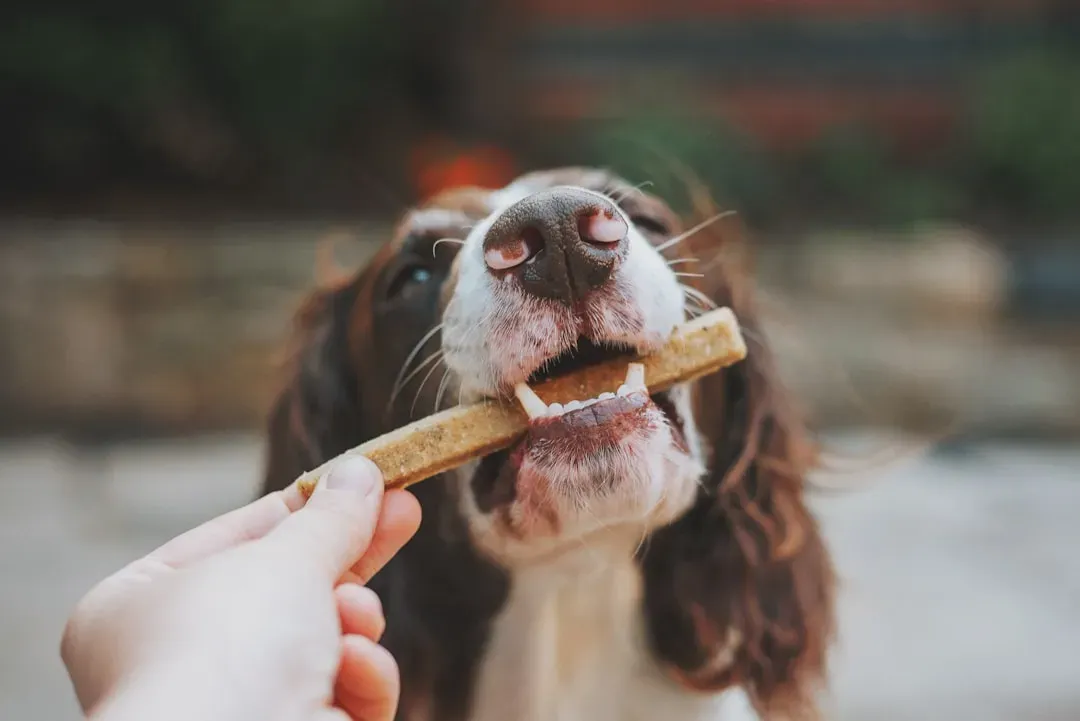
Oh, treats. We hand them out like confetti, don’t we? During training sessions, when they’re being cute, when we feel guilty for leaving them home alone. The issue is that most owners fail to account for their calorie content, and even healthy treats can add up quickly, leading to weight gain, with treats ideally making up no more than 10% of a pet’s daily calorie intake.
That little biscuit you toss them three times a day? For a small dog, that could be like you eating an entire burger as a snack between meals. Many pets tend to carry extra weight simply because they get way too many snacks and treats, and treats are often calorie-dense.
Instead of commercial treats, try healthier options. Add healthy veggies such as green beans to their kibble, or add water to their meals, as when pets are well-hydrated they feel less hungry. You can even use pieces of their regular kibble during training. Your dog won’t know the difference, trust me. They’re just happy you’re paying attention to them.
Your Dog Doesn’t Need That Much Protein (Or That Little)
There’s a lot of confusion swirling around about protein. Some people think dogs need to eat like wolves, loading up on meat at every meal. Others worry that too much protein will harm their kidneys. So what’s the truth? The AAFCO minimum dietary protein requirement for a growing dog is 22.5% dry matter and 18% DM for an adult dog, based on feeding a high-quality protein.
Dogs cannot survive without protein in their diets, as dietary protein contains 10 specific amino acids that dogs cannot make on their own, known as essential amino acids. Proteins are important in the formation and maintenance of muscle, skin, hair, nail, cartilage, tendons, and ligaments. But here’s where it gets interesting: quality matters more than quantity.
By increasing the quality of protein in a dog’s diet, less quantity is needed by the dog to meet its needs. So a food with premium chicken as the first ingredient is better than one loaded with cheap fillers and mystery meat. There are no nutritional reasons that support providing excessive amounts of protein in a dog’s diet, and after the protein requirements are met there are no additional benefits. Balance is key.
The Foods That Can Kill Your Dog
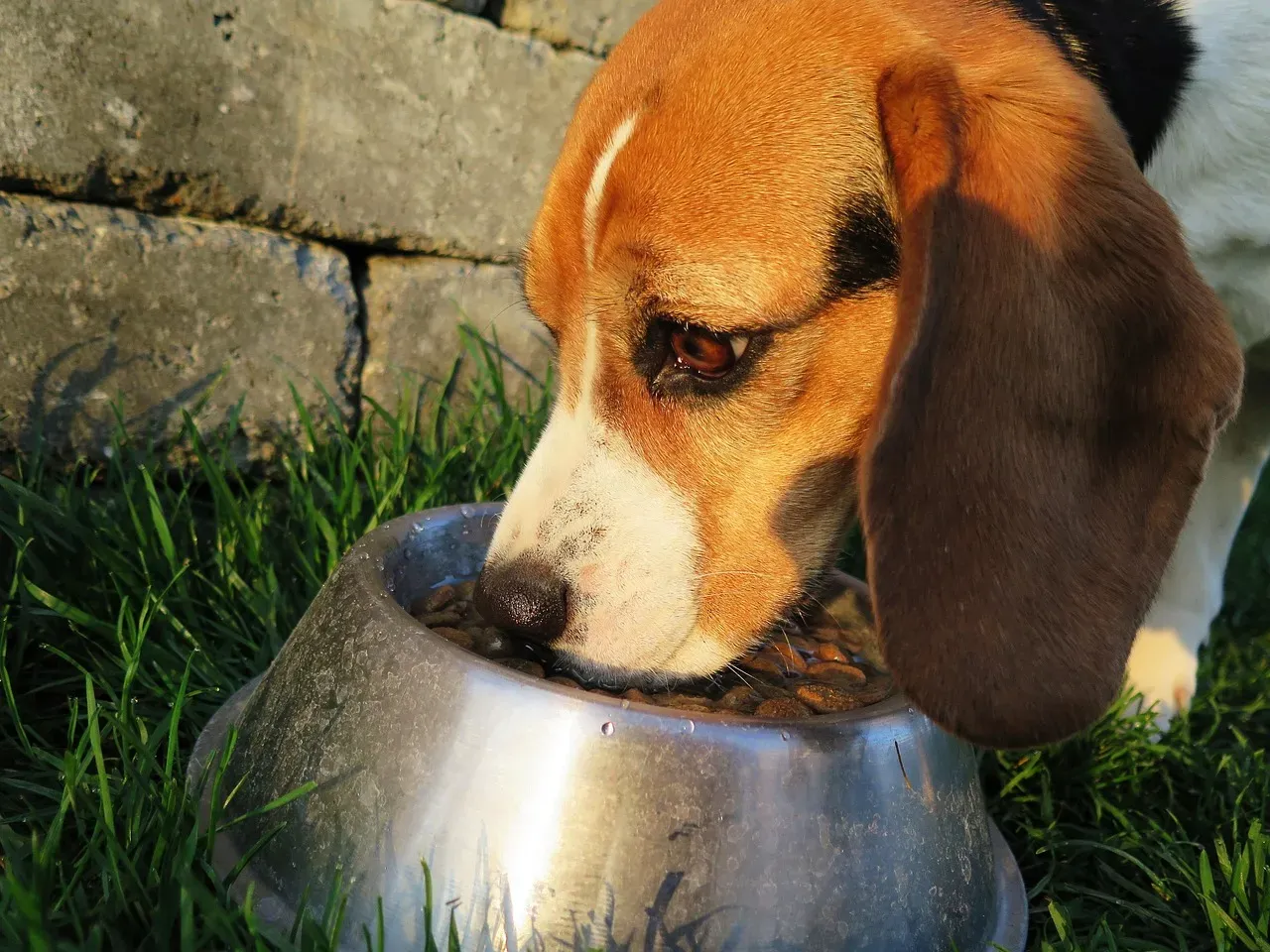
This one’s serious, so pay close attention. Poisonous foods to avoid include chocolate, xylitol, alcohol, avocado, coffee, caffeine, citrus, coconut, coconut oil, grapes, raisin, macadamia nuts, milk and dairy. Let me emphasize a few of the scariest ones.
Chocolate can be toxic for dogs, even in quite small amounts, due to a chemical (theobromine) that dogs cannot tolerate. Grapes and raisins can put dogs at risk of kidney failure, and even a small amount can make your dog seriously ill. That’s terrifying when you think about how casually we might drop a grape on the floor. Xylitol can cause low blood sugar (hypoglycemia) and potentially liver damage depending on the amount ingested, with initial signs of toxicosis including vomiting, lethargy and loss of coordination. Xylitol is in sugar-free gum, peanut butter, and baked goods, so always check labels.
Onion, garlic and chives are members of the Allium species of vegetables and can cause gastrointestinal irritation and red blood cell damage, which can lead to anemia, and although cats are more susceptible, dogs are also at risk. Even onion powder in baby food counts. Keep these foods far away from your dog, and if they accidentally eat any, call your vet immediately.
Life Stage Matters More Than You Think

A puppy, an adult dog, and a senior dog walk into a vet’s office. Sounds like the start of a joke, right? Yet your dog’s nutritional needs will vary depending on their life stage, breed, and lifestyle, with puppies, adult dogs, and senior dogs all having different nutritional requirements. It’s not just marketing hype when you see “puppy food” versus “senior food” on the shelf.
Puppies usually require more nutrients that support healthy growth and development, while senior dogs may not need to consume as many calories as they did when they were younger. This makes sense when you think about it. Puppies are growing machines, burning through energy and building muscle and bone. Older dogs tend to slow down, sleep more, and need fewer calories but often benefit from joint support ingredients.
Smaller dogs typically have a faster metabolism and therefore need to consume more calories per pound body weight, and larger dogs may benefit from eating diets that are supplemented with bone and joint support. Athletic and working dogs typically need to eat high-protein diets, while less active dogs don’t need to consume as much protein. Feed the life stage and lifestyle your dog is actually living, not the one you imagine or the one they used to have.
Conclusion: Small Changes, Big Impact
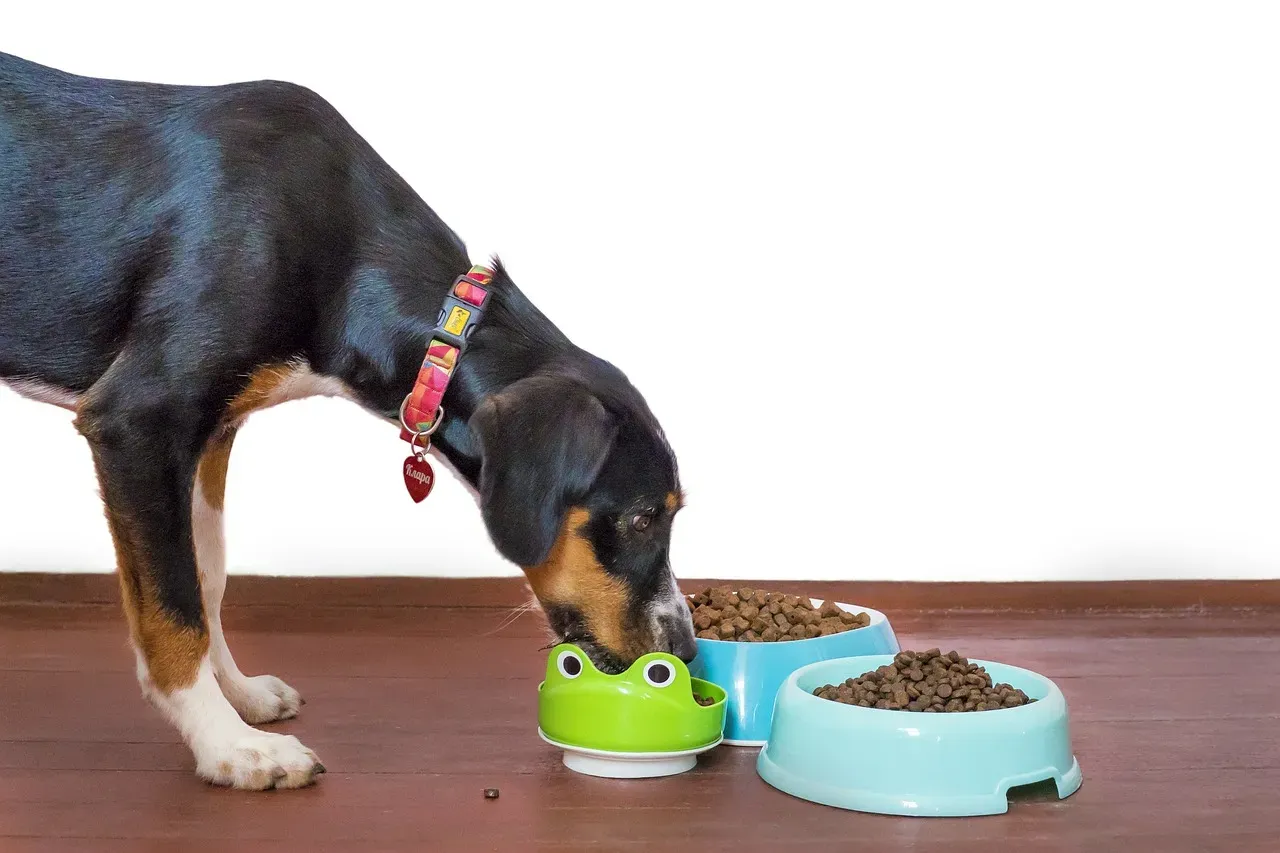
Feeding your dog well doesn’t have to be complicated, but it does require intention. Measure portions, read labels, skip the table scraps, and choose quality over hype. Your dog depends on you to make these choices for them, and honestly, they deserve our best effort. The good news? Once you get into the rhythm of feeding properly, it becomes second nature.
The biggest takeaway here is this: love your dog enough to say no sometimes. No to extra treats. No to sharing your chocolate dessert. No to free-feeding all day long. These small boundaries are acts of love that will keep them healthier, happier, and by your side for longer. What do you think about it? Are there feeding habits you’re ready to change for your furry friend?


