
You think you know your dog inside out. Every tail wag, every playful bark, every content sigh as they curl up beside you on the couch. Yet here’s the thing: dogs are masters at hiding discomfort, and stress often whispers before it screams. The signs are there, subtle as a shadow, easy to miss in the blur of our busy lives.
While we’re quick to notice the obvious, like excessive barking or destructive chewing, we often miss the quieter signals our dogs send when they’re struggling emotionally. The signs of anxiety in dogs are often subtle and can easily be misinterpreted unless the full context is understood. Think about it: your dog can’t tell you they’re overwhelmed, worried, or uncomfortable. They rely on body language and behaviors that we might dismiss as quirky habits or random acts. Let’s dive into the seven sneaky stress signals that deserve your attention.
Excessive Yawning When They’re Not Tired
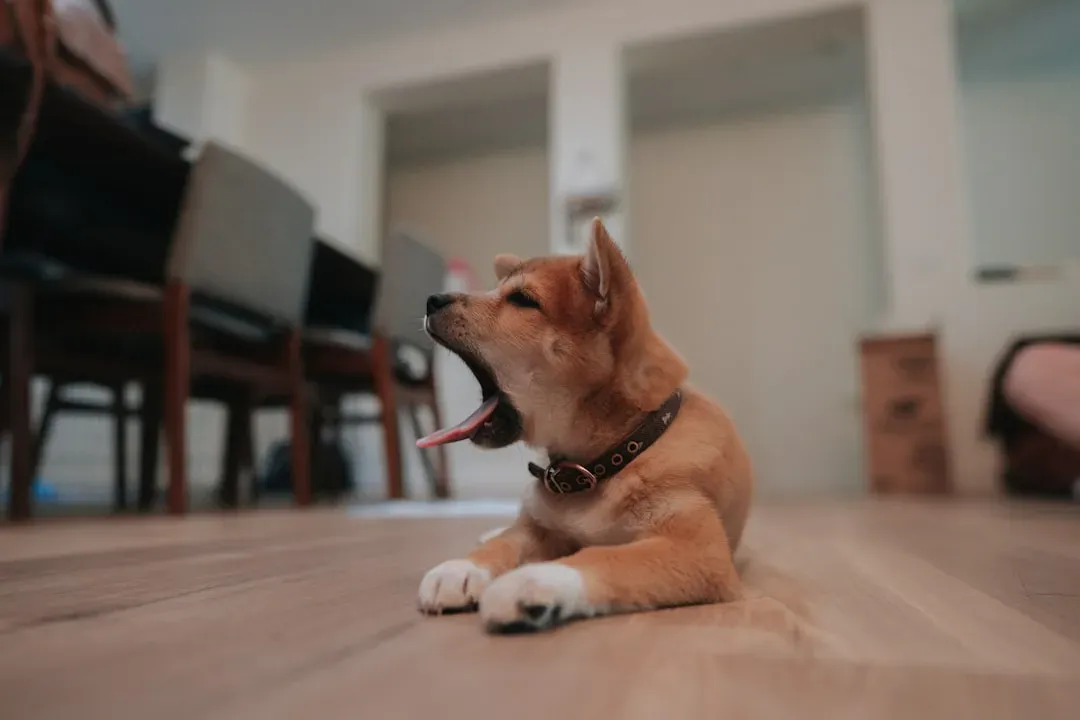
You might think your dog is sleepy when they yawn repeatedly during that neighborhood walk or while meeting your friend’s new puppy. Here’s a reality check: dogs yawn for entirely different reasons than we do. When a dog yawns in situations that don’t involve bedtime or waking up, they’re often trying to calm themselves down.
It’s a displacement behavior, one of those subtle communication tools dogs use when they’re feeling uncertain or stressed. Watch for yawning during vet visits, when strangers approach, or in busy, chaotic environments. If your dog is yawning repeatedly while fully alert, they’re essentially telling you they need a break from whatever’s happening around them.
That Whole Body Shake Off
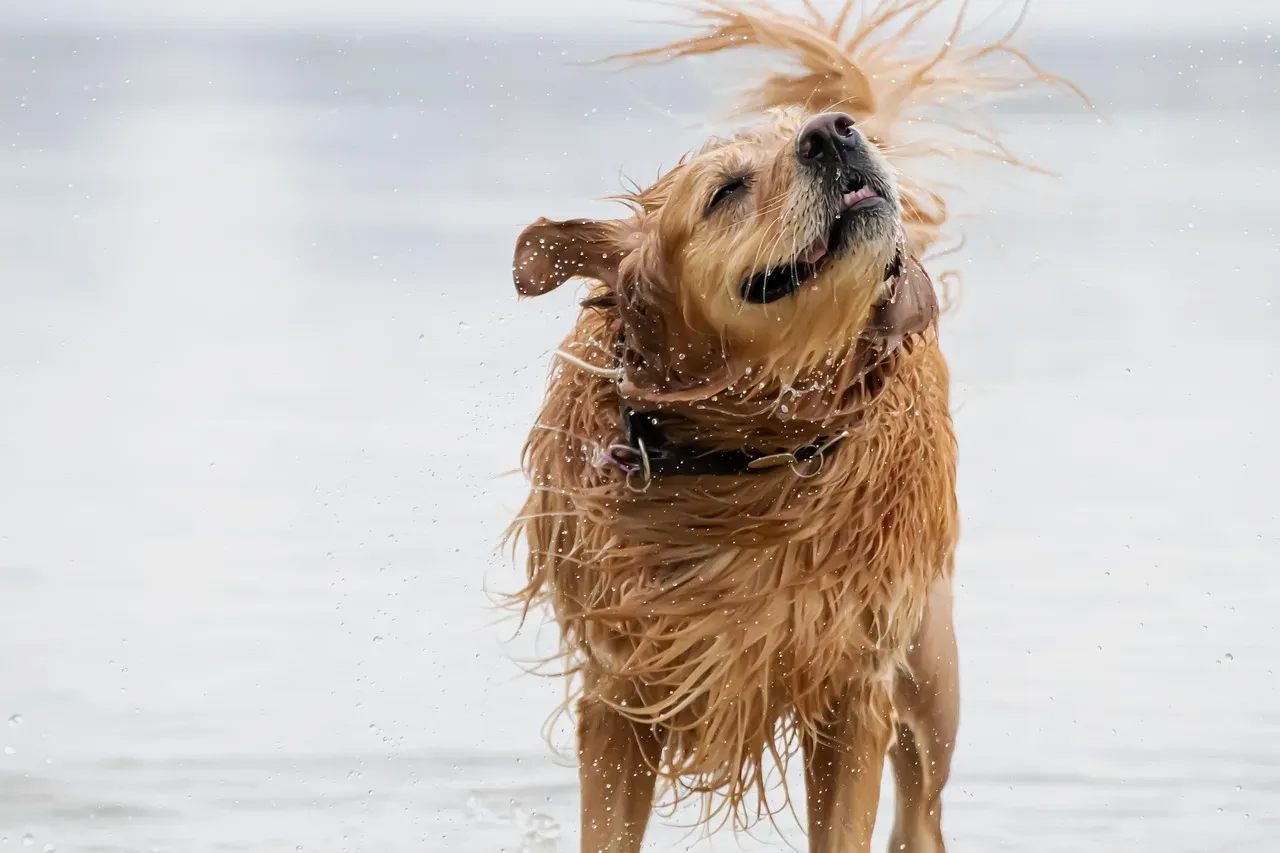
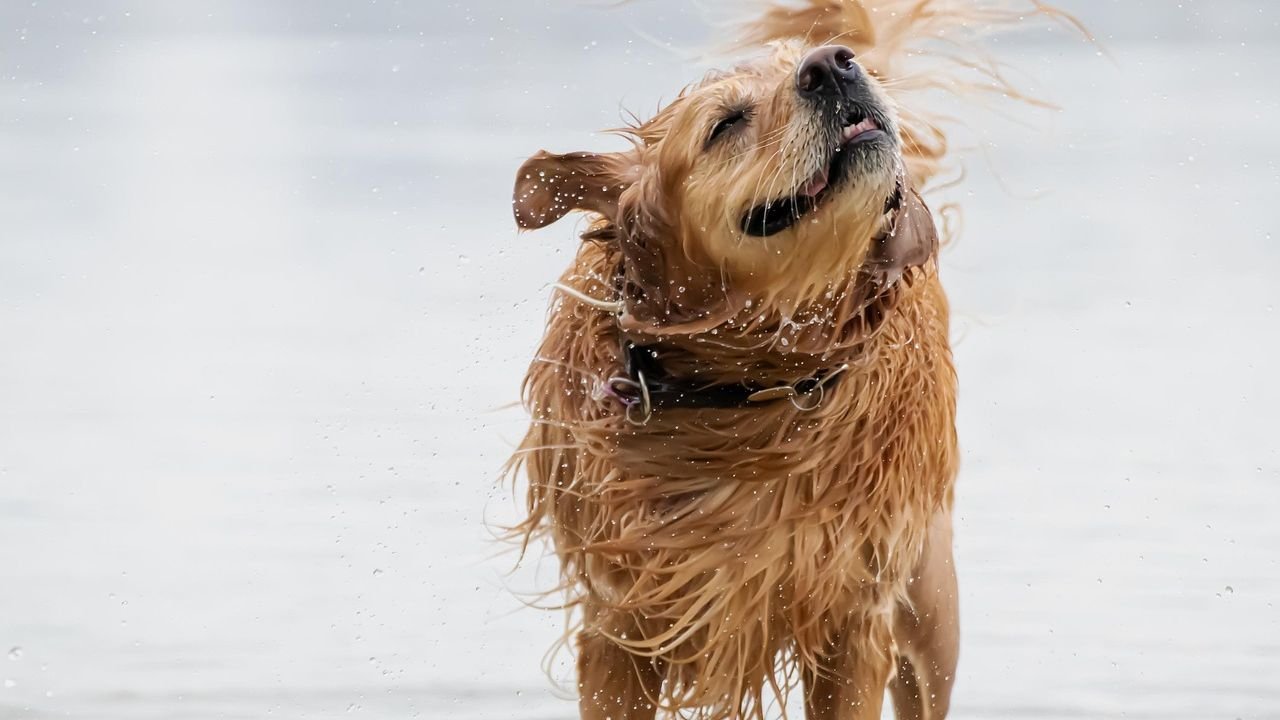
That whole-body shake can be amusing and is quite normal – unless it occurs as the result of a stressful situation. For example, the “shake off” that dogs often do after they descend from the veterinarian’s exam table is likely triggered by stress. Picture this: you’re at the dog park, and your pup has an awkward encounter with another dog. Moments later, they do that vigorous full body shake, as if they just climbed out of a pool.
Most of us laugh it off, but that shake is your dog’s way of literally shaking off tension. It’s their reset button, a physical release of nervous energy after an uncomfortable moment. Pay attention to when these shakes happen. If they’re occurring after social interactions, grooming sessions, or training exercises, your dog might be processing stress more than you realize.
Excessive Shedding in Stressful Situations
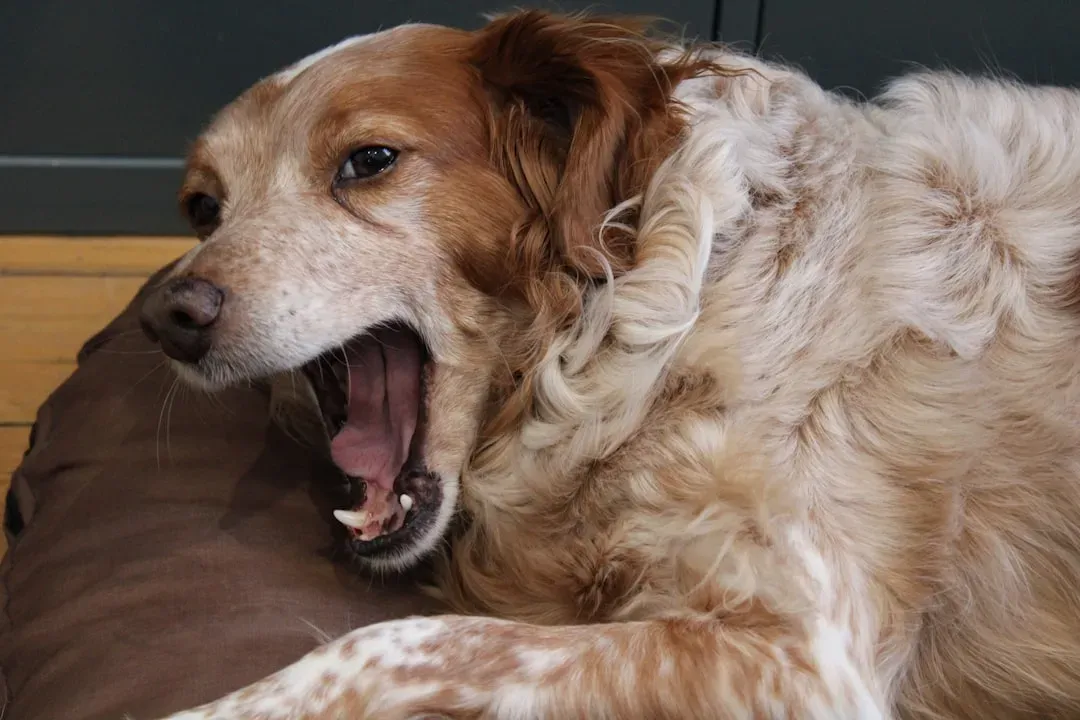
Show dogs that become nervous in the show ring often “blow their coat”. Dogs also shed a lot when in the veterinary clinic. Although less noticeable in outside settings, such as visiting a new dog park, shedding increases when a dog is anxious. Ever noticed clumps of fur on the exam table after a vet visit, even though your dog was just groomed last week?
Stress shedding is real and often overlooked. Unlike seasonal shedding, stress induced hair loss happens suddenly and dramatically. You might find your lap covered in fur after a car ride or notice excessive hair on the floor after a thunderstorm. This physiological response is your dog’s body reacting to emotional pressure, releasing hair follicles as part of the fight or flight response.
Whale Eye and Avoiding Direct Eye Contact
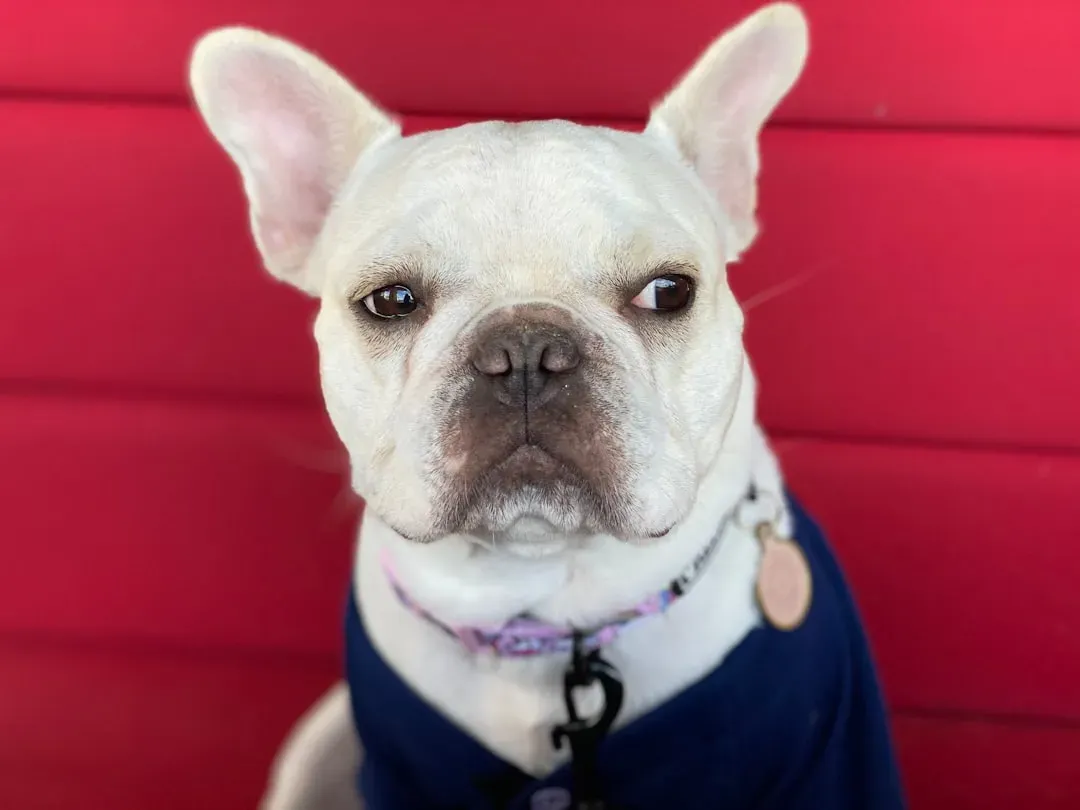
The dog’s tail may be low or tucked, ears back, eyes dilated or showing lots of white around them (whale eye). Have you ever caught your dog giving you a side eye glance where you can see the whites of their eyes? That’s whale eye, and it’s not a look of attitude. It’s a distress signal.
Dogs showing whale eye are often feeling cornered, threatened, or uncomfortable with what’s happening. They might display this when you’re reaching for them, when a child is approaching too quickly, or when they’re being asked to do something they’re not comfortable with. Pair this with a tense body and averted gaze, and you’ve got a dog who’s politely saying they need space. Honestly, ignoring whale eye can escalate a situation from stress to defensive behavior.
Changes in Body Posture and Weight Distribution
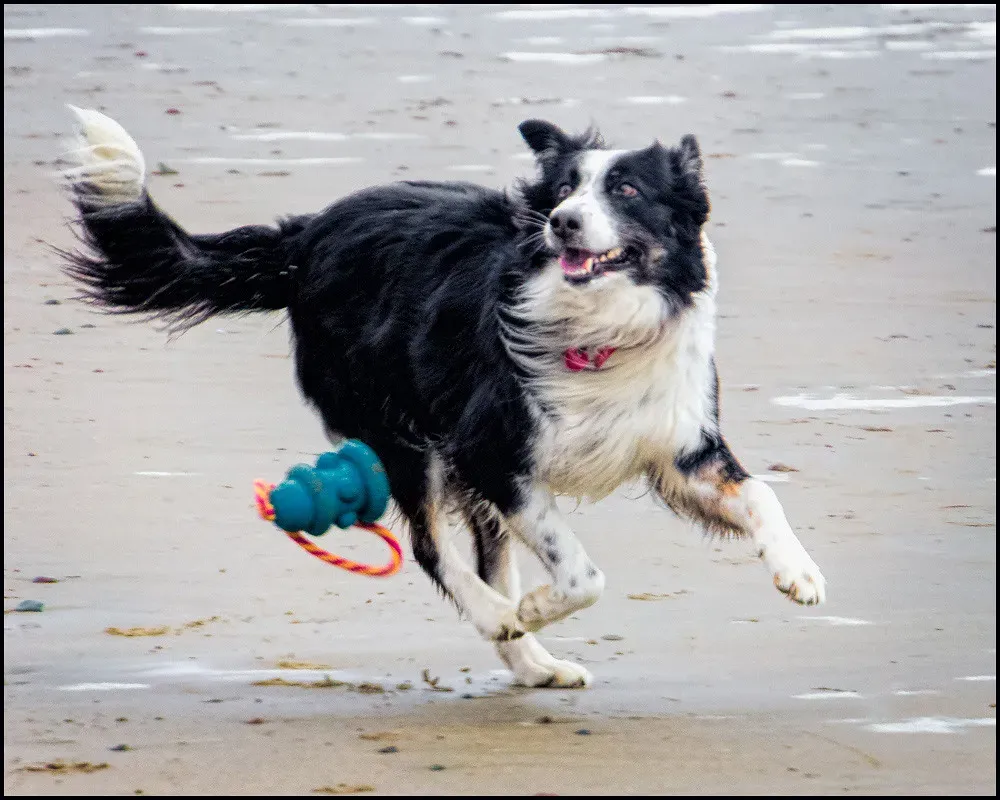
Dogs normally bear weight evenly on all four legs. If a healthy dog with no orthopedic problems shifts their weight to the rear legs or cowers, they may be exhibiting stress. When scared, dogs may also tuck their tails or become rigid. A confident dog stands square and balanced. A stressed dog? They lean back, almost as if they’re trying to create distance without actually moving.
Watch how your dog positions their body during interactions. Are they shifting their weight backward when someone reaches to pet them? Is their body lowered, making them appear smaller? These postural changes are your dog’s way of saying they’re uncomfortable without snapping or growling. It’s their first line of defense, a gentle request for whatever’s happening to stop.
Panting When It’s Not Hot or After Exercise
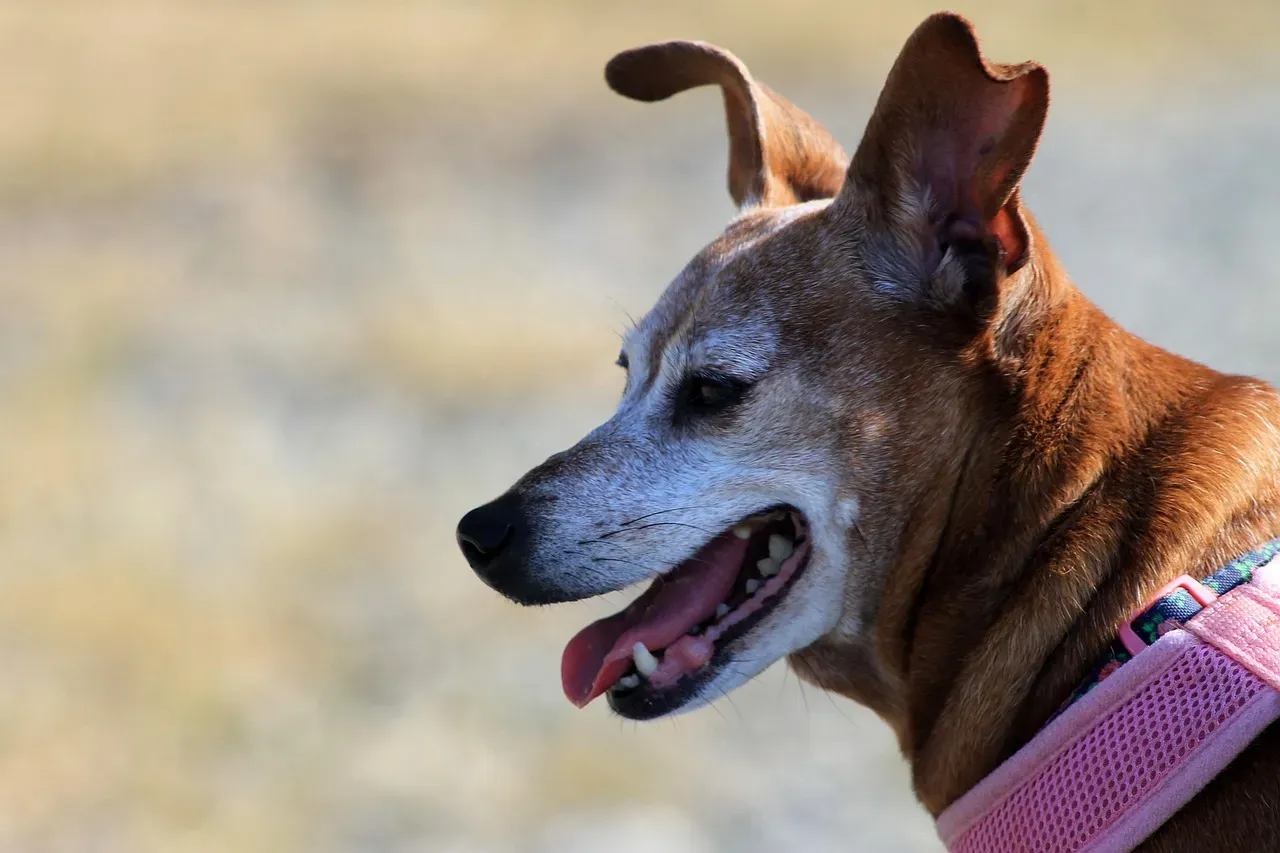
Dogs pant when hot, excited, or stressed. If your dog is panting even though they have not exercised, they may be experiencing stress. Let’s be real: if your dog is panting heavily in your air conditioned living room, something else is going on. Stress panting looks different from heat or exercise panting, it’s often faster, shallower, and accompanied by other nervous behaviors.
You might notice this during thunderstorms, fireworks, or when visitors arrive. Some dogs pant in the car, at the groomer, or even during training sessions that feel too intense. The panting is your dog’s physiological response to anxiety, their body working overtime to manage uncomfortable emotions. If you see panting paired with pacing or whining, your dog is definitely telling you they’re overwhelmed.
Sudden Changes in Bathroom Habits and Appetite
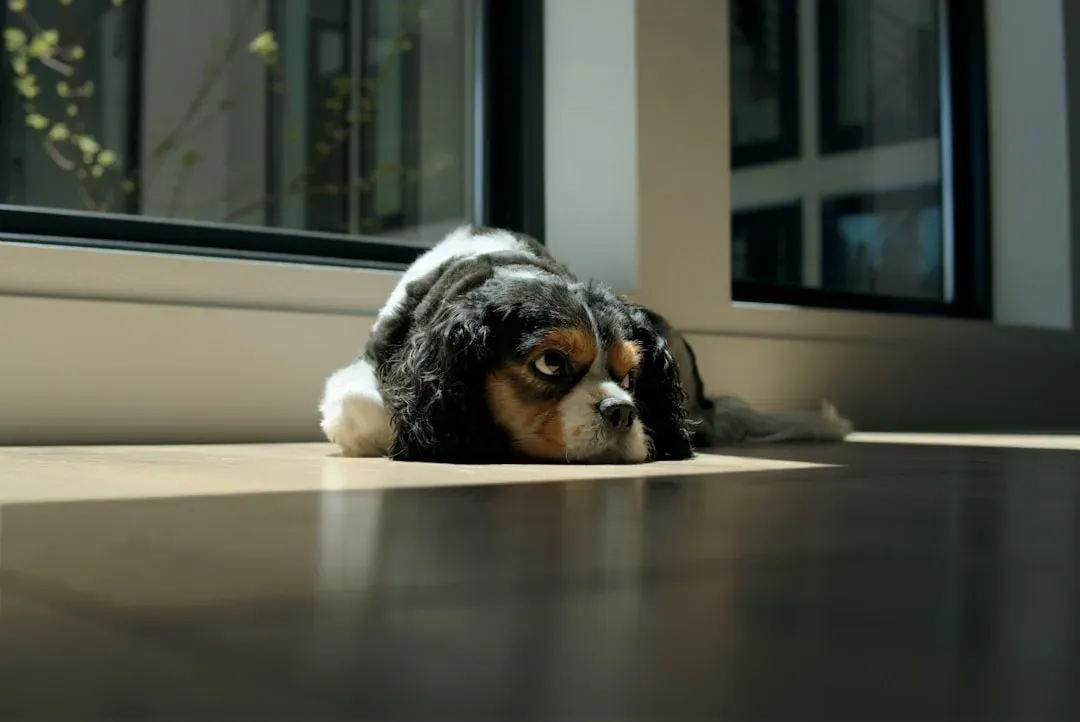
Like people, nervous dogs may experience an increased urgency to urinate or defecate. Dogs may experience gastrointestinal (GI) upset that can include vomiting, diarrhea, and refusing food. Bathroom accidents in otherwise house-trained dogs are some of the most common signs of canine anxiety. If your dog has separation anxiety and is left alone, for example, she may urinate or defecate on the floor due to her anxiety.
It’s hard to say for sure, but if your perfectly house trained dog suddenly has accidents or refuses their favorite meal, stress might be the culprit. The gut and brain are intimately connected in dogs just as they are in us. When anxiety spikes, digestive function can go haywire. Similarly, a stressed dog might lose interest in food entirely or become a picky eater seemingly overnight. Before assuming it’s behavioral rebellion, consider what environmental or routine changes might be causing emotional distress.
Conclusion
Recognizing these subtle stress signals in your dog isn’t about being paranoid or overprotective. It’s about being present and attuned to the quieter ways your dog communicates. Although it’s something that all dogs experience from time to time, if disproportionate levels of anxiety are left unchecked, a dog can develop an anxiety disorder. If left untreated, dog anxiety can lead to behavioral and other issues. The beauty of catching stress early is that you can intervene before it escalates into something more serious.
Creating a predictable routine, providing safe spaces, ensuring adequate exercise, and respecting your dog’s communication can transform their emotional wellbeing. Remember, you’re not just their owner, you’re their advocate, their translator, and their safe harbor in a confusing world. What subtle signs have you noticed in your own dog? Share your experiences in the comments below.


