
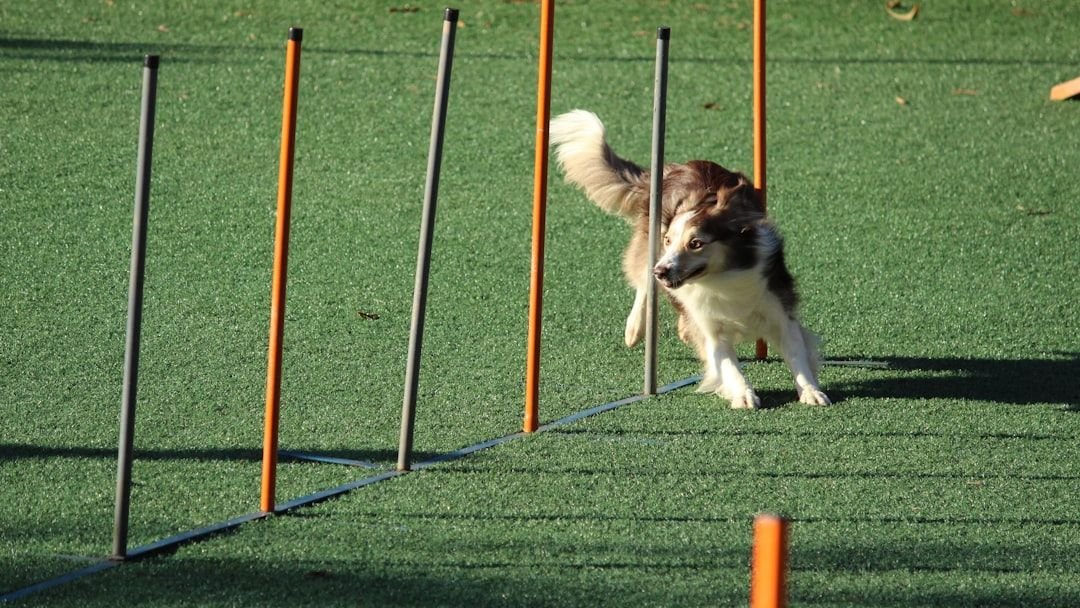
You’ve invested time and money into working with a professional dog trainer. Your pup is learning beautifully in sessions. Then you get home, and somehow everything falls apart. Sound familiar?
Here’s the thing: even the most skilled trainer can’t succeed without you. Dogs don’t separate “training time” from “regular life.” You’re teaching the dog something whenever you’re around the dog, whether you intend to or not. That means your everyday habits, the things you barely think about, might be quietly sabotaging all that hard work. Let’s be real, most owners don’t mean to do it. These mistakes are sneaky, common, and honestly, pretty easy to fix once you know what to look for.
So let’s dive in and figure out what might be going wrong.
Inconsistent Commands and Rules

Think about how confusing it would be if someone asked you to do something one way today, then criticized you for doing exactly that tomorrow. Inconsistent training methods, rules and expectations can confuse your dog and hinder their progress because dogs thrive on routine and clear boundaries, so maintaining consistency is essential for their understanding and compliance.
Maybe you allow your dog on the couch when you’re tired and cuddling, but scold them for it when guests visit. Or perhaps you say “down” to mean lie down, while your partner uses “down” to stop jumping. Inconsistent commands and cues from different family members can lead to mixed signals. For instance, using “down” while someone else uses “off” to indicate the same action can result in uncertainty and slow down your dog’s learning process. Your poor dog isn’t being stubborn; they genuinely don’t understand what you want. The solution isn’t complicated, though it does require everyone in your household to get on the same page with commands and boundaries.
Repeating Commands Over and Over

I know it’s tempting. Your dog doesn’t sit the first time, so you say it again. And again. “Sit, sit, sit, SIT!”
Some new pet owners repeat the same command over and over without receiving the desired action from their dog. If you notice that your pet is unresponsive to a certain word, stop saying it. What you’re actually teaching them is that they don’t need to respond until you’ve said it five times. Dogs are smart; they learn patterns quickly, including the pattern that the command doesn’t really count until you’re practically yelling it.
Saying “sit” five times before your dog responds teaches them that obedience is optional. Instead, say the command once clearly, then use your leash or a gentle physical prompt to guide them into position. Reward immediately when they comply. They’ll catch on faster than you think that the first command is the one that matters.
Accidentally Rewarding Bad Behavior
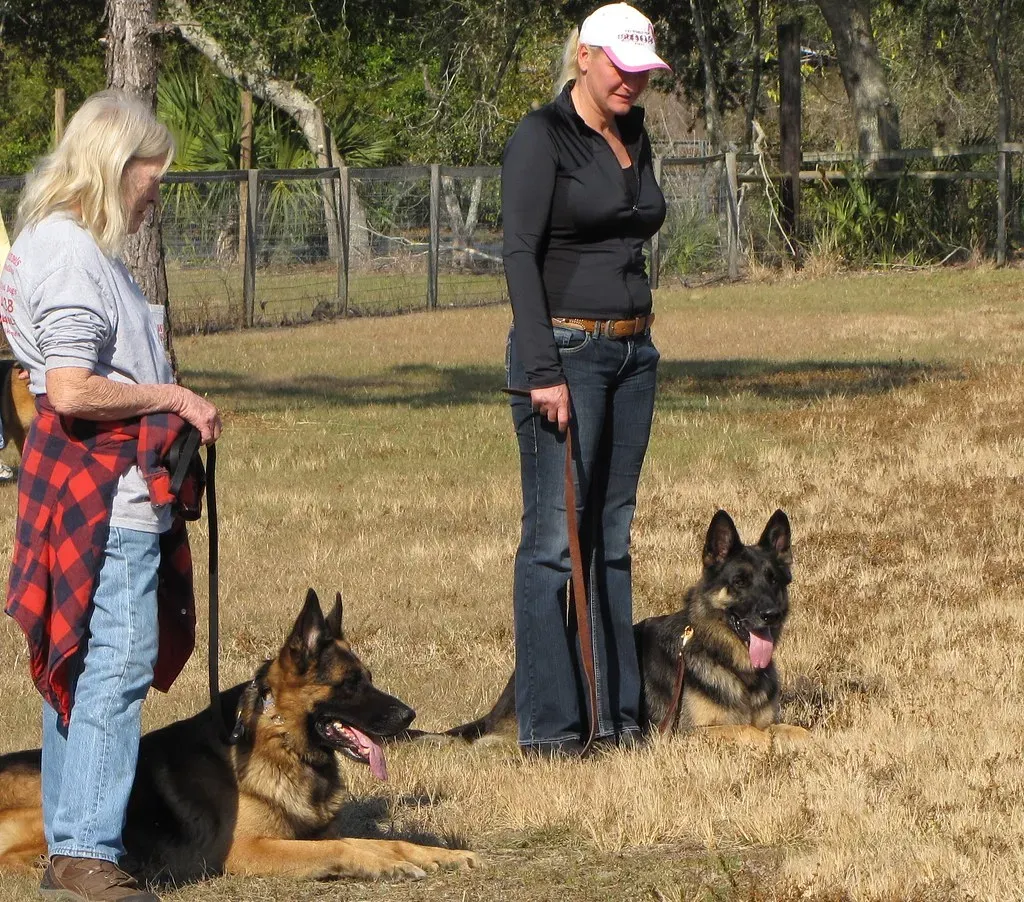
This one catches almost everyone. Some pet owners support bad behavior without realizing it. Many of us are not even aware of some our dogs’ less-than-great habits. For instance, you might allow your dog to come inside because they’re barking, or slide them scraps of human food while cooking. If you give them attention, they’ll be motivated to repeat those frowned-upon actions.
Your dog jumps on you when you come home. It’s annoying, so you push them down while saying “no.” To your dog, though, that’s still attention, still engagement, still a response. They just learned that jumping gets a reaction. Even negative attention can reinforce behavior, especially for dogs who crave interaction. The fix requires patience: completely ignore unwanted behaviors (turn away, cross your arms, become boring) and only reward your dog when they’re calm and doing what you want. It feels counterintuitive at first, but it works.
Skipping Practice Between Training Sessions
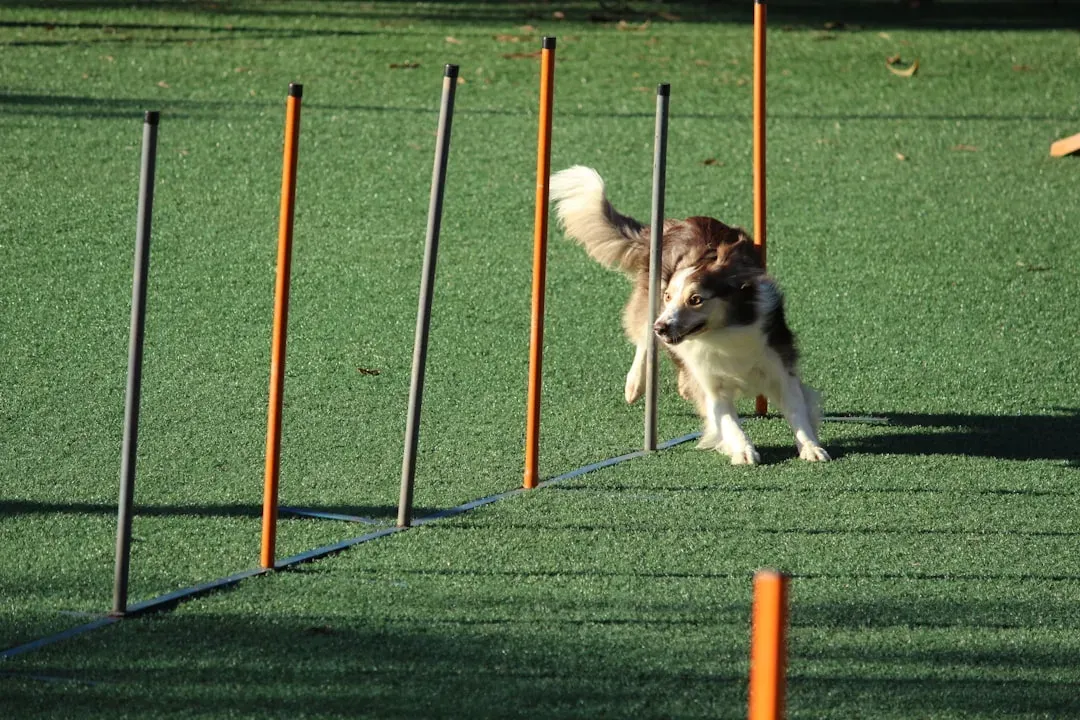
A once-a-week training class or session is not enough time to have your dog become well trained. Practising what you both learned in class when you are at home and out and about on walks is particularly important. Think of it like learning a language: one hour with a tutor each week won’t make you fluent if you never practice the rest of the time.
Just like people, dogs need regular practice to retain their skills. Too many owners stop reinforcing training once their dog seems “good enough,” and that’s when old habits start creeping back in. Short practice sessions throughout your day, just five minutes here and there, make all the difference. Ask for a sit before meals, practice recall during your morning walk, work on stay while you’re making coffee. These tiny moments add up and cement what your trainer is teaching far better than one long, exhausting session ever could.
Poor Timing with Rewards
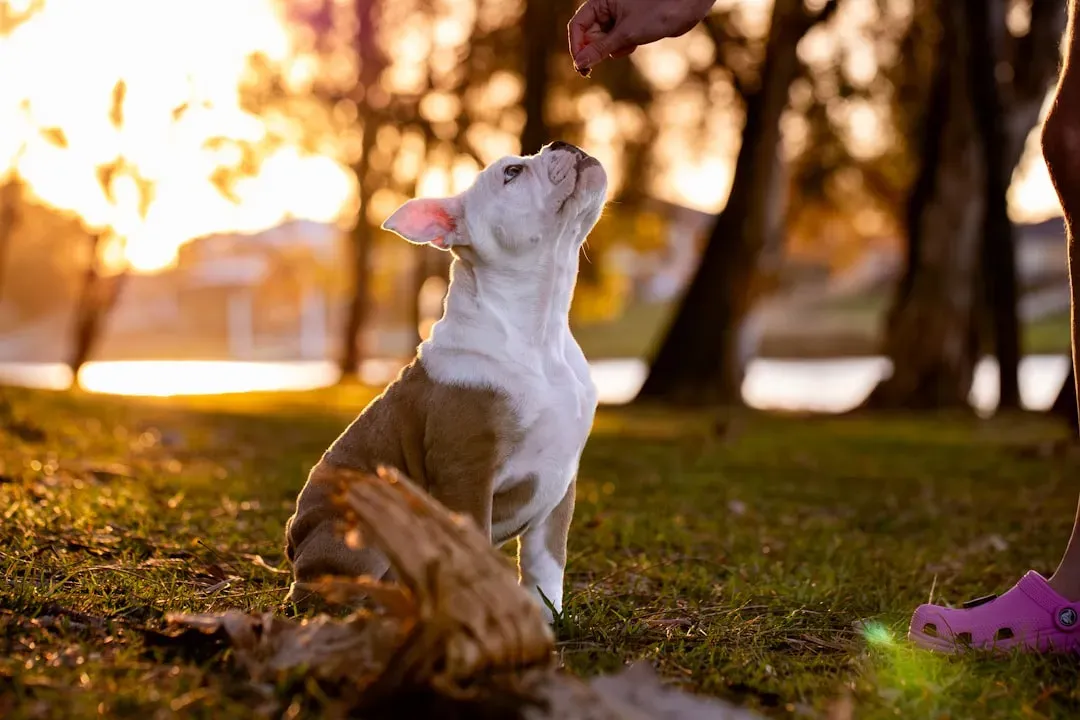
The timing of rewards is absolutely critical in dog training, yet many owners struggle with this aspect. Delayed rewards or improperly timed treats can accidentally reinforce unwanted behaviors. Let’s say you ask your dog to lie down, they sit instead, then as you fumble for the treat they finally lie down, and you reward them. You might think you rewarded the down, but your dog’s brain connected the treat to whatever happened in that exact moment.
When rewarding your dog for behaviors, timing is crucial. Because your dog has a short attention span you want to make sure that if a command is successfully carried out you reward your pet quickly. If you wait too long your dogs’ attention might be elsewhere, making it hard for them to associate the reward positively with the fulfilled command. The window is small, just a couple seconds. If you struggle with timing, consider using a marker word like “yes” or a clicker the instant your dog does the right thing, then follow up with the treat. That buys you a few extra seconds while still marking the exact behavior you want.
Conclusion
Training your dog isn’t just about what happens in those structured sessions with your trainer. It’s about every interaction, every response, every little moment throughout your day. The good news is that most of these undermining habits aren’t hard to fix once you’re aware of them. Consistency, timing, and mindfulness go a long way.
Your trainer can teach your dog the skills, but you’re the one who makes them stick in real life. That’s not pressure; that’s partnership. When you work together, supporting what your trainer teaches rather than accidentally undoing it, you’ll be amazed at how quickly your dog transforms. What small habit will you change today to help your dog succeed? Tell us in the comments.


