
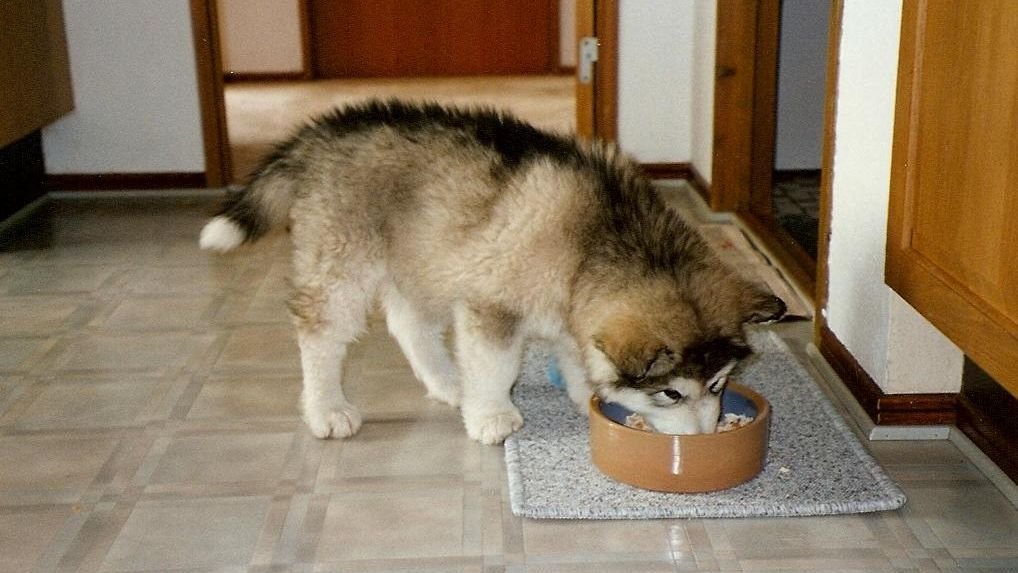
Picture this. Tiny paws stumbling across your kitchen floor. A blur of wagging tails and puppy breath. Then suddenly, you’re wondering if it’s time to step away from milk and introduce something more substantial to those growing bellies. Weaning your puppy might seem like a big leap, a milestone that feels both exciting and a little nerve-wracking. Will they take to it easily? What if they refuse? When is the right moment?
Here’s the thing. This transition isn’t just about filling tummies. It’s about supporting healthy growth, building a strong digestive system, and setting the stage for a lifetime of good nutrition. The beauty of weaning is that it happens gradually, gently nudging your puppy from dependence toward independence. Let’s explore when to start, what to watch for, and how to make the journey as smooth as possible for your furry friend.
Recognizing The Perfect Starting Window
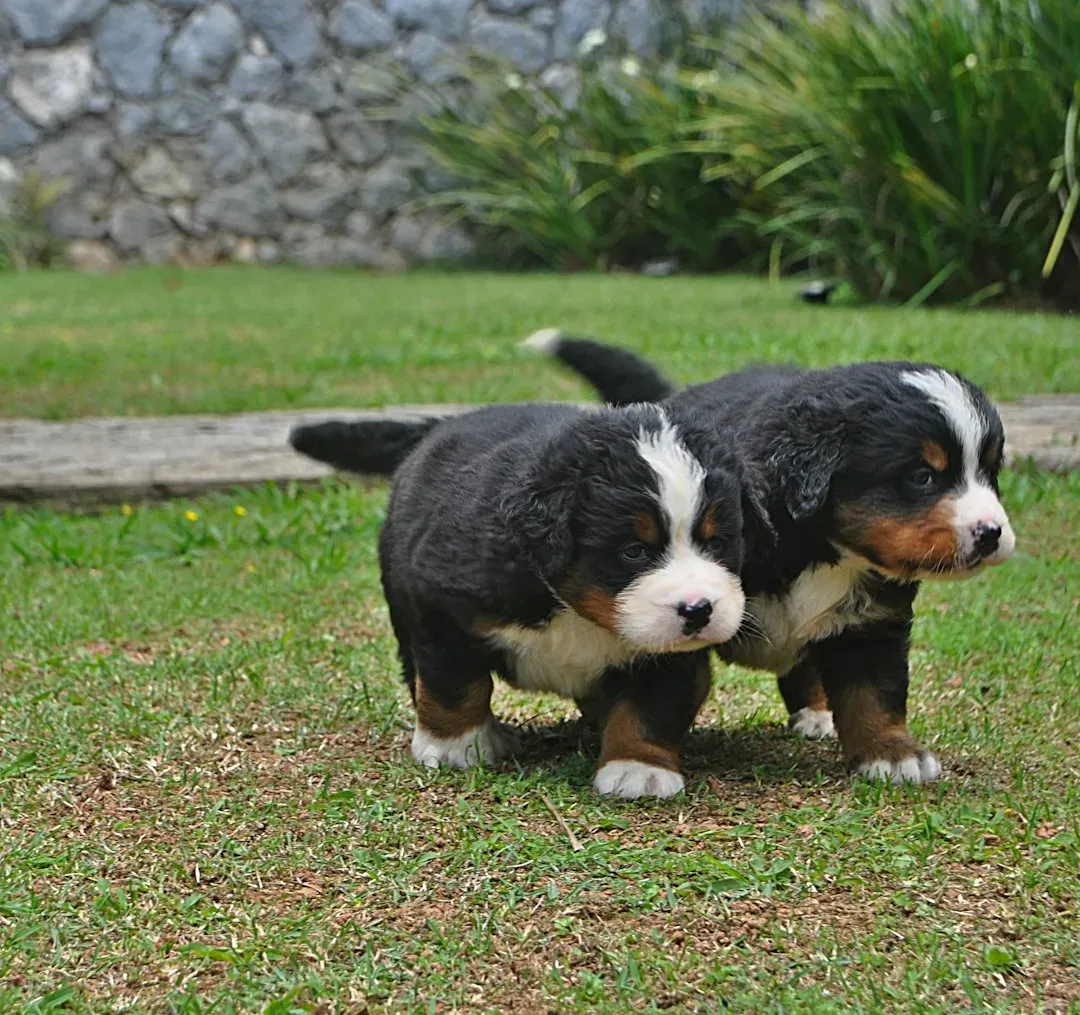
Puppies typically need their mother’s milk exclusively from birth until they’re around three to four weeks old. During this early phase, milk provides everything they need for immunity and growth. Around the third week, however, puppies typically begin to show an interest in their mother’s solid food, marking the beginning of the weaning process.
Timing really matters here. Starting too early can overwhelm your puppy’s developing digestive system, leading to issues like diarrhea or malnutrition, while starting too late can cause your puppy to become overly reliant on formula, delaying their growth and development. You’ll want to strike that sweet spot where their little bodies are physically ready to handle the change.
Though weaning can start when a puppy is three to four weeks old, the weaning process won’t usually be complete until a puppy is six to eight weeks old. Think of it as a bridge, not a sudden leap. Your puppy is learning an entirely new way to eat, and rushing them won’t do anyone any favors.
Signs Your Puppy Is Ready For The Transition
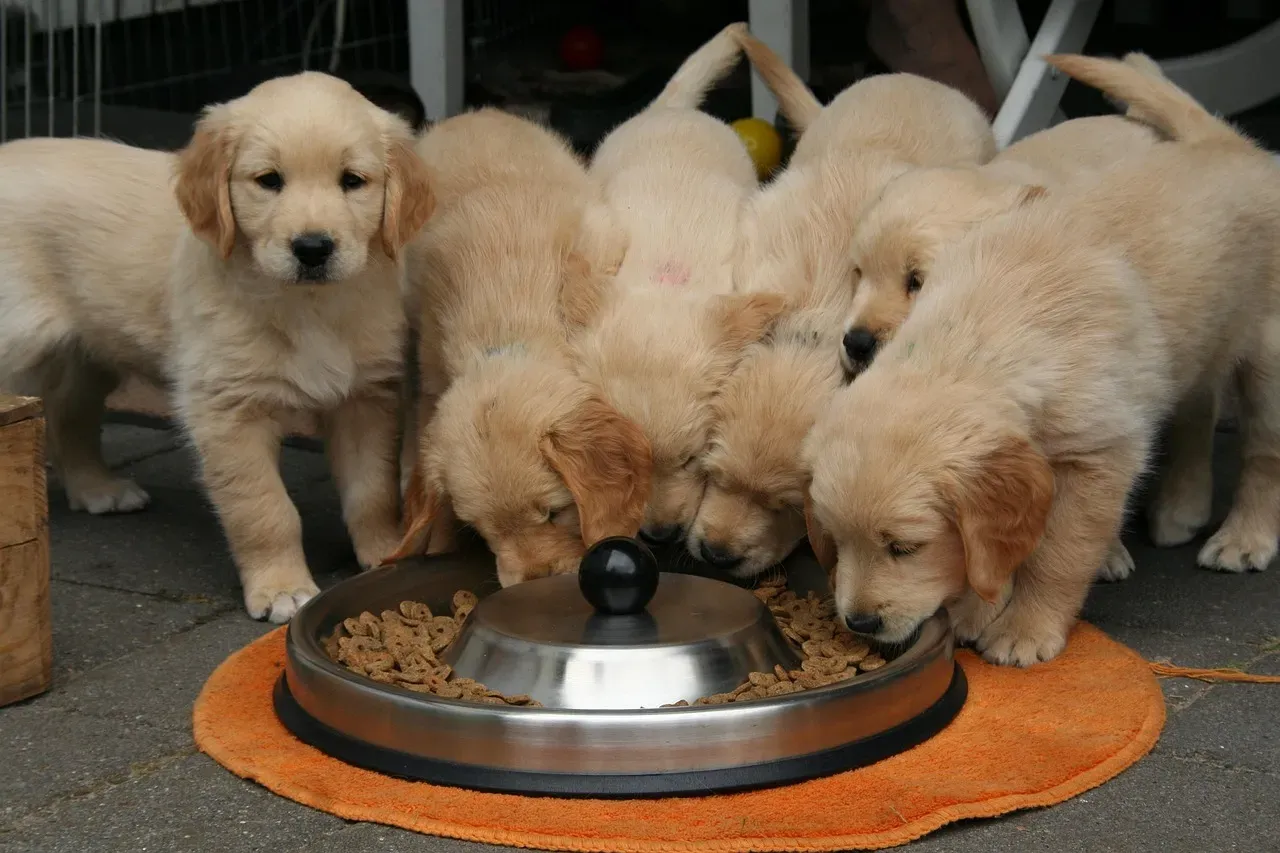
When your puppy’s baby teeth start to come in, and they exhibit an interest in chewing or gnawing, it may be a signal that they are ready for solid food. Those sharp little teeth aren’t just for show. They’re nature’s way of preparing your pup for a different kind of meal.
Growing curiosity about solid food, such as sniffing, licking or attempting to eat the mother’s food tells you volumes about readiness. If your puppy is nosing around mom’s bowl or watching her eat with rapt attention, that’s your cue. Their natural instincts are kicking in.
Puppies will begin to explore their surroundings and show a growing sense of independence, and as the weaning process progresses, your puppy might become less interested in nursing. Watch their behavior closely. Some pups are eager explorers who dive right in, while others need a little more coaxing. Both are perfectly normal.
Creating The Perfect Puppy Gruel
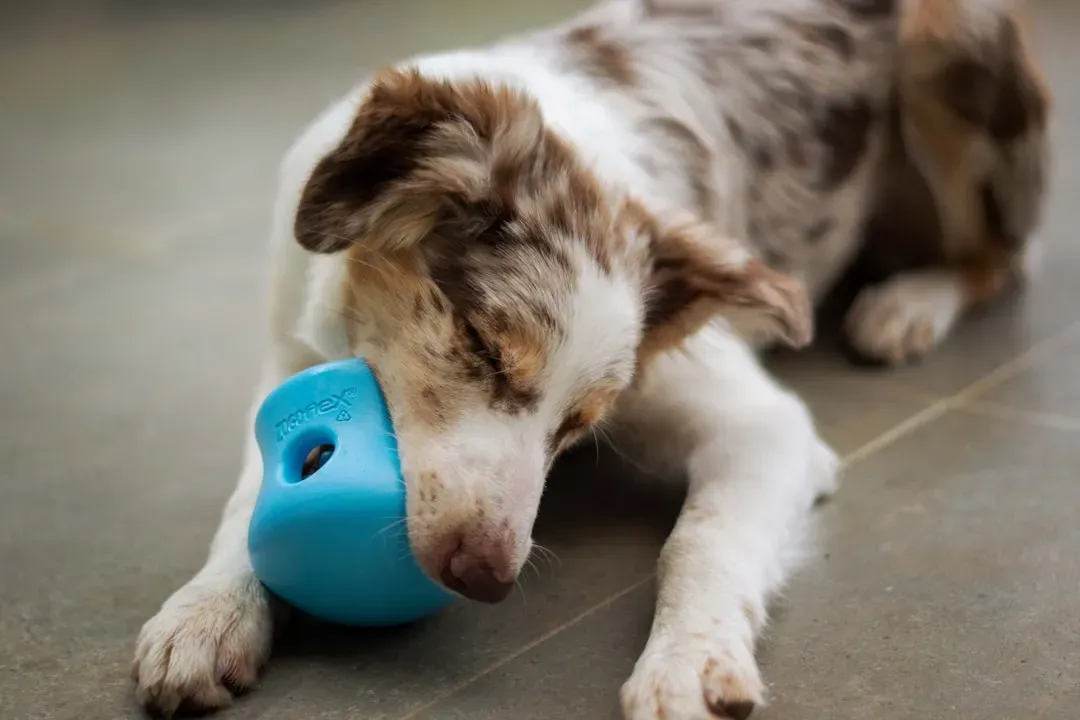
Let’s be real. Your puppy isn’t going to go from liquid milk to crunchy kibble overnight. Initially, weaning puppies can only lap up very soft, wet foods, such as canned puppy food with a little puppy milk replacer mixed in to make a puppy gruel. This soupy mash bridges the gap between nursing and chewing.
To soften dry puppy food, mix the food with hot water, let it sit for about 15 minutes until it starts to soften, then mush it up, and when it has cooled to a temperature closer to your body’s own, it’s ready to share with your puppy. Temperature matters more than you might think. Too hot, and you risk burns. Too cold, and it’s less appealing.
Offer puppies softened puppy food mixed with warm water several times a day along with plenty of fresh water in multiple shallow, heavy-bottomed dishes. Shallow dishes are key here because puppies are clumsy learners. They’ll walk through the food, wear it on their faces, and generally make a glorious mess. That’s all part of the learning curve.
Navigating The Gradual Transition Process
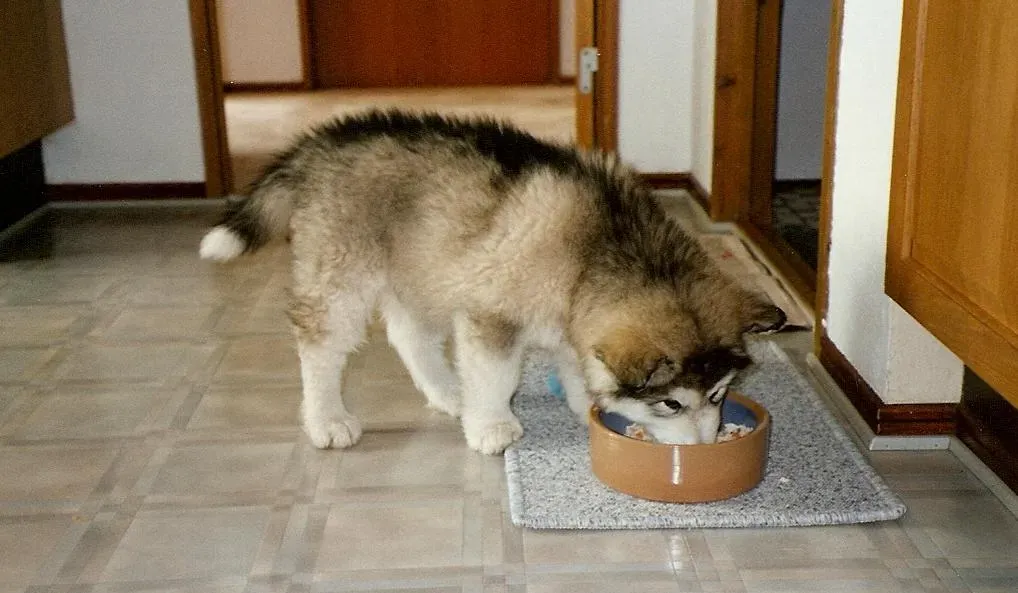
The goal is to slowly increase the puppy gruel to four times a day, which will back them off their dependence on mom’s milk. Frequency matters because puppies have tiny stomachs but massive energy needs. Small, regular meals keep them fueled without overwhelming their digestive systems.
Gradually reduce the amount of liquid and increase the thickness of the moistened food, and by around seven weeks, many puppies are ready for dry kibble up to four times per day. This gradual progression gives their digestive enzymes time to adapt. Think of it as their gut learning a new language.
Dams usually start nursing less as you start feeding puppies, allowing the weaning process to occur naturally, and limiting access to mom right before meal times helps encourage eating food and then allowing nursing after to start the transition. Mother dogs are brilliant teachers in this regard. They instinctively know when it’s time to step back a bit, gently pushing their pups toward independence.
Troubleshooting Common Weaning Challenges

Not every puppy takes to weaning like a duck to water. Some puppies prefer continuing to nurse exclusively, so try warming food slightly to enhance aroma and experiment with different textures, as some prefer smooth gruel while others like thicker mixtures. Honestly, puppies can be picky little creatures even at this tender age.
Mild, temporary loose stools are normal during weaning as digestive systems adapt, but persistent diarrhea, bloody stools, or dehydration signs require veterinary attention. It’s hard to say for sure, but if something feels off, trust your gut and call your vet. Better safe than sorry when it comes to those precious little lives.
If a puppy is falling behind or not gaining weight consistently, seek veterinary care promptly, as early intervention is key if a puppy struggles to nurse or fails to match their littermates’ energy levels or behaviors. Weight checks become your best friend during this period. A simple kitchen scale can help you track progress and catch potential issues early.
Conclusion
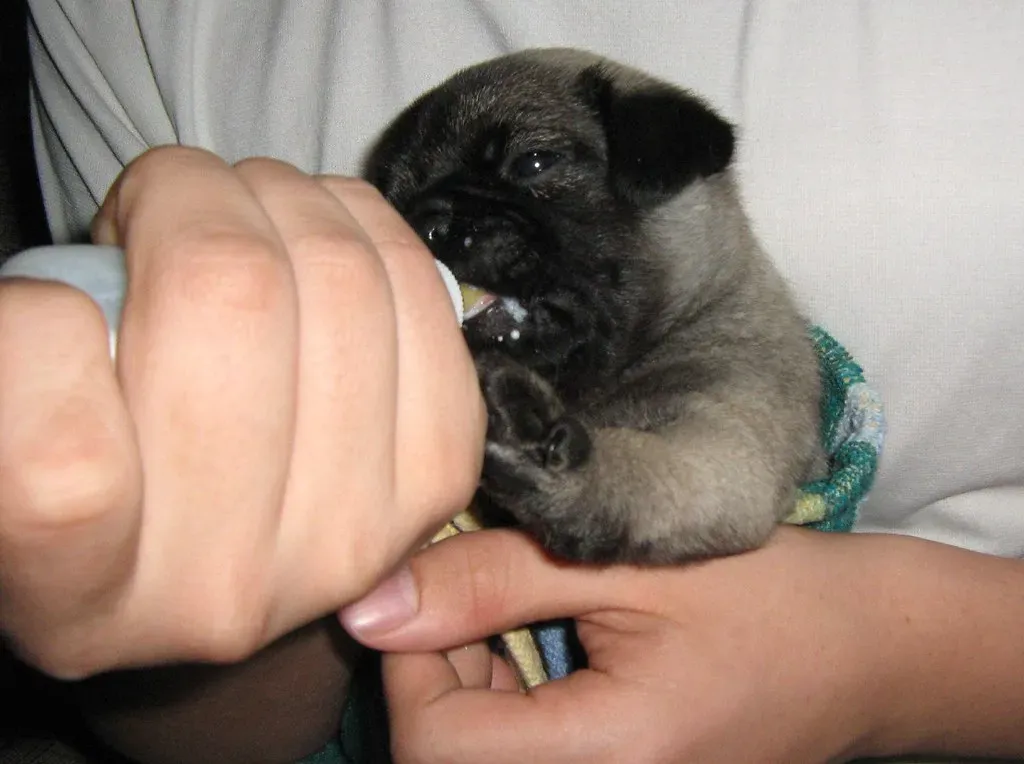
Weaning your puppy is one of those beautiful, messy, sometimes frustrating milestones that marks their journey toward becoming a confident, healthy dog. Starting around three to four weeks and completing the process by eight weeks gives your pup the best chance to develop properly, both physically and socially. Watch for those telltale signs of readiness, take it slow with that soupy gruel, and don’t panic when things get messy.
Remember, every puppy moves at their own pace. Some leap into solid food with gusto, while others need gentle encouragement and extra patience. The key is staying observant, keeping meal times consistent, and never hesitating to reach out to your vet if something doesn’t feel right. What surprised you most about your puppy’s weaning journey? Share your experiences with other dog lovers, because honestly, we’re all learning together.


