
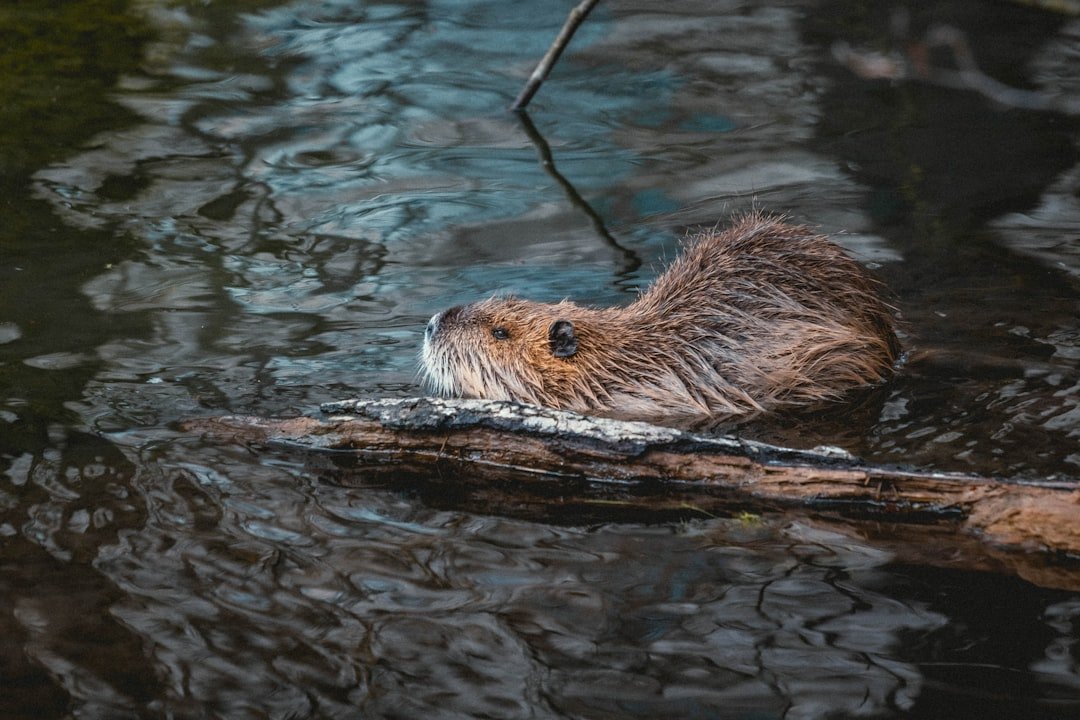
A Desperate Plunge into Danger (Image Credits: Unsplash)
Austin, Texas — Firefighters and animal control officers joined forces last month to extract an exhausted beaver from a reservoir at a local water treatment facility.
A Desperate Plunge into Danger
The beaver had been circling the reservoir for several days, clinging to a narrow ledge for brief rests amid relentless swimming. Staff at the facility spotted the animal in distress and promptly notified authorities. Its fatigue grew evident as it struggled against the confines of the deep water tank. Such incidents underscore the vulnerabilities urban wildlife face when venturing near human infrastructure.[1]
Environmental pressures compounded the beaver’s ordeal. Factors like habitat loss and pollution have increased encounters between wildlife and city facilities. Responders noted the murky waters and algae buildup, which likely hindered the animal’s efforts to escape. Quick reporting by facility workers proved crucial in averting a fatal outcome.
Coordinated Effort Lifts the Beaver to Safety
Austin Animal Services dispatched Animal Protection Officer Rufus Raxlan to the scene. He coordinated with the Austin Fire Department’s Special Operations team from Firehouse 14. The rescuers positioned themselves on a platform overlooking the reservoir, as direct access proved impossible. They deployed a rope hoist to carefully lift the beaver from the water below.
The operation demanded precision to avoid further stressing the weakened animal. Team members secured the hoist around the beaver and slowly raised it to the platform. Once safely extracted, medics assessed its condition before transport. This seamless inter-agency collaboration highlighted effective emergency response protocols in Austin.[1]
Recovery and Lessons for Urban Wildlife
Rescuers transported the beaver directly to the Austin Wildlife Rescue facility. There, staff provided rest and professional care to aid its recovery. The animal showed promising signs of rebounding from its exhaustion. Officials shared details of the rescue through a video on Instagram, drawing widespread public support.
Commenters expressed relief and gratitude online. One wrote, “Thank you to all the wonderful people who helped save him and are continuing to take care of him!!”[1]
Stories like this reveal rising challenges for beavers and other species in developed areas. Plastic waste and disrupted habitats push animals into risky zones. Austin’s response offers a blueprint for other cities balancing growth with nature conservation. For more on similar efforts, see coverage at Yahoo Lifestyle.
Steps Communities Can Take to Protect Wildlife
Public involvement amplifies professional rescues. Everyday actions help prevent such traps:
- Report distressed animals immediately to local services.
- Participate in habitat cleanup drives to reduce pollution.
- Support organizations like Austin Animal Services through volunteering or donations.
- Advocate for wildlife-friendly infrastructure in urban planning.
- Educate neighbors on safe waste disposal near water sources.
These measures foster safer environments for beavers, which play key roles in ecosystems by building dams that improve water quality and biodiversity.
Key Takeaways
- Inter-agency teamwork saved the beaver in under an hour.
- Facility staff’s alert enabled rapid response.
- Recovery at a dedicated wildlife center ensures full rehabilitation.
The Austin beaver rescue stands as a testament to human compassion amid urban expansion. It prompts reflection on our shared duty to wildlife. What steps will you take to support animal protection in your community? Share your thoughts in the comments.


