

Does your dog ever give you that distant look, as if you’re roommates rather than best friends? Every dog lover dreams of a loyal, loving bond, but sometimes, we accidentally build invisible walls without even realizing it. If you’ve caught yourself wondering why your pup doesn’t want to cuddle or seems aloof, you’re not alone. The truth is, a strong human-dog connection doesn’t just happen—it’s created, day by day, with patience, understanding, and a few simple choices. Let’s talk about five common mistakes that can quietly chip away at your dog’s trust and affection—and how you can avoid them, starting today.
Inconsistent Routines and Mixed Signals

Dogs thrive on routine. Unpredictable schedules or shifting rules can leave them feeling confused and insecure. For example, if you sometimes let your pup on the couch but scold them other times, they may start to feel anxious about what’s expected. This uncertainty can make your dog hesitant to engage, weakening your relationship over time.
A consistent daily rhythm—regular walks, meals, and playtimes—creates a safe, predictable environment. Stick with clear commands and boundaries. If you notice your dog hesitating before doing something, it might be a sign they’re unsure about what’s allowed. Consistency is a quiet promise you make to your dog, and it’s one of the simplest ways to deepen trust.
Ignoring Communication and Body Language

Dogs talk to us all the time, but not with words. They use their ears, tails, eyes, and posture to share how they feel. Ignoring or misreading these cues—like missing signs of stress, fear, or excitement—can make your dog feel unheard. For instance, a dog who yawns or licks their lips might be nervous, not tired or hungry.
Take time to observe your dog’s behaviors closely. Notice when they seem relaxed (loose body, wagging tail) versus tense (stiff posture, tucked tail). Responding to their signals—giving space when they seem uneasy, or extra affection when they seek it—shows you respect their feelings. This mutual understanding is the heart of a strong bond.
Lack of Positive Interaction and Play
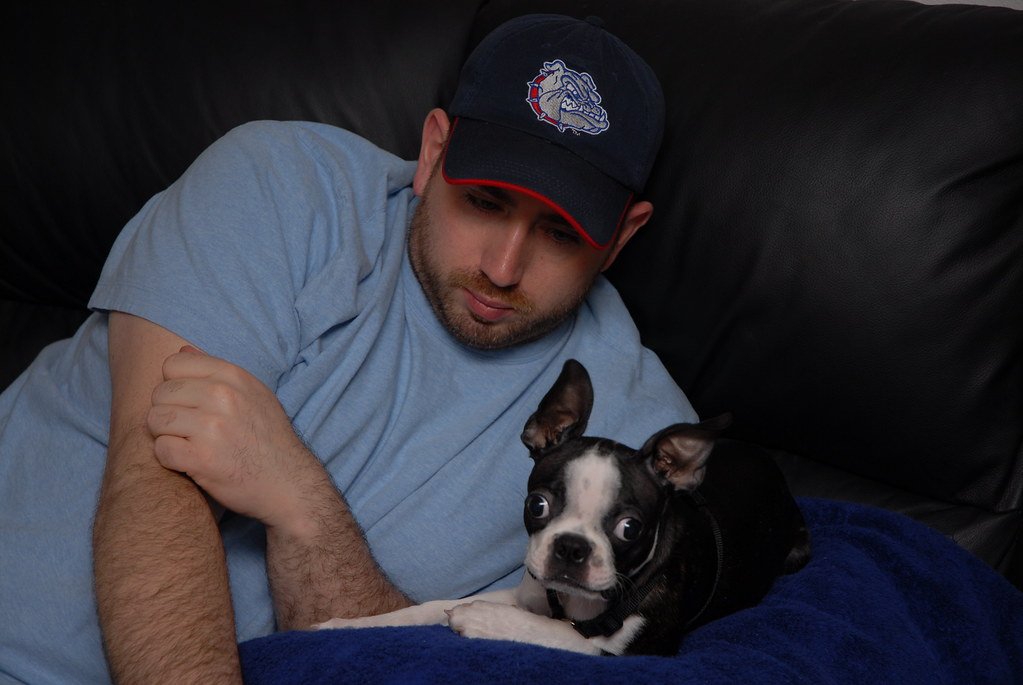
Play is more than just fun for dogs—it’s how they connect, learn, and feel valued. Skipping out on playtime or only interacting during training or discipline can make your dog associate you with stress instead of joy. Dogs who lack positive engagement may become withdrawn or even develop behavioral issues.
Try to weave play into your daily routine, even if it’s just a few minutes of tug or fetch. Use treats and praise generously. Positive interaction helps your dog associate you with happiness and excitement, making them eager for your company and strengthening your relationship every day.
Using Punishment or Harsh Discipline

It’s easy to get frustrated when your dog misbehaves, but harsh punishment can break trust in a heartbeat. Yelling, hitting, or using shock collars might stop a behavior in the moment, but it teaches your dog to fear you instead of trust you. A scared dog is less likely to seek out your affection and may even act out more.
Focus on gentle, reward-based training instead. Redirect unwanted behaviors and praise good choices. If your dog suddenly starts avoiding you, cowering, or showing signs of stress after discipline, it’s a clear sign something’s wrong. Kindness and patience are the true building blocks of a lasting bond.
Neglecting Health and Emotional Needs

A dog who doesn’t feel well—physically or emotionally—will struggle to connect, no matter how much you try. Skipping vet visits, ignoring signs of pain, or not providing enough mental stimulation can all lead to withdrawal and distance. Health issues like dental pain, arthritis, or anxiety often show up as changes in behavior or mood.
Pay attention to subtle shifts: Is your dog less playful, sleeping more, or acting irritable? Address medical concerns right away, and don’t forget the power of enrichment—puzzle toys, new smells, and social time. Happy, healthy dogs are naturally more affectionate and engaged, making your bond even stronger.


