
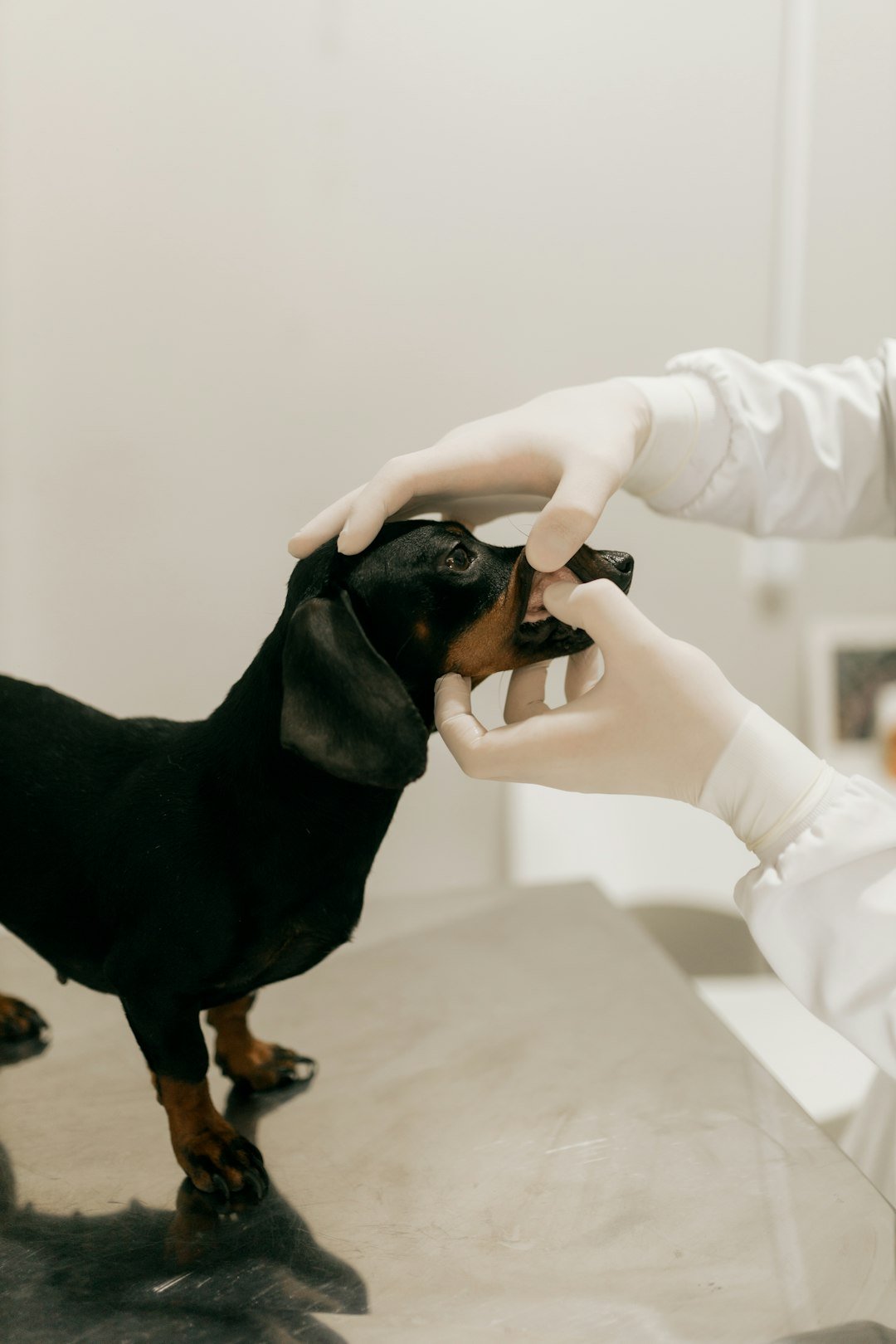
Persistent foul breath in dogs and cats often reveals underlying dental issues that threaten their long-term health.
The Widespread Threat of Periodontal Disease
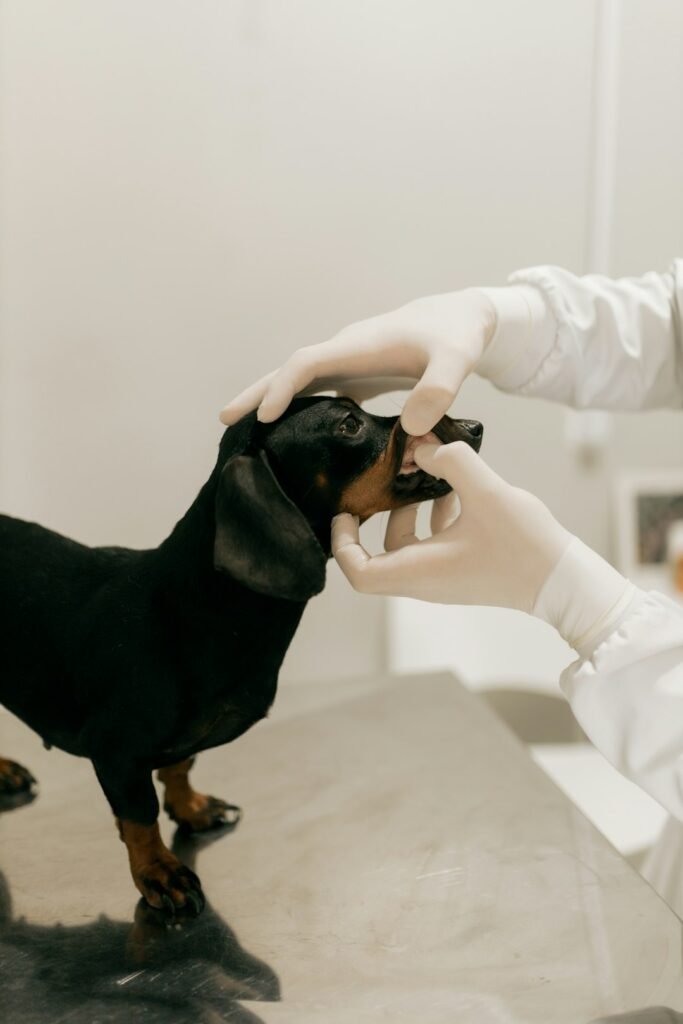
By age three, 80 percent of dogs and 70 percent of cats displayed signs of oral disease, according to the American Veterinary Medical Association. Periodontal disease progressed silently as bacteria in plaque and tartar released compounds causing bad breath. These infections spread beyond the mouth, entering the bloodstream and inflaming organs like the heart, liver, and kidneys. Owners overlooked subtle pain signals, such as reduced appetite or irritability, allowing chronic discomfort to persist. Proactive measures disrupted this cycle, preserving overall vitality.
Veterinarians noted that small breeds faced heightened risks due to crowded teeth. Regular inspections exposed tartar as yellow or brown deposits near the gumline. Early intervention halted progression to severe gum recession and tooth loss. Pets endured hidden suffering without vocal complaints, masking the urgency of care.
Spotting Trouble Early: Common Symptoms to Watch
Dogs and cats exhibited clear yet often ignored dental warning signs. Red, swollen gums bled during chewing or brushing, signaling gingivitis. Excessive drooling or pawing at the mouth indicated irritation. Loose teeth pointed to advanced bone damage from unchecked infections.
- Tartar buildup on molars and premolars, appearing as hardened yellow layers.
- Behavioral shifts, including reluctance to play with toys or eat hard food.
- Difficulty swallowing or facial swelling around the jaw.
- Consistent halitosis unresponsive to diet changes.
- Missing teeth or visible roots exposed by receding gums.
Owners checked teeth weekly by gently lifting lips, focusing on back areas prone to accumulation. Prompt veterinary visits followed any concerns, preventing escalation.
Mastering At-Home Dental Routines
Brushing emerged as the most effective daily practice when introduced gradually. Pet owners selected enzymatic toothpastes safe for ingestion, avoiding toxic human varieties containing fluoride or xylitol. Soft pet toothbrushes or finger wraps targeted the gumline with 45-degree angles and circular motions. Sessions lasted two minutes, rewarding tolerance with treats to build positive associations.
| Tool | Purpose | Key Tips |
|---|---|---|
| Pet Toothbrush | Mechanically removes plaque | Choose size-specific; use gentle pressure |
| Dental Chews | Scrapes tartar via chewing | Supervise; select VOHC-approved |
| Water Additives | Reduces bacteria in mouth | Add daily; pair with brushing |
Chews with textured surfaces complemented brushing, while specialized kibble encouraged scraping. Consistency proved vital, with many owners overcoming resistance through short, patient sessions.
Professional Care and Lifelong Prevention
Veterinary cleanings under anesthesia ensured thorough scaling above and below gumlines, followed by polishing and X-rays for hidden fractures. Annual exams detected subclinical issues, especially in seniors prone to rapid decline from weakened immunity. Extractions alleviated pain in severe cases, restoring eating comfort.
Owners avoided pitfalls like neglecting rear teeth or ignoring behavioral cues. Dental diets from brands like Hill’s or Royal Canin supported routines for brushing-averse pets. Insurance covered escalating costs, emphasizing prevention’s value.
Key Takeaways
- Monitor for tartar, bleeding gums, and behavior changes weekly.
- Brush daily with pet-safe tools; supplement with chews and diets.
- Schedule yearly professional cleanings to avert systemic risks.
Consistent dental vigilance extended pets’ healthy years, warding off pain and complications. What dental habits will you adopt for your companion? Share in the comments.


