
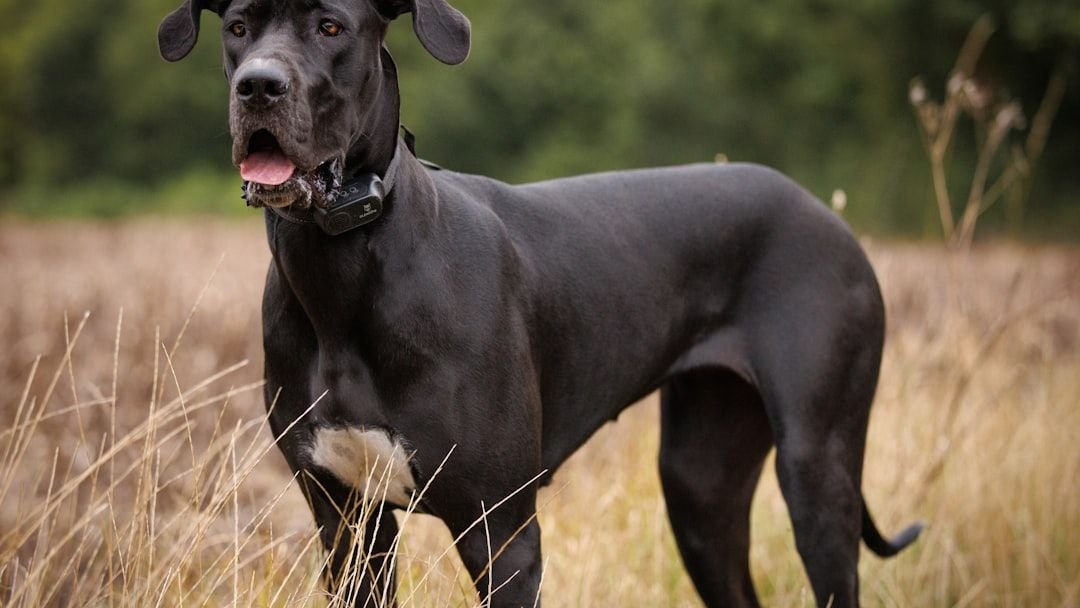
You know that feeling when you just know what your dog needs without them making a sound? Maybe it’s the way they stare at the door or how they position themselves near the couch, quietly claiming their spot. Not all dogs are loud about their desires. Some breeds have mastered the art of silent communication, speaking volumes with their eyes, bodies, and the smallest gestures.
These quiet communicators don’t need constant barking or dramatic displays to get their point across. They use subtlety, patience, and a whole lot of intuition. If you’ve ever lived with one of these breeds, you know they’re incredibly expressive in ways that go far beyond noise. Let’s dive into the fascinating world of dogs who communicate their needs without ever raising their voice.
The Basenji: The Barkless Wonder
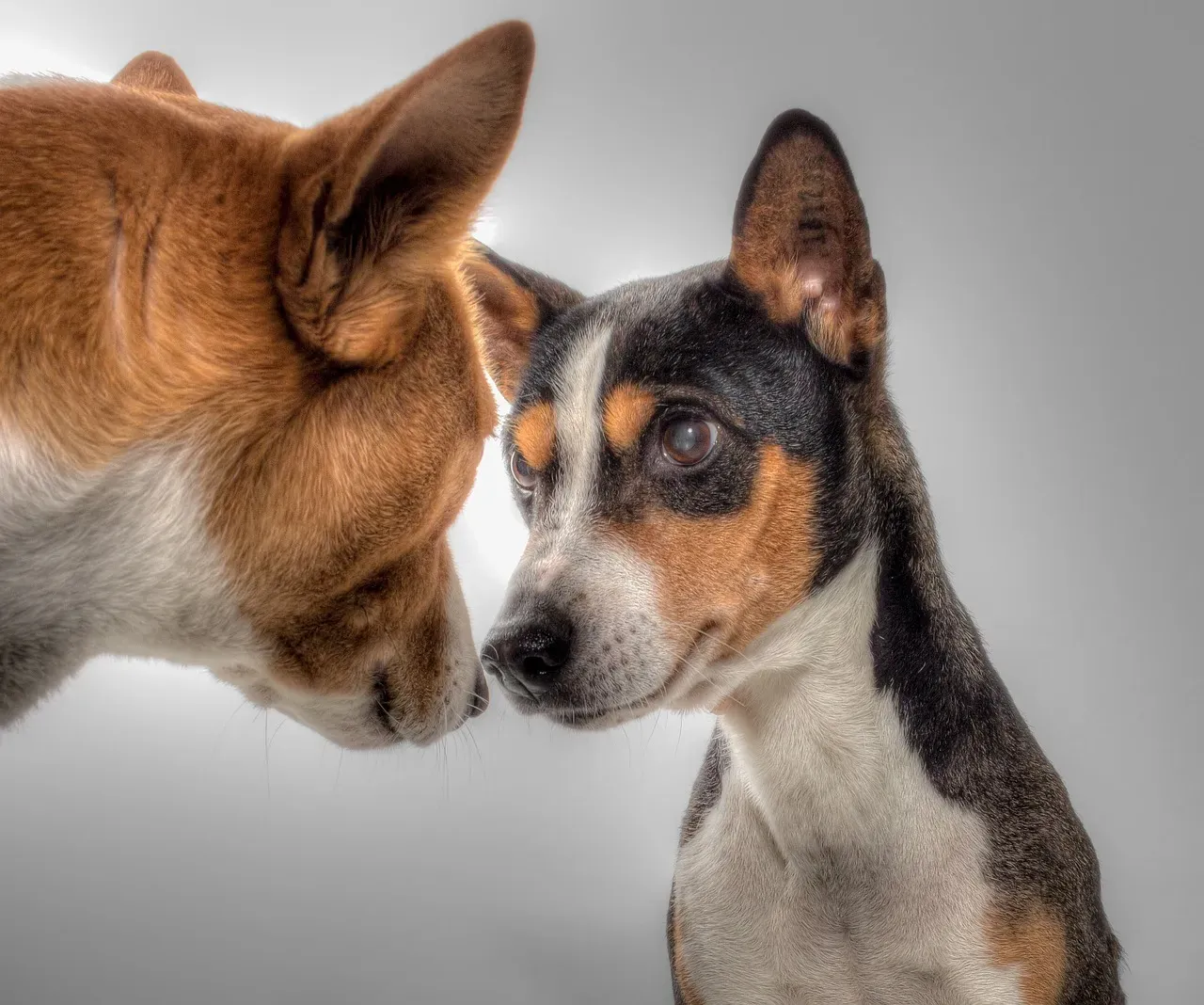
Often known as the barkless dog, the Basenji is unique in its vocalizing behavior, creating a distinctive sound called a yodel or barroo instead of traditional barking. Think about that for a second. A dog that doesn’t bark. Instead, they’ve developed their own language of sounds that range from chortle-like noises to those signature yodels.
These African hounds are known for their cat-like grooming habits and curious nature, often described as independent and reserved, with intelligence reflected in their ability to problem solve. When a Basenji wants something, they’ll use direct eye contact combined with body positioning. They might place themselves strategically in your path or gently paw at you, but rarely will you hear a racket.
Their subtlety requires you to really pay attention. A Basenji might tilt their head, flick their ears back slightly, or simply stand very still while looking at you with those penetrating eyes. It’s almost like living with a canine mime who expects you to read the room.
The Shiba Inu: Master of the Silent Stare
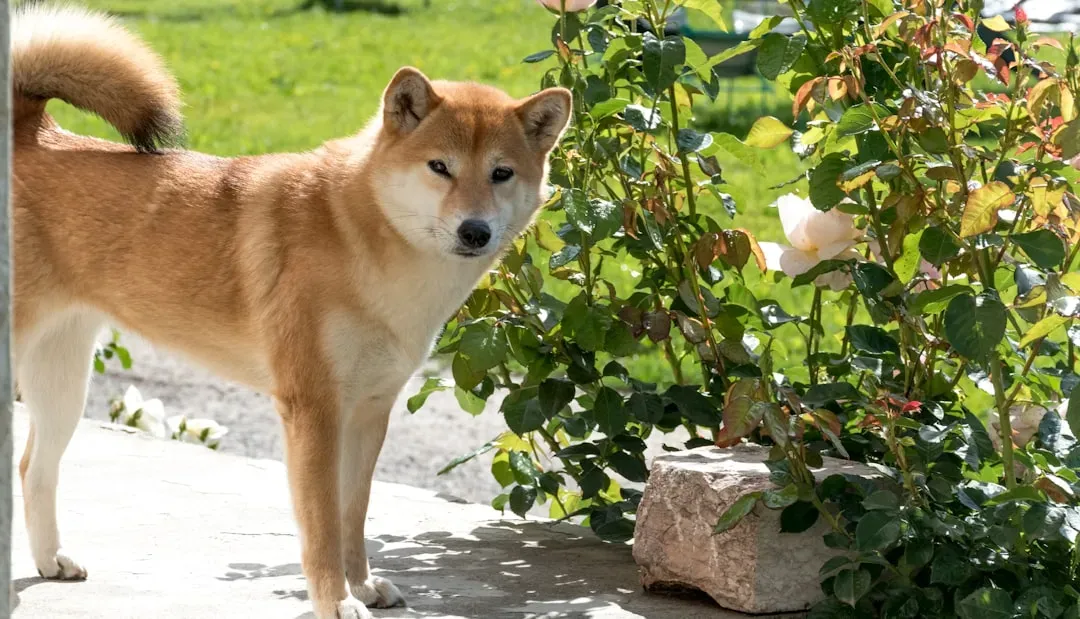
Shiba Inus are not excessive barkers and they choose to bark mainly to warn or alert you of something amiss. This Japanese breed has an air of dignity about them, almost like they’re above making unnecessary noise. Their communication style leans heavily on body language and what I call the intense observation method.
The aloofness of Shiba Inus is an endearing trait, with many describing their personality as similar to a cat, being fastidious, proud, independent, and possessing a cat-like demeanor, often preferring to do things on their own terms. When they need water, they’ll sit by the bowl and stare at it, then at you, then back at the bowl. No whining, no pawing. Just pure, silent expectation.
All dogs communicate via body language, with postures that may be distinct or subtle, making it important to understand basic Shiba Inu body language signals to ensure the dog is comfortable and free from stress. They’ll use ear positioning and subtle shifts in weight to telegraph their intentions. Honestly, living with a Shiba feels like constantly decoding a sophisticated puzzle.
The Greyhound: Gentle Giants of Few Words
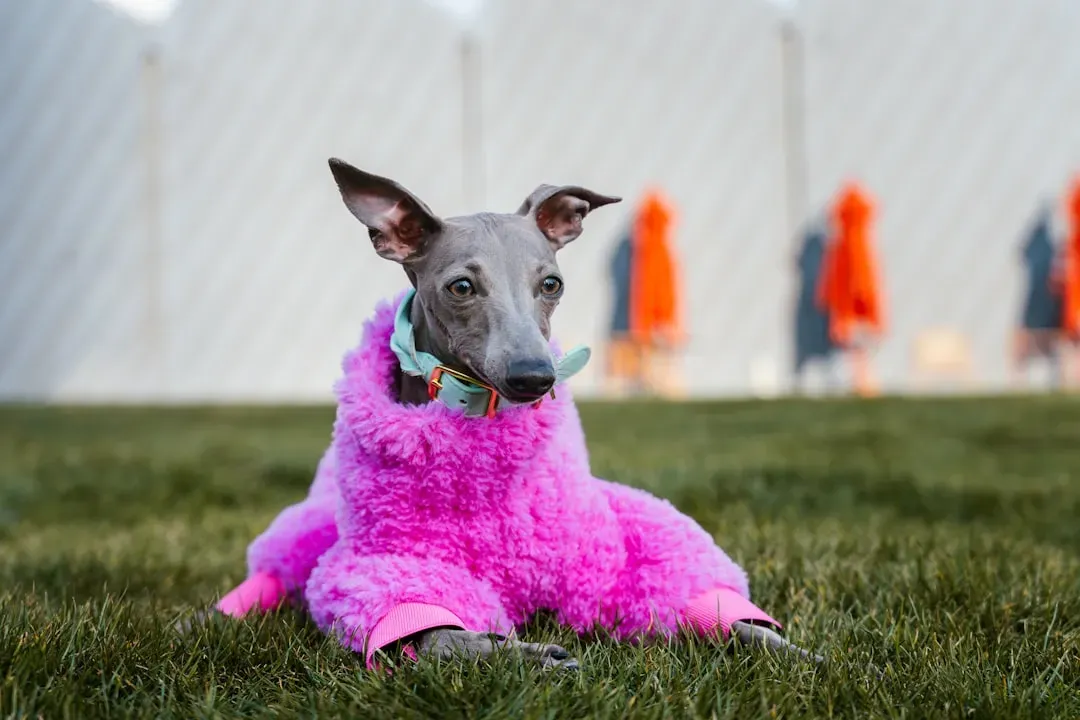
Greyhounds are known for their calm and laid-back nature, often called 45 mph couch potatoes due to their love of relaxation, being gentle and quiet, making them excellent apartment pets. Despite their racing heritage, these sleek athletes are surprisingly low-key communicators. They save their energy for the important stuff, not for making noise about every little thing.
These breeds are calm, gentle, and affectionate with a propensity to be somewhat shy, particularly around strangers, and have sensitive temperaments that pick up on emotions easily. A Greyhound will communicate needs through proximity and soft touches. They might lean against your leg when they want attention or stand near the door with barely a sound when nature calls.
Their whole vibe is understated elegance. With the right amount of exercise, they are quiet and calm dogs that make loving and affectionate companions in the home, and once they have wasted considerable energy outdoors, both Greyhounds and Whippets can become docile and calm. The way they curl up and watch you with those soulful eyes says everything you need to know about their contentment or discomfort.
The Whippet: The Quiet Speedster
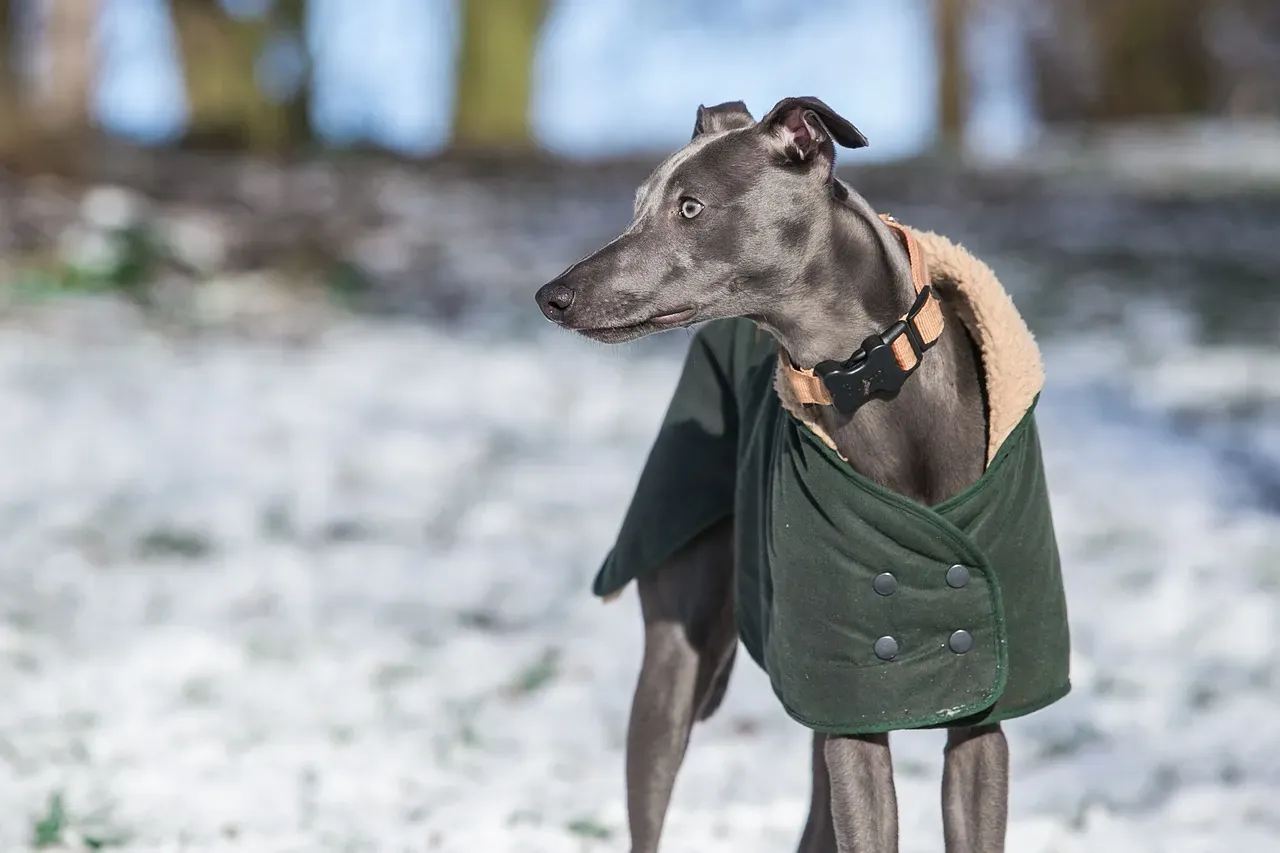
Whippets are characterized by their gentle, affectionate, and calm temperament, and while typically relaxed and serene at home, they exhibit high energy and excitement when outdoors. These medium-sized sighthounds are like the introverts of the dog world. They observe, they calculate, and they communicate with restraint.
All dogs bark sometimes, but Whippets are not known to be very vocal, and they might let you know when a package arrives, but they’re otherwise quite reserved when it comes to being chatty. Instead of barking for dinner, a Whippet will position themselves near the food area and wait patiently, maybe giving you a meaningful look or two.
When their exercise needs are met, Whippets are quiet and calm dogs, and Whippets are not outdoor dogs and should live in the house with their people. Their communication often involves subtle body language like tail position, ear placement, and those expressive eyes. It’s like they’re constantly having a conversation with you that requires no words at all.
The Great Dane: Size Doesn’t Equal Volume
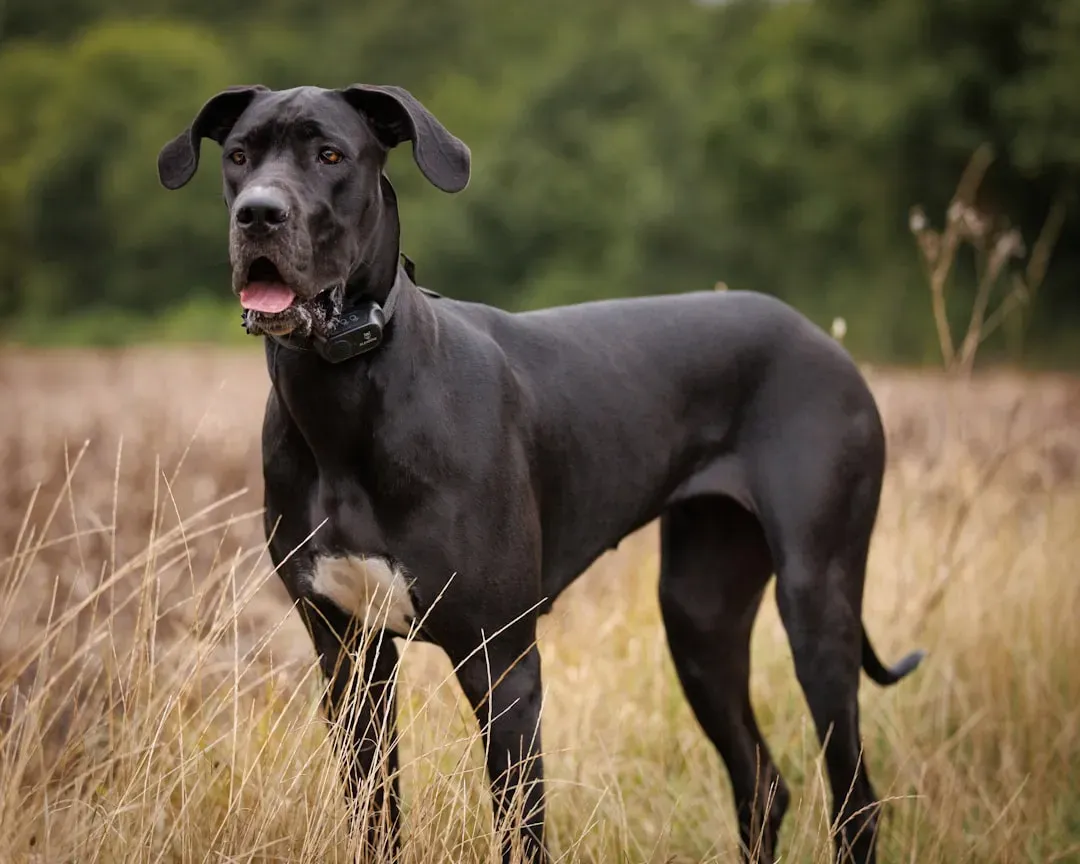
In a race for quietest dog breed, the Great Dane runs neck and neck with the Newfie, and this gentle giant must know that its formidable size and appearance make it unnecessary to be talkative to be noticed, with barking and lunging not part of their repertoire. When you’re that big, you don’t need to make a fuss to get attention. Great Danes are masters of presence over performance.
These towering companions use their physical size as part of their communication toolkit. They’ll simply stand in your space, or gently nudge you with their massive head when they want something. There’s no aggressive pushing or loud demands, just a gentle reminder that they exist and have opinions.
Their calm demeanor means they rarely feel the need to vocalize distress or needs. Instead, they rely on positioning and body language. A Great Dane might block a doorway to indicate they want to go out, or they’ll rest their head on your lap with a soft sigh to request affection.
The Cavalier King Charles Spaniel: Royal Restraint
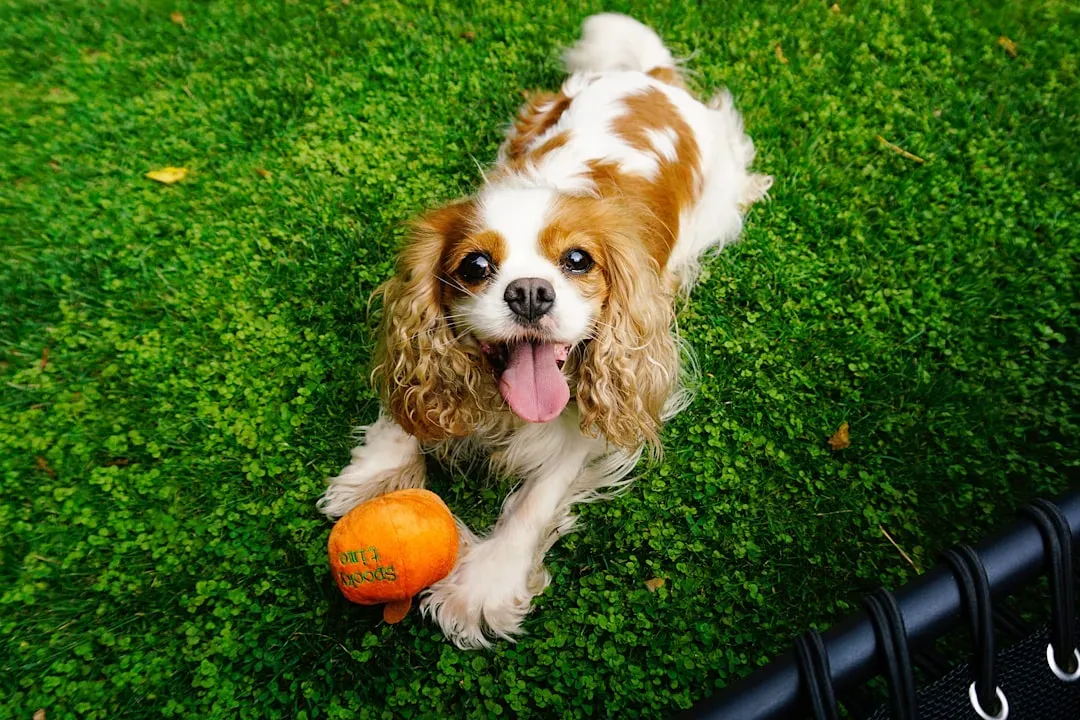
These small, adorable dogs are not the first ones off the couch when the doorbell rings, and placid and quiet, Cavalier King Charles Spaniels love to play with humans and other dogs, but are not especially aggressive with strangers. Their gentle nature translates into equally gentle communication. These little royals have perfected the art of the pleading gaze.
Cavaliers communicate primarily through eye contact and proximity. They’ll sit nearby and simply exist in your space, occasionally making soft eye contact to remind you they’re there. When they want something specific, they might gently paw at you or lead you somewhere with quiet determination.
Their patience is remarkable. Rather than barking at the door or whining for treats, they’ll position themselves strategically and wait. It’s this combination of sweetness and subtlety that makes them such excellent companions for people who appreciate quiet communication.
The Bernese Mountain Dog: Soft-Spoken Strength
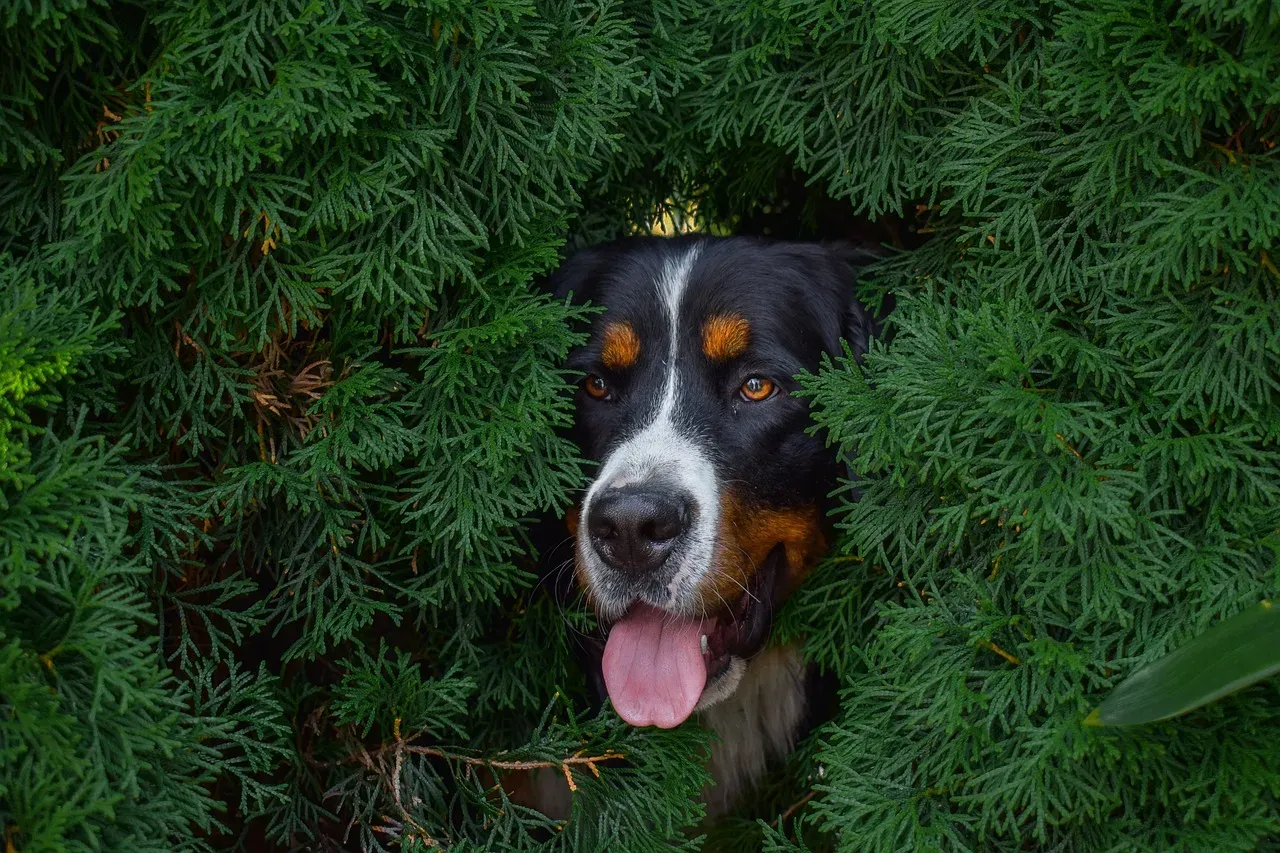
Berners are naturally quiet because they were bred to work alongside farmers, not to sound alarms, and their even temperament and patient nature mean they seldom bark without reason, with their strong desire to stay close to their families also contributing to their low vocalization. These gentle giants prefer actions over noise, using their substantial presence to communicate rather than their voice.
Instead of barking, they tend to communicate through body language or soft grumbles, especially when relaxing indoors, and because they’re confident and rarely reactive, Berners are unlikely to vocalize at every passing noise or unfamiliar sound. When a Bernese wants something, they’ll lean into you with their considerable weight or rest their head on your knee with a soft exhale.
Their communication is rooted in physical contact and proximity. They’re shadow dogs who follow you from room to room, and that constant presence is their way of staying connected. If they need to go outside, they’ll stand by the door with quiet patience, trusting you’ll notice eventually.
The Newfoundland: The Gentle Guardian
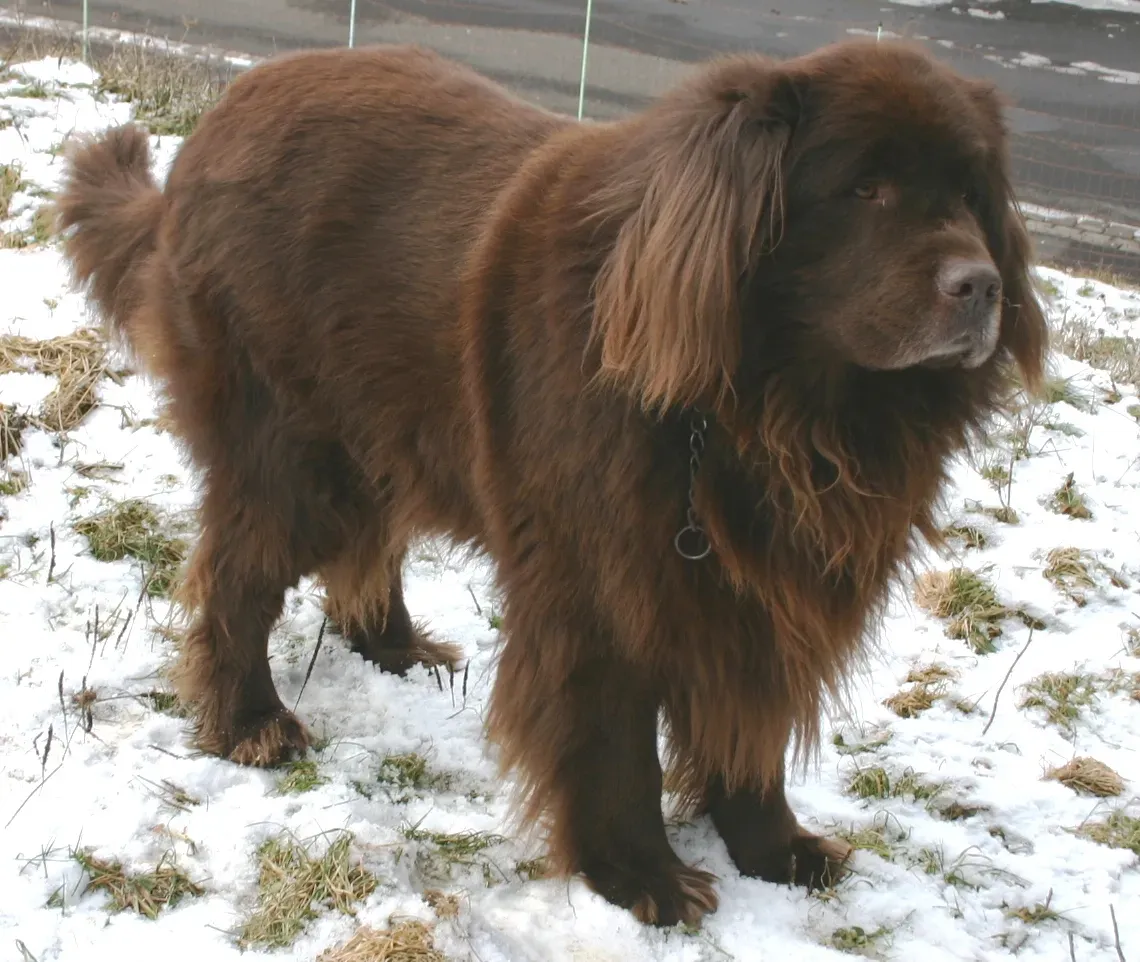
Newfies are wonderful family dogs, and while they’ll alert and defend their humans if there’s a threat, they’re not prone to barking from boredom or random sounds in the house, with these self-contained cuddle-pups whose docile, taciturn personalities making them ideal for homes where frequent barking would be disruptive. These massive, fluffy companions are incredibly intuitive and prefer using their considerable bulk to communicate rather than their voice.
Newfoundlands have a calm, steady energy that translates into their communication style. They’ll use weight-leaning, gentle nudges, and positioning to let you know what they need. Their size alone often gets them noticed, so they don’t feel compelled to add volume to the equation.
When a Newfie wants attention or has a need, they’ll simply appear at your side, sometimes resting their giant head on your lap or desk. Their soulful eyes do most of the talking. It’s hard to ignore roughly 150 pounds of gentle insistence, even when it comes wrapped in silence.
The Japanese Chin: Feline Grace in Canine Form
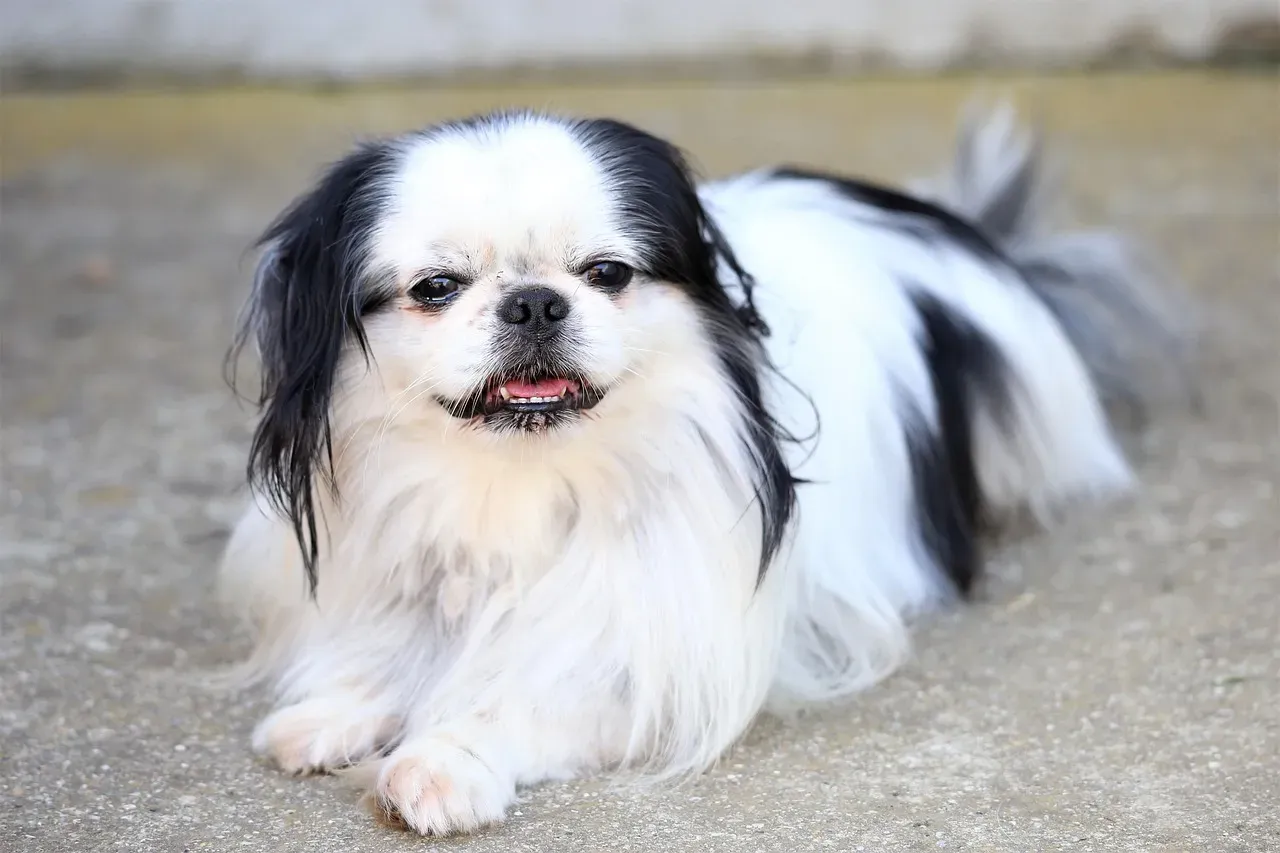
Japanese Chins are the cats of the canine world, being elegant, intelligent, and generally quiet, and Chins will occasionally bark at strangers, but with a bit of training and socializing, they’ll rarely make a peep, making excellent apartment pups as an affectionate, independent breed. These small companions carry themselves with an almost regal bearing, preferring subtle gestures over dramatic outbursts.
Japanese Chins are masters of the meaningful glance. They’ll tilt their heads, blink slowly, and use their expressive faces to convey exactly what they’re thinking. Their cat-like behavior extends to their communication, often preferring to lead by example rather than demand attention vocally.
They’re independent enough that they won’t constantly pester you, but when they do want something, they communicate it through positioning and gentle persistence. A Chin might sit near their empty water bowl and simply wait, confident you’ll eventually notice. Their quiet confidence is actually quite endearing.
The Shar Pei: Quiet Dignity Personified
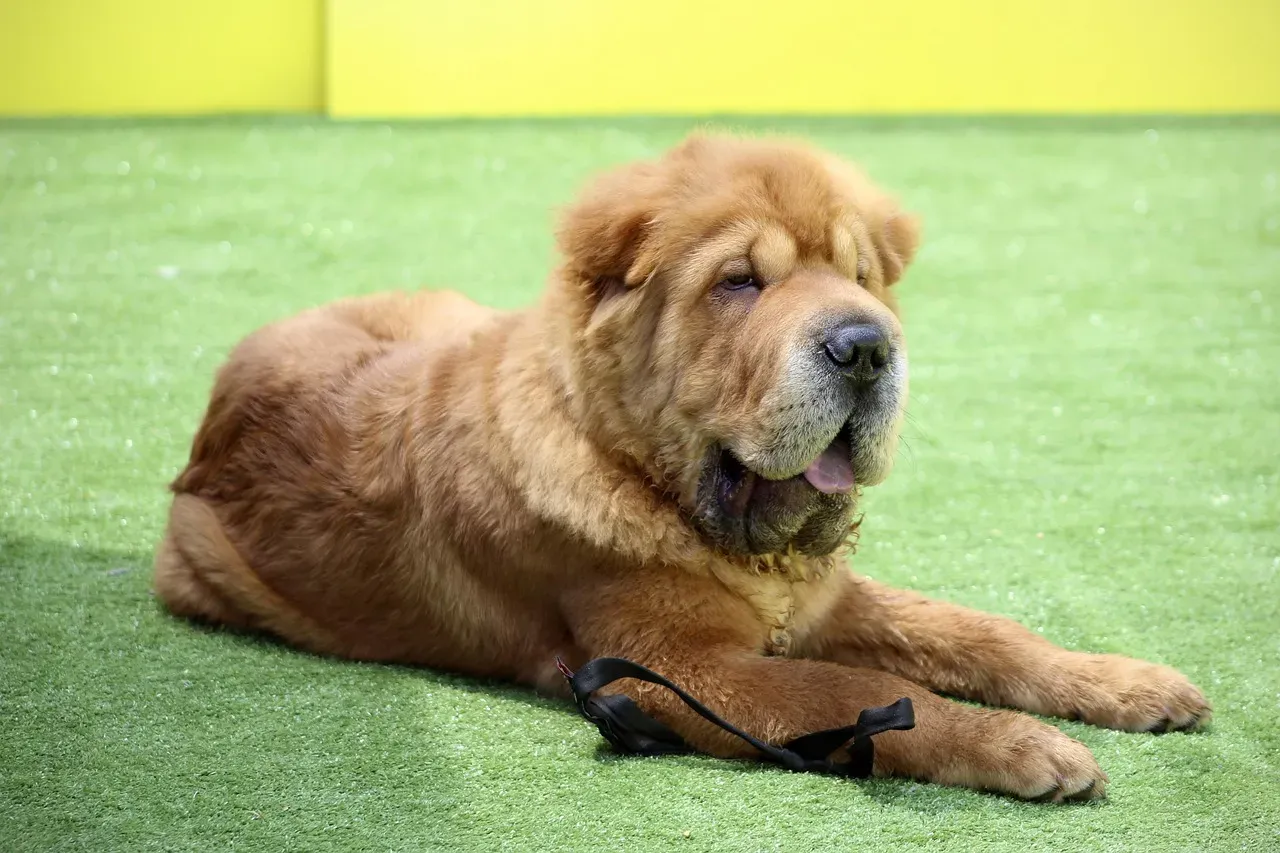
Shar Pei pups are generally quiet, calm and independent, and likely to raise their voices only when truly alarmed, spending a lot of their time chilling out at home. These wrinkled wonders have a stoic quality that extends to how they express their needs. They’re observers, watchers who assess situations before reacting.
Shar Peis communicate through stillness and subtle body shifts. They might stand in a doorway to indicate they want to move through it, or they’ll position themselves near you when they want companionship. Their independent nature means they’re not needy, but they’re clear when they do have requirements.
Their quiet presence is almost meditative. A Shar Pei won’t beg or whine for attention. Instead, they’ll make themselves available and trust you to notice. It’s a refreshingly low-pressure form of canine communication that suits their dignified personality perfectly.
Conclusion
Living with dogs who communicate subtly is a masterclass in paying attention. These breeds challenge us to slow down, observe, and truly connect without relying on the obvious cues of barking or whining. Subtler signs such as discreet bodily and facial movements, body odors, whines, yelps, and growls are the main sources of actual communication, with the majority of these subtle communication techniques employed at close proximity.
The beauty of these quiet communicators lies in the depth of relationship they require and foster. You become attuned to the smallest shifts in posture, the meaning behind a particular gaze, or the significance of where they choose to position themselves. It’s an intimate form of understanding that goes beyond words or sounds.
These breeds remind us that communication doesn’t always need volume to be effective. Sometimes the quietest messages are the most profound. What subtle signals does your dog use to communicate with you? Have you learned to read their silent language?


