
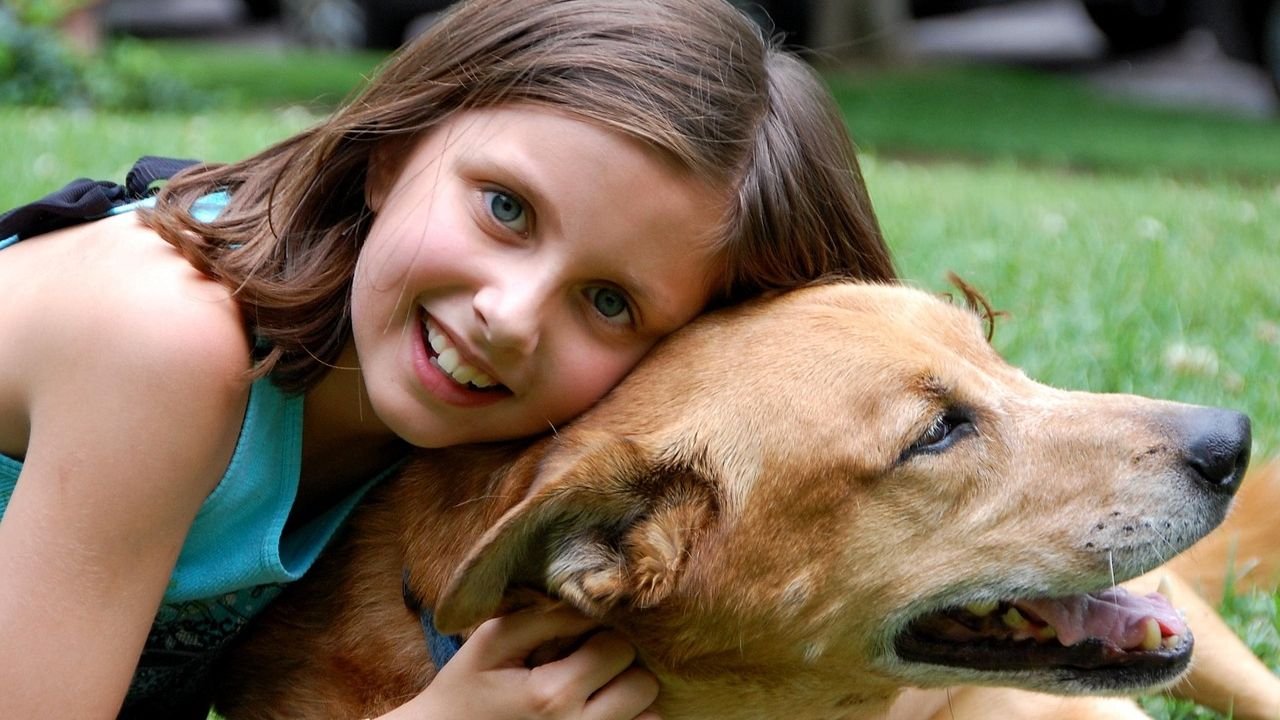
You know that feeling when your dog looks at you with those soulful eyes, and something just clicks between you? It’s not just in your head. The bond you share with your dog is more than warm fuzzies and tail wags. It’s a powerful force that shapes how your dog sees the world, responds to stress, and behaves in everyday life. Think about it: two dogs can receive the same training, yet one thrives while the other struggles. The difference often comes down to that invisible thread connecting dog and human.
Here’s the thing: understanding how this bond works isn’t just interesting science. It’s a game changer for anyone who wants their dog to be calmer, more confident, and genuinely happy. So let’s dive in.
The Science Behind the Stare: Why Eye Contact Matters More Than You Think
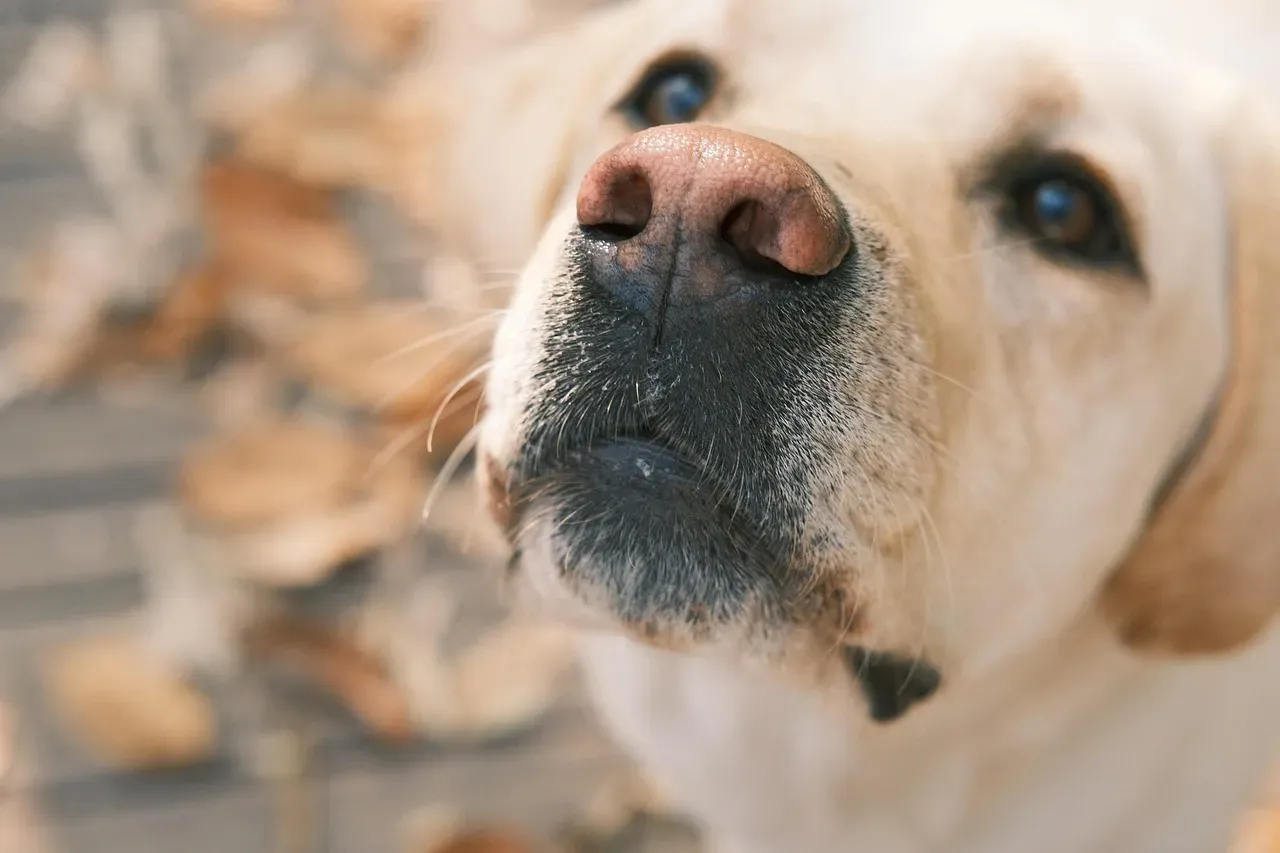
When your dog gazes into your eyes, something remarkable happens at a biological level. Research has shown that mutual gazing between dogs and their owners increases oxytocin levels, with dogs experiencing up to a 130% rise and owners seeing an even more dramatic 300% increase. This is the same hormone that floods a mother’s brain when she looks at her newborn baby.
Scientists describe this as an oxytocin positive feedback loop, similar to the one between mothers and infants. Your dog looks at you, your oxytocin rises, you feel more affectionate and gaze back, which triggers more oxytocin in your dog. It’s a beautiful cycle that deepens your connection every single time it happens. Interestingly, wolves raised by humans don’t show this same pattern, suggesting dogs evolved this specific ability during domestication.
What does this mean for you? Simple eye contact isn’t just cute. It’s bonding on a neurochemical level. When your dog seeks your gaze during a walk or while resting beside you, they’re literally strengthening the attachment between you both.
How Your Attachment Style Shapes Your Dog’s Behavior
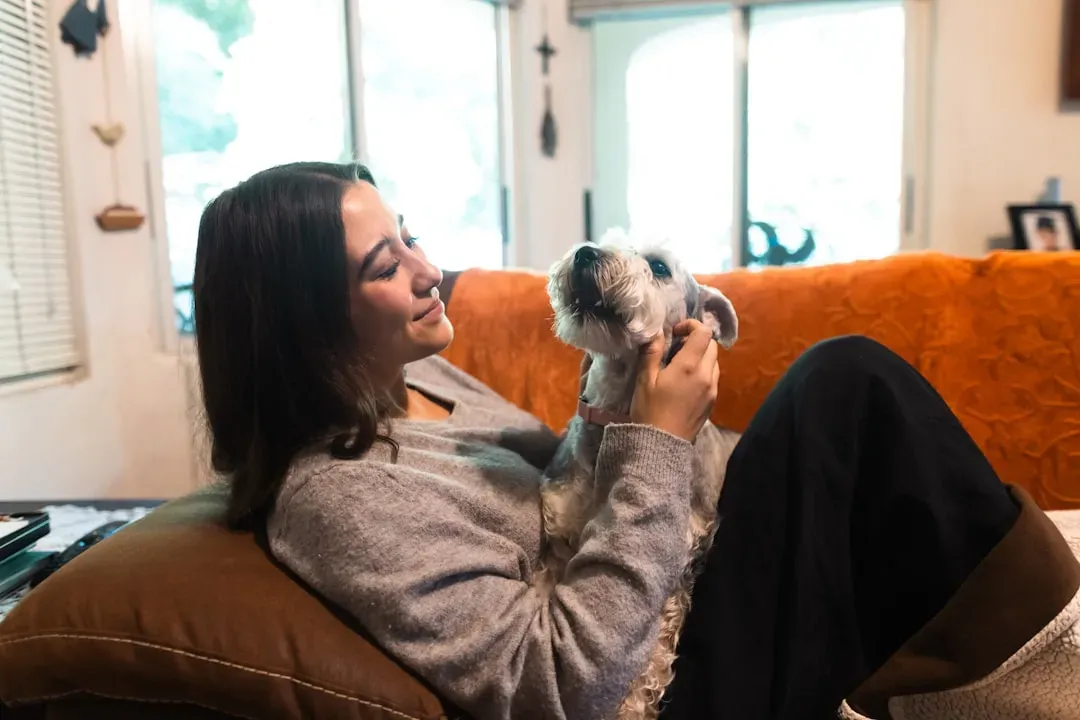
Let’s be real: the way you relate to your dog matters profoundly. Owners with a secure attachment style are warmly enthusiastic, sensitive, and responsive caregivers, and dogs of securely attached owners respond with secure attachment behavioral responses. It’s not one-sided. Your emotional patterns influence how your dog develops their own sense of security in the world.
Research has found significantly higher cortisol levels in dogs classified as insecurely attached, indicating they have a reduced capacity to handle stress. These dogs may seem more anxious, reactive, or clingy. Studies have even shown that avoidant owners are more likely to have dogs suffering from separation anxiety and aggression.
Think of yourself as your dog’s safe harbor. When you respond to their signals for closeness, comfort them during scary moments, and acknowledge their need for connection, you’re building their confidence. Dogs with secure attachments explore their environments more freely and bounce back from stress faster. They trust you’ll be there when things get overwhelming.
Training Methods That Build Trust (and Those That Break It)
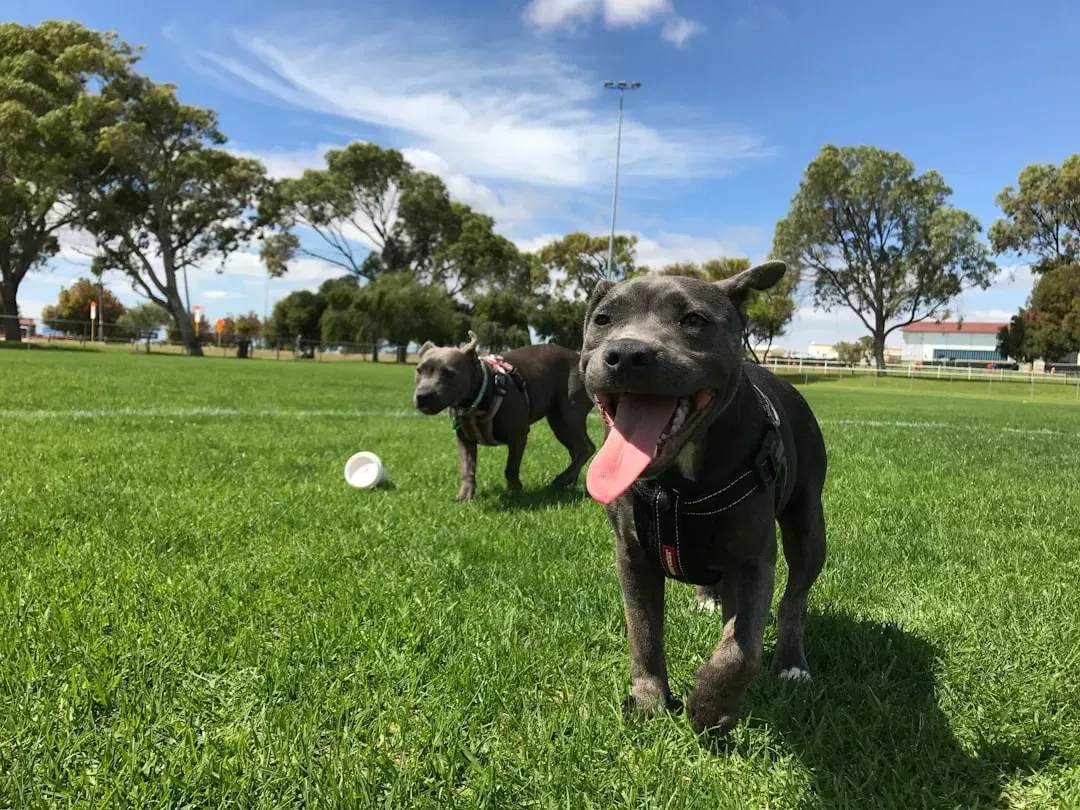
Not all training is created equal when it comes to strengthening your bond. Studies show that dogs trained with reward-based methods display better obedience and fewer behavioral problems than those trained with punishment or aversive techniques. Training based on trust and rewards improves your relationship with your dog, as your dog learns to happily work with you, seeing you as the source of good things.
The reason goes beyond just learning commands. Positive reinforcement and affiliative interactions are likely to produce a positive affective state in dogs, leading to more favorable behavioral responses, such as obedience during training. When training feels good, your dog associates you with safety and joy rather than fear or confusion.
Using aversive stimuli in training compromises dog welfare both within and outside the training context. Dogs trained with harsh methods may obey out of fear, but that’s not the same as cooperation born from genuine partnership. Consider how you’d feel working for a boss who yelled versus one who encouraged you. Your dog experiences that same emotional reality.
Reading the Signs: How Bonded Dogs Behave Differently
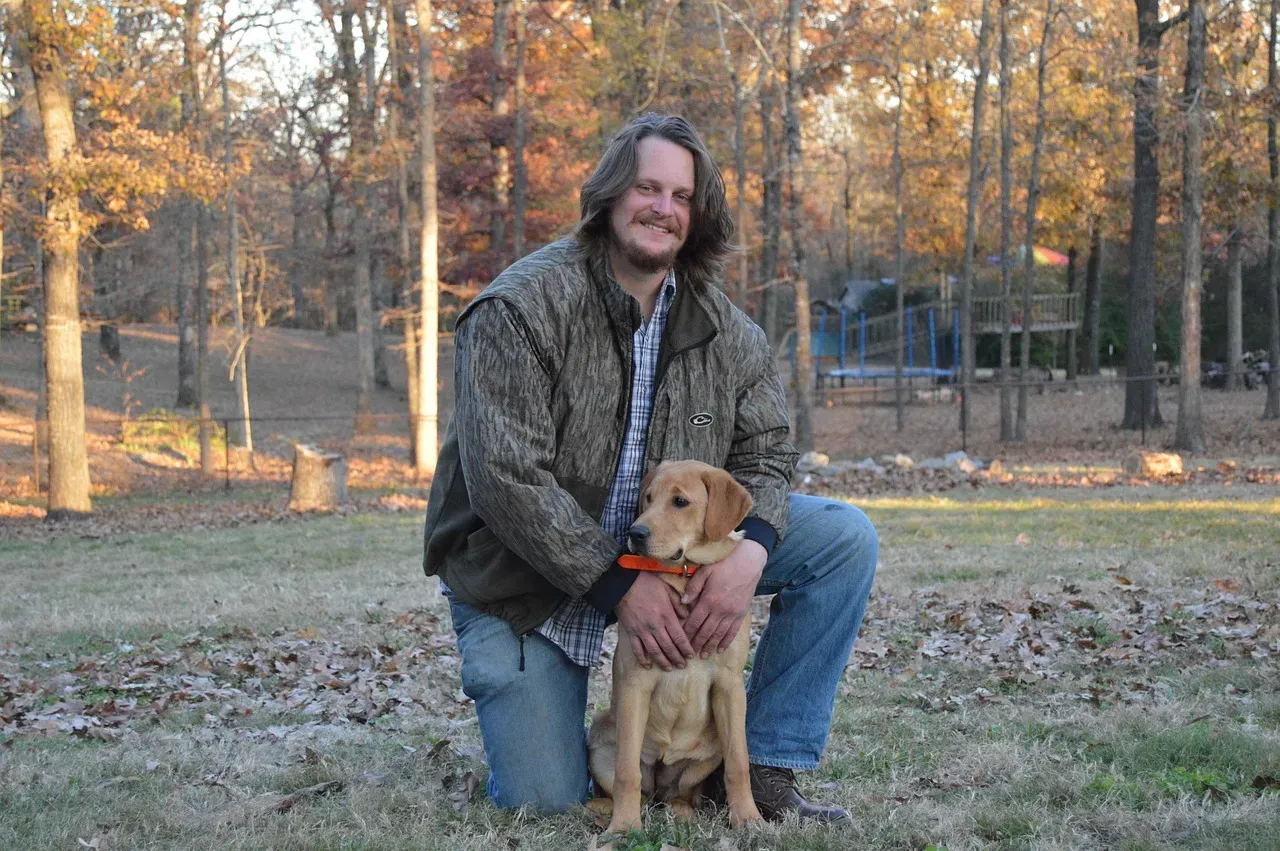
Ever wonder if your dog is truly securely attached to you? There are telltale signs. When a securely attached dog is separated from their owner, exploratory behaviors decrease and distress increases, but when the owner returns, the dog will approach the owner, make eye contact and initiate physical contact. This includes touching you with their snout, jumping up, or sustained leaning against your body.
Dogs who displayed more attachment and attention-seeking behaviors toward their owners were significantly more likely to exhibit a positivity bias, preferring actors who helped their owner over neutral actors. Basically, strongly bonded dogs pay attention to how others treat you. They’re tuned into your social world because you matter to them.
Watch for these healthy behaviors: your dog checks in with you during walks, seeks you out for comfort when frightened, and settles more easily when you’re nearby. They might follow you from room to room not from anxiety but from genuine preference for your company. These aren’t signs of a needy dog. They’re signs of a dog who has learned you’re worth staying close to.
The Real-World Benefits: When Bond Becomes Behavior Change
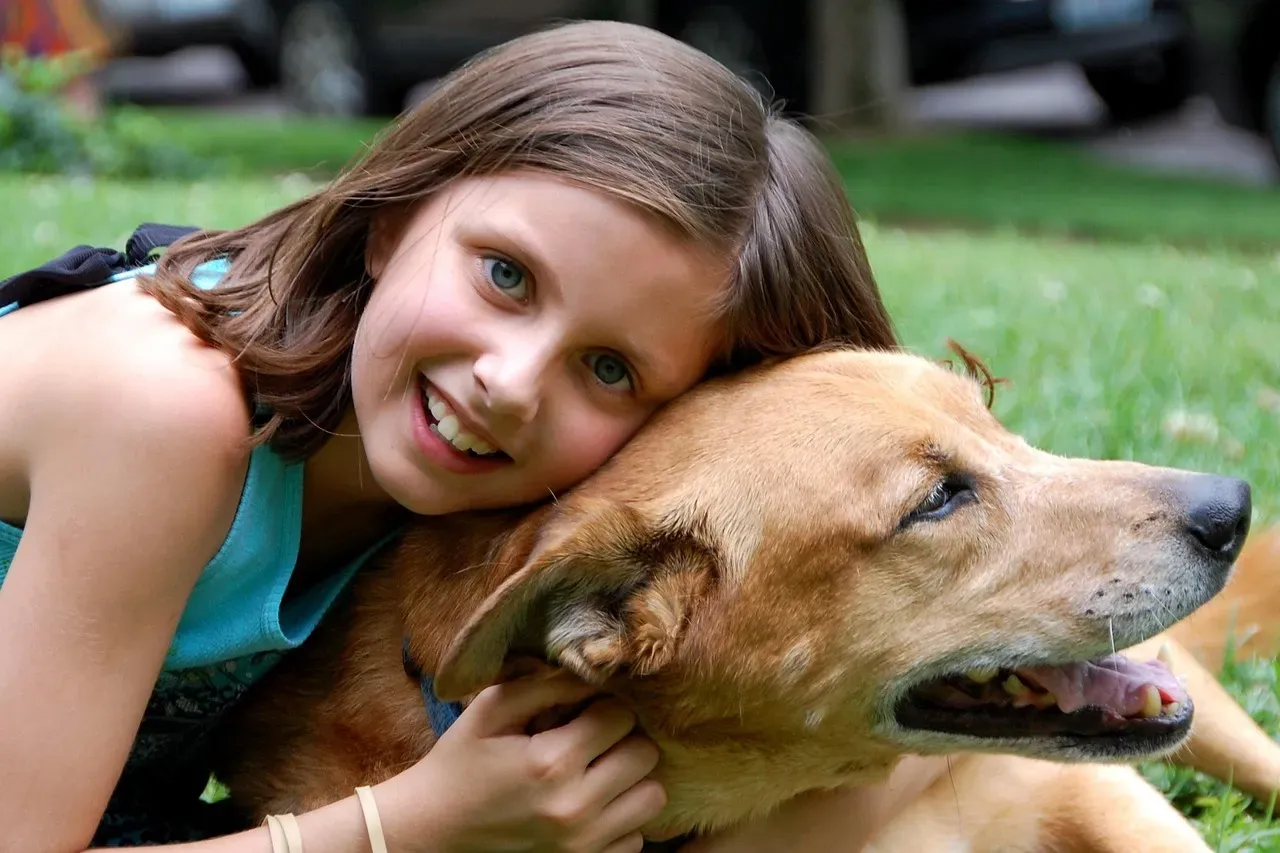
Research has shown that dog-human relationships combine the upsides of best friend relationships and parent-child bonds, making them more supportive and positive than most relationships between humans. That’s not just heartwarming. It has practical implications for behavior.
Secure attachments have been shown to have a wide range of benefits including stress reduction, increased exploration and persistence, improved executive function, and a reduction of behavior problems in dogs. A well-bonded dog is easier to train, recovers from setbacks faster, and handles new situations with more confidence.
Training helps prevent or manage dog behavioral problems and promotes successful dog-human relationships, maximizing the benefits humans derive from bonding with dogs. When your relationship is solid, behavior problems become easier to address because your dog trusts your guidance. They look to you for cues about whether something is safe. Your calm presence can transform a potentially reactive situation into a manageable one.
Here’s something I think many people miss: building this bond isn’t about grand gestures. It’s about consistent, small moments of connection. Responding when your dog seeks reassurance. Playing together. Simply being present without distractions. From human studies, giving the right response about 60% of the time appears to be enough to build a secure attachment style. You don’t need to be perfect. You just need to be reliably there.
Conclusion
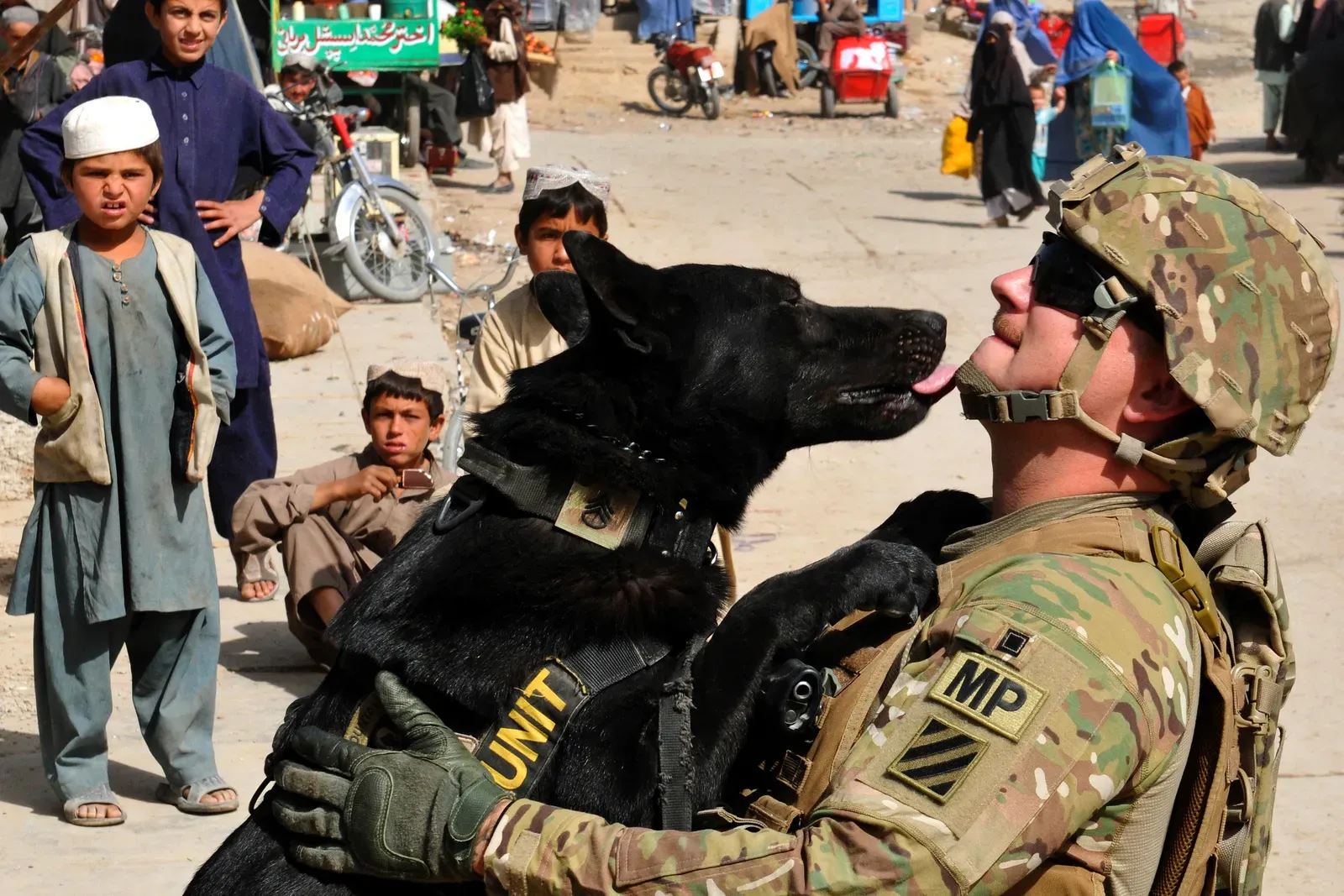
The bond between you and your dog isn’t just an emotional luxury. It’s the foundation for everything: how they learn, how they cope with stress, and how they navigate the world. When you invest in that relationship through eye contact, responsive caregiving, positive training, and genuine attunement to their needs, you’re not just making your dog happier. You’re literally transforming their brain chemistry and behavioral patterns.
The beautiful part? Strengthening this bond doesn’t require expensive tools or complicated techniques. It asks for your presence, your patience, and your willingness to see your dog as a thinking, feeling individual who needs you as their anchor. What small step will you take today to deepen that connection? Your dog is watching, waiting, and ready to meet you halfway.


