
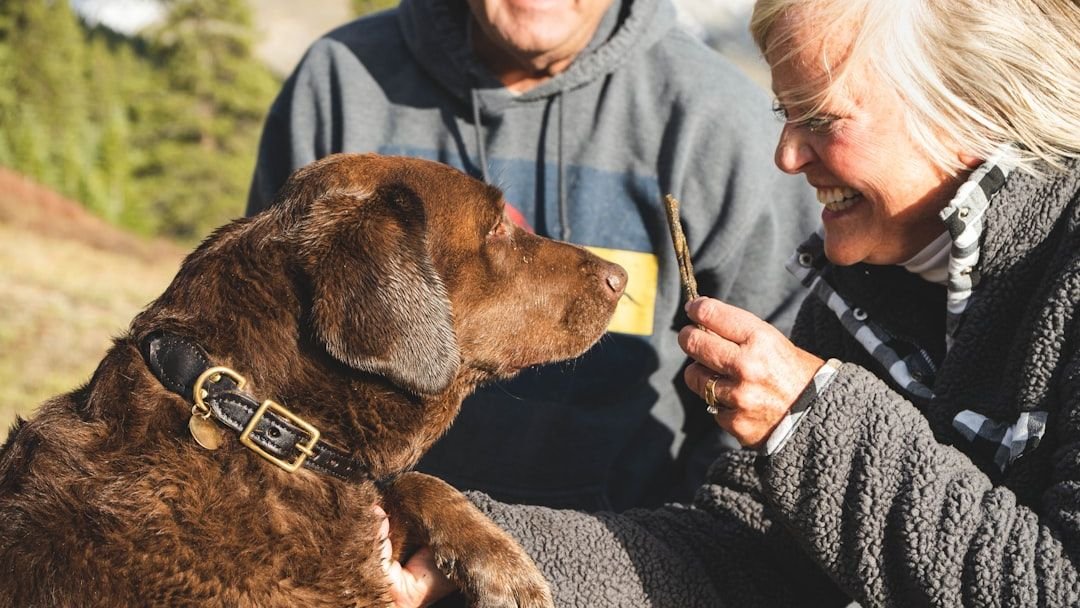
There’s something beautiful about watching a dog enter their golden years. That once boundless energy transforms into something quieter, wiser even. Your senior dog still has that spark in their eyes, still wants to engage with the world, but their body doesn’t always cooperate the way it used to. Here’s the thing though: aging doesn’t mean they should spend their days simply napping on a soft bed. Your older companion needs mental and physical enrichment just as much as they did in their younger days, maybe even more. Creating a stimulating environment isn’t about pushing them beyond their limits. It’s about understanding what they need now and meeting them exactly where they are. Let’s dive in and discover how you can transform your home and routines to keep that tail wagging.
Understanding Your Senior Dog’s Changing Brain and Body
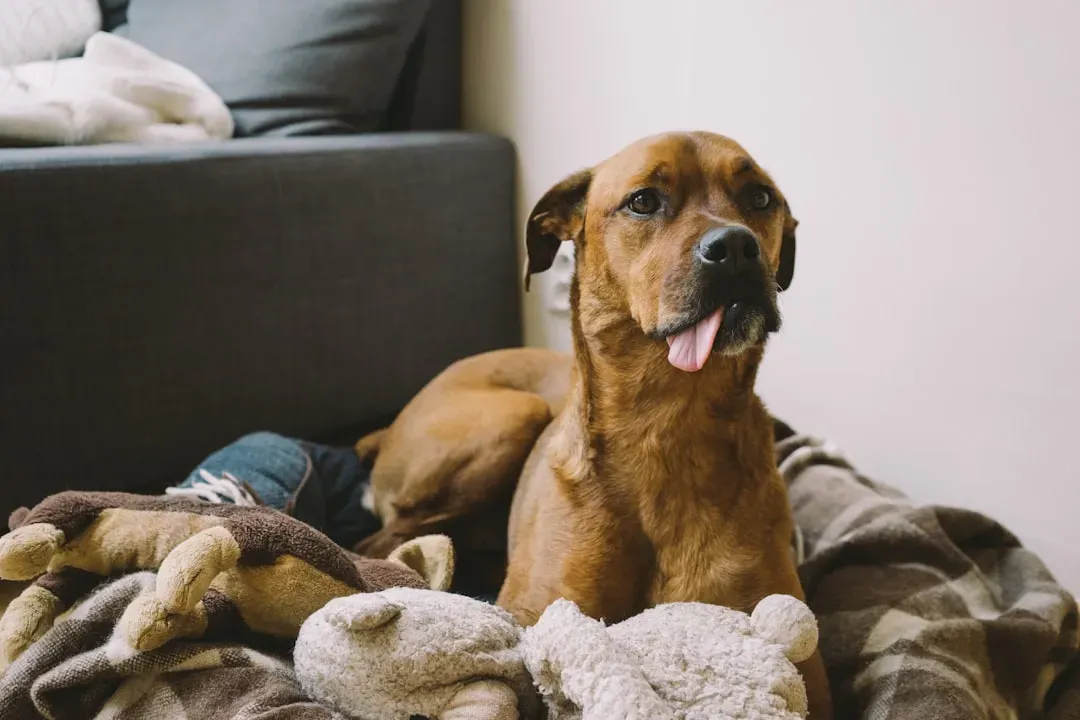
Dogs can develop canine cognitive dysfunction, a syndrome that is similar to Alzheimer’s disease in humans. This reality hits hard when you notice your faithful friend staring at walls or forgetting where their food bowl is. Research shows that 28% of dogs aged 11-12, 48% of 14-year-old dogs, and 68% of 16-year-old dogs will show at least one marker of canine cognitive dysfunction.
The numbers are sobering, honestly. Pain is more likely to occur in senior dogs with age-related diseases, leading to decreased activity, increased anxiety, restlessness, and occasionally aggression. Yet there’s hope in this challenge. Providing an enriching environment not only prevents boredom but can also slow cognitive decline, keeping your beloved companion bright-eyed for as long as possible. Think of it like this: their brain is a muscle that still needs exercise, just gentler forms of it. Physical changes happen too, from joint stiffness to sensory decline, but these shouldn’t signal the end of an active life.
Mental Gymnastics: Brain Games That Actually Work
While senior dogs may not be able to participate in much physical enrichment, such as long walks, other forms can be mentally stimulating and tiring. Puzzle feeders are absolute gold for aging dogs. They help keep a senior dog’s mind active using food as motivation and encourage senior dogs to problem-solve and provide mental stimulation.
Start simple with a muffin tin and tennis balls hiding treats underneath. You can make it more challenging as your dog masters each level. Mental challenges such as puzzle toys, treat-dispensing devices, and refreshing basic commands help maintain cognitive health, and teaching new tricks at a relaxed pace can also spark engagement and confidence. Contrary to popular belief, old dogs absolutely can learn new tricks. Their focus is often better than when they were hyperactive youngsters. I’ve seen senior dogs light up when presented with a new challenge that respects their current abilities.
The Power of Scent: Awakening Your Dog’s Strongest Sense
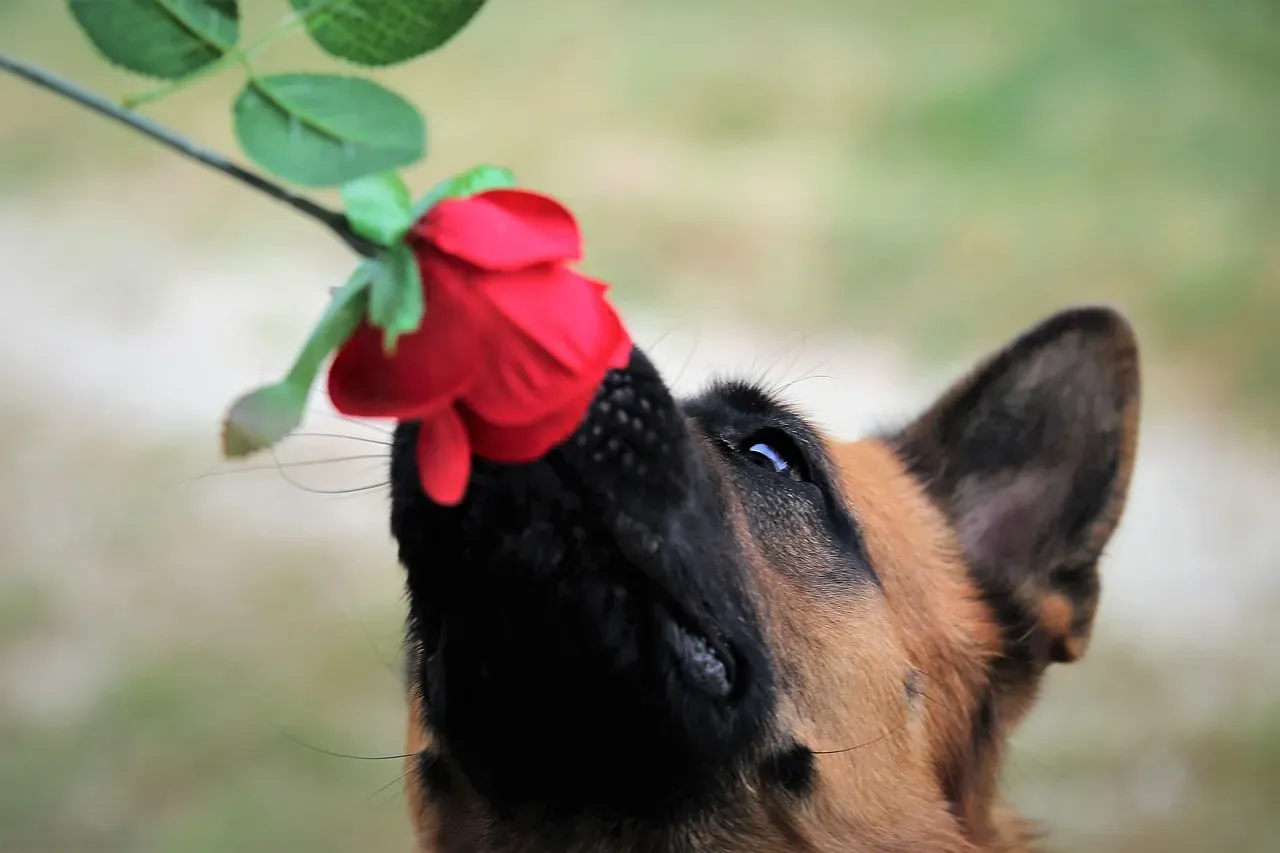
A dog’s olfactory abilities typically remain strong even as other senses and cognitive functions decline. This makes scent work an absolute game changer for senior dogs. Scent-based tasks help maintain mental sharpness and offer rewarding enrichment.
Hide treats around your home at floor level where your dog can easily access them without jumping or climbing. Always rotate hiding spots regularly, and choose treats with strong aromas, like freeze-dried meat or fish, to keep the dog’s interest alive while respecting any dietary needs or restrictions. Even a simple sniff walk where you let your dog stop and smell everything at their own pace can be incredibly enriching. Even sitting outside or taking a short walk focused on sniffing (sniff walk) can be enriching. The world comes alive through their nose in ways we can barely comprehend.
Physical Enrichment: Movement Without the Pain
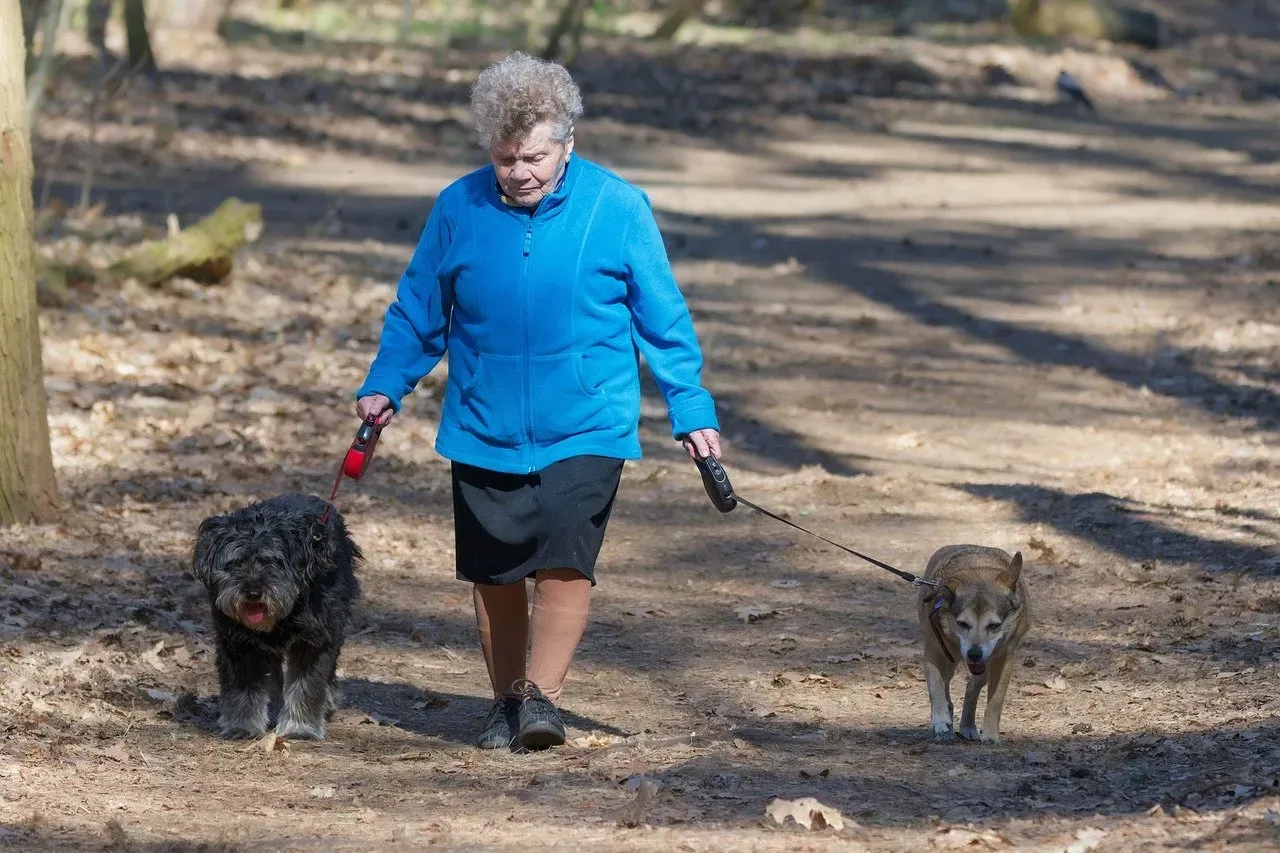
Exercise remains crucial but needs serious modification. Regular, low-impact exercise can make a massive difference for senior dogs with mobility challenges, and for many dogs, gentle, sustained movement like going for a 15-minute walk on gentle terrain is more beneficial than intense, short exercise.
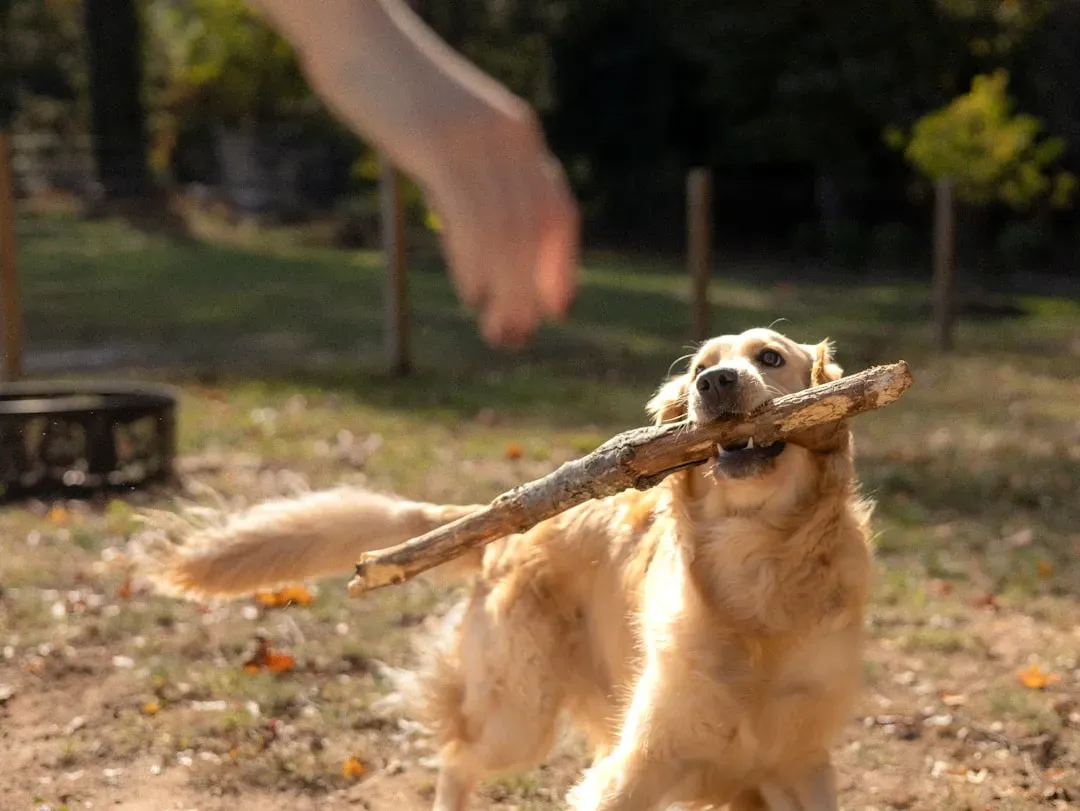
Swimming is a low-impact exercise for senior dogs and a great way for senior dogs to keep active to build muscle and endurance. Water supports their joints while still providing resistance for muscle building. For ball lovers with joint issues, retrieving low tosses or rolled soccer balls keeps all paws on the ground, but avoid Frisbee or games that encourage leaping catches. Modify the games they’ve always loved rather than eliminating them entirely. Roll instead of throw. Tug gently at their level. Let them win sometimes. These small adjustments preserve joy while protecting aging bodies.
Creating a Safe and Accessible Home Environment
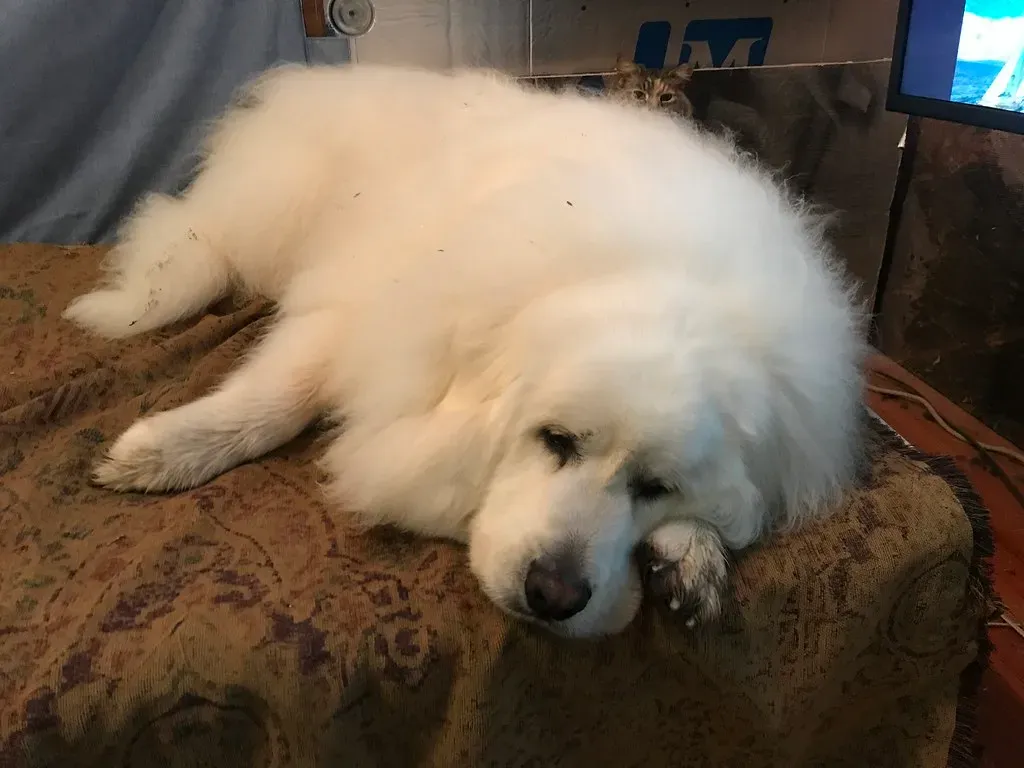
For a dog with arthritis, a slippery floor is more than just a surface – it’s a source of anxiety and a significant injury risk, and every tentative step can send a jolt of pain through their joints. Traction matters more than you might realize. Use non-slip runners, rugs, and mats to create safe pathways on slippery floors.
Senior pets often struggle with steps, jumping onto couches or into the car, so providing ramps can help them to maintain their independence while minimising stress on the joints. Small changes make enormous differences. Invest in a true orthopedic bed with at least 3-4 inches of memory foam to cushion painful joints. Place water bowls in multiple locations so they don’t have to travel far when thirsty. Consider adding a heated dog mat to their crate or resting place, but do not use a human heating pad because they can get too hot and cause burns to your dog’s skin. Warmth soothes arthritic joints remarkably well.
Social Enrichment: Connection Still Matters
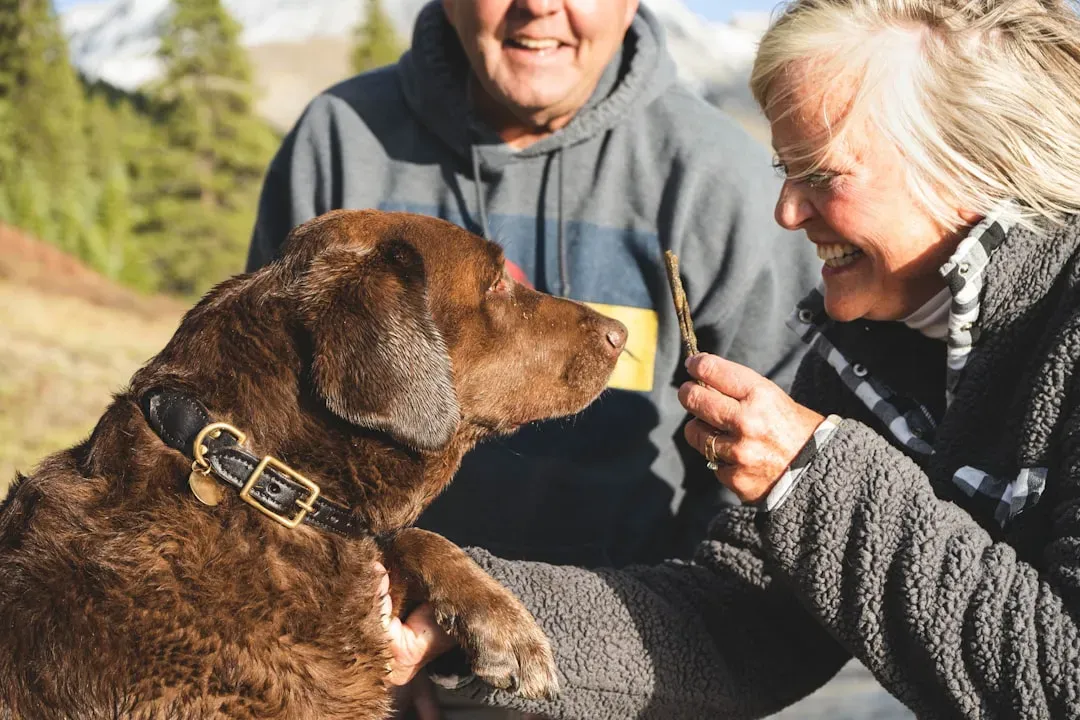
Your presence is enrichment. Quality time together becomes even more precious during these years. If your dog enjoys the company of other dogs, arrange for play dates with other calm or senior dogs, making sure that your dog enjoys this experience by monitoring their body language.
Participating in activities together can be a great moment to bond and connect with your dog. Gentle massage, brushing sessions, or simply sitting together while they rest creates emotional security. Positive reinforcement training is a great tool for senior dogs because it is mentally stimulating but does not require physical exertion. Teaching them to touch your hand with their nose or to give a paw reinforces that they’re still capable, still valuable. Some dogs become more affectionate as they age, seeking comfort and reassurance. Others become more independent. Respect their individual needs while ensuring they never feel forgotten or sidelined.
Conclusion: Every Day Is a Gift
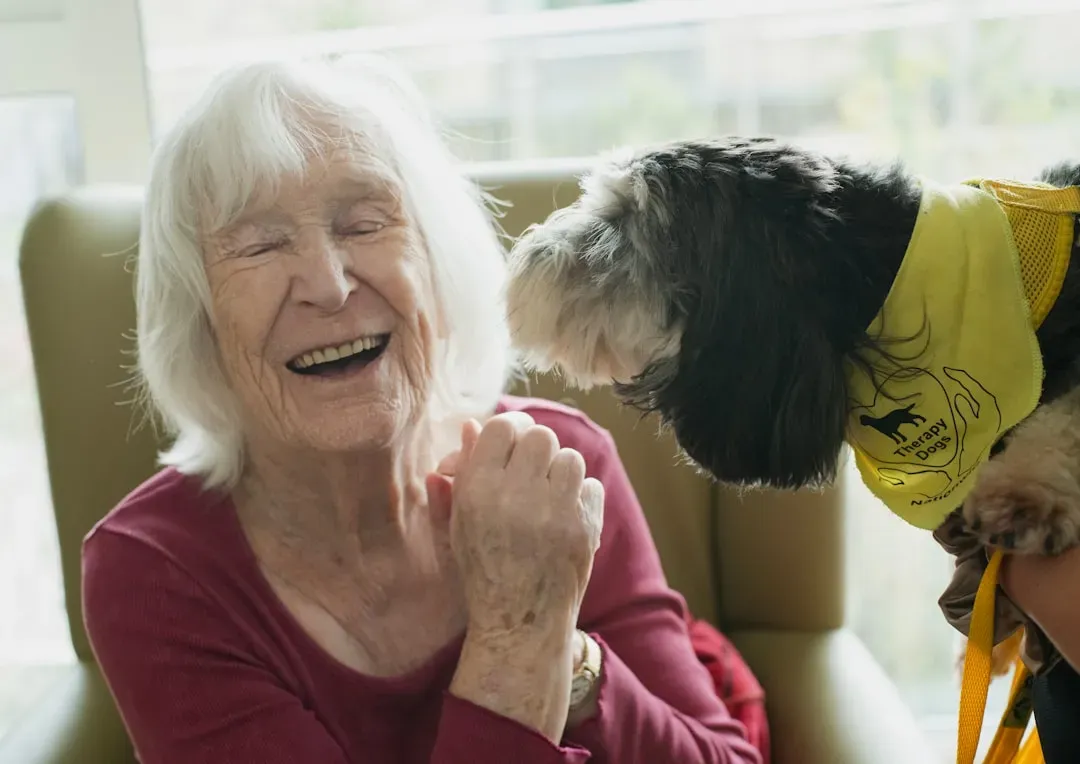
Creating a stimulating environment for your senior dog isn’t rocket science. It’s about observation, adaptation, and love. When it comes to enrichment, you can find something for all senior dogs no matter what their health or mobility status. The modifications you make today can add quality months or even years to their life.
Watch for what lights them up. Maybe it’s a new scent trail in the backyard. Perhaps it’s a soft toy that squeaks gently. Could be those few extra minutes of gentle scratches behind their ears. Find out what works well for you and your dog, and together, you can strengthen your bond and protect your dog’s cognitive function during his or her golden years. Their needs will change, sometimes rapidly, so stay flexible and creative.
These senior years deserve celebration, not resignation. Your dog gave you their best years. Now it’s your turn to give them yours. What simple change will you make today to brighten their world?


