
There is a specific kind of silence that settles into a home after a dog is gone. No click of nails on hardwood. No sigh from the corner of the couch. No face appearing at the bedroom door at 6 a.m., because it is time and you should absolutely know this by now. If you have ever lived through that silence, this article was written for you.
March is Pet Memorial Month, and for dog lovers, it carries a weight that is both tender and necessary. It is a time to pause, to remember, and honestly, to give yourself full permission to feel every single thing you have been holding back. You are not alone in this, and what you are feeling is more valid than the world sometimes lets on. So let’s dive in.
Your Grief Is Real, and It Deserves to Be Honored
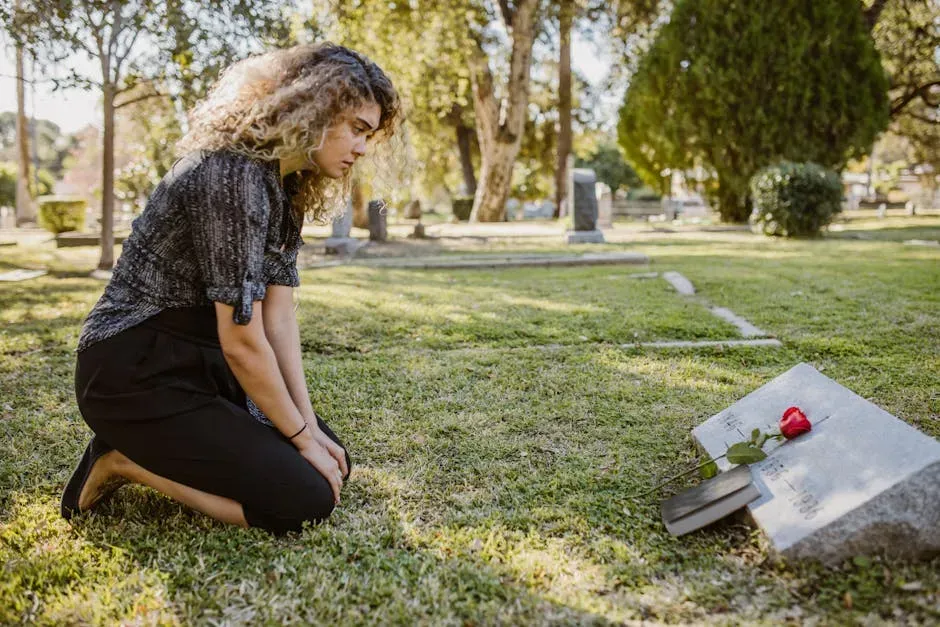
Let’s be real for a moment. One of the most painful parts of losing a dog is not just the loss itself. It is hearing someone say “it was just a dog” when every fiber of your being knows that is completely and utterly wrong. Pet loss is real grief, and it is chronically underestimated. The bond between a person and their animal is built on daily, wordless intimacy: walks, meals, the weight of a body on the sofa.
Pets see us through the many different transitions of our lives, from childhood to serious illness, to a move or job change. They are often the one constant, comforting, and dependable relationship through difficult and changing times. That is not a small thing. That is a decade or more of unconditional presence. Of course losing that shatters you.
Over nearly all of us see our pets as family, best friends, or companions. Yet when pets die, grief is often dismissed. Fewer than one in ten people feel that pet grief is taken as seriously as it should be. Too many suffer in silence, told it’s “just a pet,” which only makes the pain harder to bear.
Grief can’t be ranked. Sometimes our head gets in the way of our heart’s desire to mourn by trying to justify the depth of emotion. Your grief is your grief and deserves the care and attention of anyone who is experiencing a loss. So stop apologizing for it. Just stop.
Understanding the Waves: What Pet Grief Actually Looks Like

Honestly, grief does not follow a neat schedule or a tidy checklist of stages. Think of it less like a straight road and more like a river: sometimes calm, sometimes wild, sometimes pulling you backward when you least expect it. Grief isn’t always a predictable process that flows in linear stages. People may experience complex emotions that arrive in waves or fluctuate like a roller coaster.
Research suggests that the most intense feelings often occur in the first two months, with underlying sadness sometimes lasting six to twelve months or longer. There is no set timeline because grief is unique to each person. So if you are still crying into your dog’s old blanket six months later, that is not weakness. That is love with nowhere left to go.
Guilty feelings keep us from having to accept the reality of the loss. We think, “If only…” This is a normal feeling, but we need to remember the good life we gave our furry friends and that we did the best we could. Remind yourself of that, gently and often. Guilt is grief’s sneaky little companion, and it rarely reflects reality.
Your Dog Might Be Grieving Too: Behavior Signs to Watch For

Here is something that surprises a lot of people. If you have another dog at home, that dog is navigating loss alongside you. Newer research indicates that changes in a dog’s behavior following the death of a person or companion dog are expressions of grief. Dogs do feel grief when they lose a human or animal companion.
Dogs alter their behavior when they mourn, much like people do. They may become depressed and listless. They may have a decreased appetite and decline to play. They may sleep more than usual and move more slowly, sulking around. If your surviving pup suddenly seems like a deflated version of themselves, that is likely why.
A 2022 study of 426 pet dogs found that following the death of a household dog, the surviving dog often exhibited behavior changes. Increased attention-seeking topped the list, as well as lethargy, fearfulness, decreased appetite, and more vocalization. Watch for those signs. They are your dog’s way of saying “I feel it too.”
Dogs that are grieving may experience a loss of appetite, lethargy or depression, inability to sleep or sleeping more than normal, separation anxiety, and vocalizing such as howling or whimpering. While these are ways grief presents in dogs, many of these symptoms can also be signs of physical ailments, so it can be worth seeing your vet. A quick vet check rules out any physical concerns and gives you peace of mind.
How to Support Your Grieving Dog Through the Loss
So what do you actually do when your dog is struggling? The short answer is: be there, be steady, and be patient. You and your dog may both be feeling a sense of loss, so be there for each other. Spend extra time with your dog and give them more affection. Speak to your dog as you go through your day, because your dog will be comforted by the sound of your voice.
Balance the time and space needed to grieve with regular opportunities for engagement. Socialization and activity can promote a healthier recovery after a loss. Enrichment activities like puzzle toys, treat dispensers, or other interactive games can keep them busy. Think of it as giving them something to do with all that restless, confused energy.
It is normal for behavior changes to be seen in the first ten to fourteen days after the loss of a companion. You may try to take their mind off the loss by providing extra attention and affection. Long walks, playing, and engaging in favorite activities can help build confidence and stimulate mental enjoyment. Keep routines consistent where you can. Dogs are creatures of habit, and structure is genuinely soothing for them.
Meaningful Ways to Honor Your Dog This Pet Memorial Month
Honoring your dog’s memory is not sentimental fluff. It is a real, important part of healing. When you’re ready, memorializing your pet can be a profound part of the healing process. The key word is “when you’re ready.” There is no rush. No deadline. No correct timeline for when the tribute should happen.
Memorializing your pet through a bereavement ritual can be deeply meaningful. You might spread your pet’s ashes somewhere special, or reserve a place in your home for their ashes and photos. Plant a native tree or flowering shrub in memory of your pet, or create a memory box with their collar or favorite toys. Even the smallest gesture matters enormously.
Pet memorial pages offer a digital space where you can create a memorial for your own pet or a grieving pet lover in your life, pay tribute to a cherished animal, or leave a virtual token of remembrance for a friend or loved one’s pet to show sympathy and support. Organizations like Best Friends Animal Society make this beautifully simple to do.
For some people, the symbolism of a dog memorial is more important than having something to physically hold. Gifting to pets in need can be a wonderful way to honor a pet. One option is to donate money to a shelter, rescue, or charity of your choice. Making a donation to the rescue or shelter where you adopted your dog from could be particularly meaningful. That kind of tribute ripples outward in the best possible way.
A Conclusion: The Love That Stays
Keep in mind that grief is not something we get over, but something we move through. When we lose someone whose presence changed us, often for the better, we cannot help but be changed by that loss. The process of coming to terms with it can take a long time, but you will eventually find your way to a place where the pain of absence is less of a focus than the happy, loving memories.
Your dog gave you something irreplaceable. Years of loyalty. Mornings made better. Walks that cleared your head on the hardest days. That kind of love does not vanish when a dog crosses the rainbow bridge. It settles somewhere deeper, into the stories you tell, the tributes you create, and the way you love your next dog a little more fiercely because of everything the last one taught you.
It is important to reflect on the appreciation you have and the happiness and love shared with your pet, and to hold gratitude alongside your sorrow. You can continue to honor your pet’s life by taking care of yourself. That is truly the greatest tribute of all.
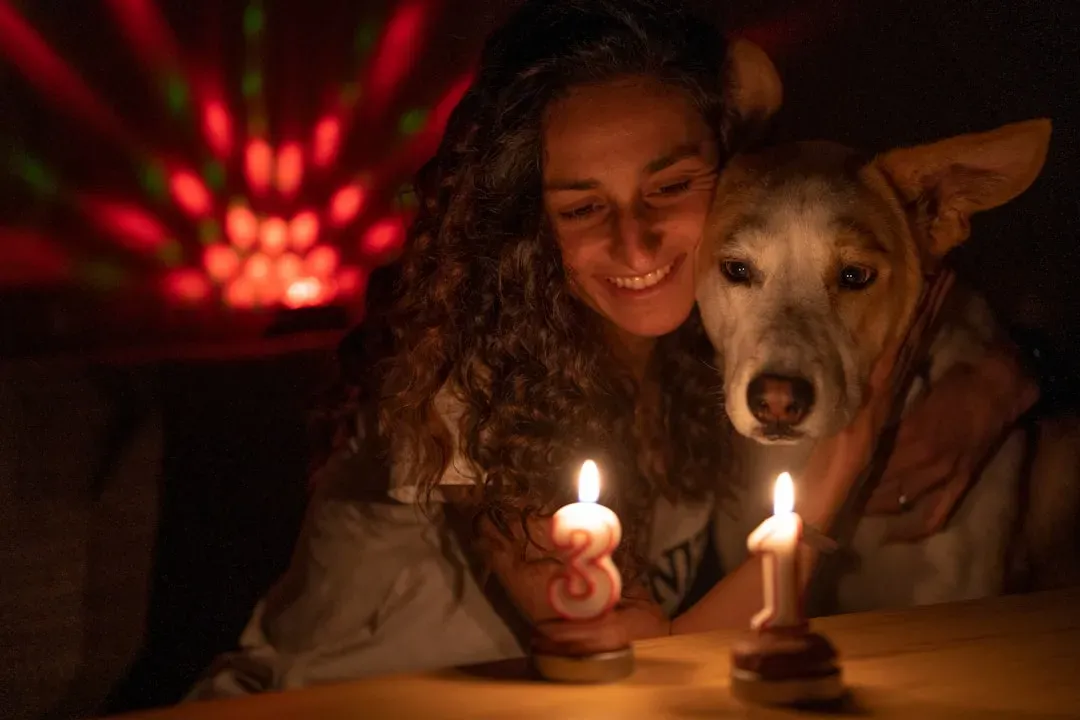
This Pet Memorial Month, give your grief the space it deserves. Light a candle. Say the name out loud. Share a photo. Let yourself cry. The world could use a little more of that kind of love. What is one way you are remembering your dog this March? Share it in the comments, because your story matters, and so did they.


