
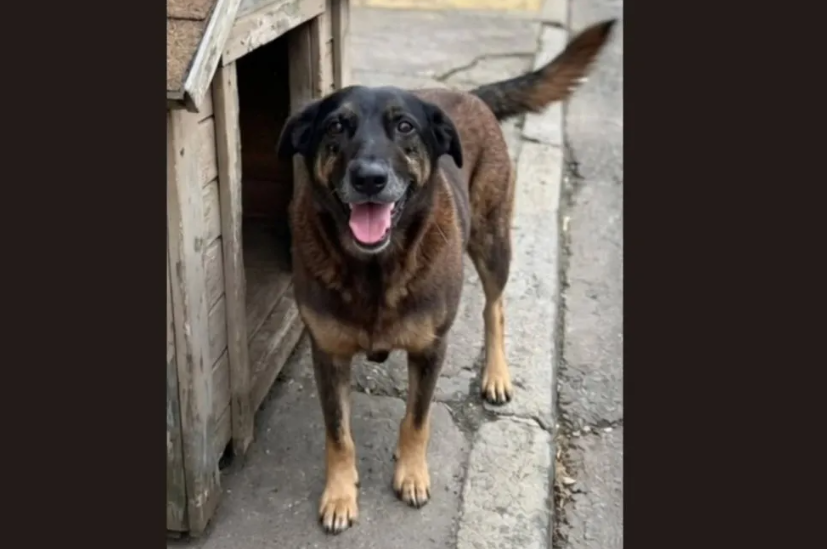
Florianópolis, Brazil – The savage torture of a beloved community dog named Orelha has fueled persistent demands for accountability, even as local authorities rejected a push to escalate the investigation to the federal level.[1][2]
A Loyal Street Dog’s Life Cut Short
Orelha captured the hearts of residents in Praia Brava for over a decade. This gentle 10-year-old mongrel roamed the beachside neighborhood freely, fed and protected by locals who viewed him as more than a stray – he embodied their shared kindness.[1]
On January 4, 2026, a carer discovered him concealed under a parked car, his body ravaged by unimaginable violence. Veterinarians euthanized him the following day to spare further agony. Security footage captured suspects attempting to drown another local dog, Caramelo, who miraculously survived.[1][2]
The attack exposed raw brutality: severe head trauma left Orelha beyond saving. Witnesses later reported intimidation efforts by relatives of those involved, prompting charges against three adults, including one police officer.[1]
Investigation Reveals Depths of Cruelty
Civil Police in Santa Catarina spearheaded the probe, identifying four teenagers as key suspects – all juveniles shielded by confidentiality laws. One emerged as the primary assailant responsible for the fatal beating.[1]
Two suspects fled to Orlando, Florida, shortly after the incident, delaying seizures of their phones and initial questioning. By February 11, police wrapped their inquiry, seeking internment for the lead teenager under Brazil’s juvenile system. The Public Ministry flagged evidentiary gaps, leading to Orelha’s exhumation on February 16 for advanced forensic scrutiny.[1]
A judge recused herself early on, citing ties to a suspect’s family, which intensified suspicions of favoritism given the perpetrators’ affluent backgrounds.[2]
Federalization Effort Falls Short
Advocates pressed for federal intervention to deploy specialized resources and counter local influences. On February 27, the municipal council voted down the motion by a narrow margin of two votes, archiving it despite widespread support.[1]
The decision kept the case in Santa Catarina’s hands, where juvenile proceedings limit penalties. Still, obstruction charges against adults advanced, underscoring interference attempts.[3]
Tensions escalated as suspects returned to school amid reported confrontations, highlighting risks of vigilante responses in a nation grappling with impunity.[2]
Global Fury Ignites Protests
Orelha’s story transcended borders, with #JustiçaPorOrelha trending worldwide. Thousands marched in Florianópolis, São Paulo, and Rio de Janeiro, demanding tougher animal cruelty laws and an end to protections for the privileged.[1]
- Mass rallies drew diverse crowds united against violence.
- Petitions surged for juvenile accountability reforms.
- Social media amplified footage and witness accounts, pressuring officials.
- International voices echoed calls for extradition if needed.
- Communities vowed to safeguard remaining street dogs.
The case laid bare Brazil’s societal divides, where street animals symbolize vulnerability amid endemic brutality.[2]
Shocking New Images Challenge Narratives
Even as the federal bid failed, fresh evidence surfaced: timestamped photos from 5:58 a.m. and 6:12 a.m. on the attack day showed suspects together, clashing with alibis. Additional images depicted individuals in testimony settings.[1]
These developments, alongside ongoing forensics, offered glimmers of progress. Prosecutors eyed further surveillance to solidify the case.[1]
Key Takeaways:
- Orelha’s death united a divided nation in grief and resolve.
- Local jurisdiction persists, but evidence mounts against suspects.
- Calls intensify for systemic changes to protect animals and witnesses.
Orelha’s legacy endures as a catalyst for reform, reminding all that cruelty demands unyielding pursuit of truth. What steps should Brazil take next to ensure justice? Share your thoughts in the comments.


