
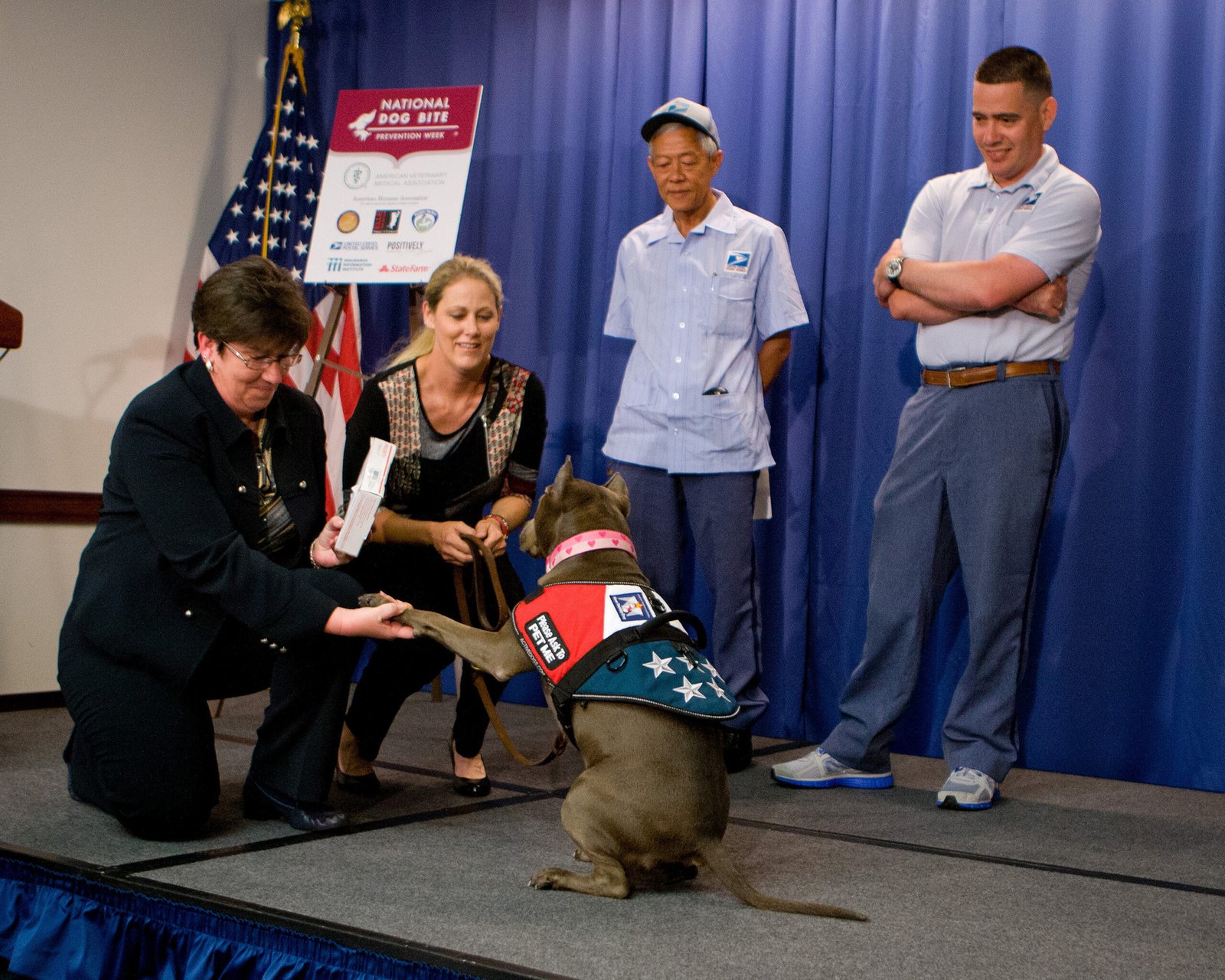
The debate over breed-specific legislation (BSL) is as heated as the summer sun. At the heart of this debate are two breeds that often find themselves under the spotlight: Pit Bulls and Rottweilers. Are these dogs fit for life in suburbia, or do they carry risks too great for community living? This article dives into the intricacies of breed bans, exploring whether these popular, yet often misunderstood, dogs belong in suburban neighborhoods.
Understanding Breed-Specific Legislation
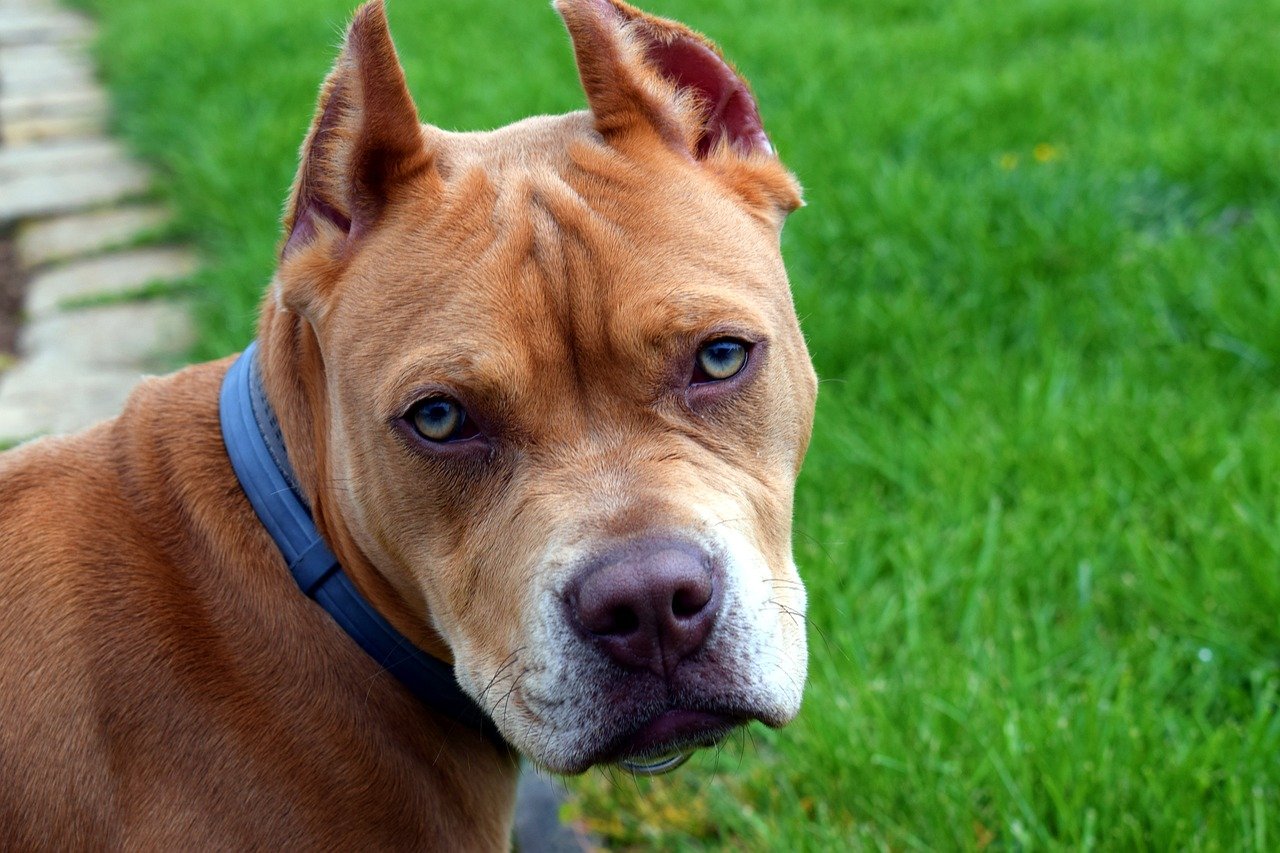
Breed-specific legislation is a law that prohibits or restricts certain dog breeds based on the belief that they are inherently dangerous. These laws often target breeds like Pit Bulls and Rottweilers. The aim is to reduce dog attacks and ensure public safety. However, many dog lovers argue that these laws are misguided. They believe that behavior is more about training and environment than genetics. For communities considering BSL, it’s a complex decision, balancing safety with the rights of responsible dog owners.
The History of Pit Bulls and Rottweilers

Pit Bulls and Rottweilers have storied pasts. Originally bred for bull-baiting, Pit Bulls were later used as farm dogs and family companions. Their loyalty and strength made them favorites among farmers. Rottweilers, on the other hand, have roots as Roman drover dogs, used to herd cattle and guard property. Both breeds have a history of working closely with humans, showcasing their intelligence and trainability. Despite their past, these breeds often face prejudice due to a few high-profile incidents.
The Media’s Role in Shaping Perceptions
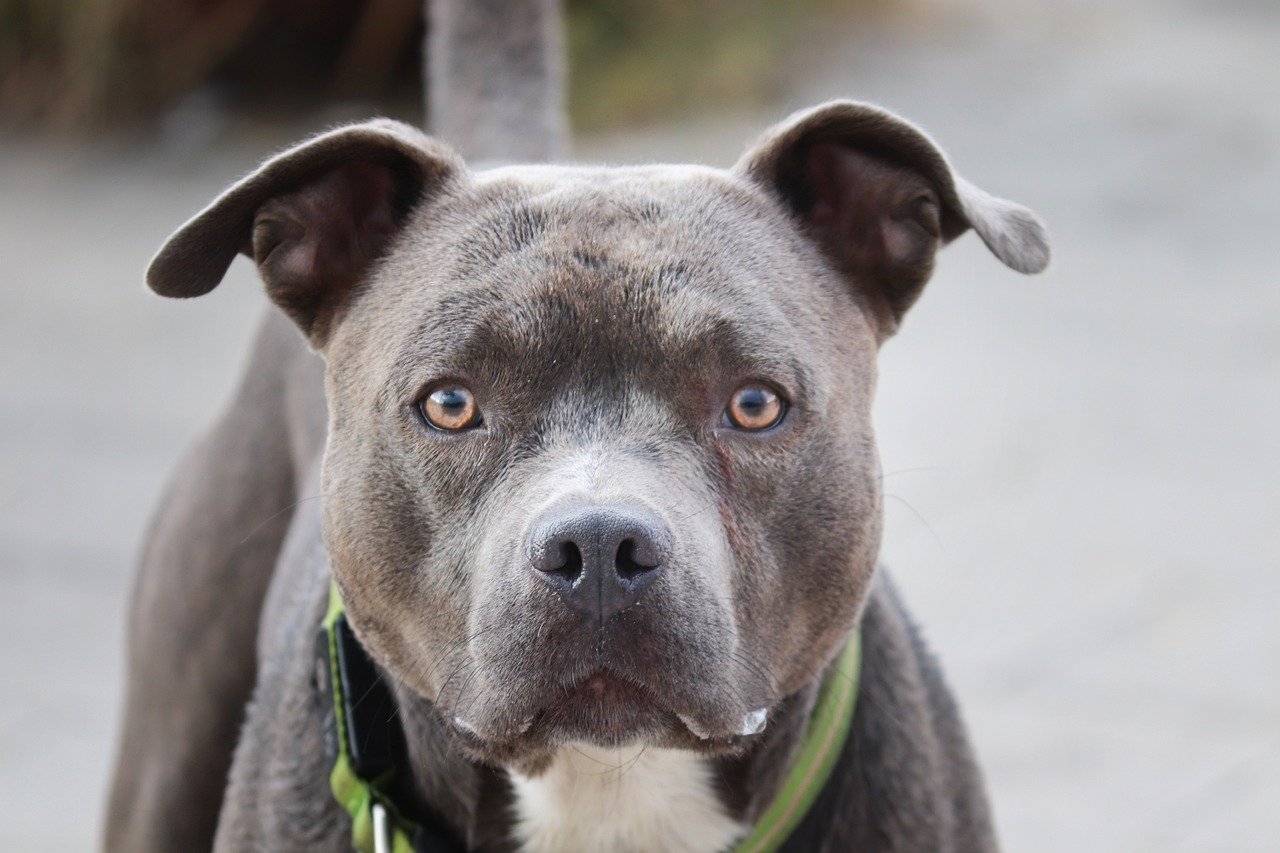
The media plays a significant role in shaping public perception of dog breeds. Sensational headlines often focus on attacks involving Pit Bulls and Rottweilers, painting them as inherently aggressive. This portrayal can lead to fear and misunderstanding. However, statistics show that these breeds are not more prone to aggression than others. It is essential for the media to present balanced stories, highlighting both positive and negative incidents, to provide a fair representation.
Behavioral Traits of Pit Bulls and Rottweilers

Both Pit Bulls and Rottweilers are known for their strength, intelligence, and loyalty. Pit Bulls are often described as affectionate and eager to please. They are known for their love of people and need for companionship. Rottweilers are confident and protective, often forming strong bonds with their families. Like any breed, their behavior is influenced by their upbringing and training. Proper socialization and training are key to ensuring these dogs are well-adjusted members of the community.
Training and Socialization: Keys to Success
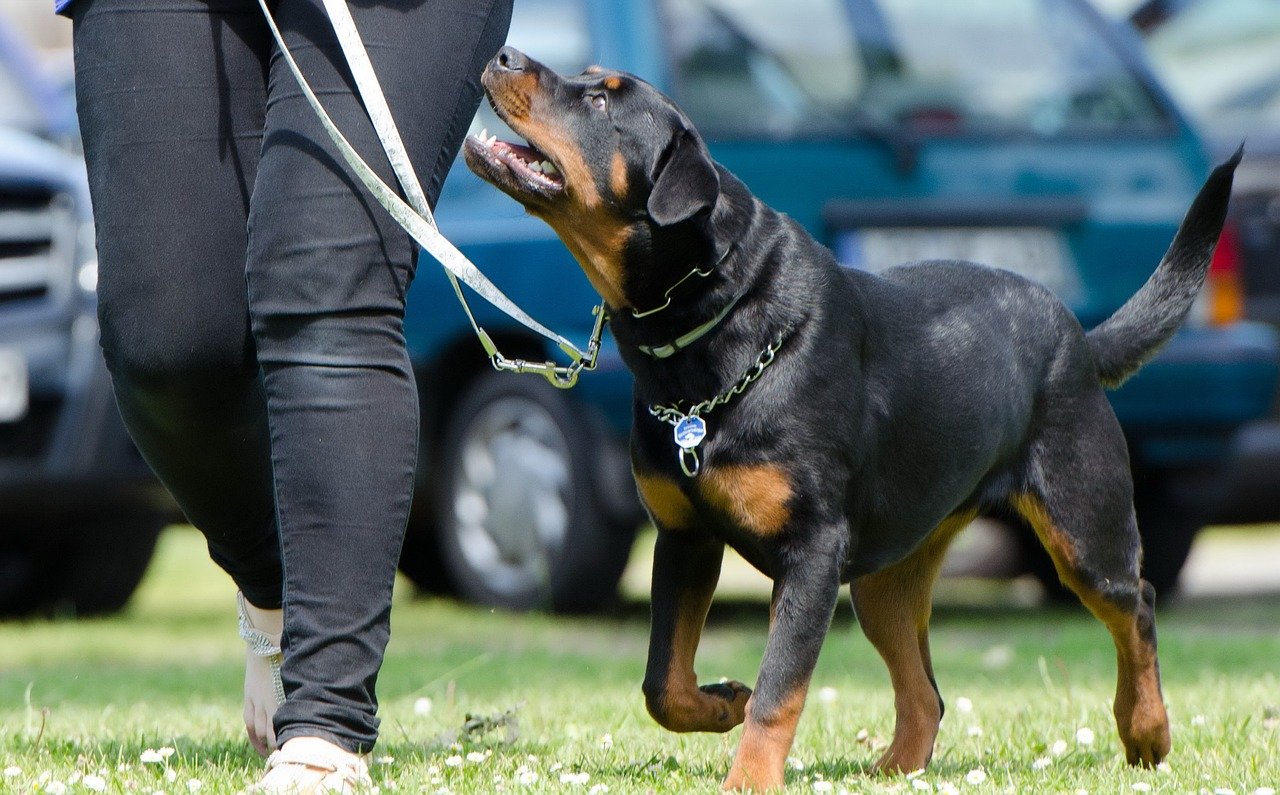
Training and socialization are crucial for any dog, but especially for breeds with strong personalities like Pit Bulls and Rottweilers. Early socialization helps dogs learn how to interact appropriately with people and other animals. Consistent, positive reinforcement training can address behavioral issues and reinforce good behavior. Owners should be committed to ongoing training to ensure their dogs are well-behaved and safe in any environment. Responsible ownership can make a significant difference in a dog’s behavior.
The Role of Responsible Ownership

Responsible ownership is vital for any dog breed, but it’s especially important for Pit Bulls and Rottweilers due to their strength and size. Owners should be committed to providing exercise, mental stimulation, and proper training. They should also be aware of local laws and regulations regarding their dogs. By being responsible, owners can help change public perception of these breeds and demonstrate that they can be loving, loyal companions.
Community Impact of Breed Bans

Breed bans can have a profound impact on communities. While they aim to increase safety, they can also lead to unintended consequences. For instance, they may increase the number of dogs in shelters, as owners are forced to give up their pets. They can also strain relationships between dog owners and non-dog owners. Communities must weigh the potential benefits against these challenges when considering breed bans. Open dialogue and education can help bridge the gap between differing opinions.
Finding Common Ground: Alternatives to Breed Bans
Instead of breed bans, communities can explore alternative solutions to ensure safety and harmony. These include promoting responsible ownership, offering education programs, and enforcing leash laws. By focusing on behavior rather than breed, communities can address the root causes of dog-related incidents. Encouraging positive interactions between dogs and the public can also help change perceptions. Working together, communities can find solutions that protect both people and pets.
The conversation around breed bans is complex, with valid points on both sides. By understanding the history, behavior, and role of responsible ownership, we can make informed decisions about the place of Pit Bulls and Rottweilers in suburbia. With education and open dialogue, communities can find solutions that ensure safety and harmony for all residents, both human and canine.


