
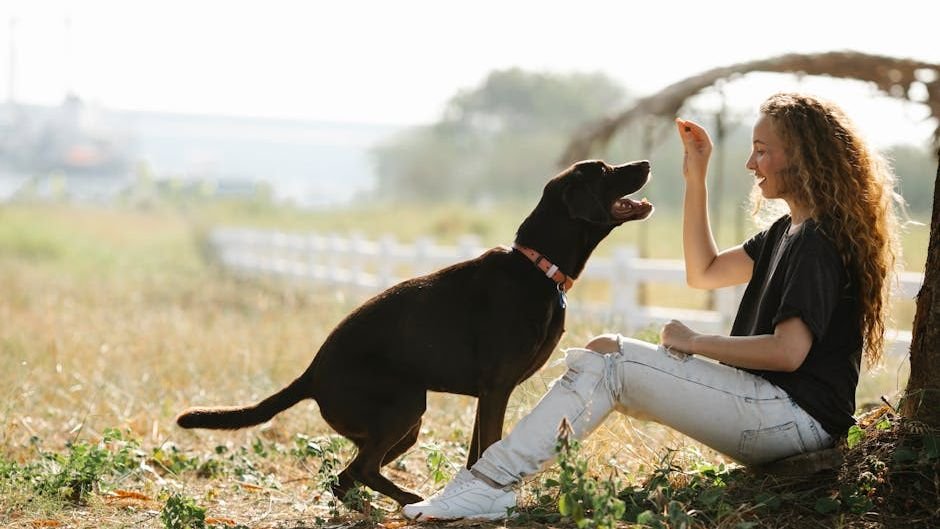
Imagine coming home after a long, exhausting day, and the one being in the world who greets you with pure, unconditional joy is your dog. No judgment, no grudges, just a wagging tail and those soft, hopeful eyes. It’s one of the most beautiful things in the world. Yet here’s something many dog owners never stop to consider: that enthusiasm, that deep loyalty, that willingness to follow you anywhere? None of it is automatic. It’s earned. Every single day.
The truth is, the relationship between you and your dog is something you actively build, moment by moment, interaction by interaction. It’s not about grand gestures or expensive toys. It’s about the quality and consistency of your daily presence. Whether you’ve just welcomed a new puppy, adopted a rescue with a complicated past, or have a longtime companion you want to connect with more deeply, this guide is for you. Get ready, because some of what you’re about to read might genuinely surprise you. Let’s dive in.
Understanding What Trust Actually Means to Your Dog
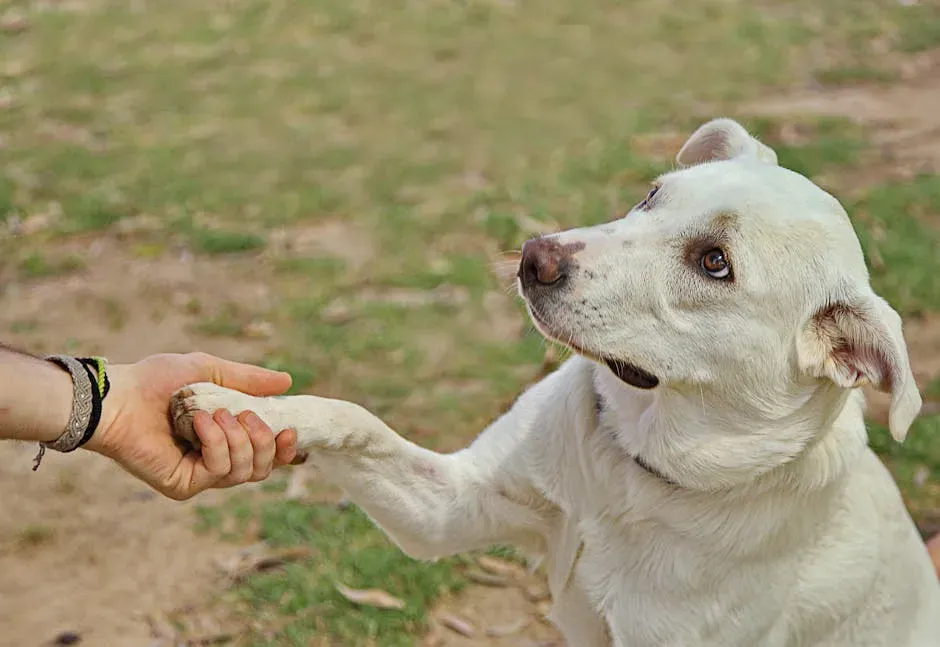
Most people think a dog that wags its tail and obeys commands must trust them completely. Honestly, that’s a bit of an oversimplification. Understanding whether your dog truly trusts you goes beyond basic obedience or tail wagging. Scientific research has shown that dogs display specific behavioral and physiological signals when they’ve developed a deep bond of trust with their human companions. The difference matters enormously, because surface-level compliance isn’t the same as deep, secure trust.
Trust transforms a dog from a pet you own into a true companion. Without trust, training becomes a battle, daily care turns stressful, and your dog may develop anxiety or behavioral problems. Think about it like a house built on sand versus stone. The foundation you lay right now determines everything that comes after.
Trust also impacts your dog’s overall wellbeing. Dogs who trust their owners show lower stress levels, adapt better to changes, and recover faster from scary experiences. They sleep more soundly, eat more consistently, and play more enthusiastically. That’s not a small thing. That’s your dog’s entire quality of life.
Learning to Read Your Dog’s Body Language

Here’s the thing: your dog is talking to you all the time. The problem is, most of us aren’t fluent in the language. Dogs communicate their wants, needs, happiness and fear primarily through body language. A wagging tail might seem obvious, but the full picture is far more nuanced than that.
Understanding pet body language is essential for interpreting how your dog feels and knowing how to react. Dogs speak volumes through posture, tail movement, facial expressions, and even ear position. A tucked tail, averted eyes, yawning outside of tired moments, or lip licking are all stress signals that are easy to miss. Recognizing signs of stress such as lip licking, yawning, and whale eye, alongside signs of comfort like relaxed posture and a wagging tail, allows you to adjust your approach accordingly.
Learning to read your dog’s non-verbal cues allows you to respond more effectively to their needs and emotions. This attentiveness builds a deeper bond of trust and understanding between you and your pet, enhancing the quality of your shared life. When your dog knows you’re listening, even without words, they begin to feel genuinely seen. That feeling is the very beginning of real trust.
The Power of Consistency and Routine
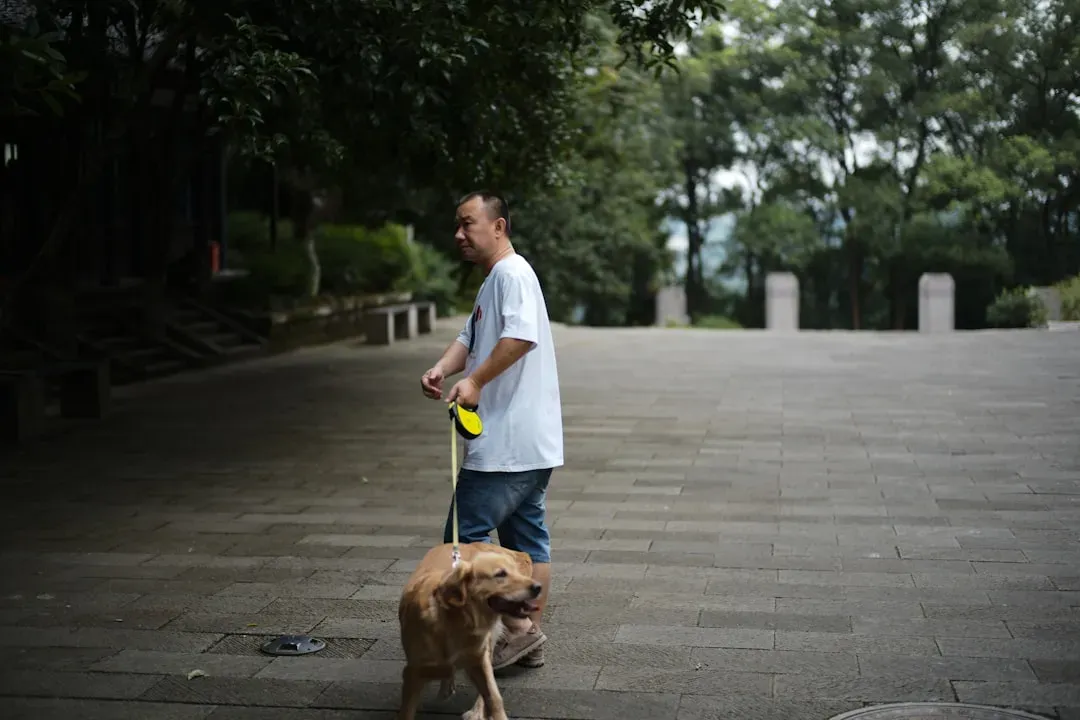
Dogs, let’s be real, are creatures of habit in the most profound way. They find deep comfort in knowing what comes next. Being consistent promotes predictability, which fosters trust. Maintaining a consistent routine with things like feeding schedule, walk times, and play sessions allows your dog to have the same expectations throughout their day, building their confidence and reducing any unexpected changes that might upset their sense of well-being.
Dogs thrive on routine. A consistent schedule for feeding, walking, and playtime provides a sense of security and predictability. This regularity helps in building trust as your dog learns to rely on you for their needs. It’s the canine equivalent of someone always keeping their promises. Over time, your dog stops wondering what’s coming and starts trusting that you’ve got it handled.
Being consistent with your dog during interactions and training is a great way to earn their trust. Dogs may struggle to trust you if you are inconsistent with your behavior, moods, and training methods. They do not know what to expect from you, which starts to affect trust in the relationship. Inconsistency, even when well-intentioned, is genuinely confusing for dogs and quietly erodes the bond you’re trying to build.
Positive Reinforcement: Why Kindness Always Wins
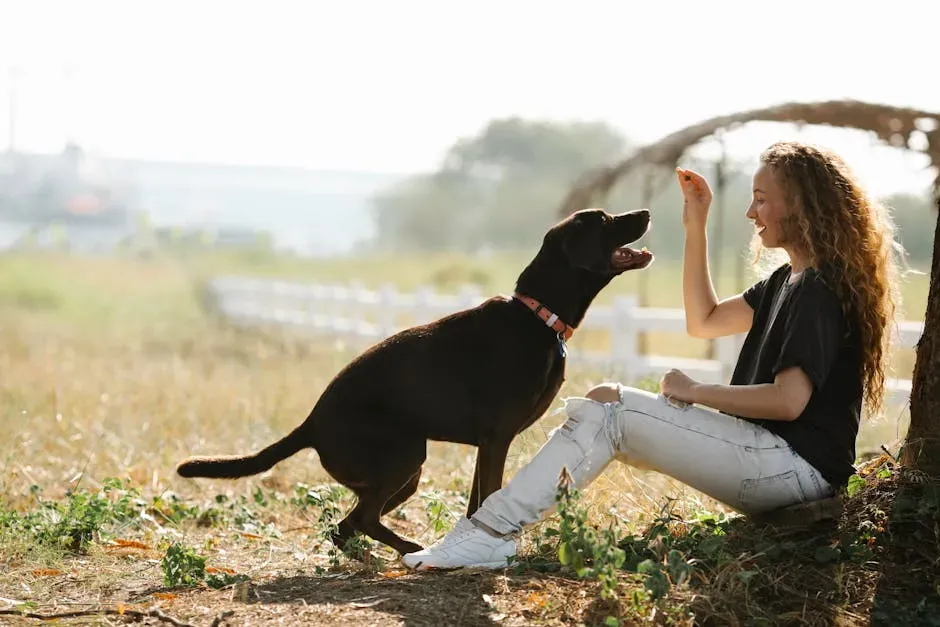
This might be the most important section in this entire article, so pay close attention. Avoid punishment-based methods, which can damage trust and create confusion or fear. Instead, focus on consistency, patience, and celebrating progress. The science here is unambiguous, and there really is no room for debate on this one.
Positive reinforcement is one of the most effective ways to build trust and encourage good behavior. Reward your dog with treats, praise, or affection when they exhibit positive behaviors. The timing matters too. Reward your dog immediately after they perform a desired behavior to help them associate the action with the positive outcome. Think of it like applause right after the performance, not ten minutes later.
Play allows the dog to forget about stress and releases feel-good hormones, like dopamine. As long as the dog is enjoying the playtime, it acts as a definite confidence builder. So the next time you toss a ball or engage in a silly game of tug, know that you’re doing something genuinely powerful for your dog’s emotional health. Consistency is key. Rewarding desired behavior daily strengthens trust and communication.
Respecting Boundaries and Letting Your Dog Lead
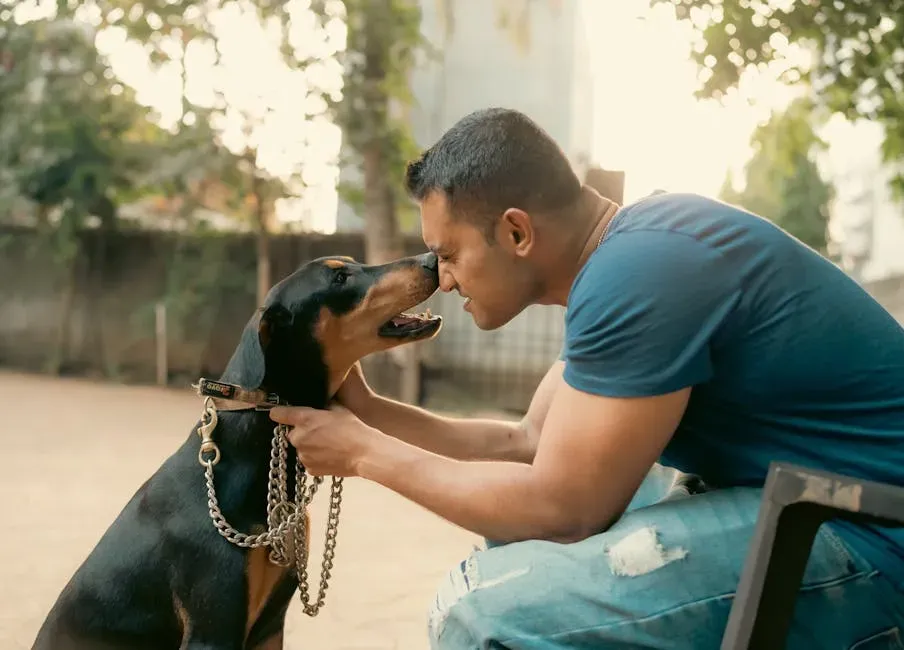
This is the part most dog owners get wrong, often with the very best intentions. We hug our dogs because we love them. We lean over them. We approach fast because we’re excited to see them. But here’s what the research tells us. Many human behaviors may be concerning as humans tend not to necessarily understand the body language shown by dogs when interacting with them. A high number of stress behaviors have been observed, which can cause feelings of discomfort, anxiety, fear, distress, and confusion in a dog and may result in a fractured human-dog bond.
Observe your dog as you touch them and try using the “consent test” to see if your dog is comfortable with the interaction. Count to three while petting them, then stop and see if they lean in for more petting or show you they’re enjoying the attention. If they choose to move away or show signs of fear and anxiety, let them end the interaction. It sounds almost too simple. Still, it changes everything when you actually practice it consistently.
When your dog learns they have a say, they relax. When they know you’ll respect their communication, they trust you more. Choice, it turns out, is one of the most powerful gifts you can give your dog. Letting them approach on their terms, sniff what they want to sniff, and say “no thanks” to an interaction builds a kind of trust you simply cannot manufacture through force.
The Science of Connection: Oxytocin, Eye Contact, and Shared Moments
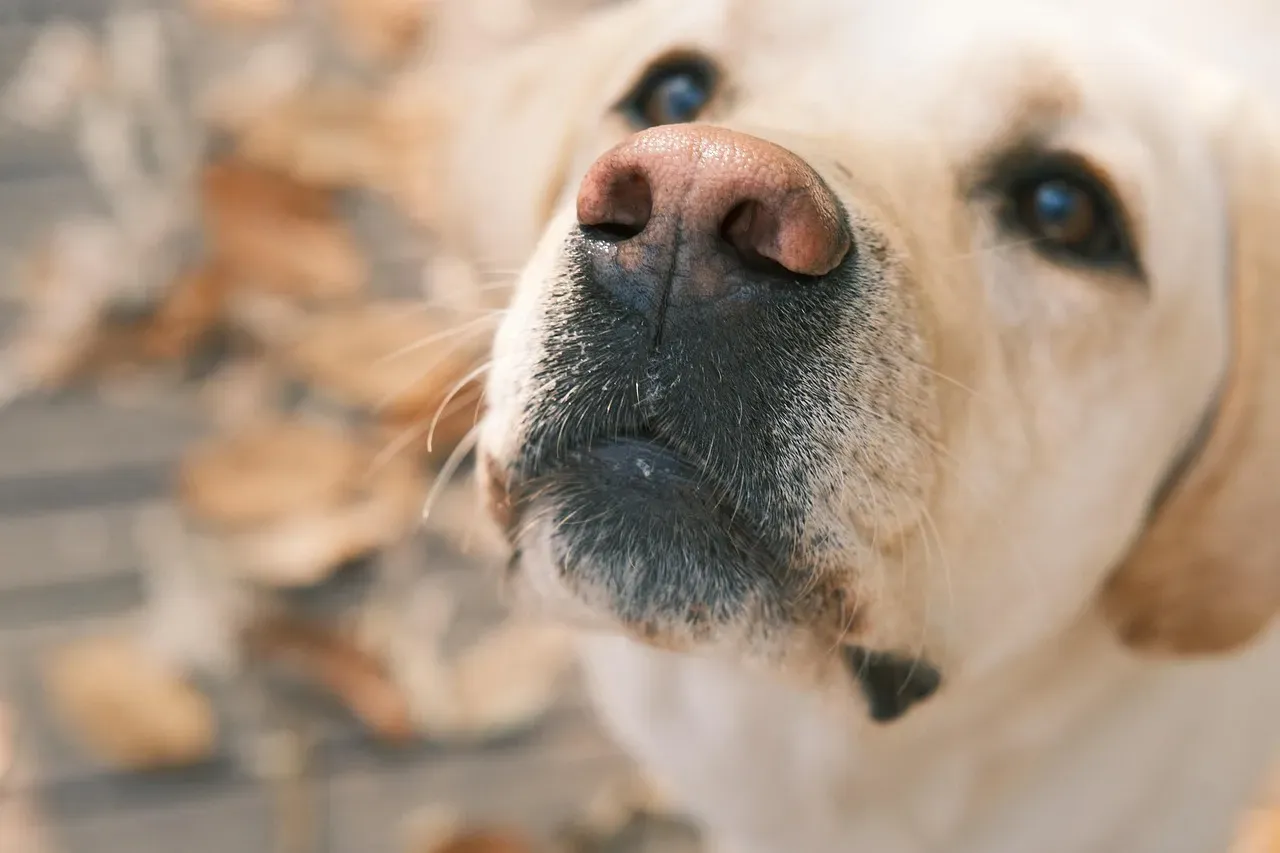
I know it sounds a little scientific for a conversation about cuddles and walks, but stay with me here because this is genuinely fascinating. Oxytocin, the so-called “love hormone,” plays a central role in forging and maintaining the emotional bond between dogs and their owners. Studies from universities such as the University of Tokyo and Duke University show that when dogs and humans look into each other’s eyes, oxytocin levels spike in both, creating a positive feedback loop that cements their bond.
When a dog exposes their belly or turns their back to you, they’re showing ultimate trust because these positions make them vulnerable. This behavior indicates they feel completely safe in your presence. That belly-up moment on the living room floor is basically your dog saying, “I trust you with my life.” Don’t take that lightly. Another vulnerable time for a dog is when they are asleep. Historically, wolves and dogs used to sleep close together with other pack members to ensure trust and protection.
Connection isn’t built only through training or play. A lot of it comes from just hanging out. Just being there. Sitting on the floor beside your dog while they chew a toy, watching something on television with them snoozing nearby, these small, quiet moments are not wasted time. They’re the raw material of a deep, lasting bond. Ending the day with calm interactions strengthens the emotional bond and helps your dog feel safe and loved. Over time, your dog will learn that both mornings and evenings are special times shared with you.
Conclusion: Every Day Is a New Chance to Earn It
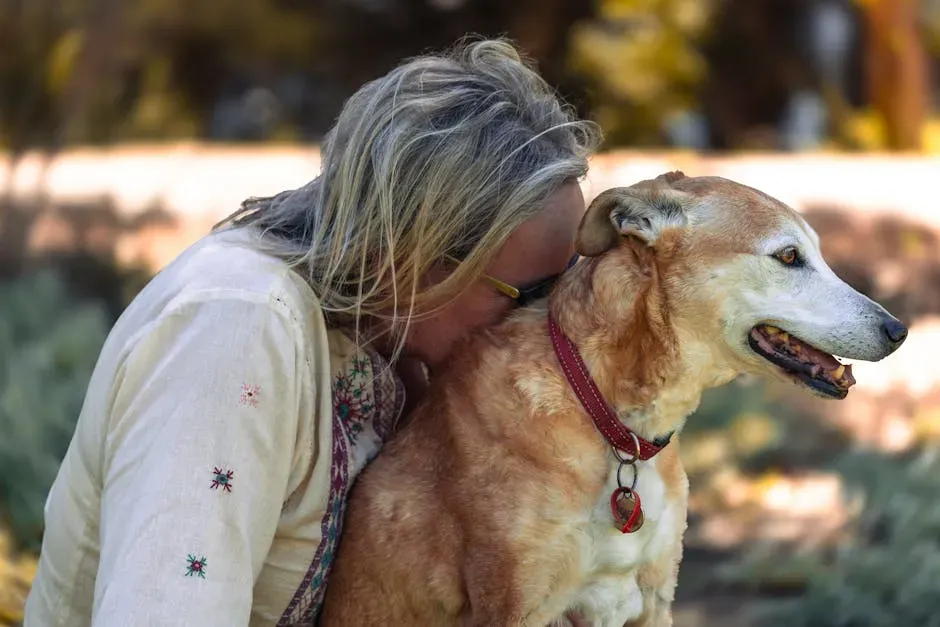
Trust between you and your dog is never a destination you arrive at and then forget about. It’s a living, breathing thing that needs daily tending. Some days you’ll nail it. Other days you’ll be tired and distracted and a little short on patience. That’s okay. Building a strong bond with your dog doesn’t happen overnight. Every dog is different, some are naturally cuddly and eager to please, while others take time to warm up. Recognize that progress may not happen as quickly as you want it to, but that’s okay. The key is to be present, patient, and attuned to your dog’s needs.
Trust can be damaged but also repaired. If your relationship with your dog has trust issues due to past mistakes or their history before you, patient, consistent positive interactions can rebuild that bond over time. That’s one of the most hopeful things about dogs. They are remarkably forgiving when you show up with good intentions and follow through.
The bond you share with your dog is genuinely one of the most profound relationships available to human beings. It’s simple, it’s honest, and it asks nothing more from you than to show up, pay attention, and be kind. Every morning walk, every gentle grooming session, every moment you choose patience over frustration, these things add up to something extraordinary over time.
So here’s your takeaway: your dog is already giving you everything they have. The question worth sitting with is, are you giving them the consistency, respect, and presence they deserve in return? What do you think? Tell us in the comments how you’re building trust with your dog every day.


