
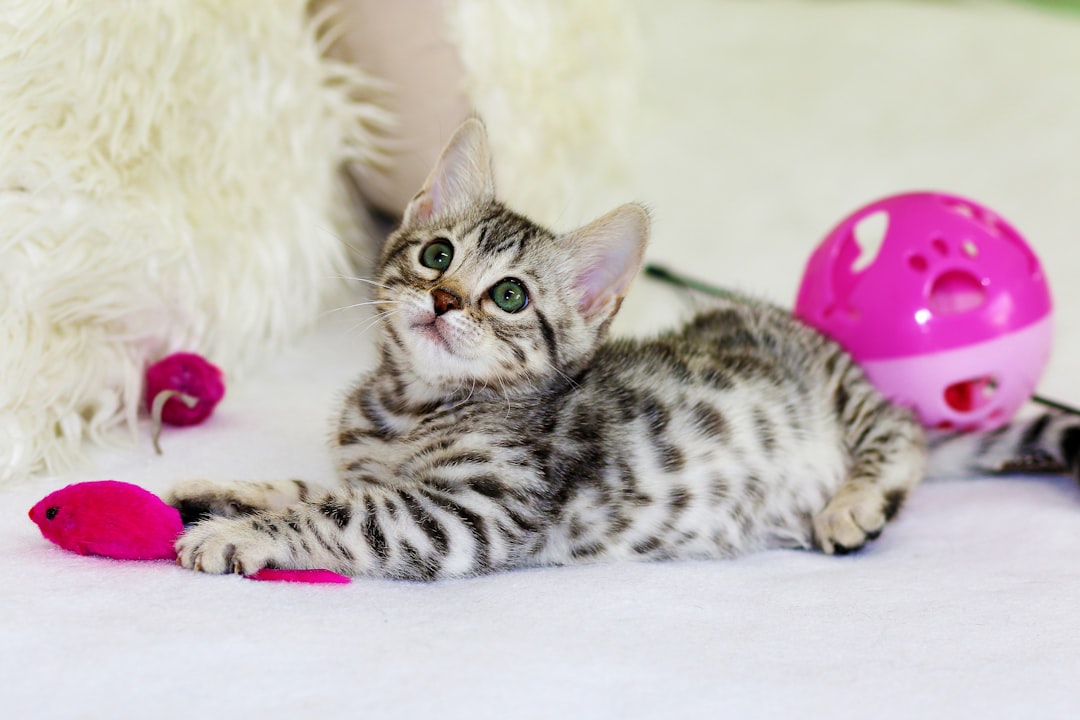

Cats have long been subjects of fascination and intrigue. Known for their independent nature and unique personalities, cats often become cherished members of our families. But have you ever wondered if a cat’s personality can change over time? This article seeks to explore this intriguing question. Let us look into the various factors that might influence a shift in feline behavior. Get ready to embark on a journey through the mysterious world of cats and their ever-evolving characters.
The Nature of Feline Personalities
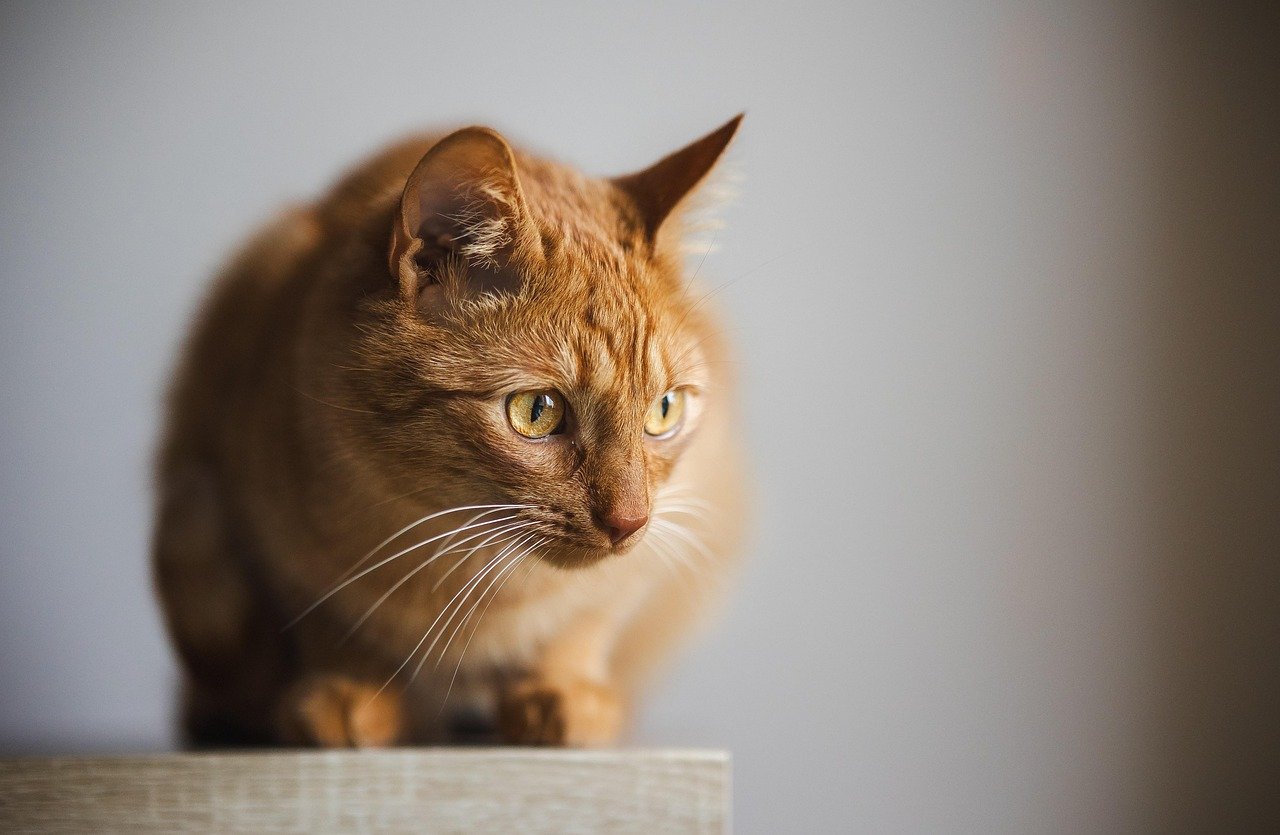
Cats, much like humans, have distinct personalities. Some are affectionate and clingy, while others are aloof and independent. These differences can be attributed to a variety of factors, including genetics, early socialization, and individual experiences. When we talk about a cat’s personality, we’re often referring to their behavior patterns, how they interact with their environment, and how they respond to stimuli. Understanding these basic aspects of feline nature can help us better comprehend any changes that may occur over time.
Early Socialization and Its Impact
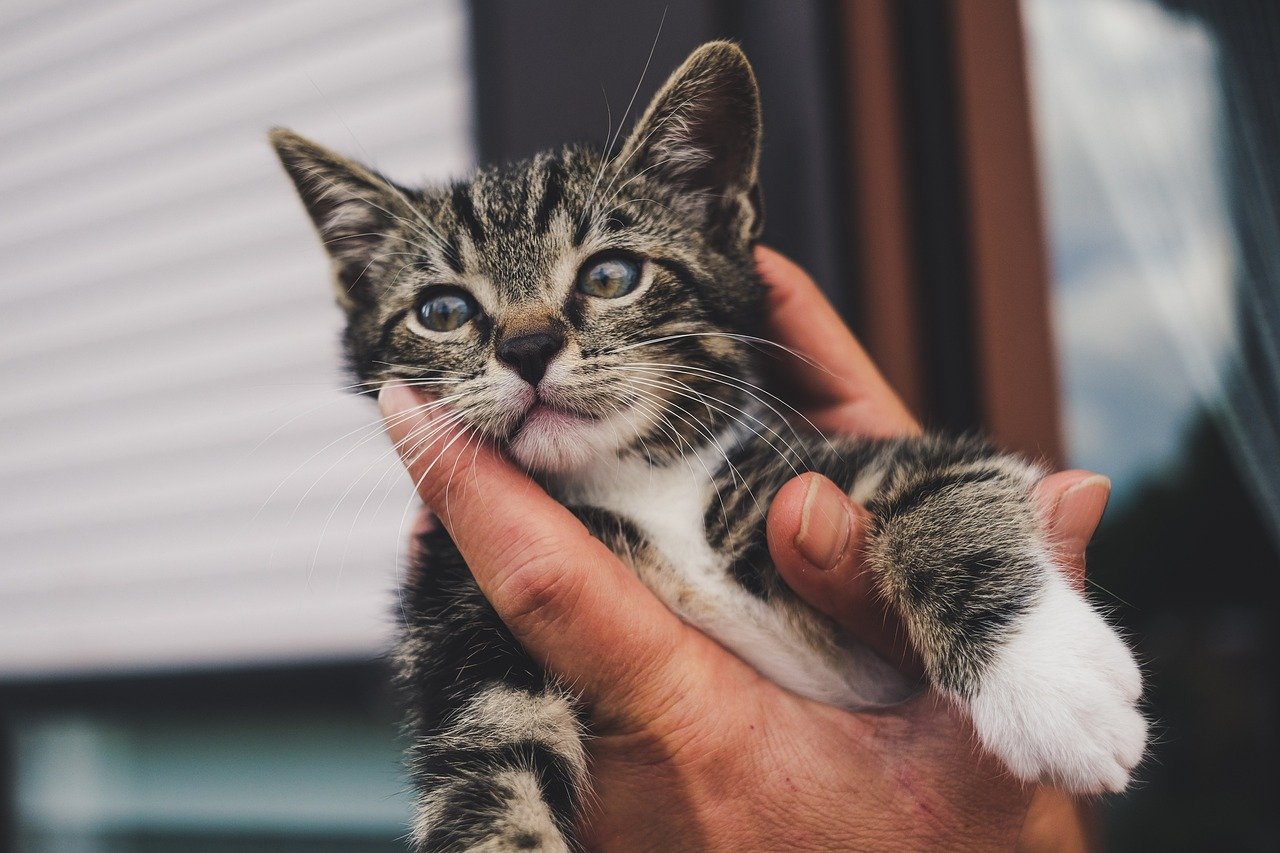
The early weeks and months of a cat’s life are crucial in shaping their personality. Kittens that are exposed to a variety of sights, sounds, and experiences are often more adaptable and sociable as adults. Socialization with humans and other animals during this formative period is essential. A kitten that is handled gently and frequently is likely to grow into a friendly and confident cat. Conversely, a lack of early socialization can result in a more reserved or anxious feline. This foundational stage sets the tone for the cat’s personality, but it is not the only determining factor.
Environmental Influences on Behavior
The environment in which a cat lives can significantly impact its behavior and personality. A stimulating environment with plenty of opportunities for play and exploration can promote a curious and active demeanor. On the other hand, a stressful or restrictive environment may lead to anxiety or aggression. Changes in a cat’s surroundings, such as moving to a new home or the introduction of a new pet, can also result in temporary or lasting shifts in behavior. It’s essential to provide a stable and enriching environment to support a cat’s well-being.
Health and Its Role in Personality Changes
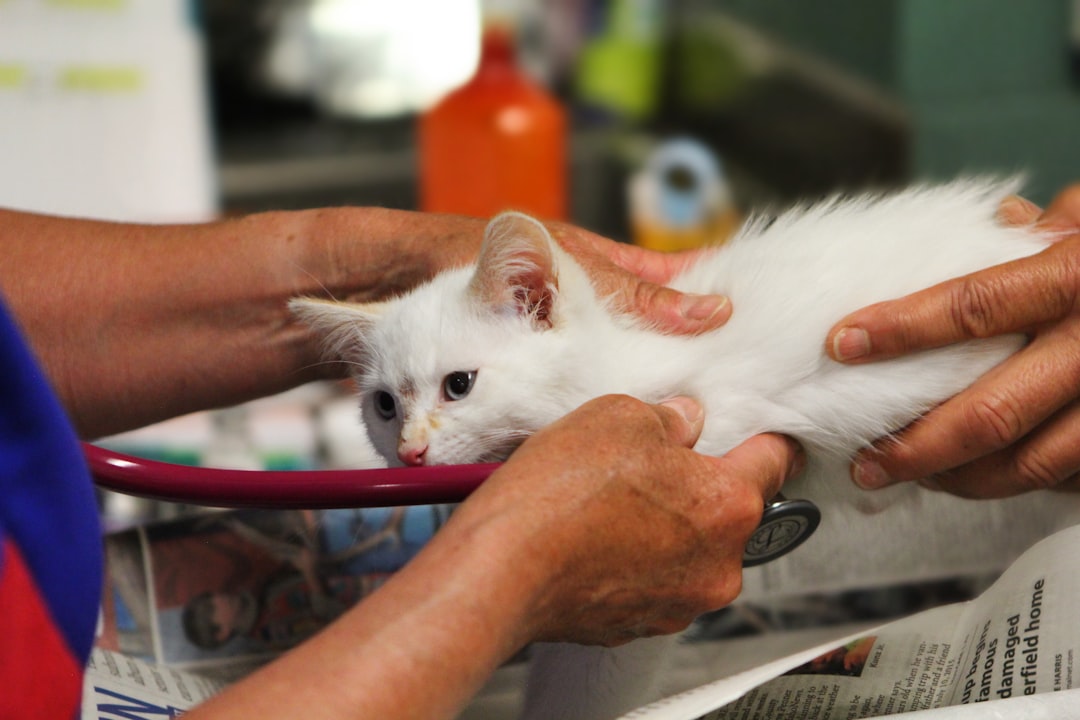
A cat’s health can play a significant role in their behavior. Illness or pain can cause a normally friendly cat to become withdrawn or irritable. Regular veterinary check-ups are crucial to ensure that any underlying health issues are addressed promptly. Conditions such as arthritis, dental problems, or thyroid imbalances can lead to noticeable changes in a cat’s personality. By maintaining a close eye on their health, you can help preserve your cat’s quality of life and minimize any negative behavioral shifts.
The Influence of Aging on Feline Personality
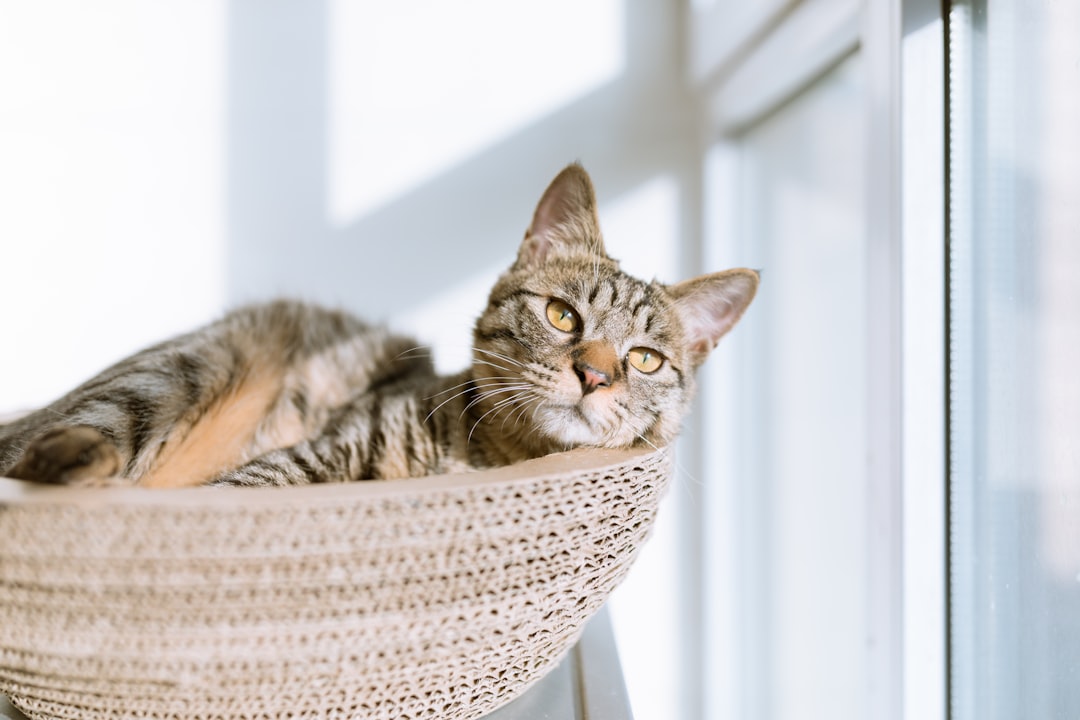
As cats age, they often experience changes in their behavior and personality. Senior cats may become more sedentary and less interested in play. They might also become more affectionate, seeking comfort and warmth from their human companions. These changes are a natural part of the aging process and can be attributed to a variety of factors, including decreased energy levels and changes in sensory perception. Understanding and accommodating these shifts can help ensure that your aging cat remains happy and comfortable.
The Role of Human Interaction

The relationship between a cat and its human can profoundly impact its personality. Cats that receive regular attention, affection, and positive reinforcement are likely to be more trusting and sociable. On the other hand, negative interactions or neglect can lead to fearfulness or aggression. Consistent, gentle handling and respect for a cat’s boundaries are key to fostering a positive relationship and supporting a stable personality.
Stress and Its Effects on Behavior
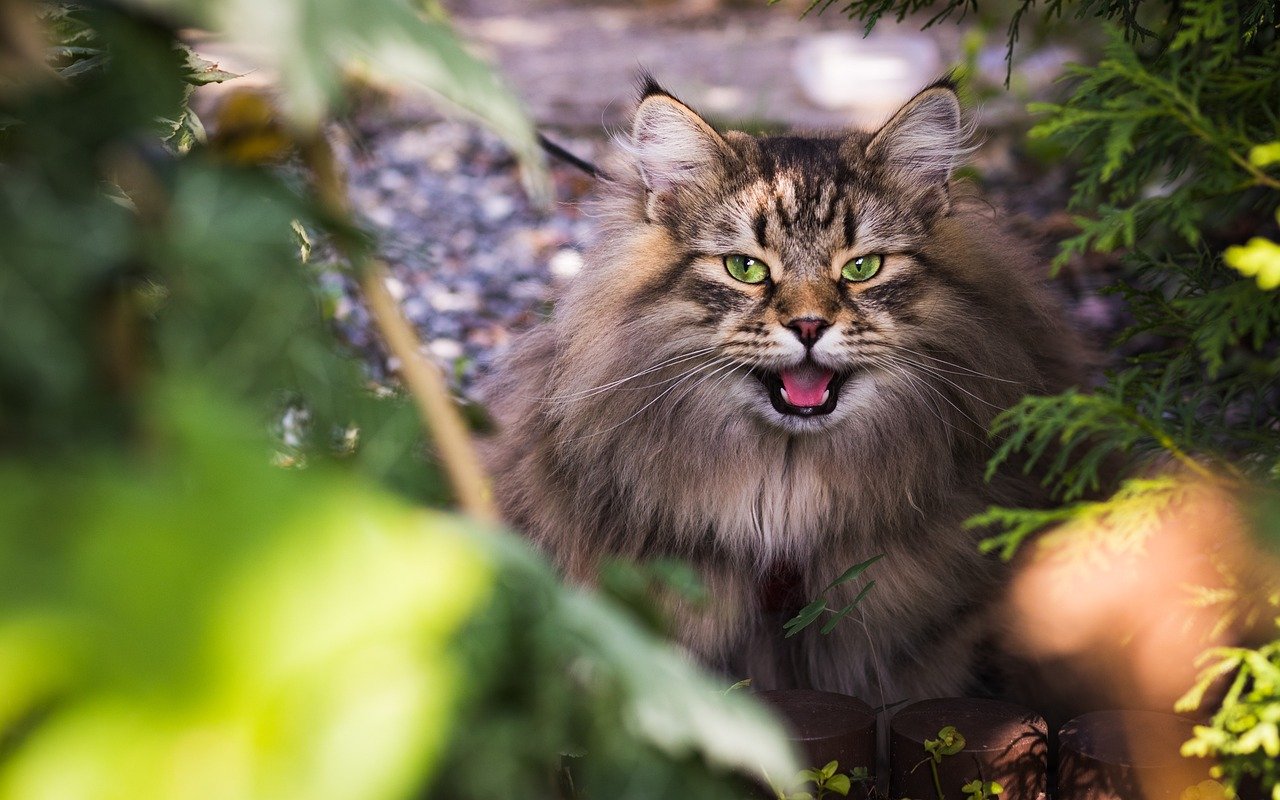
Stress is a significant factor that can lead to changes in a cat’s personality. Cats are sensitive creatures, and even small changes in their environment can be stressful. Common stressors include loud noises, unfamiliar people, or changes in routine. Chronic stress can lead to behavioral issues such as aggression, withdrawal, or inappropriate elimination. Identifying and mitigating sources of stress is vital for maintaining a happy and well-adjusted cat.
Recognizing Temporary vs. Permanent Changes
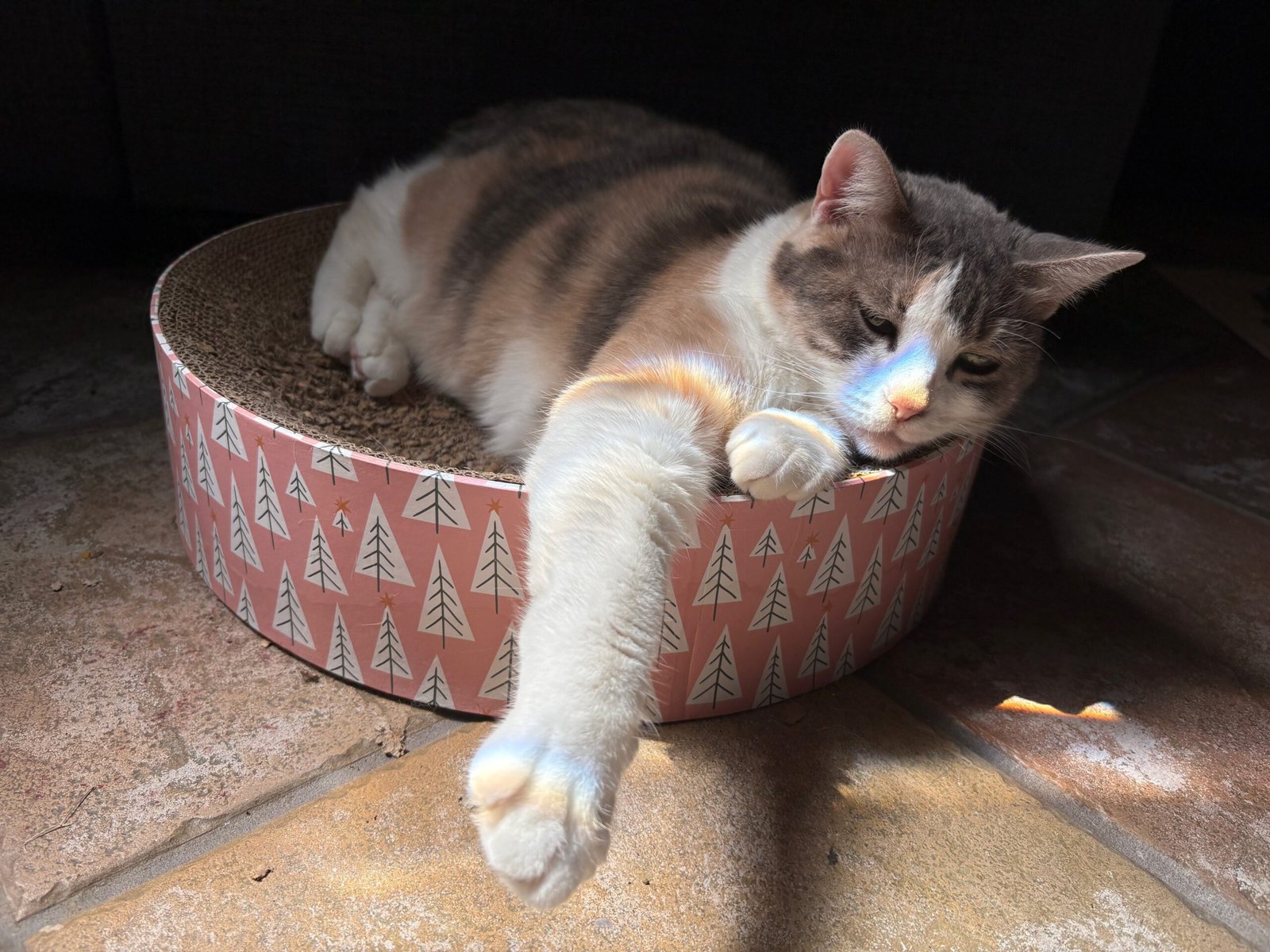
Not all changes in a cat’s behavior are permanent. Temporary shifts can occur due to factors like stress, illness, or environmental changes. Recognizing the difference between temporary and permanent changes can help you address any underlying issues effectively. If you notice a sudden change in your cat’s behavior, it’s essential to consider potential causes and consult with a veterinarian if necessary.
How to Support Your Cat Through Changes
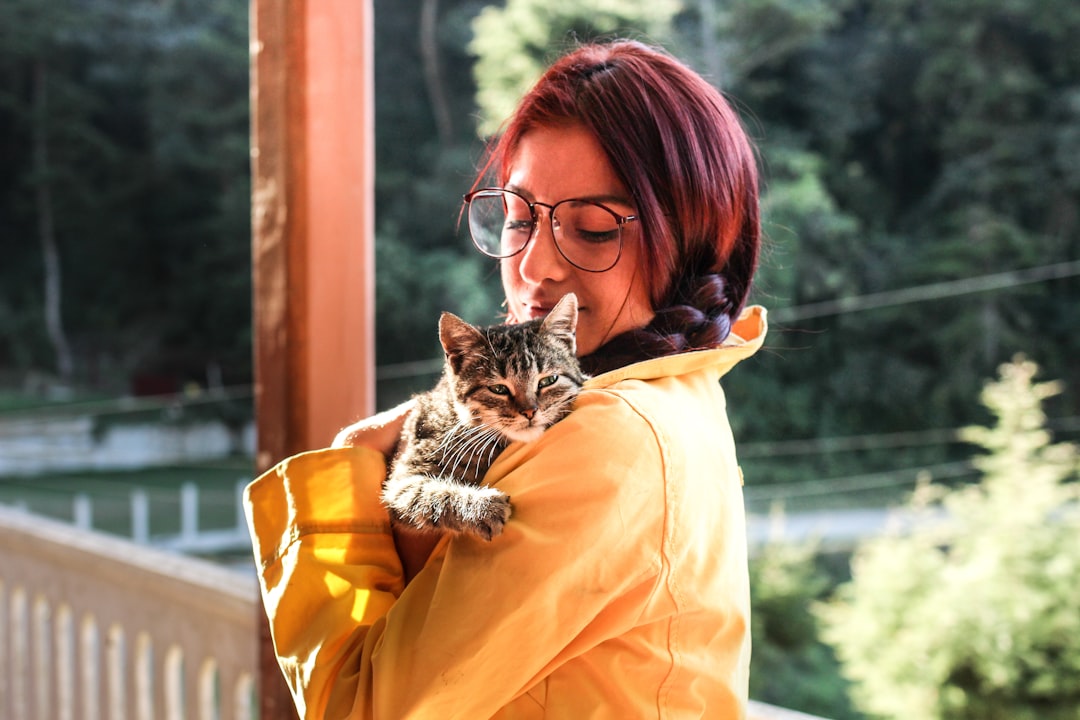
Supporting your cat through changes in their personality requires patience and understanding. Providing a stable and nurturing environment is crucial. Ensure that your cat has access to a safe space where they can retreat if they feel overwhelmed. Regular playtime and interaction can also help alleviate stress and promote a positive outlook. Remember, each cat is unique, and understanding their individual needs is key to supporting them through any changes.
Conclusion
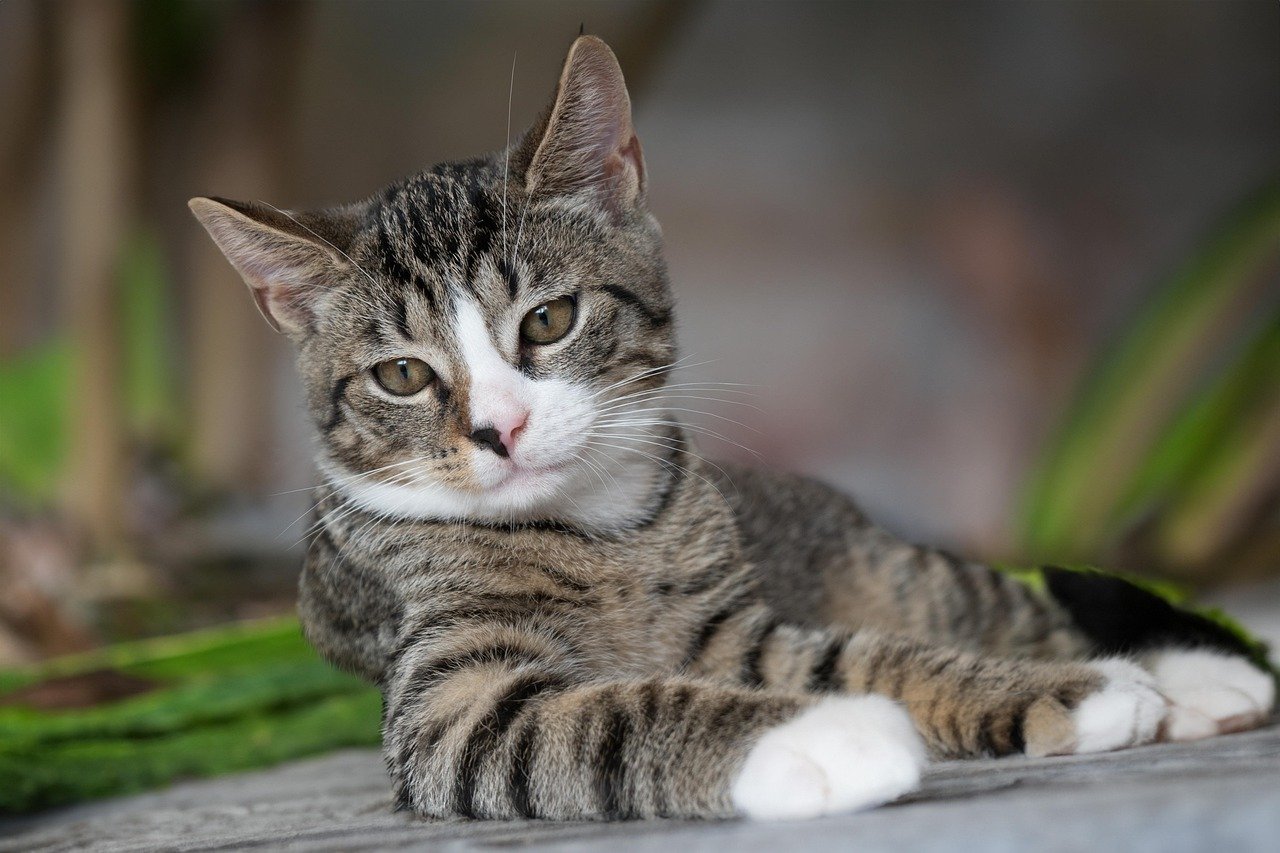
A cat’s personality can indeed change over time. This can be influenced by a variety of factors such as early socialization, environment, health, and human interaction. These changes are a natural part of a cat’s life, and understanding them can help strengthen the bond between you and your feline companion. By providing love, care, and attention, you can help your cat navigate the complexities of life, ensuring they lead a happy and fulfilling existence.
Born and bred in South Africa, a Capetonian at heart. Amy-Leigh’s love for nature and animals was inherited from her Dad. He loves taking the family on road trips to experience nature at its finest; Amy-Leigh’s favourite being whale watching in Hermanus and spotting Kudu along the West Coast. Amy-Leigh holds a BA in English Literature and Communication Studies.


