

Ever wondered if you could share that delicious bread with your furry best friend? You’re not alone. This question has sparked countless debates among dog parents, vet visits, and late-night Google searches. The simple answer is no, dogs shouldn’t . Yet here’s where things get tricky – the internet is flooded with conflicting information, horror stories, and even some claims that small amounts might be beneficial.
So let’s clear the air once and for all. What really happens when your dog gets into that leftover pasta or snatches a piece of bread? Let’s dive into the real facts about and your dog’s health.
What Makes Dangerous for Dogs

contains thiosulfate, which is toxic to dogs but not to humans. All forms – dried, powdered, liquid, cooked, or raw – are poisonous to your dog. Think of it like chocolate poisoning, but for a different reason.
The sulphuric compounds in are absorbed into the gastrointestinal tract and changed into reactive oxidants, which damage your dog’s red blood cells. These compounds cause a chemical change to the red blood cell membranes, making them fragile due to direct oxidative damage until they burst.
This process results in hemolytic anemia, where the body doesn’t have enough healthy red blood cells to carry oxygen effectively throughout the body. Without enough oxygen reaching vital organs, serious complications can arise.
is actually three to five times more toxic than onion, making it particularly concerning when dogs consume it accidentally.
How Much Is Actually Toxic

Here’s where science gets interesting. Scientific studies have found it takes approximately 5 to 15 grams of per kilogram of body weight to produce harmful changes in a dog’s blood. The average clove of supermarket weighs between 3 and 7 grams, so your dog would have to eat a lot to get really sick.
Let’s put this in perspective. For a 50-pound dog (about 22.7 kg), 5 to 15 grams per kilogram would equal 114 to 340 grams of in total. That means a 50-pound dog would need to eat around 23 to 68 cloves of to reach the toxic dose.
Still, this doesn’t mean is safe. Some dogs are more sensitive to toxicity than others, and consumption of a toxic dose spread out over a few days could also cause problems. toxicity can also be cumulative, meaning even small amounts consumed repeatedly can cause toxic effects.
Some breeds may reportedly have varying sensitivities to toxicity, though this is not definitively established. Your adorable pup’s genetics might make them more vulnerable than others.
Warning Signs Your Dog Ate Too Much

The scary thing about poisoning? This delayed reaction makes it particularly dangerous, as pet parents might not connect later symptoms with earlier consumption. Watch your dog closely for several days if you suspect they’ve eaten .
Mild toxicity may cause drooling, bad breath, or soft stool. Some dogs might show decreased appetite or mild low energy that could be mistaken for a simple upset stomach. Don’t brush these off as nothing serious.
Symptoms of anemia in dogs include pale mucous membranes, rapid breathing, lethargy, weakness, jaundice, and dark urine. toxicity also causes symptoms of gastrointestinal upset, including vomiting, diarrhea, loss of appetite, abdominal pain, depression, and dehydration.
Serious poisoning presents with pale or yellow gums, rapid breathing, and extreme weakness. Dark-colored urine or yellowing of the eyes or gums are also serious warning signs. These symptoms may indicate that your dog’s red blood cells are being damaged by the toxic compounds in .
Different Forms of and Their Dangers

Dried and powdered ingredients, including dried minced onions and powder, contain a higher concentration of substance on a per-weight basis due to the water content being removed. For example, one teaspoon of powder is equivalent to two to three cloves of fresh . Thus, this type of exposure can result in a higher risk of poisoning.
That innocent-looking powder in your spice cabinet? It’s actually way more dangerous than fresh cloves. powder and salt are more concentrated forms of , meaning smaller amounts of these substances can lead to toxic effects for your pet. Most toxicities noted in pets are caused by used in these forms in food.
Dogs should not have bread. The is toxic and the fat in the butter isn’t good for your dog, either. This may lead to vomiting, diarrhea, or pancreatitis. It’s a double whammy of problems waiting to happen.
Cooking does not reduce its toxicity to dogs. So whether it’s roasted, sautéed, or baked into bread, the danger remains the same for your four-legged friend.
What to Do If Your Dog Eats

Don’t panic, but do act quickly. You should call your vet or an emergency vet immediately. Having a vet on the phone will allow you to make the next steps under a professional’s instruction. Time really matters in these situations.
If eaten within the past two hours, vomiting will likely be induced to remove the stomach contents. After inducing vomiting, your vet may administer activated charcoal to bind any toxins not removed during vomiting. Please note that you should never induce a dog’s vomiting without a vet’s instruction.
Take note of what type of your dog has eaten and approximately how much. Knowing these things along with your dog’s weight will be useful to the vet. It is also a good idea to take note of how your dog is acting after eating . This could give you some clues as to if your dog is experiencing poisoning or not.
If your pet eats a large quantity of , do not wait to see signs of illness. Some symptoms of toxicity can be delayed for a few days and will require extensive and expensive treatment if not treated immediately. Better safe than sorry when it comes to your beloved companion.
Treatment and Recovery Outlook

The veterinarian may perform standard blood and urine tests to ensure that no signs of toxicity – such as electrolyte abnormalities, changes to the number of red blood cells, or liver damage – are present. These tests help determine the severity of the situation.
Your veterinarian might recommend intravenous fluids to keep them hydrated and may prescribe medication to deal with vomiting. In severe cases, blood transfusions might be necessary. The treatment intensity depends on how much was consumed and your dog’s individual response.
Even though poisoning is a serious condition, it is rare for a dog in good health to die from this, and almost all dogs recover fully with treatment. Once your veterinarian believes the is out of your dog’s system, you will be able to return home, with instructions on how to care for your dog.
If you get your dog to the vet quickly, it’s likely your dog will make a full recovery from a mild toxicity. Dogs who have developed severe side effects have a more guarded prognosis and may need more involved care. Early intervention makes all the difference.
Prevention Is Your Best Defense
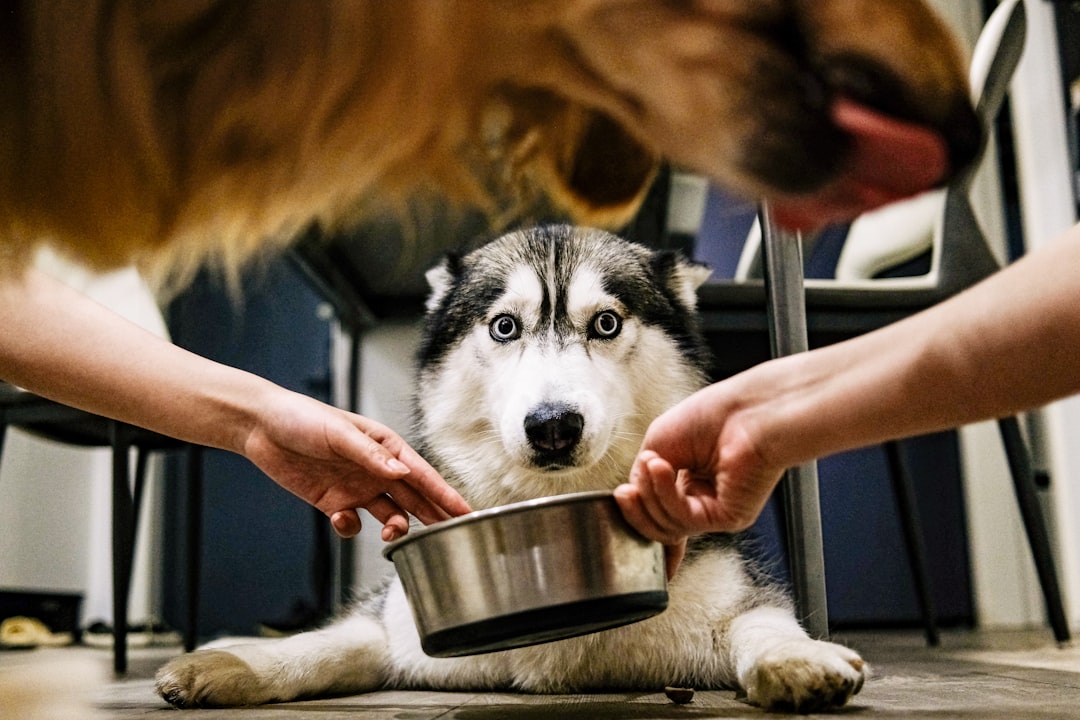
Preventing access to plants, herbs, seasonings, and supplements is key to avoiding poisoning. Never give food seasoned with onions or to your dog. It sounds simple, but it requires constant vigilance in the kitchen.
Store all -containing foods and seasonings in secure cabinets or refrigerators that your dog cannot access. Be aware that many prepared foods contain powder or salt, including some commercial dog treats marketed as “natural” health supplements. Always read ingredient labels carefully before giving your dog any human food.
Remember, some pets will even open lower cabinets or get into open drawers. Keep in mind that pets can get on counters or knock items off counters and tables. Dogs are surprisingly resourceful when it comes to finding forbidden snacks.
Fence off gardens and plant beds containing onions, , chives, or leeks. Dispose of leftovers containing these ingredients in an area where pets do not have access. Your garden might be hiding dangers you hadn’t considered.
The for Fleas Myth Debunked
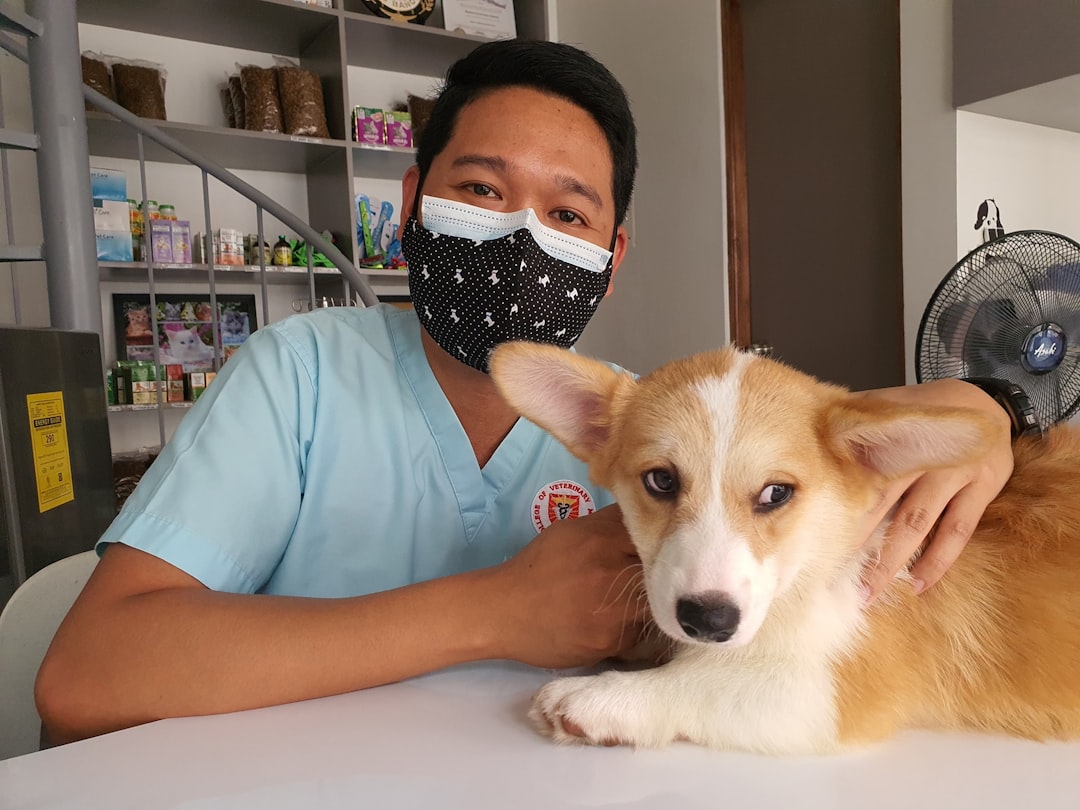
There’s no scientific evidence that helps ward off fleas. The theory is that if your dog eats , it changes the smell and taste of the pet to the fleas, thus making the pet a non-appetizing host. This old wives’ tale has unfortunately led many well-meaning dog owners astray.
There is no evidence that can be used to treat fleas and it should never be given to dogs, even in small doses. Always use veterinary-approved flea treatments. Your vet has safe, proven alternatives that actually work.
There are websites that promote using as a natural treatment for fleas and ticks. does not work as a flea and tick prevention and can do far more harm than good for your dog. Don’t fall for these dangerous recommendations, no matter how natural they sound.
When Small Amounts Might Not Cause Immediate Harm

If your dog eats a small amount of , you might not notice any symptoms. However, consuming larger amounts can lead to a variety of symptoms, ranging from mild to severe. The absence of immediate symptoms doesn’t mean everything is fine.
If your dog eats a small amount of (less than one clove) or food cooked with , they will likely not experience any symptoms, and you may only need to watch your pet for signs of illness. Still, monitoring remains crucial.
If your dog accidentally eats something containing a little , they will probably be okay. But intentionally feeding to your dog is a bad idea. There’s a big difference between accidental ingestion and deliberate feeding.
If your dog has only eaten a sliver of or had some table scraps seasoned with , you have nothing to worry about 99% of the time. However, that remaining one percent risk isn’t worth taking chances with your dog’s health.
Conclusion

The bottom line? While your dog probably won’t die from licking a plate that had on it, simply isn’t worth the risk. The potential for serious health complications, especially with certain breeds and smaller dogs, far outweighs any questionable benefits floating around the internet.
Instead of worrying about whether that dropped piece of bread will harm your pup, focus on dog-safe alternatives for treats and stick to veterinarian-approved flea prevention methods. Your furry friend will be much happier with a belly full of safe, dog-appropriate snacks anyway.
What do you think about this controversy? Tell us in the comments if you’ve ever had a scare with your dog getting into -containing foods.


