
Picture this: You’re enjoying a juicy orange on a sunny afternoon, and your furry companion sits nearby, those big eyes pleading for just one tiny piece. That familiar question crosses your mind – safely enjoy this citrus treat? This simple moment touches on something deeper that connects us with our four-legged family members. The desire to share our favorite foods with them comes from pure love, yet it requires wisdom to know what’s truly safe.
Oranges are safe for dogs to eat in small amounts, though there’s more to this story than a simple yes or no answer. Understanding how to properly share this bright, vitamin-packed fruit can help you make informed decisions about your dog’s treat time while keeping their health and happiness as your top priority.
The Sweet Truth About Oranges and Dogs
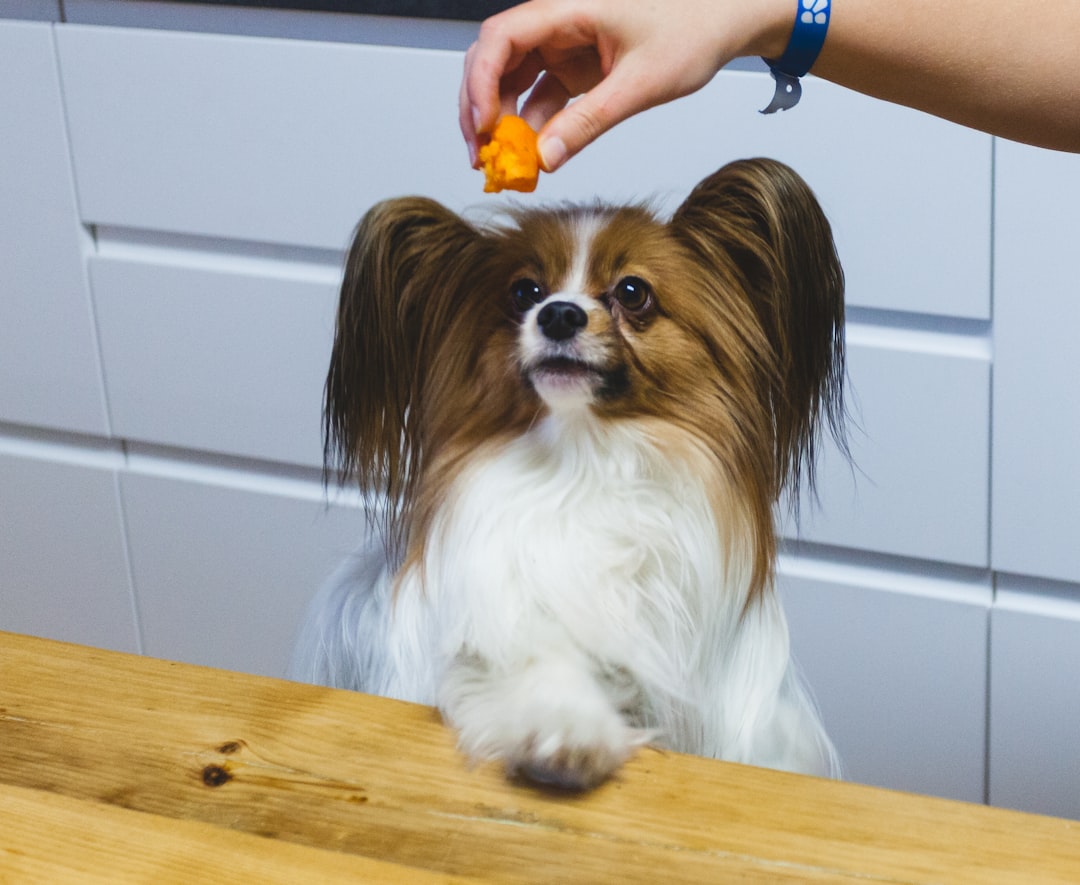
Oranges are not toxic to dogs, so there’s no cause for concern if your pup accidentally eats one, though this doesn’t automatically make them the perfect snack. Think of oranges like that friend who’s fun in small doses but overwhelming when they overstay their welcome. It’s common for dogs to be turned off by any kind of strong citrus smells or tastes, which makes sense when you consider how much more sensitive their noses are compared to ours.
Unlike humans, dogs naturally produce vitamin C in their liver, which means additional amounts from their diet are usually unnecessary. Your dog’s body is already a vitamin C manufacturing plant, working around the clock to keep them healthy. Still, vitamin C can support immune health and help reduce oxidative stress, and most dogs make enough on their own, but a little extra from food isn’t harmful.
Hidden Dangers: What Parts to Avoid

The bright orange peel might look harmless, but it harbors some serious concerns for our canine friends. Orange peels aren’t toxic, but they can become lodged in your dog’s digestive tract, causing an obstruction and requiring surgery to correct. This physical blockage risk alone should make any dog parent think twice about letting their pup munch on peels.
Even more concerning are the invisible threats lurking in those colorful rinds. Some essential oils found in the peel, namely limonene and linalool, can be toxic to dogs if ingested in large quantities. Citrus oils such as linalool and d-limonene contain insecticidal properties, and when ingested by a dog, it metabolizes in the dog’s liver and causes toxicity, poisoning, liver failure or liver damage. These compounds that work as natural pest deterrents can spell trouble for your dog’s liver when consumed in significant amounts.
Portion Control: Getting the Amount Just Right
When it comes to sharing oranges with your dog, size truly matters – both theirs and the portion you’re offering. For dogs with no underlying medical issues, small dogs weighing 10-20 pounds should receive half a segment from a medium-size orange as their maximum daily portion. Imagine trying to eat a meal that’s proportionally sized for someone three times your weight – that’s what an inappropriately large orange portion feels like to a small dog.
Dogs can eat oranges as a treat, up to two slices, every other day, though this general guideline should be adjusted based on your individual dog’s size, health status, and reaction to citrus. Treats should not make up more than 10 percent of your dog’s daily calorie intake, which means that orange slice needs to fit into a much bigger nutritional picture.
Preparing Oranges Safely for Your Dog

Proper preparation transforms a potentially risky snack into a safe treat. Always start by thoroughly peeling the orange and remove all traces of peel, pith and seeds. Think of this process like preparing food for a toddler – every potentially harmful element needs to be eliminated before serving. Cut the orange into manageable, bite-size pieces to reduce the risk of choking and help you control the portion size.
Pet owners should also make sure to remove all seeds from the orange, as orange seeds contain trace amounts of a toxic chemical known as cyanide, though eating a few orange seeds poses little risk to a dog. While the risk is minimal, why take any chances when prevention is so simple?
Health Benefits: The Nutritional Bright Side

Oranges are an excellent source of vitamin C, potassium, and fiber, creating a nutritional package that can complement your dog’s regular diet. Potassium is essential for kidney function and also boosts heart, muscle and digestive health for dogs. Think of potassium as the conductor of your dog’s internal orchestra, keeping all the vital systems playing in harmony.
When it comes to digestive health, fiber helps dogs maintain a healthy balance within the gut, regulates the bowels and supports colon health while supporting reduced inflammation. However, remember that even though orange flesh is safe for dogs, they should be considered a treat, not a dietary staple.
Dogs Who Should Skip the Citrus

Not every dog is a good candidate for orange treats, and recognizing the warning signs can prevent uncomfortable situations. Since oranges contain a lot of acid and sugar, they may not be a great option if your pup is diabetic or has stomach or digestive sensitivities. Dogs suffering from diabetes should stay away from fruits that are high in sugar, including oranges, since their bodies struggle to process these natural sugars effectively.
Oranges will also add to the calorie count, so if you’ve got an overweight dog that loves the taste of oranges, be mindful of the extra calories this fruity snack adds to their daily allowance. Dogs with sensitive digestions might get an upset stomach after consuming oranges, showing symptoms like excessive drooling, vomiting, or unusual restlessness after eating citrus.
The bond between dogs and their humans grows stronger through shared experiences, including the occasional special treat. Sharing a healthy treat with your dog can be a fun way to bond, creating positive memories while respecting their unique dietary needs. Remember that what might be OK for one dog might not be good for your dog, depending on multiple factors such as their age, health history, health conditions, and diet.
When you’re peeling that next orange and those hopeful eyes are watching, you’ll know exactly how to share safely. Start small, watch for reactions, and always prioritize your dog’s individual needs over the temptation to share everything you enjoy. What do you think – is your furry friend ready for their first taste of citrus sunshine?


