

In the realm of human and canine relationships, emotions run deep, and the bonds are often unbreakable. But what happens when this bond is tested by an unfortunate incident? Many dog owners grapple with the question: Can dogs forgive you if you hit them? Dogs are incredibly loyal and resilient, but their trust, once broken, can take time to rebuild. Learning how dogs process emotions like fear and forgiveness can help strengthen your relationship and ensure they feel safe and loved. This article delves into the fascinating world of canine emotions and the capacity of our furry friends to forgive. Understanding this can help foster a healthier relationship between you and your beloved pet.
The Emotional World of Dogs

Dogs, much like humans, have a complex emotional world. They experience a range of feelings including joy, fear, and even jealousy. Despite not having the same cognitive processes as humans, dogs can react to emotional stimuli in remarkable ways. Their ability to sense our emotions can sometimes be uncanny. For example, they might snuggle up to you when you’re feeling low, offering silent support. This emotional intelligence is a key factor in understanding if and how they forgive.
Understanding Forgiveness in Canine Terms
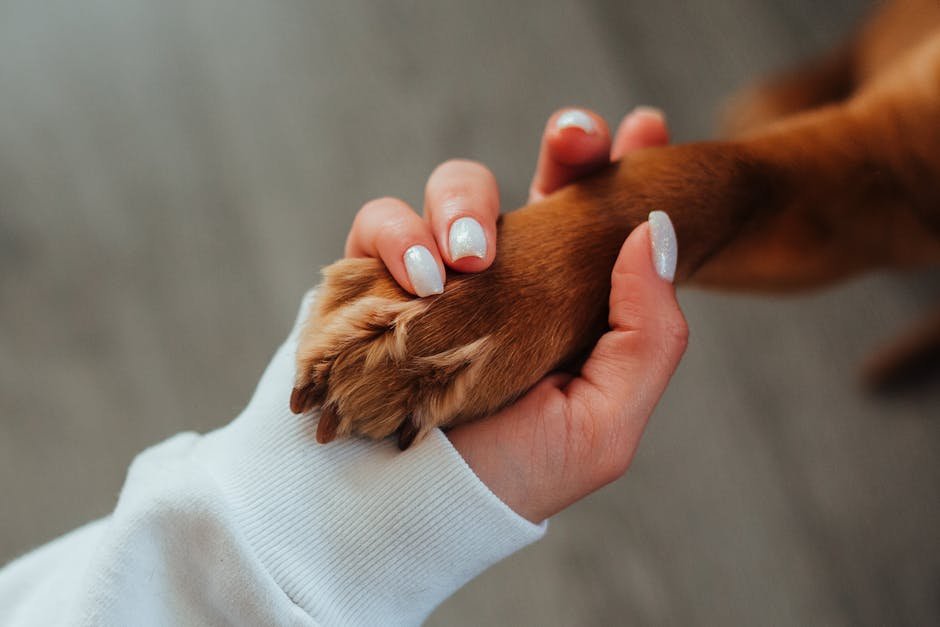
Forgiveness, in human terms, often involves a conscious decision to let go of resentment. For dogs, it’s less about a cognitive decision and more about an instinctual response. Their memory works differently, focusing on associations rather than holding grudges. If a dog is consistently treated with kindness after an unpleasant experience, they are more likely to move past negative emotions. Just as they can remember the sound of a treat bag, they can remember gentle hands and kind voices.
The Impact of Physical Discipline on Dogs
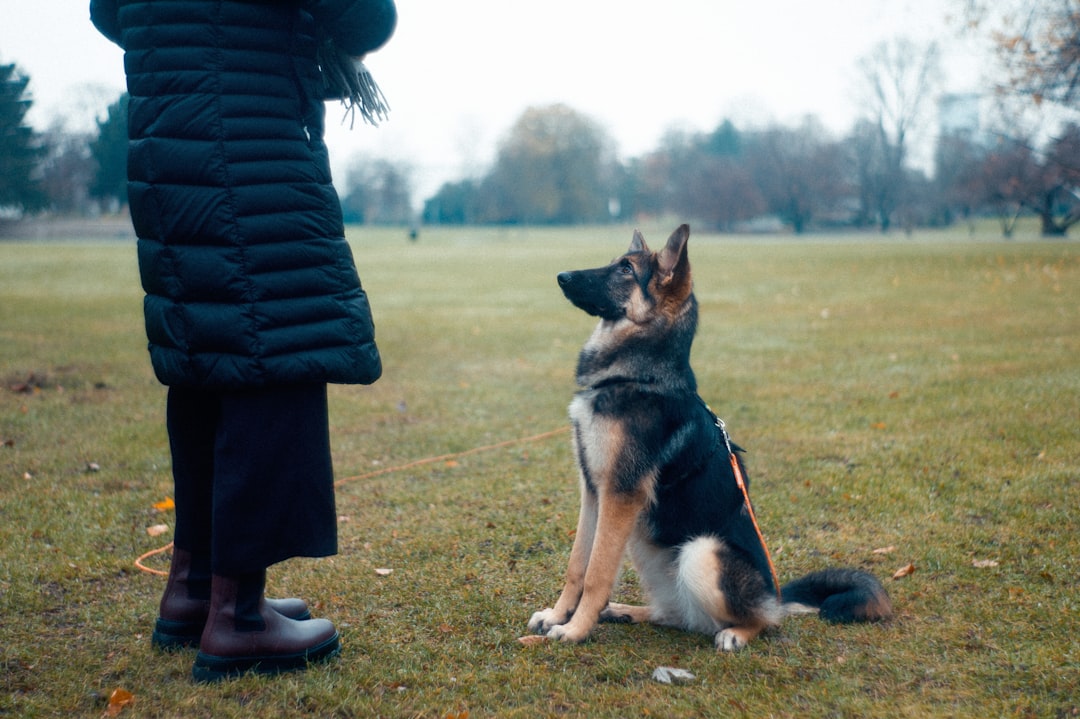
Physical discipline can have lasting effects on dogs, often leading to fear and anxiety. Dogs are incredibly sensitive creatures, and even a single negative incident can imprint on their memories. This can manifest in behaviors such as cowering, hiding, or showing aggression. Unlike a simple misunderstanding, hitting can alter the dynamics of the relationship, leading to mistrust. Imagine you’re at work and your boss yells at you; the memory might linger, affecting how you view your workplace. Similarly, dogs can carry the weight of negative encounters.
Signs Your Dog is Struggling
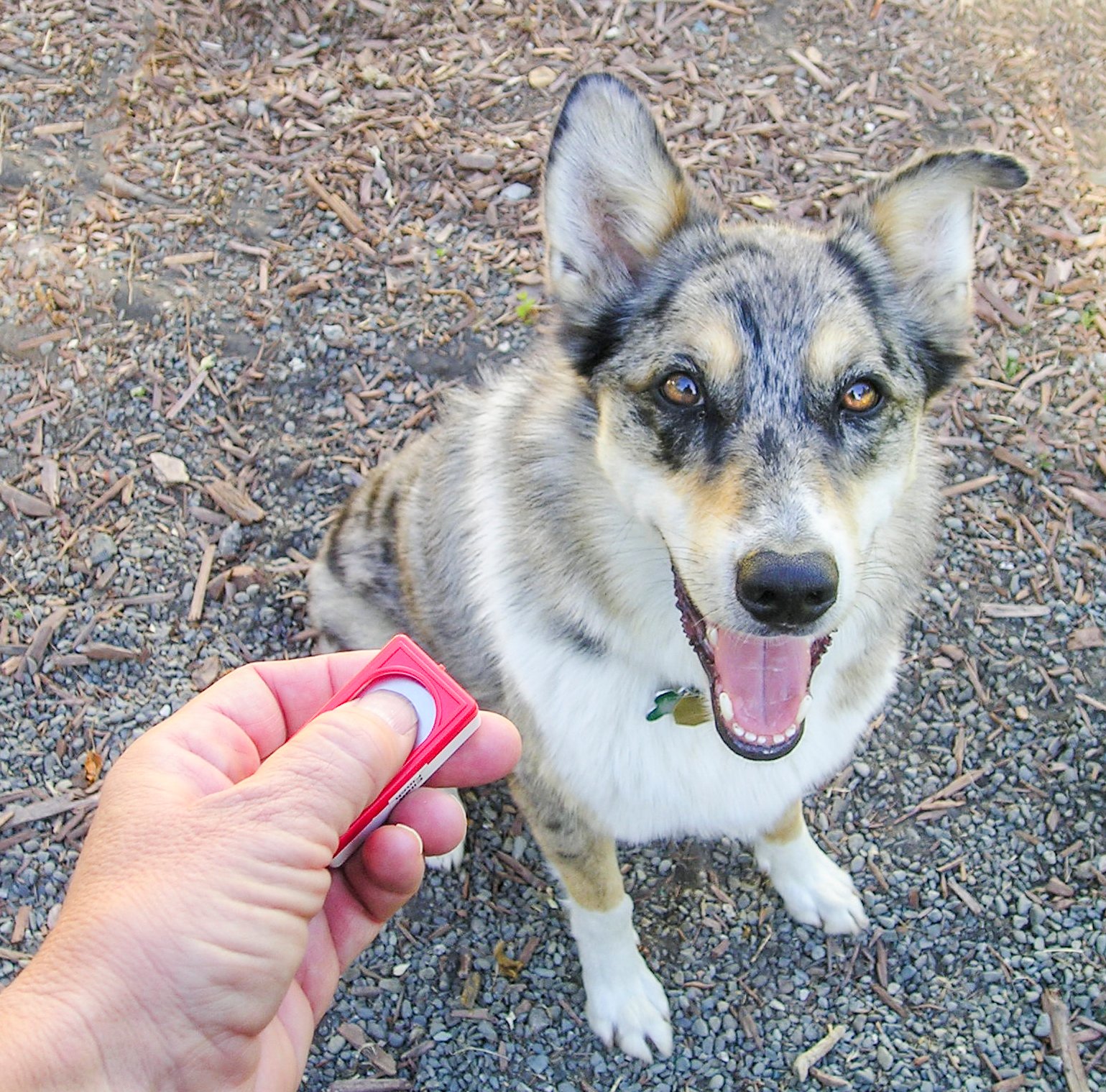
After an unpleasant incident, dogs may exhibit signs of stress or fear. These can include trembling, avoiding eye contact, or even a loss of appetite. Some dogs might become overly clingy, seeking reassurance from their owner. Observing these signs is crucial in gauging their emotional state. It’s like a child who becomes unusually quiet after a scolding; dogs too have their ways of showing distress. Recognizing these signs can be the first step towards healing.
The Role of Consistent Positive Reinforcement

Rebuilding trust with a dog requires patience and understanding. Consistent positive reinforcement is essential. This means rewarding good behavior with treats, affection, and praise. Over time, dogs can associate you with positive experiences, helping to mend any emotional rift. It’s akin to mending a broken fence; each nail and plank represents a positive interaction, slowly restoring the structure to its former strength. This process can help dogs feel safe and loved once again.
Time: The Healer of All Wounds

Time plays a pivotal role in healing emotional wounds, both in humans and dogs. While dogs may not hold grudges, they do need time to adjust and feel secure. Gradually, their wariness can be replaced by trust as they experience consistent love and care. Imagine nurturing a plant back to health; with time, sunlight, and water, it blooms again. Similarly, dogs need time to heal and forgive, if given the right environment.
Building a Stronger Bond
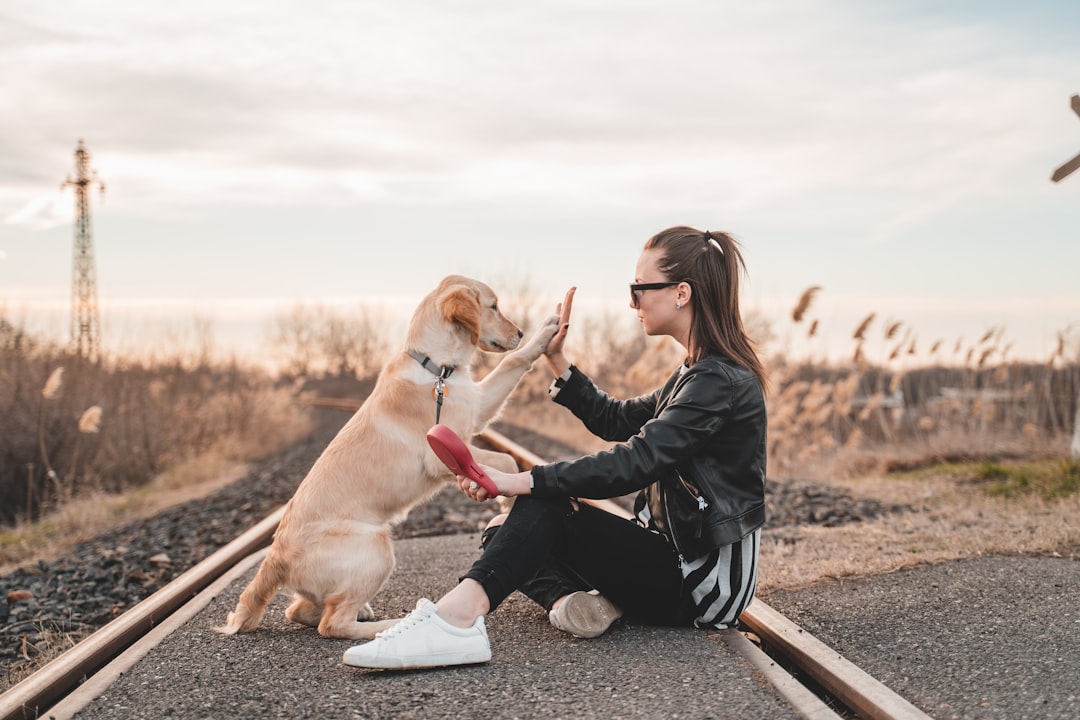
Once trust is restored, the bond between you and your dog can grow even stronger. Engaging in regular activities like playtime or walks can reinforce this connection. Dogs thrive on routine and familiar interactions, which can help them feel at ease. Think of it as building a bridge; each shared moment is a plank in that bridge, leading to a solid and enduring relationship. This bond is what makes the journey of pet ownership so rewarding.
Seeking Professional Help
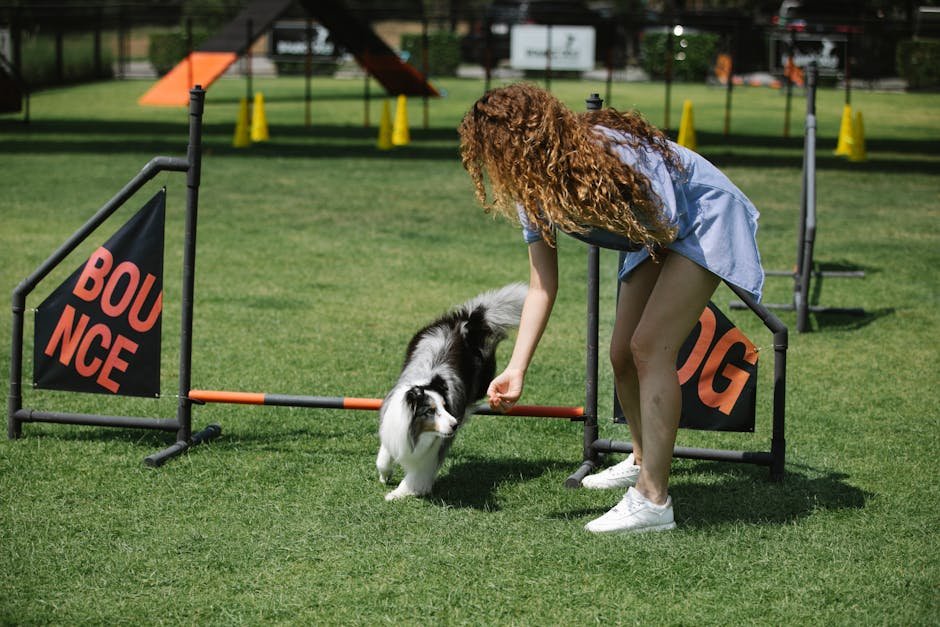
In some cases, professional help may be necessary to address behavioral issues stemming from past incidents. Canine behaviorists can provide guidance tailored to your dog’s needs. They can offer strategies that promote positive behavior and reduce anxiety. It’s like consulting a therapist for personal issues; sometimes, professional insights can make a world of difference. Seeking help is not a sign of failure, but a step towards a harmonious relationship.
Preventing Future Incidents
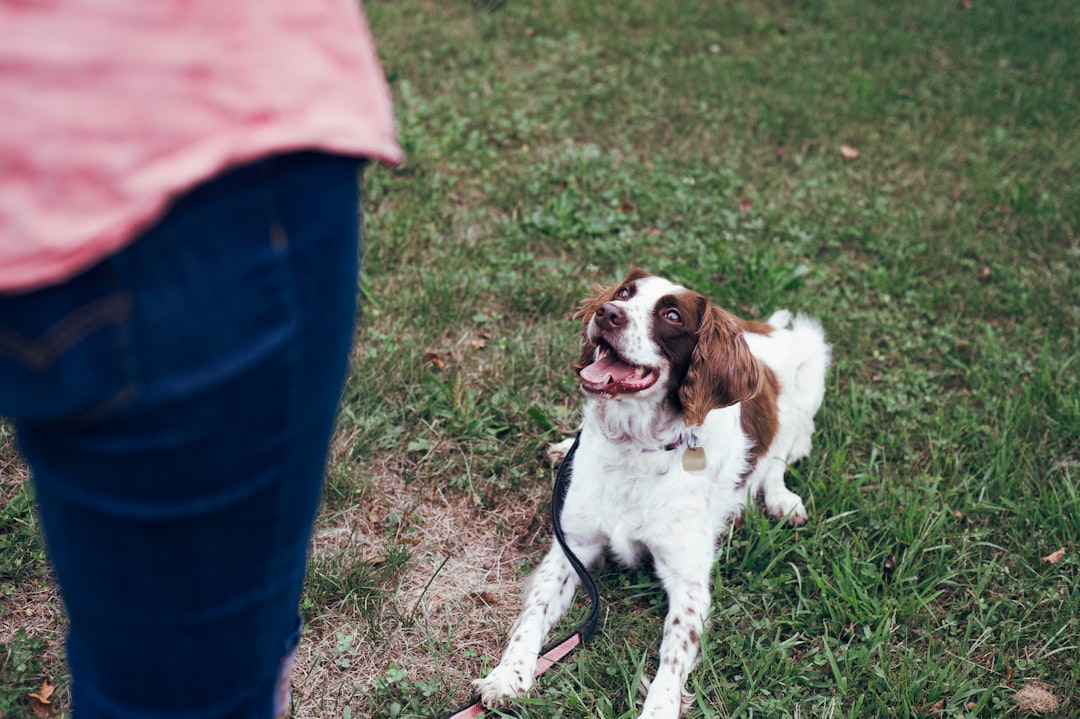
Prevention is always better than cure. Understanding your dog’s body language and triggers can prevent future negative encounters. Educating oneself on positive training methods can ensure a nurturing environment for your pet. It’s akin to learning to read the weather; knowing when a storm is coming allows you to take shelter in advance. By being proactive, you can create a safe space where your dog feels loved and secure.
The Heart of the Matter
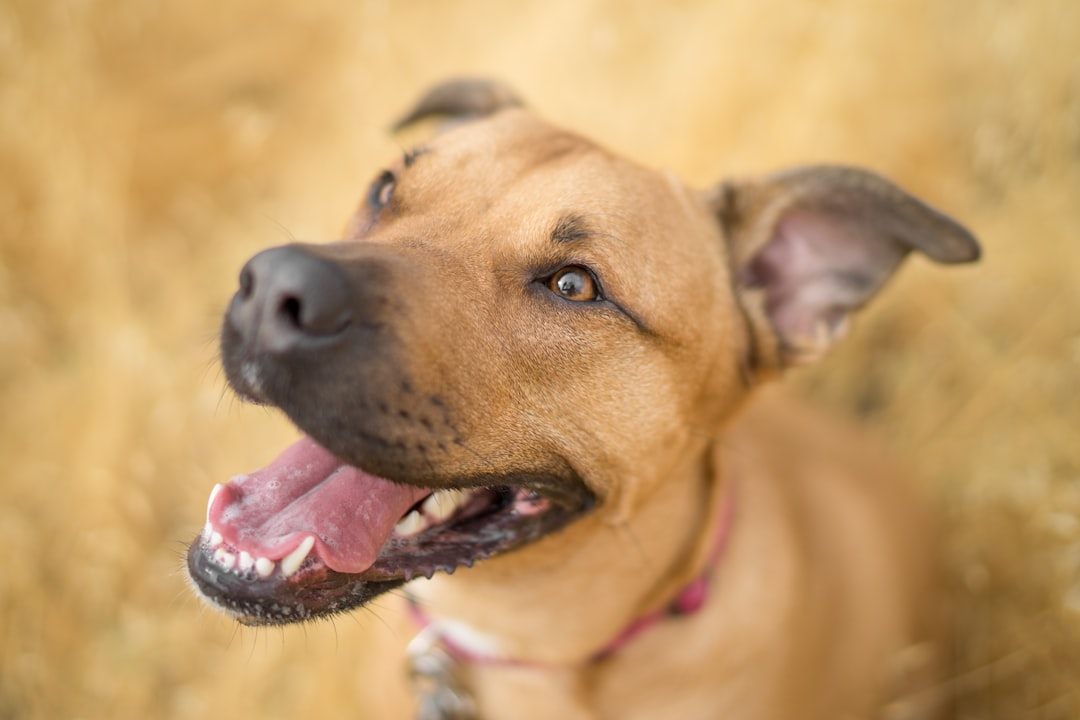
At the heart of the matter lies the unconditional love that dogs have for their owners. While they may not understand the complexities of human emotions, their loyalty and companionship are unwavering. This innate love is what allows them to move past negative experiences, given the right circumstances. It’s like the sun emerging after a storm; despite the darkness, light finds a way to shine through. Understanding this can help us be better companions to our furry friends.
Dogs are incredibly forgiving creatures, but rebuilding trust after harm takes patience, love, and consistency. While they may move past the incident, it’s our responsibility to ensure they feel safe, respected, and cherished. Strengthening your bond through positive reinforcement and kindness will always lead to a happier, healthier relationship with your furry friend.


